Plizio Visual Lab
Indigenous Eyes Ecological Park
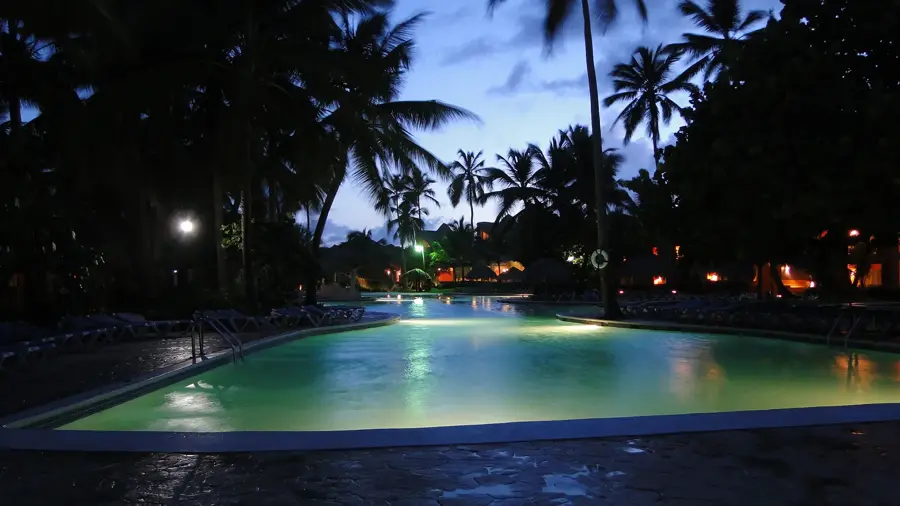
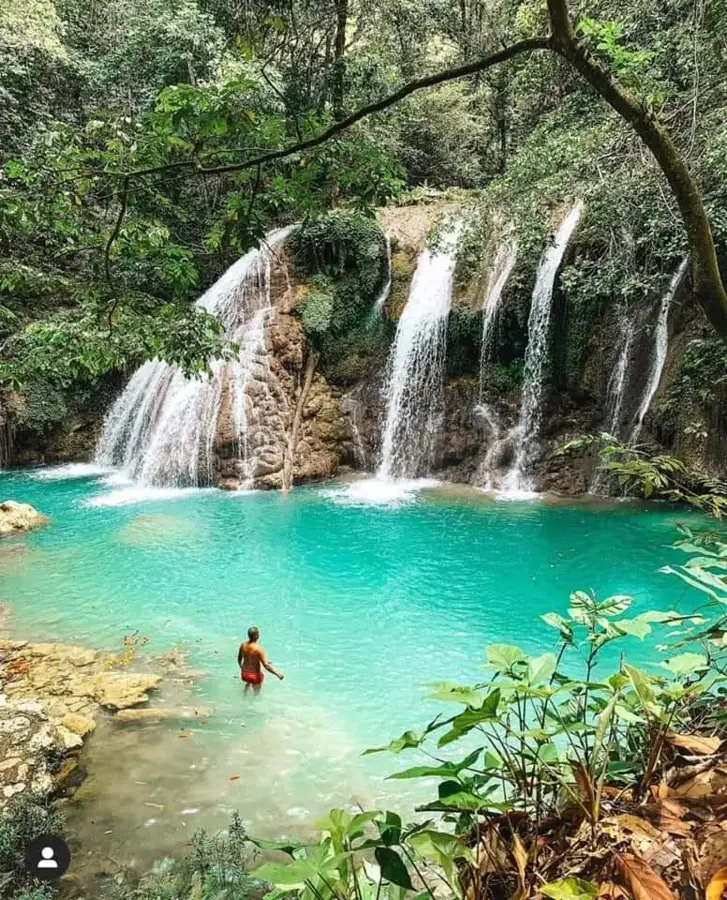
The Indigenous Eyes Ecological Park (Ojos Indígenas) is a 1,500-acre private nature reserve owned by the Puntacana Foundation. The reserve was established to protect local biodiversity and promote scientific research. Its name refers to the twelve freshwater lagoons that the indigenous Taíno people called 'eyes' because of their shape. The park is home to over 500 plant species, many of which are endemic to Hispaniola, as well as a variety of bird species and reptiles. A network of educational trails leads through various ecosystems, including mangrove forests and tropical dry forests. The reserve also serves as a center for reforestation projects and the protection of endangered species such as the Hispaniola slider turtle. Visitors can swim in the crystal-clear lagoons, which are fed by a complex underground river system. The facility is a leading example of how private conservation and tourism can be successfully combined in the Dominican Republic.
- Location: Dominican Republic
- Top sights: Oscar de la Renta Tennis Center · Punta Cana · Puntacana Resort and Club
- Nearby: Bávaro (12 km)
Best time to visit & climate
The most pleasant time to visit is Jan–Mar.
| Jan | Feb | Mar | Apr | May | Jun | Jul | Aug | Sep | Oct | Nov | Dec | |
|---|---|---|---|---|---|---|---|---|---|---|---|---|
| Avg °C | 26 | 26 | 26 | 27 | 28 | 28 | 28 | 29 | 29 | 28 | 27 | 26 |
| Rain mm | 38 | 27 | 25 | 47 | 67 | 46 | 49 | 59 | 65 | 62 | 78 | 47 |
📋 Practical info
Geography
Facts
- The park contains 12 natural lagoons, 5 of which are open for swimming.
- Scientists use the reserve to research the endangered Ridgway's Hawk.
- The lagoons are part of a karst system that filters and stores rainwater.
- The reserve was officially opened to the public in 1994.
- Over 80 species of birds have been documented within the park boundaries.
- The Puntacana Foundation operates a coral restoration program based here.
Explore nearby
Notable places around



Route planner — Car & Motorhome
Where do you start? We build the route here, with stops and country notes along the way.
© OpenStreetMap contributors · OpenRouteService
Sights in the town Indigenous Eyes Ecological Park (3)
Sights nearby
Frequently asked questions
Is swimming allowed in the lagoons?
What are the opening hours?
How much is the entrance fee?
Is the park suitable for children?
What should we bring?
Indigenous Eyes Ecological Park: where is it located?
Indigenous Eyes Ecological Park: what is there to see?
Indigenous Eyes Ecological Park: when is the best time to visit?
Indigenous Eyes Ecological Park: why is it worth visiting?

Nearby cities
More places