Plizio Visual Lab
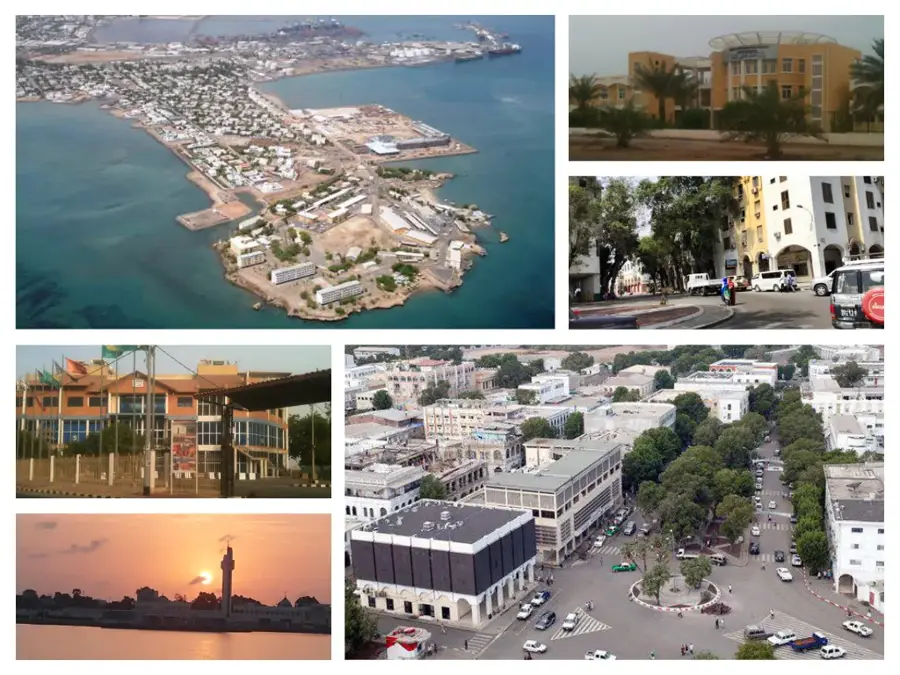
Djibouti Port Oil Jetty
Weather…
Water temperature…
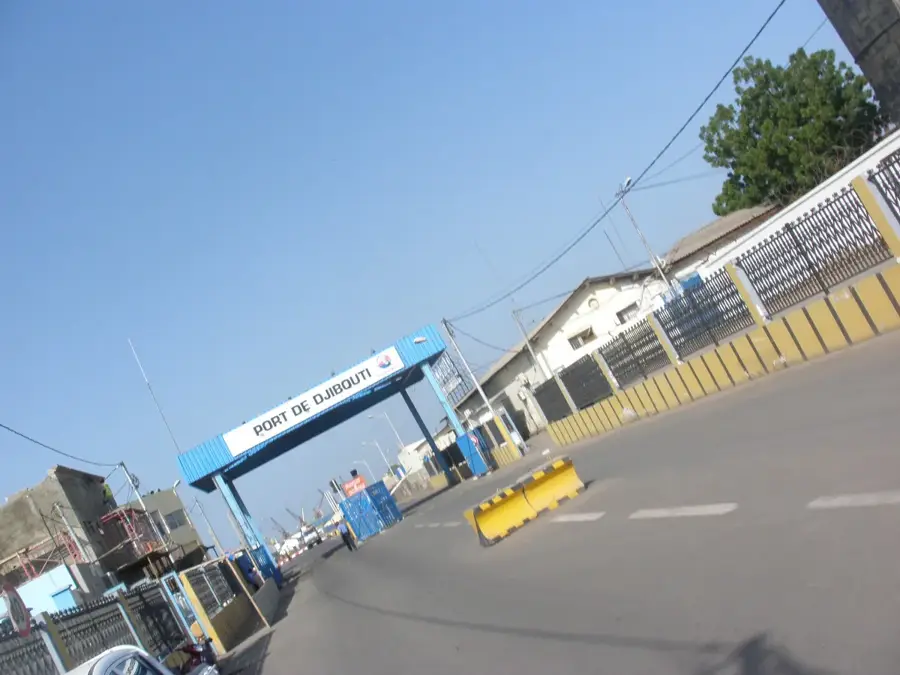
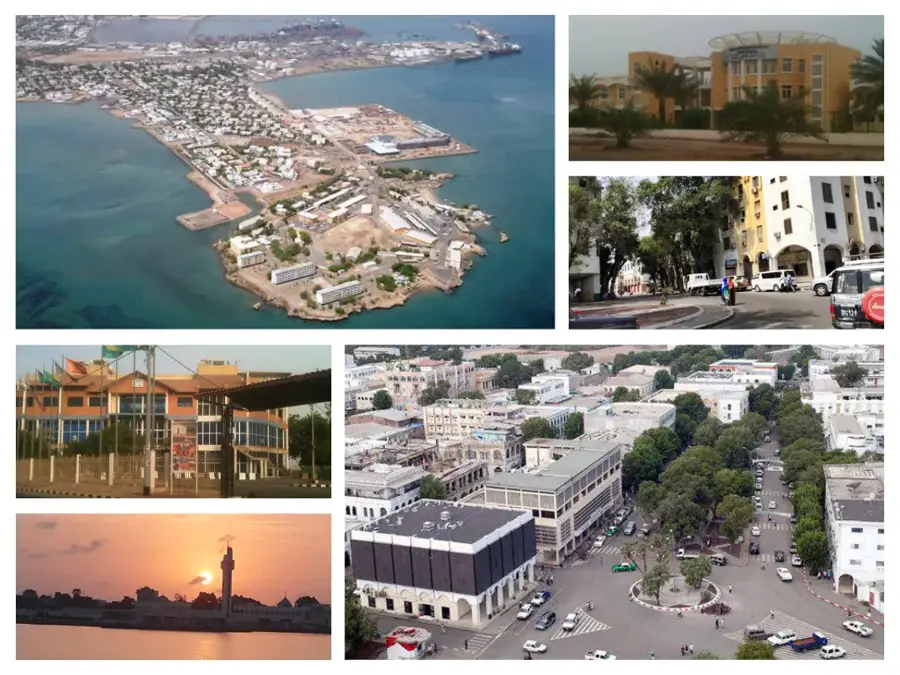
The Djibouti Port Oil Jetty is a vital infrastructure facility for the entire Horn of Africa region. Operating as part of the historic Port of Djibouti (PAID), it serves as the primary gateway for petroleum products. The facility is capable of accommodating oil tankers with a capacity of up to 40,000 DWT (Deadweight Tonnage). This jetty handles the vast majority of fuel requirements for landlocked Ethiopia, giving it immense strategic importance for regional commerce. During the 2010s, significant upgrades were implemented to enhance the safety and efficiency of offloading operations. Multiple berths allow for the simultaneous handling of different types of fuels, including gasoline, diesel, and jet fuel. The jetty is closely integrated with large-scale storage tank farms and the regional railway network.
- Location: Djibouti
- Top sights: Plage de Heron shTy' lblshwn · Plage Sud · Cathedrale Notre-Dame du Bon-Pasteur - ktdry'y@ lsyd@ l`dhr lr`y lSlH
- Nearby: Negad (6 km)
Best time to visit & climate
The most pleasant time to visit is Jan, Feb, Dec.
| Jan | Feb | Mar | Apr | May | Jun | Jul | Aug | Sep | Oct | Nov | Dec | |
|---|---|---|---|---|---|---|---|---|---|---|---|---|
| Avg °C | 24 | 25 | 26 | 28 | 31 | 34 | 34 | 34 | 33 | 29 | 27 | 25 |
| Rain mm | 6 | 6 | 20 | 51 | 27 | 7 | 17 | 27 | 31 | 21 | 10 | 14 |
📋 Practical info
Geography
Facts
- The jetty is a key component of the Port Autonome International de Djibouti (PAID).
- It can accommodate tanker vessels with a capacity of up to 40,000 DWT.
- The facility underwent major modernization and safety upgrades during the 2010s.
- It facilitates roughly 90% of Ethiopia's total petroleum product imports.
- The terminal features multiple specialized berths for various liquid fuels.
- Direct pipeline links connect the jetty to national strategic storage facilities.
Explore nearby
Notable places around
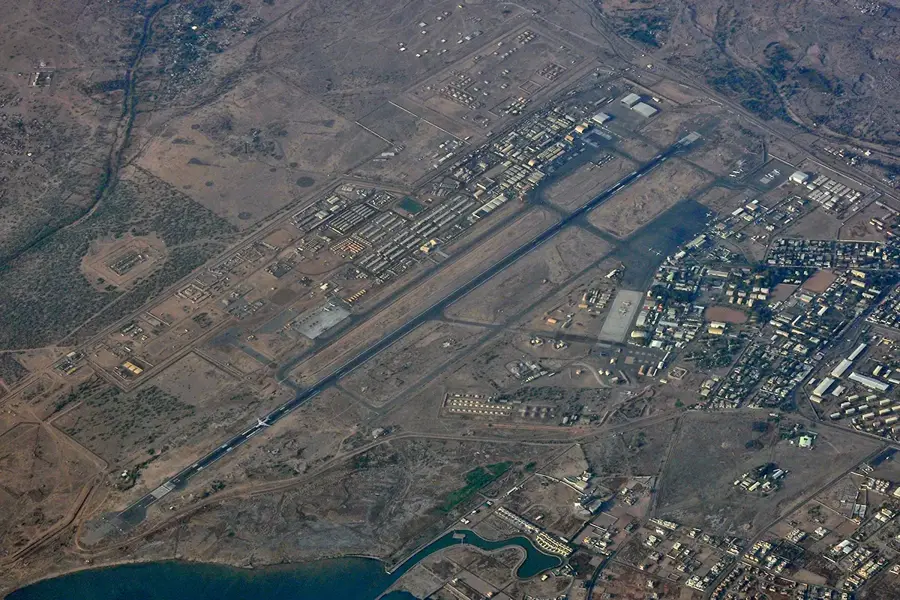

Route planner — Car & Motorhome
Where do you start? We build the route here, with stops and country notes along the way.
© OpenStreetMap contributors · OpenRouteService
Sights in the town Djibouti Port Oil Jetty (6)
Plage Ouest
Western beach in Djibouti City, near the port.
Centre Culturel Institut Francais Arthur Rimbaud lmrkz lthqfy lm`hd lfrnsy arthr rmbw
French cultural center in Djibouti City, with library and exhibitions.
Theatre des Salines lmsrH lmlH@
Theater in Djibouti City, hosting performances and cultural events.
Sights nearby
Frequently asked questions
What is the function of the oil jetty?
Can civilians enter the port area?
Where exactly is the jetty located?
What kind of ships dock here?
Are there museums nearby?
Djibouti Port Oil Jetty: where is it located?
Djibouti Port Oil Jetty: what is there to see?
Djibouti Port Oil Jetty: when is the best time to visit?
Djibouti Port Oil Jetty: why is it worth visiting?

Nearby cities
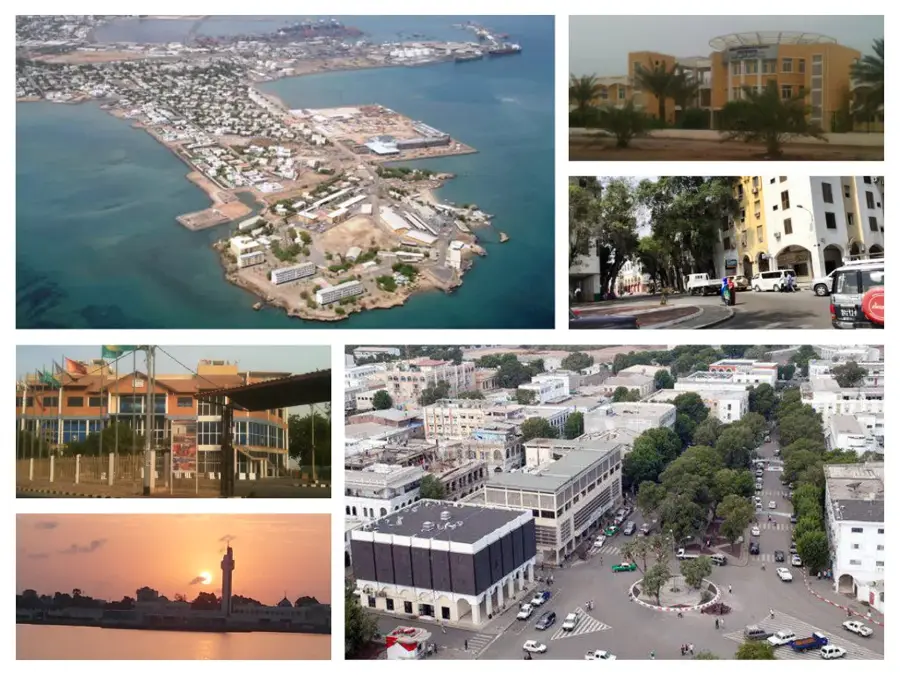
History & landmarks
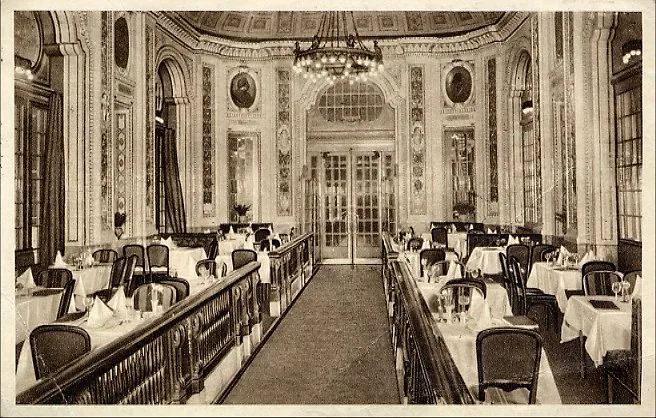
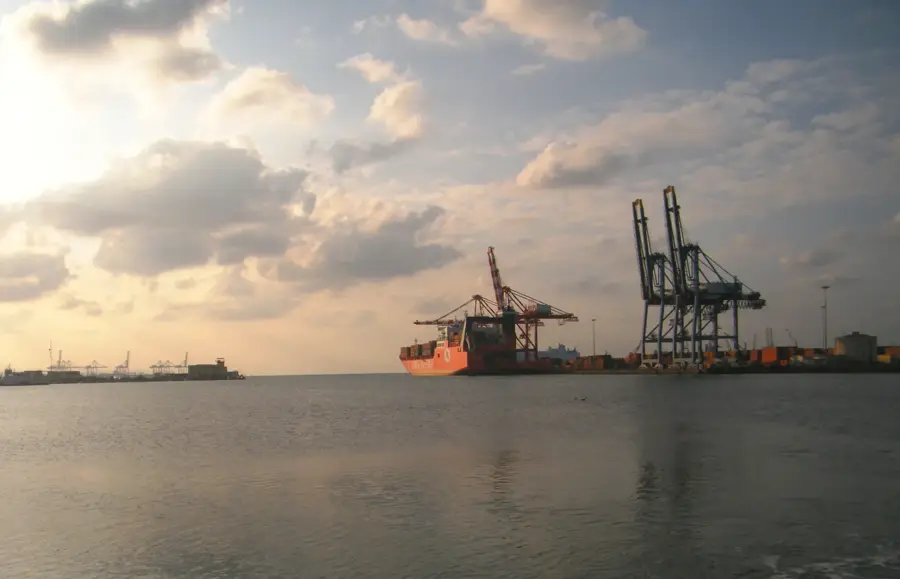
Nature
More places