Plizio Visual Lab
Djibouti City
ℹ️Practical info — Djibouti City
▾
🌤 Weather — 5 days
📍 Nearby
Sights nearby
💡 Tips
- Many shops close in the early afternoon for the traditional khat-chewing time.
- Taxis do not use meters, so negotiate the fare before getting in.
- French is widely spoken and very useful.
- Visit the central market early in the morning.
- Midday heat is intense, so plan for indoor breaks.
🍽 Food
A traditional spicy beef soup.
Fish served with honey and bread at a Yemeni restaurant downtown.
Fresh baked goods and coffee in the European Quarter.
🛍 Shopping · 🧘 Quiet spots
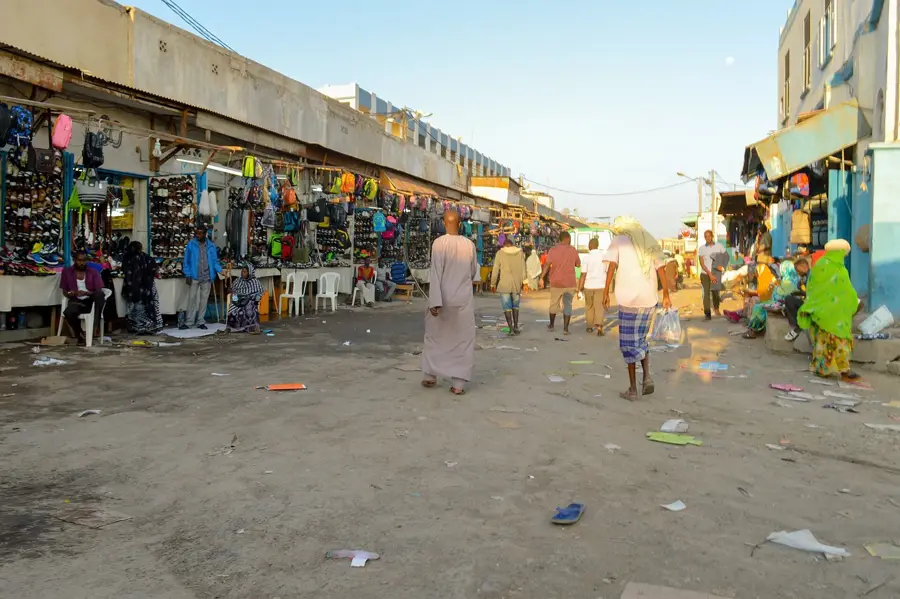
The colorful main market for spices, frankincense, and textiles.
Traditional colorful dresses in the small boutiques around the market.
An evening stroll along the waterfront promenade.
The historical port area, well-suited for watching the sunset.
Water temperature…
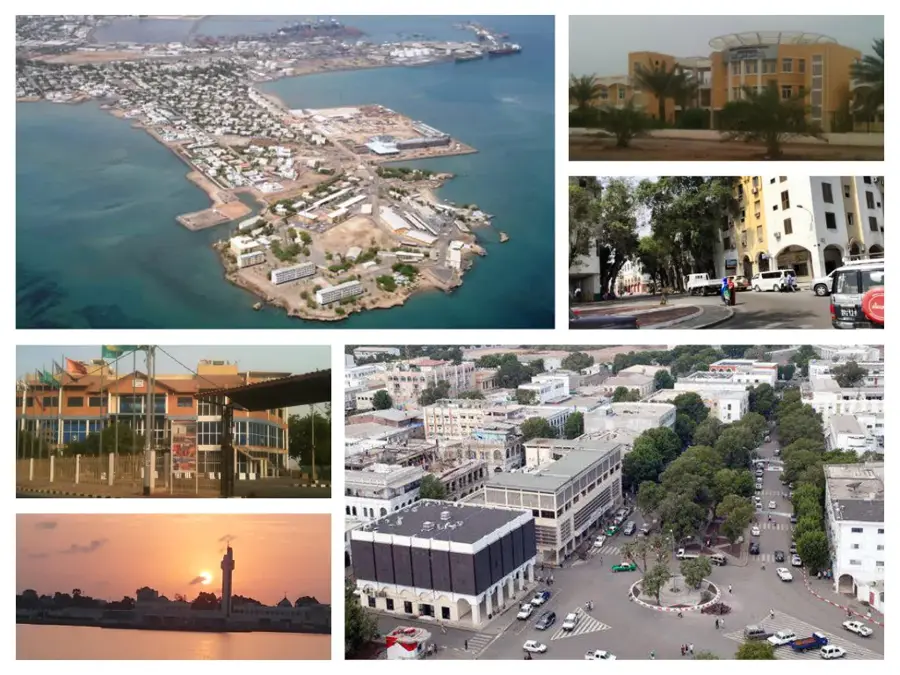
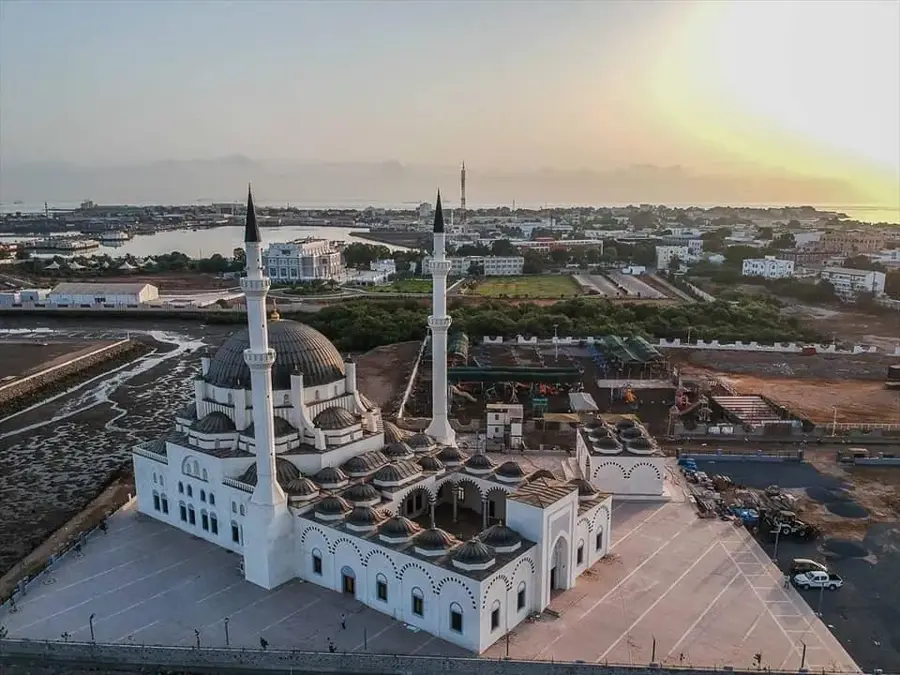
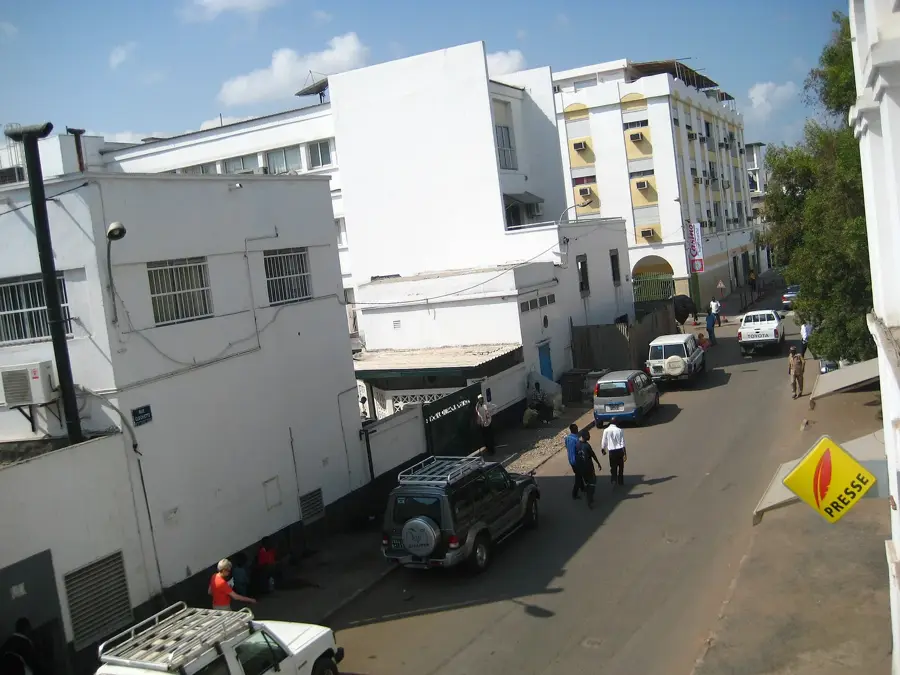
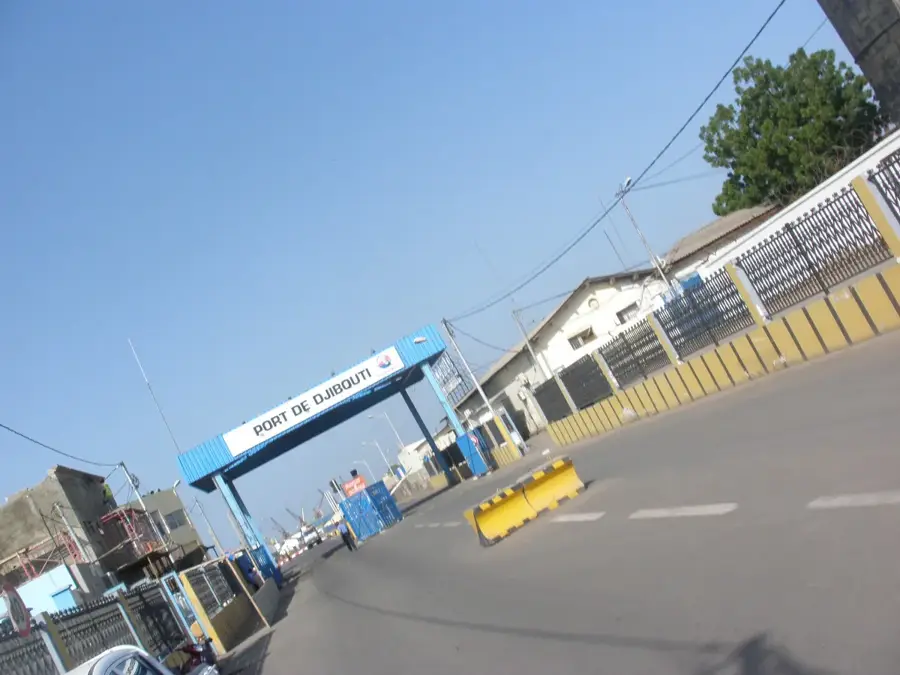
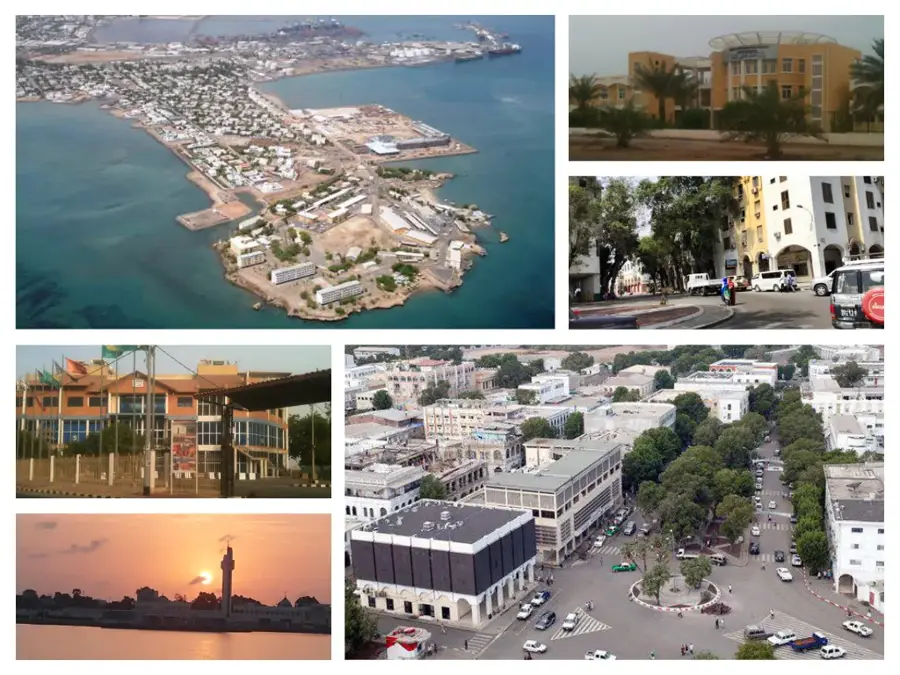
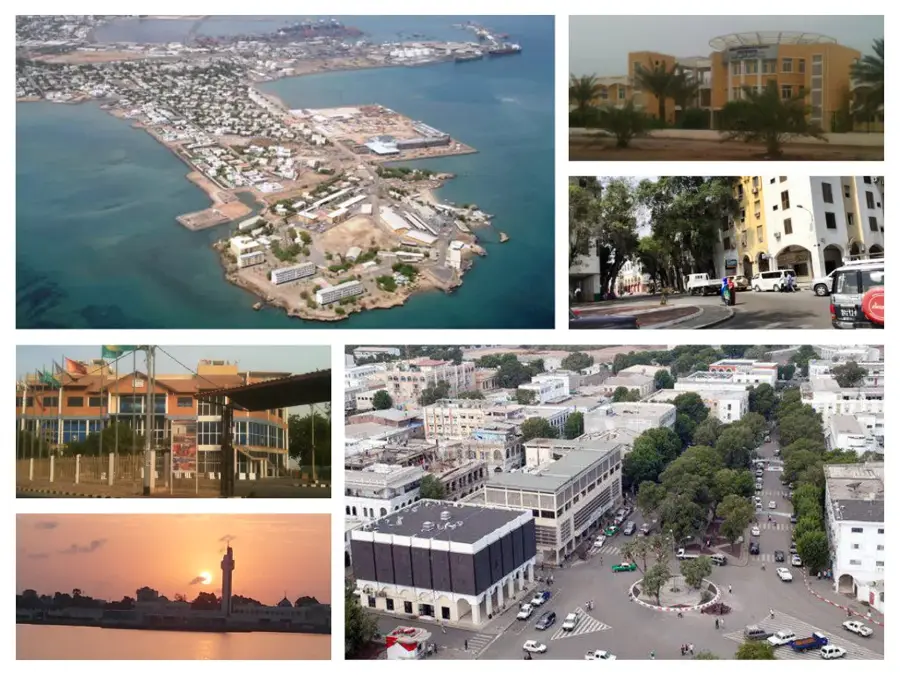
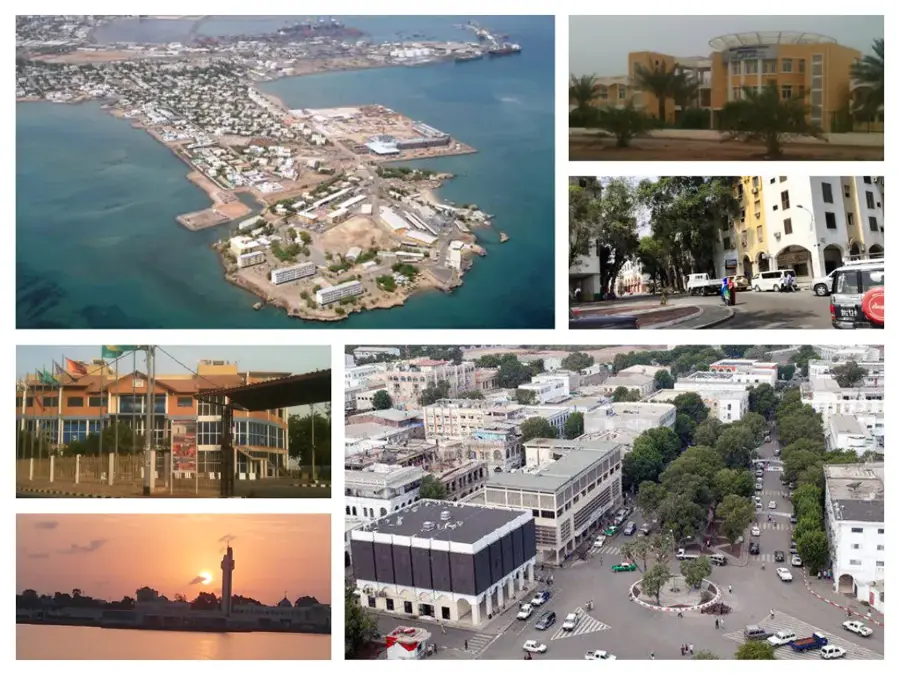
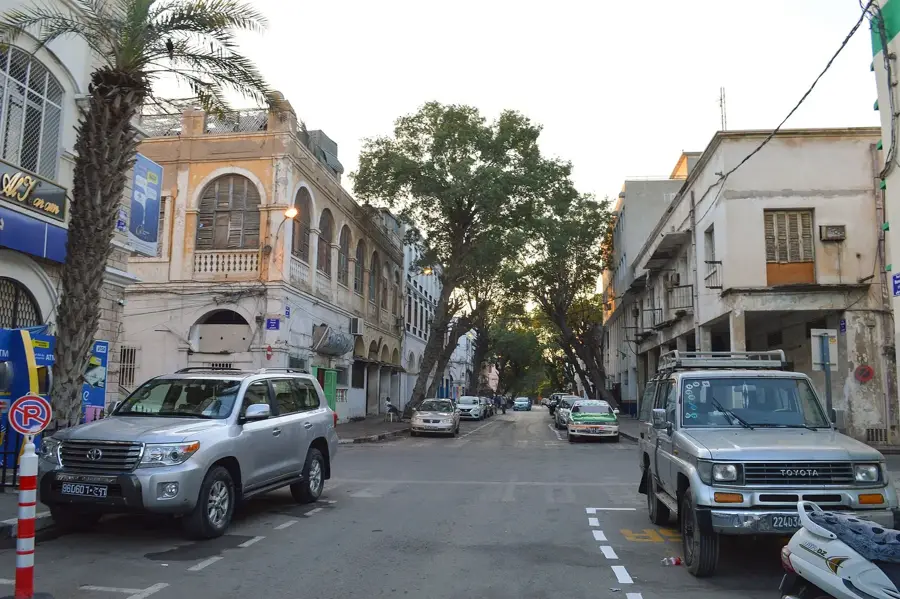
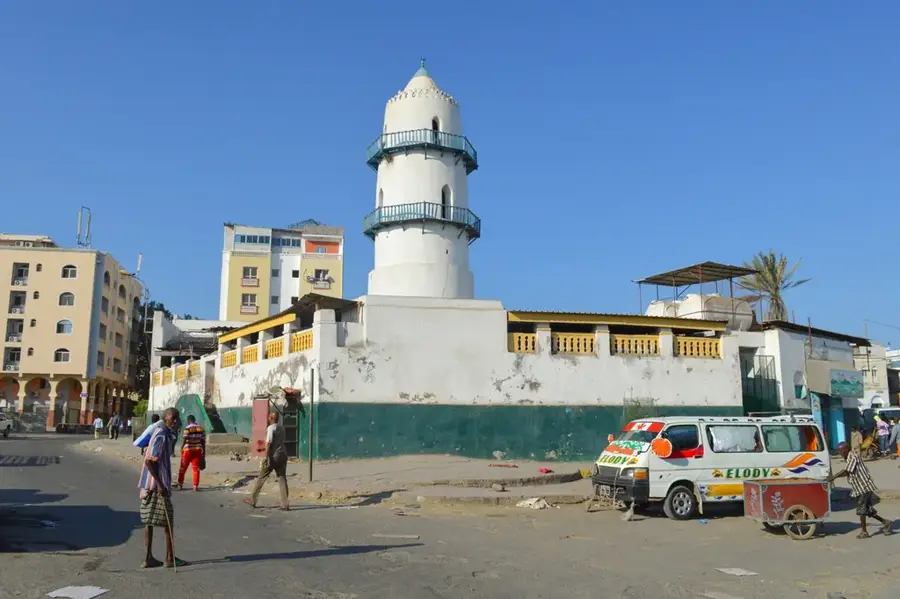
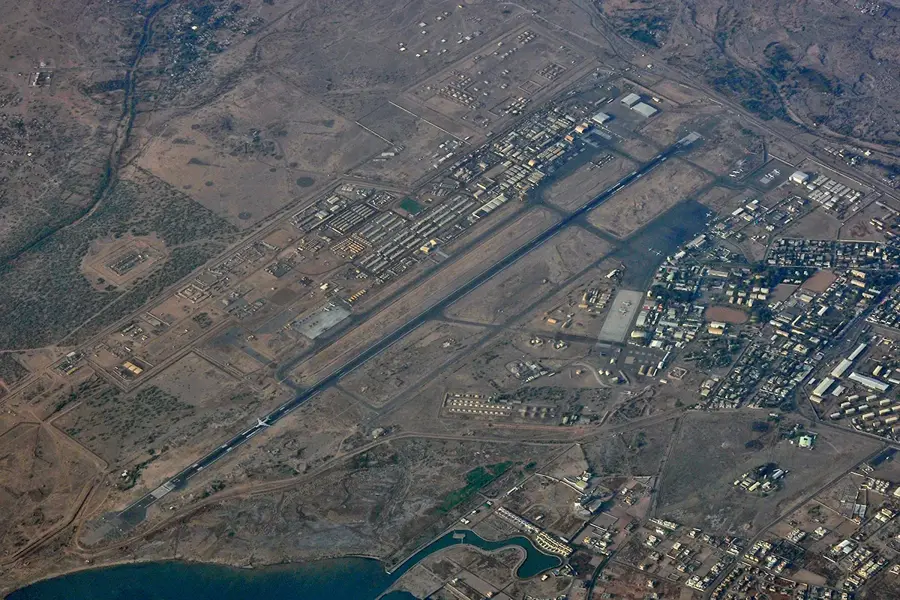
Djibouti City, the capital and largest settlement of the Republic of Djibouti, is a cosmopolitan port city situated on a strategic peninsula at the southern entrance to the Red Sea. Founded by the French in 1888, the city was meticulously planned to exploit its deep-water harbor, and it has since evolved into one of the most important logistical and military hubs in the world. Its geography is defined by its position on the Gulf of Tadjoura, making it a critical gateway for maritime trade passing through the Suez Canal and a primary lifeline for landlocked Ethiopia. The city's architecture is a testament to its multifaceted identity: the 'European Quarter' retains its colonial-era charm with arched galleries and whitewashed buildings, while the newer districts and the massive Doraleh Port complex showcase modern industrial prowess. Djibouti City is unique for hosting a high concentration of foreign military bases, including those of the United States, France, China, and Japan, which underscores its role as a global security anchor. Economically, the city is dominated by the service sector, particularly shipping, finance, and telecommunications. Culturally, it is a fascinating melting pot of Somali, Afar, Arab, and French influences. This diversity is reflected in the local dialect, music, and the varied culinary scene that ranges from high-end French bistros to traditional Yemeni fish houses. The city also serves as a jumping-off point for exploring Djibouti's natural wonders, with the Moucha and Maskali Islands offering pristine beaches and world-class diving just a short boat ride away. Despite its rapid modernization and urban sprawl, Djibouti City maintains a lively street life centered around its bustling markets and communal squares. Ongoing infrastructure projects, such as the new railway link to Addis Ababa and the development of specialized free trade zones, continue to propel the city toward its goal of becoming the 'Singapore of Africa,' a modern, safe, and efficient bridge between the continent and the global economy.
- Location: Djibouti
- Top sights: Theatre des Salines lmsrH lmlH@ · Centre Culturel Institut Francais Arthur Rimbaud lmrkz lthqfy lm`hd lfrnsy arthr rmbw · Cathedrale Notre-Dame du Bon-Pasteur - ktdry'y@ lsyd@ l`dhr lr`y lSlH
- Nearby: Negad (4 km)
- Population: ~626.512 (2023)
Best time to visit & climate
The most pleasant time to visit is Jan, Feb, Dec.
| Jan | Feb | Mar | Apr | May | Jun | Jul | Aug | Sep | Oct | Nov | Dec | |
|---|---|---|---|---|---|---|---|---|---|---|---|---|
| Avg °C | 24 | 25 | 26 | 28 | 31 | 34 | 34 | 34 | 33 | 29 | 27 | 25 |
| Rain mm | 6 | 6 | 20 | 51 | 27 | 7 | 17 | 27 | 31 | 21 | 10 | 14 |
Geography
Facts
- Djibouti City was established as a port by the French in 1888.
- The city accounts for more than 70% of the national GDP.
- It is the eastern terminus of the new Ethio-Djibouti standard-gauge railway.
- The Port of Djibouti is one of the busiest in East Africa.
- The city hosts the only permanent Chinese overseas military base.
- Moucha and Maskali Islands are located about 15km offshore.
- The Marché Central is the city's largest and most famous market.
- Over 600,000 people reside in the greater metropolitan area.
Explore nearby
Notable places around

Route planner — Car & Motorhome
Where do you start? We build the route here, with stops and country notes along the way.
© OpenStreetMap contributors · OpenRouteService
Sights in the town Djibouti City (5)
Plage de la Siesta shTy' lqylwl@
Sandy beach in Djibouti City, popular for swimming and relaxation.
Plage de Heron shTy' lblshwn
Beach section in Djibouti City with calm water.
Frequently asked questions
What is the best time to visit Djibouti City?
What languages are spoken there?
What should you definitely try?
Is the city safe for tourists?
What currency is used?
Djibouti City: where is it located?
Djibouti City: what is there to see?
Djibouti City: when is the best time to visit?
Djibouti City: why is it worth visiting?

History & landmarks
Nature
More places