Plizio Visual Lab
Kinshasa
ℹ️Practical info — Kinshasa
▾
🌤 Weather — 5 days
📍 Nearby
Sights nearby
💡 Tips
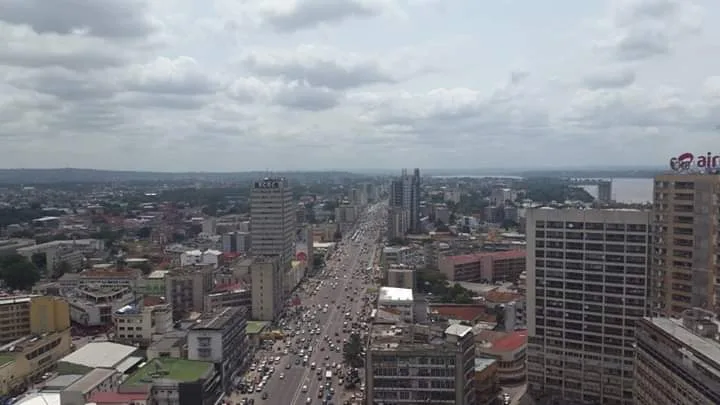
- Traffic (les embouteillages) is notoriously heavy; always allow extra time to cross the city.
- Use trusted taxi services or ride-hailing apps rather than hailing random cabs on the street.
- Be very cautious with street photography; always ask for permission or avoid it to prevent misunderstandings with authorities.
- The dry season (June to September) provides the most comfortable weather for exploring.
- Visit a local 'nganda' (open-air bar) to experience the lively Congolese rumba music scene.
🍽 Food
Fish cooked with tomatoes and spices inside a banana leaf. Try it at a riverside restaurant in the Gombe district.
Chicken slowly cooked in a rich palm nut sauce, a national dish found in traditional eateries.
A popular street food best enjoyed in the evening with a local beer in the Bandalungwa (Bandal) neighborhood.
🛍 Shopping · 🧘 Quiet spots
The go-to place for African art, wooden masks, and malachite jewelry. Haggling is expected.
An overwhelming but authentic experience for buying colorful wax prints and local spices.
For imported goods and fixed-price local coffee, visit the larger supermarkets in Gombe.
A peaceful lake just outside the city, first-rate for a quiet weekend escape and a walk in the forest.
A calm oasis in the city featuring beautiful gardens, local art, and a relaxing cafe.
Has a slightly elevated, greener environment with views over the Congo River away from the downtown noise.
Water temperature…
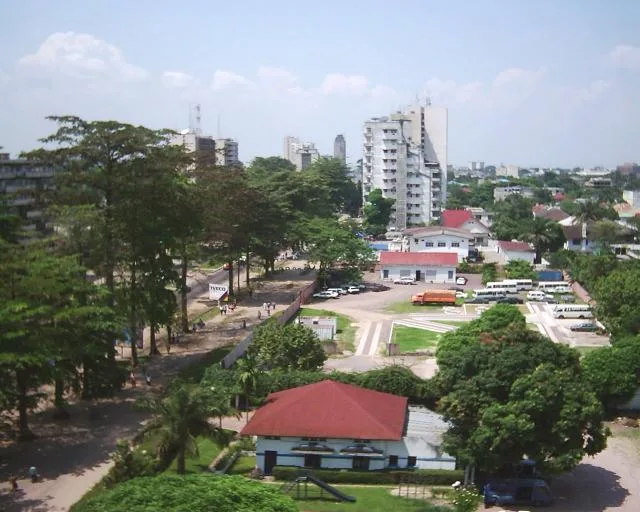
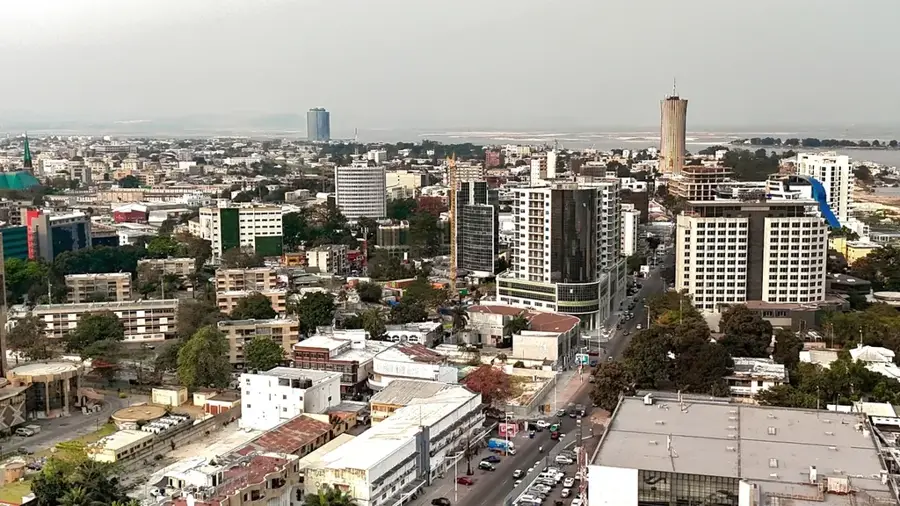
Kinshasa is the sprawling capital and largest city of the Democratic Republic of the Congo, serving as one of Africa's most influential mega-cities. Located on the southern banks of the Malebo Pool along the Congo River, it sits directly opposite Brazzaville, making these the closest two national capitals in the world. Originally established in 1881 by Henry Morton Stanley as Leopoldville, the city was renamed Kinshasa in 1966 during the nation's Africanization campaign. Today, it is a bustling metropolis of over 15 million people, functioning as the political, commercial, and educational epicenter of the DRC. The city's economy is highly diverse, with significant sectors in manufacturing, telecommunications, and finance, while the Port of Kinshasa acts as a critical transshipment hub for the country’s vast interior. Culturally, Kinshasa is a powerhouse, internationally recognized as the birthplace of Congolese Rumba, a musical genre that has deeply influenced global music and is protected by UNESCO. The linguistic landscape is dominated by French, the official language, and Lingala, which serves as the lively street language and the medium for the city's famous music. Kinshasa is also home to major academic institutions, most notably the University of Kinshasa, which draws students from across the continent. The urban fabric is a complex mix of formal administrative districts like Gombe and expansive residential zones that reflect the city's rapid and often unplanned growth. Despite challenges such as traffic congestion and infrastructure gaps, Kinshasa remains a magnetic center for innovation, fashion (exemplified by the Sapeurs), and entrepreneurship. The climate is tropical wet and dry, with high temperatures year-round and a distinct rainy season. As the heart of the Congo Basin, Kinshasa’s dynamic development and cultural output continue to shape the identity of central Africa and the broader francophone world.
- Location: Congo - Kinshasa
- Nearby: Kasangulu (31 km)
- Population: ~16.000.000 (2023)
Best time to visit & climate
The most pleasant time to visit is Jun–Aug.
| Jan | Feb | Mar | Apr | May | Jun | Jul | Aug | Sep | Oct | Nov | Dec | |
|---|---|---|---|---|---|---|---|---|---|---|---|---|
| Avg °C | 25 | 25 | 25 | 25 | 25 | 24 | 24 | 25 | 26 | 25 | 25 | 25 |
| Rain mm | 184 | 186 | 229 | 236 | 155 | 16 | 4 | 21 | 78 | 207 | 317 | 276 |
Geography
Facts
- Kinshasa is the largest city in the Democratic Republic of the Congo.
- It is located on the Malebo Pool of the Congo River.
- The city was founded as Leopoldville in 1881.
- It is the world's most populous French-speaking city.
- Kinshasa and Brazzaville are the closest capitals globally.
- The Port of Kinshasa connects the city to Kisangani by river.
- The city's population is estimated to be over 15 million.
- Lingala is the lingua franca used in local culture and music.
Explore nearby
Notable places around

Route planner — Car & Motorhome
Where do you start? We build the route here, with stops and country notes along the way.
© OpenStreetMap contributors · OpenRouteService
Sights in the town Kinshasa (1)
Frequently asked questions
How many days are needed for Kinshasa?
What is the typical food?
How is the traffic?
Is Kinshasa safe for tourists?
Where is a good place to shop?
Kinshasa: where is it located?
Kinshasa: when is the best time to visit?
Kinshasa: why is it worth visiting?

Nearby cities
History & landmarks

More places