Plizio Visual Lab
Lovreć
ℹ️Practical info — Lovreć
▾
🌤 Weather — 5 days
📍 Nearby
Sights nearby
💡 Tips
- Visit the Kamenjak Necropolis to see impressive medieval monolithic tombstones called 'stećci'.
- Explore the hamlet of Opanci for some of the best-preserved traditional stone architecture in Dalmatia.
- Stay cool inside traditional stone houses where the thick walls provide natural insulation from summer heat.
- Photograph the village at sunset when the limestone walls turn a warm golden hue.
- Don't miss the nearby UNESCO site of Crljivica, featuring 90 stećci and unique medieval stone wells.
🍽 Food
Meat and potatoes slow-cooked under a heavy iron bell covered in embers; a hinterland classic.
A rich almond and spice cake originating from the nearby town of Imotski.
Smoked ham cured in the cold northeastern 'Bura' wind, known for its intense flavor.
🛍 Shopping · 🧘 Quiet spots
Purchase this crisp white wine, which is the signature variety of the Imotski region.
Look for homemade teas and tinctures made from wild-collected mountain herbs.
A walk through the quiet stone streets of this old hamlet feels like stepping back 100 years.
Marked paths leading through abandoned stone hamlets and oak forests in complete serenity.
Water temperature…
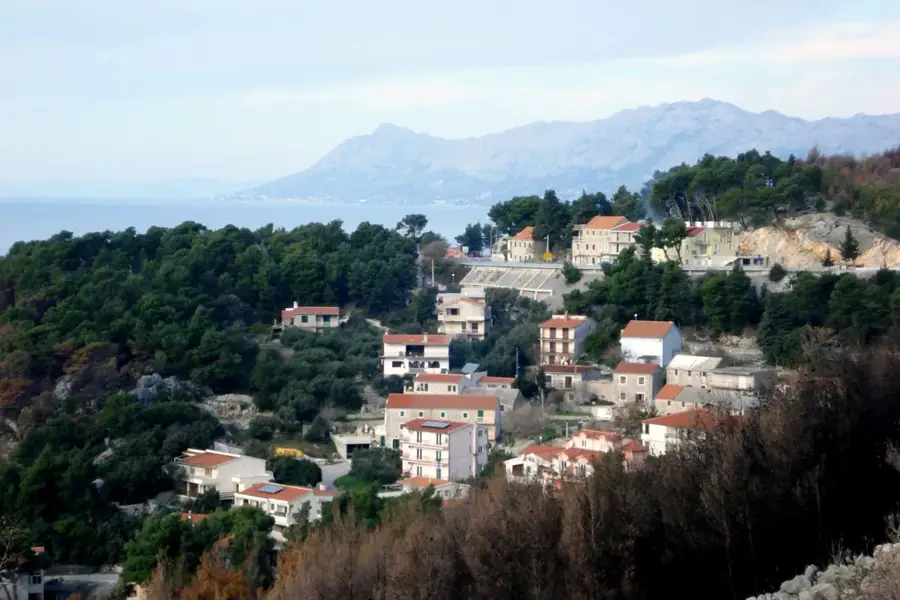
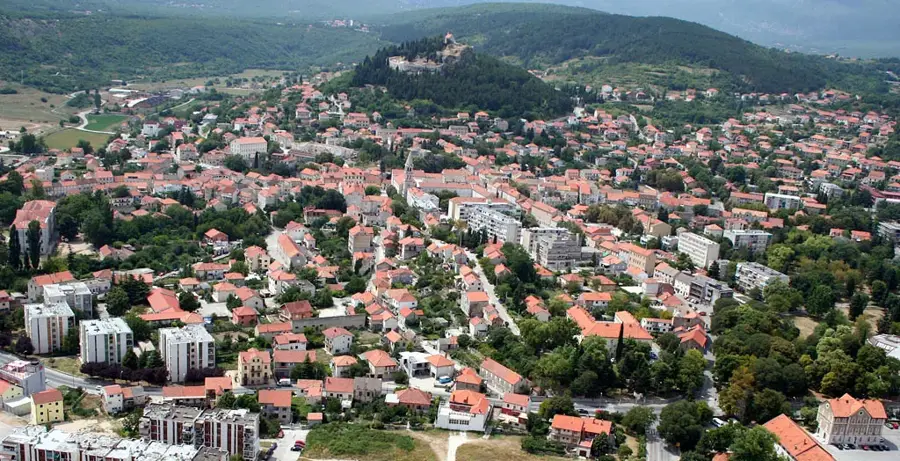
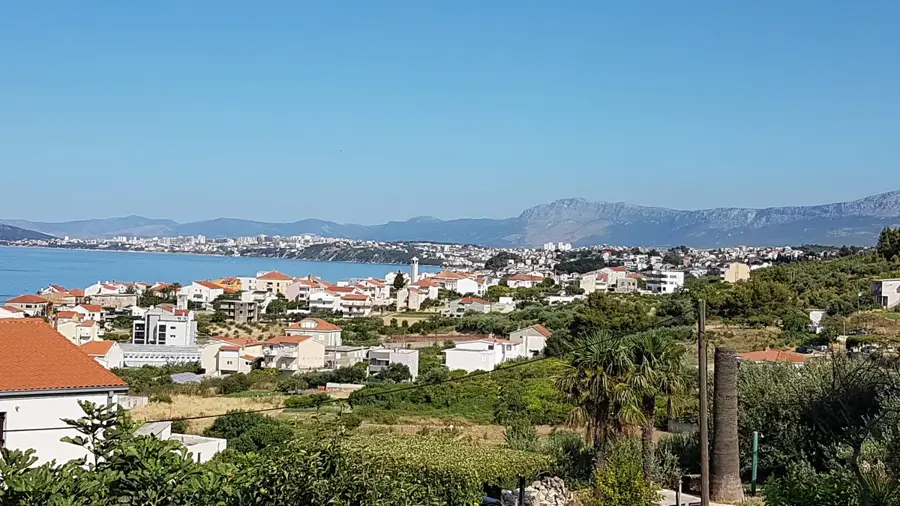
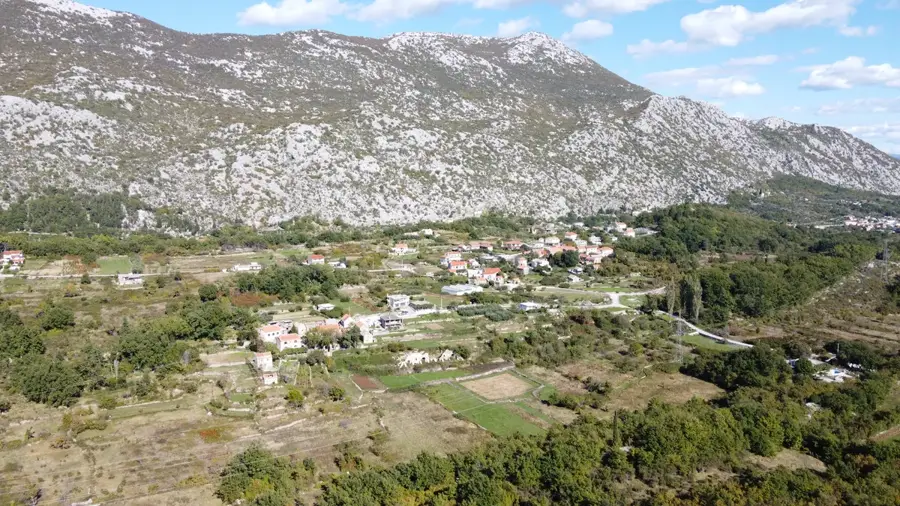
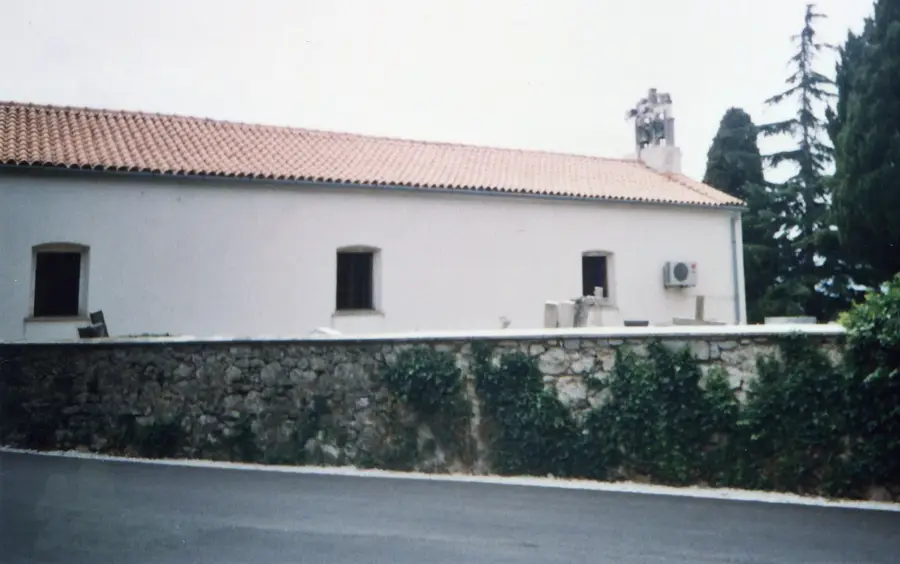
Lovreć is located in the Dalmatian Zagora, on a plateau between the Biokovo and Kamešnica mountains. The settlement's long history is documented by numerous Illyrian hillforts (gradine) and ancient finds. Particularly significant are the medieval tombstones known as stećci, which are part of a UNESCO World Heritage site and can be found at several locations within the municipality. For centuries, Lovreć was a vital crossroads on ancient trade routes connecting the coast to the hinterland. The landscape is characterized by impressive karst features such as sinkholes and caves. Local architecture consists primarily of traditional stone houses often enclosed by dry-stone walls (gromače). The local gastronomy features sheep's cheese, homemade pršut, and bread baked under the 'peka'. For hikers, the untouched nature of the Zagora provides many opportunities for exploration far from the tourist crowds. Lovreć is located directly on the D60 state road, about 30 kilometers from the Makarska Riviera.
- Location: Croatia
- Nearby: Studenci (4 km)
- Population: ~1.402
Best time to visit & climate
The most pleasant time to visit is Jun–Aug.
| Jan | Feb | Mar | Apr | May | Jun | Jul | Aug | Sep | Oct | Nov | Dec | |
|---|---|---|---|---|---|---|---|---|---|---|---|---|
| Avg °C | 3 | 4 | 7 | 11 | 15 | 20 | 24 | 24 | 18 | 13 | 9 | 4 |
| Rain mm | 93 | 88 | 80 | 68 | 57 | 50 | 28 | 38 | 80 | 87 | 123 | 117 |
Geography
Facts
- Dalmatian Zagora region
- Proximity to Biokovo mountain
- UNESCO Stećci sites
- Illyrian hillfort remains
- Karst plateau landscape
- Traditional stone construction
- Important historical junction
- Continental Mediterranean climate
Explore nearby
Notable places around
Route planner — Car & Motorhome
Where do you start? We build the route here, with stops and country notes along the way.
© OpenStreetMap contributors · OpenRouteService
Sights in the town Lovreć (1)
Frequently asked questions
Where is Lovreć located?
What is typical for the architecture in Lovreć?
Are there archaeological sites?
Is Lovreć suitable for active tourists?
How far is it to the coast?
Lovreć: where is it located?
Lovreć: when is the best time to visit?
Lovreć: why is it worth visiting?

Nearby cities