Plizio Visual Lab

Orinoco River
Plizio editorial teamData Sources
River
—°1
Orinoco River (Colombia)

Weather…

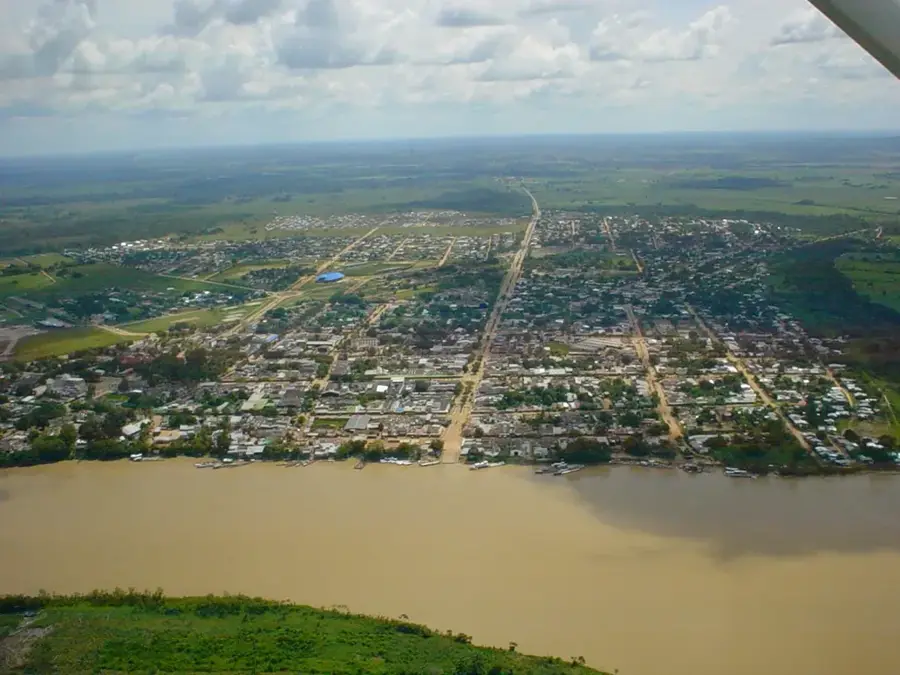
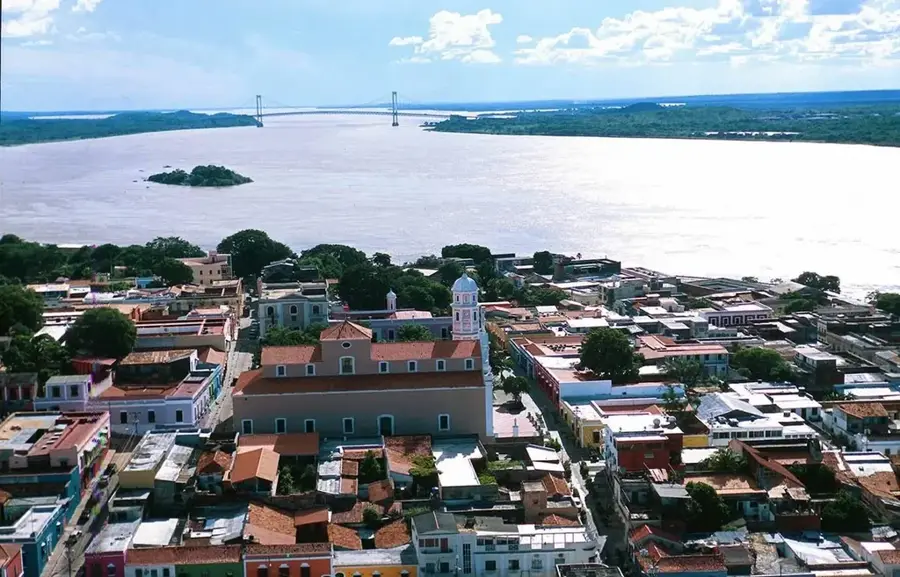
The Orinoco is one of South America's longest rivers, defining a 250-kilometer stretch of the natural border between Colombia and Venezuela. Its massive drainage basin encompasses the vast plains of the Llanos, an ecosystem renowned for its seasonal floods and diverse wildlife. Originating in the Parima Mountains of Venezuela, the river flows in a grand arc northeast toward the Atlantic Ocean. In Colombian territory, it is fed by major tributaries like the Meta, Guaviare, and Vichada rivers, which contribute significant water volume and sediment. Historically, the Orinoco served as a vital corridor for continental exploration and currently acts as a crucial commercial artery for Colombia's sparsely populated eastern departments. The Orinoco basin is a critical habitat for several endangered species, including the Orinoco crocodile and the giant otter. While the region's economic importance is rising due to oil exploration and agricultural expansion, these activities pose significant challenges to the preservation of its fragile riparian environments.

Best time to visit & climate

The most pleasant time to visit is Jan, Feb, Dec.

JanFebMarAprMayJunJulAugSepOctNovDec
Avg °C272929282625252526262626
Rain mm14165715127335135125917913110540

📋 Practical info

🧭
Getting there
Accessing this profoundly remote, wild frontier region is heavily time-consuming and quite expensive. It normally involves commercial domestic flights to very isolated border towns, followed immediately by extensive, often multi-day, and strictly guided riverboat navigation.
📅
Best season
The reliable regional dry season, generally running from December straight to March, is vastly preferred by experts. This is the only way to effectively avoid the massive, destructive flooding and utterly impassable, muddy conditions of the heavy wet season.
⛰️
Terrain & paths
The challenging natural environment is harsh and untamed, primarily consisting of dense tropical gallery forests and vast, flat floodplains. The incredibly muddy, steep riverbanks are exceptionally difficult to navigate safely without assistance, even for the experienced.
🎒
What to bring
A very comprehensive tropical survival kit is strictly required for this deep area. This crucially includes strong malaria precautions, heavy-duty jungle insect repellent, reliable water purification systems, and ultra-lightweight but highly effective tropical rain gear.
🅿️
Parking
Private overland vehicles are typically parked highly securely and left indefinitely at the established regional logistical hubs or major port towns. From these established bases, travelers must then painfully continue the remainder of the journey entirely by water.
⚠️
Safety
Deep in the aquatic jungle lurk omnipresent, highly significant health risks alongside the severe danger posed by aggressive wildlife. Because of this, traveling exclusively with very reputable, knowledgeable local guides and permanently carrying robust medical kits is utterly critical for survival.
⏱️
Time needed
Major, planned expeditions venturing far into this immeasurably vast and untamed deep river basin are truly massive logistical undertakings. They routinely and experientially last from at least several very intense days to well over an extremely demanding, thoroughly exhausting week.

Geography

Coordinates
5.06670, -67.81050

Facts

  • With a length of about 2,140 km, it is one of the longest rivers in South America.
  • Its drainage basin covers an area of nearly 1 million square kilometers.
  • The Orinoco crocodile is among the most critically endangered crocodilians globally.
  • Alexander von Humboldt conducted scientific explorations of the Orinoco in 1800.
  • The river discharges into the Atlantic via a massive delta of roughly 22,500 km².
  • The Guaviare river is the largest Colombian tributary of the Orinoco by volume.

Explore nearby

Notable places around

Route planner — Car & Motorhome

Where do you start? We build the route here, with stops and country notes along the way.

Vehicle
Only stops with (optional):

© OpenStreetMap contributors · OpenRouteService

Sights in the town Orinoco River (1)

Sipapo River📍 landmark

The Sipapo River is a tributary of the Orinoco, flowing through dense rainforest.

Sights nearby

Frequently asked questions

How long is the Orinoco?
It is approximately 2,140 km long and one of the world's most voluminous rivers.
Are there pink dolphins?
Yes, the Amazon river dolphin also inhabits the tributaries of the Orinoco.
Is the river navigable?
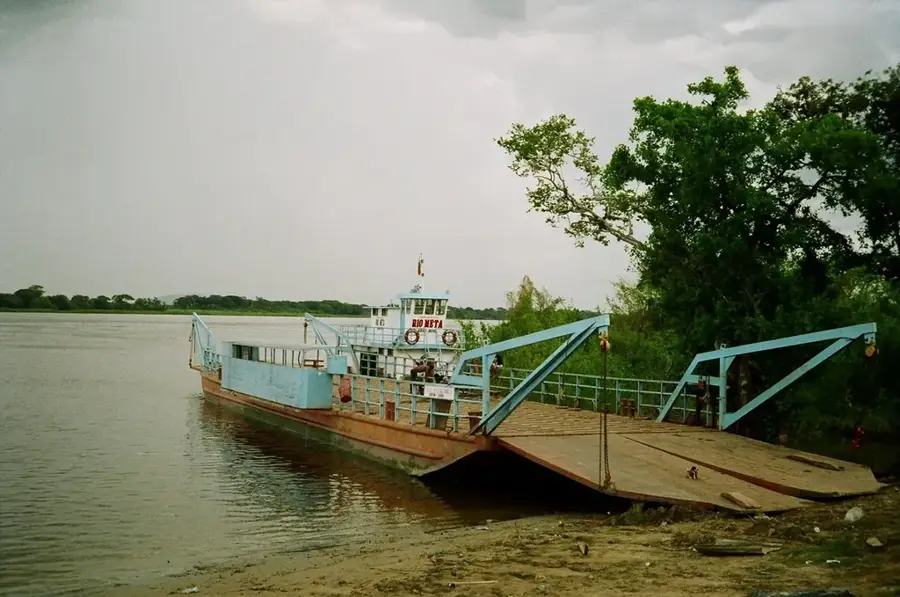
Large parts are navigable, playing a vital role in regional transportation.
When is the best time to visit?
The dry season from December to March is handy for wildlife spotting.
What fish live there?
Over 1,000 species, including piranhas and giant catfish.
Orinoco River: where is it located?
Orinoco River is located in Colombia.
Orinoco River: when is the best time to visit?
The most pleasant time to visit is Jan, Feb, Dec.
Orinoco River: why is it worth visiting?

The Orinoco is one of South America's longest rivers, defining a 250-kilometer stretch of the natural border between Colombia and Venezuela.
View on map → The Top 50 Attractions → OpenStreetMap →
South America
Explore with Plizio Discover more places in South America
More places in Colombia →

Nearby cities

Nature

More places