Plizio Visual Lab
Datong
ℹ️Practical info — Datong
▾
🌤 Weather — 5 days
📍 Nearby
Sights nearby
💡 Tips
- Arrive at the Yungang Grottoes right at opening time to beat the heavy domestic tour group crowds.
- The Hanging Temple involves narrow, steep stairs; it is not recommended if you have a severe fear of heights.
- Air quality can sometimes drop due to the regional coal industry, so checking an AQI app and having a mask handy is smart.
- Taxis are inexpensive and often much faster than local buses when traveling between the dispersed historical sites.
🍽 Food
Datong's signature knife-sliced noodles, typically served in a rich broth. Best eaten at small noodle houses around the old town.
A deeply flavorful, traditional soup enjoyed for breakfast, available in most morning markets.
A sticky, deep-fried cake made from yellow glutinous millet, found in traditional bakeries.
🛍 Shopping · 🧘 Quiet spots
Unique local souvenirs crafted from hard coal, depicting Buddhas and animals, found near major tourist sites.
A famous regional product; look for specialized vinegar shops in the reconstructed ancient city.
The reconstructed walls are beautifully illuminated and pleasantly uncrowded for a late evening walk or bike ride.
A massive, peaceful park in the new district, first-rate for a quiet stroll away from the historical center.
Water temperature…
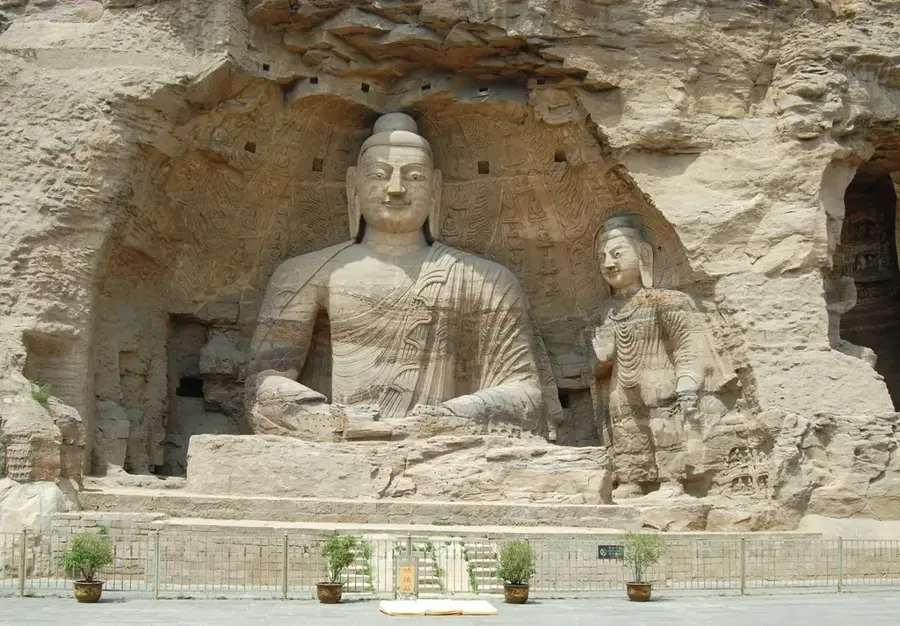
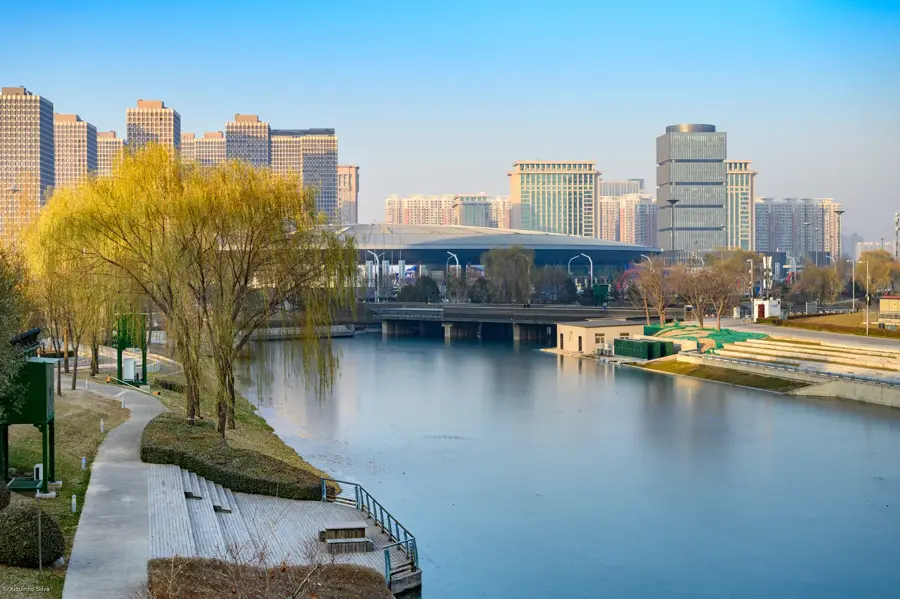
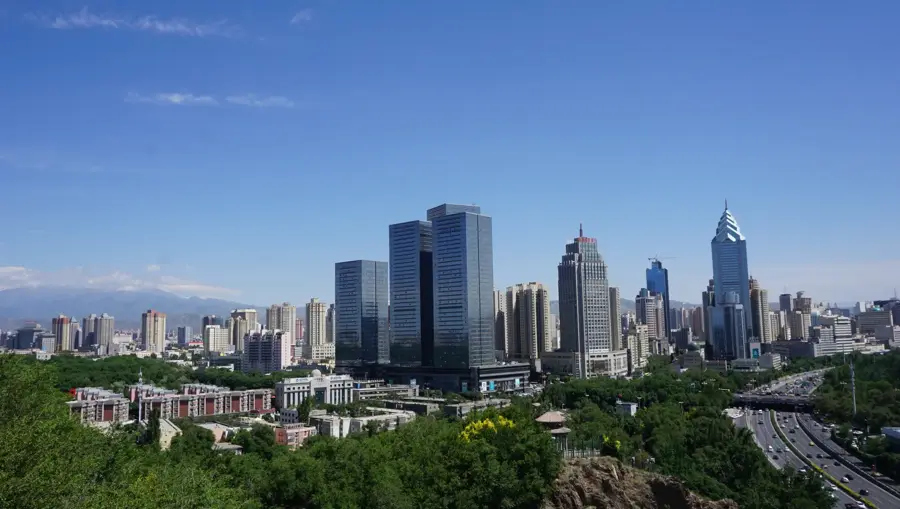
Datong, located in the northern part of Shanxi Province, was once the capital of the Northern Wei Dynasty and a major center of Buddhism in China. The city is world-famous for the Yungang Grottoes, a UNESCO World Heritage site containing over 51,000 Buddhist statues carved directly into the sandstone. Another distinctive landmark is the Nine-Dragon Wall, the largest and oldest of its kind in China, made of glazed bricks. Datong was historically a vital garrison town for protection against invasions from the steppe, evidenced by the impressive, reconstructed city wall. Geographically, the city sits in a basin on a high plateau and is known today as the "Coal Capital of China" due to its vast deposits of this resource. In recent years, Datong has undergone a massive urban transformation to emphasize its historical heritage while simultaneously modernizing its industry. The city serves as a gateway to Inner Mongolia and is a key hub for rail transport in northern China. Besides industry, tourism is increasingly becoming an economic factor, supported by the preservation of significant temple complexes like the Huayan Monastery.
- Location: China
- Top sights: This · This facility · Liang Sicheng Memorial Hall
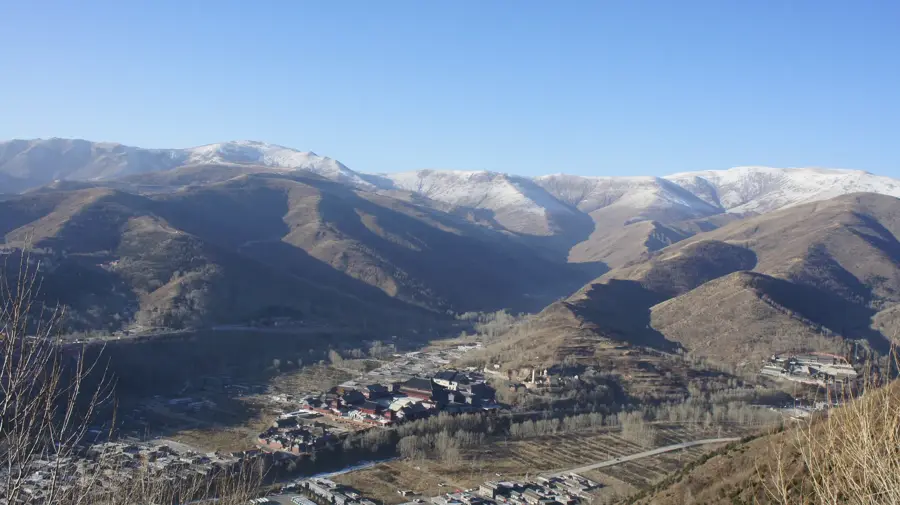
- Nearby: Mount Wutai (53 km)
- Population: ~1.850.000 (2025)
Best time to visit & climate
The most pleasant time to visit is Jun–Aug.
| Jan | Feb | Mar | Apr | May | Jun | Jul | Aug | Sep | Oct | Nov | Dec | |
|---|---|---|---|---|---|---|---|---|---|---|---|---|
| Avg °C | -11 | -6 | 0 | 8 | 15 | 20 | 22 | 20 | 15 | 7 | -2 | -10 |
| Rain mm | 3 | 5 | 9 | 23 | 38 | 63 | 105 | 87 | 65 | 27 | 11 | 3 |
Geography
Facts
- Capital of the Northern Wei Dynasty from 398 AD to 494 AD
- Yungang Grottoes feature statues ranging from 2 cm to 17 meters tall
- The Nine-Dragon Wall is over 45 meters long and 8 meters high
- City wall perimeter is approximately 7.2 kilometers long
- Contains one of China's largest open-pit coal mines
- Home to the Hanging Temple (Xuanzhong Monastery), built into a cliff nearby
Explore nearby
Notable places around
Route planner — Car & Motorhome
Where do you start? We build the route here, with stops and country notes along the way.
© OpenStreetMap contributors · OpenRouteService
Sights in the town Datong (8)
Frequently asked questions
What are the Yungang Grottoes?
What is the Hanging Monastery (Xuankong Temple)?
Is there a city wall in Datong?
What is the climate like in winter?
What is the Nine-Dragon Wall?
Datong: where is it located?
Datong: what is there to see?
Datong: when is the best time to visit?
Datong: why is it worth visiting?

Nearby cities
History & landmarks
More places