Plizio Visual Lab

Wudang Mountains Monasteries
Plizio editorial teamData Sources
historical-site
—°8
Wudang Mountains Monasteries (China)

Weather…

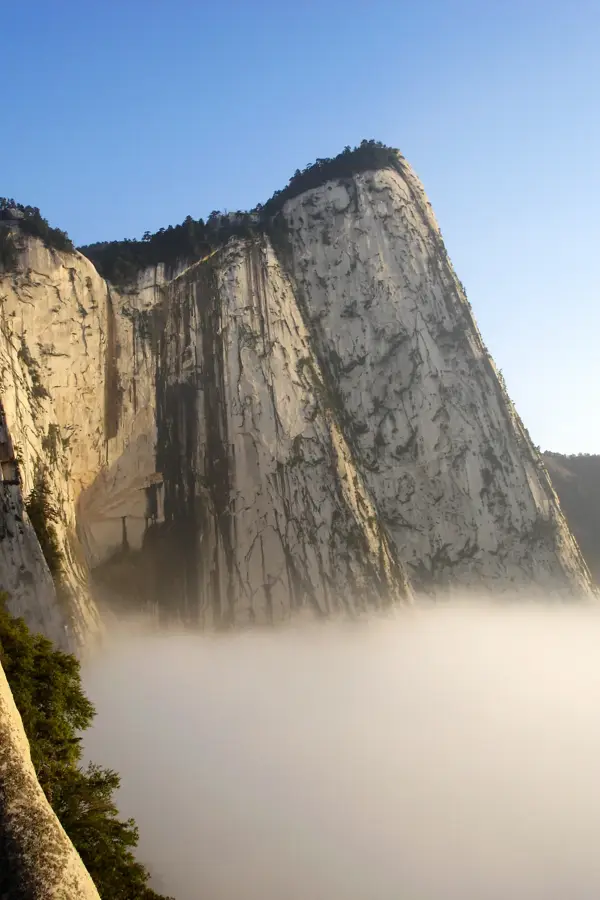
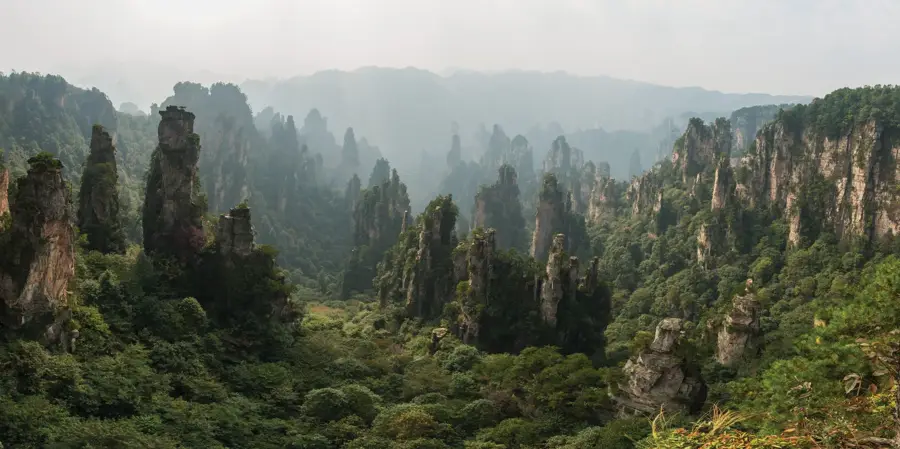
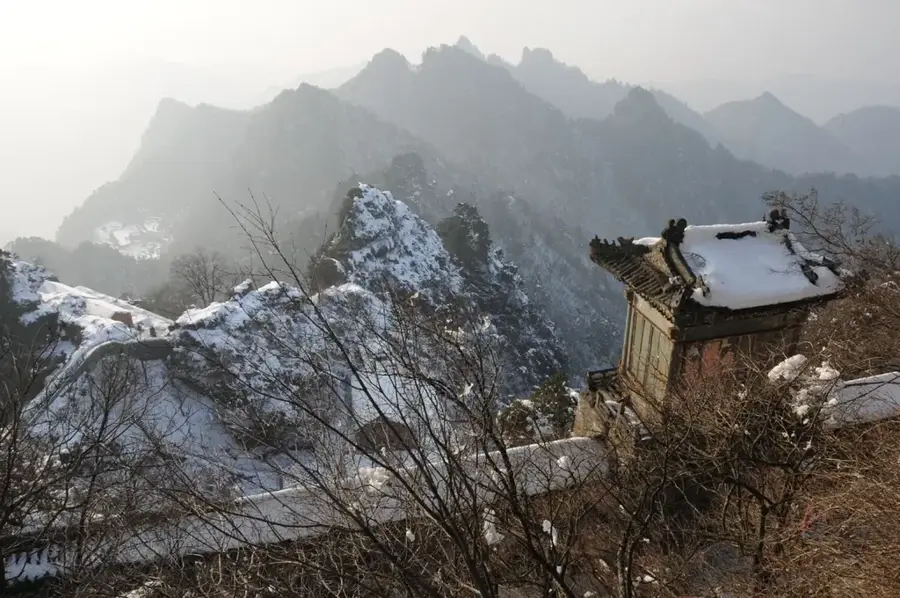
The Wudang Mountains in Hubei Province house an extraordinary complex of religious structures that represent the pinnacle of Chinese architectural achievement and the heart of Taoist culture. As the birthplace of internal martial arts like Tai Chi, Wudang became a focus of imperial patronage during the Ming Dynasty, particularly under Emperor Yongle, who commissioned over 300,000 workers to build 33 palace complexes and dozens of temples across the rugged slopes. The architecture follows Taoist principles of harmony, with buildings flowing along the natural contours of the mountainside rather than imposing upon it. The crowning jewel is the Golden Hall (Jinding), a magnificent structure cast entirely in bronze and gilded with gold, situated atop the range's highest peak since 1416. These monasteries have served as centers for meditation, astronomy, medicine, and philosophy for over a thousand years. Designated a UNESCO World Heritage site in 1994, the Wudang complexes remain a vital pilgrimage site and a testament to the enduring influence of Taoist thought on Chinese civilization.

Best time to visit & climate

The most pleasant time to visit is Apr, May, Sep.

JanFebMarAprMayJunJulAugSepOctNovDec
Avg °C14101621252826211693
Rain mm17213862979915013290663814

📋 Practical info

🚪
Visiting
The monasteries of the Wudang Mountains are open to visitors, though some temples may be closed for religious reasons or renovation. Many areas are accessible on foot but require climbing stairs.
🕒
Typical hours
Most temples are open daily roughly from 8:00 AM to 5:00 PM, with shorter hours in winter. These are guideline times; check exact hours on-site.
📷
Photography
Photography is generally allowed outdoors, but often prohibited or restricted inside the temples. Flash is not permitted in sacred spaces; follow posted signs.
⏱️
Time needed
Allow at least half a day to visit the main temples. Those wanting to explore the entire mountain range need a full day or more.
Combine with
Combine your visit with a stay in the city of Shiyan, which serves as a gateway. The region also has other Taoist sites and beautiful hiking trails.
🧭
Getting there
The main entrance to the Wudang Mountains is reachable by bus or taxi from Shiyan. From there, shuttle buses or cable cars take visitors to the higher temples.
💡
Insider tip
Wear comfortable hiking shoes as many paths are steep and uneven. Bring plenty of water because food and drinks are more expensive on the mountain.

Geography

Coordinates
32.40100, 111.00300

Facts

  • Emperor Yongle mobilized 300,000 soldiers and artisans for the 15th-century expansion.
  • The Golden Hall was cast in Beijing and transported to the summit in 1416.
  • The mountain range includes 33 major palace complexes and 72 peaks.
  • The highest summit, Tianzhu Peak, reaches an elevation of 1,612 meters.
  • Wudang is recognized as the origin point for internal Kung Fu and Tai Chi.
  • The complex was inscribed as a UNESCO World Heritage site in 1994.

Explore nearby

Notable places around
Route planner — Car & Motorhome

Where do you start? We build the route here, with stops and country notes along the way.

Vehicle
Only stops with (optional):

© OpenStreetMap contributors · OpenRouteService

Sights in the town Wudang Mountains Monasteries (8)

old bridge🏺 historical

The atmospheric stone ruins of an ancient bridge crossing a mountain stream within the sacred Wudang range.

Mount Wudang🌿 nature

A sacred Taoist mountain range famous as a center for martial arts and its collection of ancient monastic architecture.

Five-Dragon Temple🏺 historical

The archaeological remains of one of the earliest Taoist temples built on the slopes of Mount Wudang.

Purple Cloud Temple⛪ religious

The largest and best-preserved Taoist complex on Mount Wudang, featuring tiered halls and purple-tiled roofs.

Nanyan Temple⛪ religious

This spectacular Taoist temple is built directly into the steep cliff faces of the Nanyan Peak.

Soaring Cliff📍 landmark

This sacred Taoist site on the Wudang cliffs has a sweeping view over the mountain range.

Thunder God Temple📍 landmark

A Taoist temple in the Wudang Mountains dedicated to the worship of the Thunder God.

Yellow Dragon Cave📍 landmark

In this natural cave, legends say Taoist hermits practiced their alchemy.

Sights nearby

Frequently asked questions

Are the monasteries accessible to tourists?
Yes, most monasteries in the Wudang Mountains are open daily for visitors and pilgrims.
Can you learn martial arts there?
There are numerous schools in the area offering courses in Wudang Kung Fu and Tai Chi.
How do you get to the summit?
You can either climb thousands of steps or take the convenient cable car to the Golden Summit.
What is the best time to travel?
Spring and autumn offer pleasant temperatures and clear views of the temple complexes.
Is appropriate clothing required?
In temples, cover your shoulders and knees; sturdy footwear is recommended for the paths.
Wudang Mountains Monasteries: where is it located?
Wudang Mountains Monasteries is located in China.
Wudang Mountains Monasteries: what is there to see?
Highlights include old bridge, Mount Wudang, Five-Dragon Temple.
Wudang Mountains Monasteries: when is the best time to visit?
The most pleasant time to visit is Apr, May, Sep.
Wudang Mountains Monasteries: why is it worth visiting?

The Wudang Mountains in Hubei Province house an extraordinary complex of religious structures that represent the pinnacle of Chinese architectural achievement and the heart of Taoist culture.
View on map → The Top 50 Attractions → OpenStreetMap →
Asia
Explore with Plizio Discover more places in Asia
More places in China →

More places