Plizio Visual Lab
Bouar Megaliths
Weather…
Water temperature…
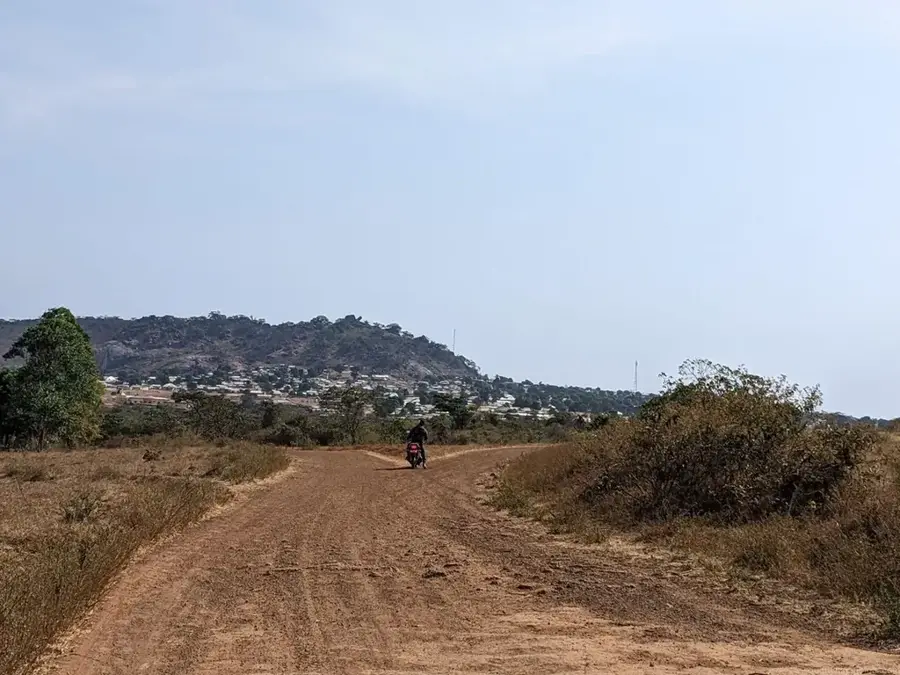
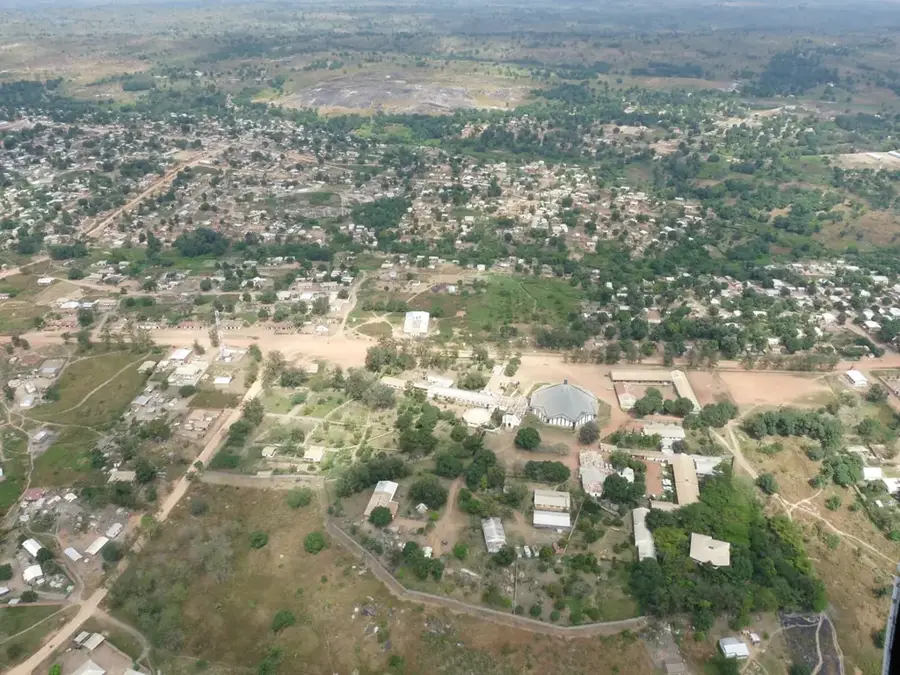
The Megaliths of Bouar, locally known as Tajunu, are an extensive collection of prehistoric stone monuments dating back to the late Neolithic period. Archaeological evidence suggests that the oldest structures were erected between 3500 and 2700 BC, making them the most significant megalithic sites in Central Africa. These monuments consist of upright granite stelae, often arranged over burial chambers or ritual spaces. Geographically, the megaliths are scattered across the Bouar plateau in the western part of the Central African Republic, with hundreds of individual structures identified across the landscape. These monumental constructions point to a complex social organization and sophisticated funerary rites belonging to an ancient culture that thrived millennia ago. The Tajunu culture is believed to have been closely associated with early ironworking in the region, providing vital insights into African prehistory. In 2006, the Megaliths of Bouar were added to the UNESCO World Heritage Tentative List in recognition of their outstanding cultural importance. Despite their historical weight, many of these ancient sites are currently threatened by environmental erosion and human encroachment, highlighting the need for preservation efforts.
- Location: Central African Republic
- Top sights: Diocese of Bouar · Bouar
- Nearby: Abba (38 km)
Best time to visit & climate
The most pleasant time to visit is Jan, Nov, Dec.
| Jan | Feb | Mar | Apr | May | Jun | Jul | Aug | Sep | Oct | Nov | Dec | |
|---|---|---|---|---|---|---|---|---|---|---|---|---|
| Avg °C | 24 | 26 | 27 | 25 | 25 | 23 | 22 | 22 | 22 | 23 | 23 | 23 |
| Rain mm | 3 | 18 | 99 | 120 | 154 | 196 | 278 | 265 | 284 | 189 | 29 | 3 |
📋 Practical info
Geography
Facts
- The oldest megaliths in Bouar date back to approximately 3500 BC.
- The structures are known by the local term Tajunu.
- Hundreds of upright granite stelae are distributed across the Bouar plateau.
- The monuments were primarily used to mark prehistoric burial chambers.
- Bouar is a key site for studying the transition to ironworking in Africa.
- The megaliths have been on the UNESCO Tentative List since 2006.
Explore nearby
Notable places around


Route planner — Car & Motorhome
Where do you start? We build the route here, with stops and country notes along the way.
© OpenStreetMap contributors · OpenRouteService
Sights in the town Bouar Megaliths (2)
Sights nearby
Frequently asked questions
What are the Megaliths of Bouar?
How many such sites exist?
Are they part of the World Heritage?
How do you get to the stones?
Is photography allowed there?
Bouar Megaliths: where is it located?
Bouar Megaliths: what is there to see?
Bouar Megaliths: when is the best time to visit?
Bouar Megaliths: why is it worth visiting?

Nearby cities
More places