Plizio Visual Lab
Santa Luzia Eco-Research Station
Weather…
Water temperature…
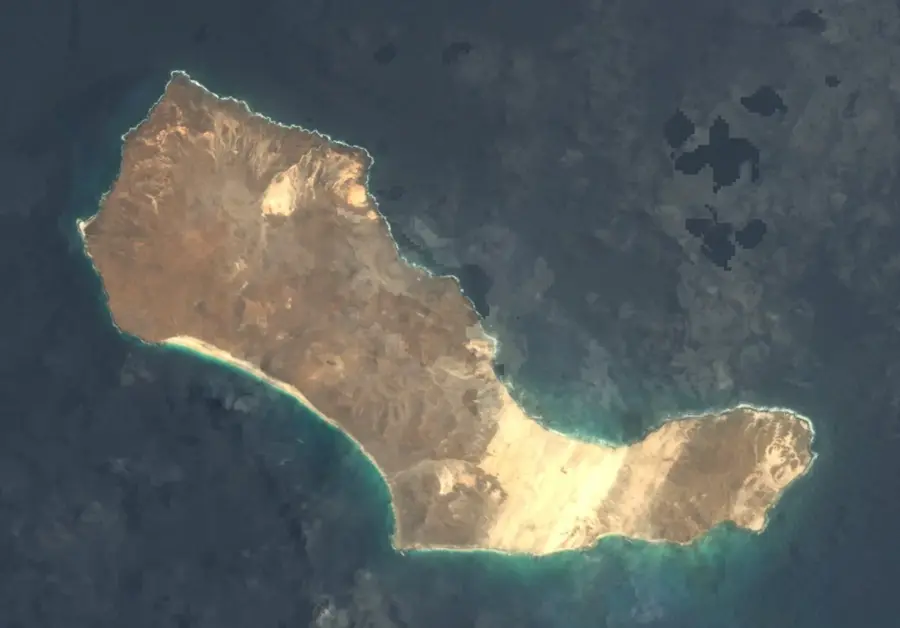
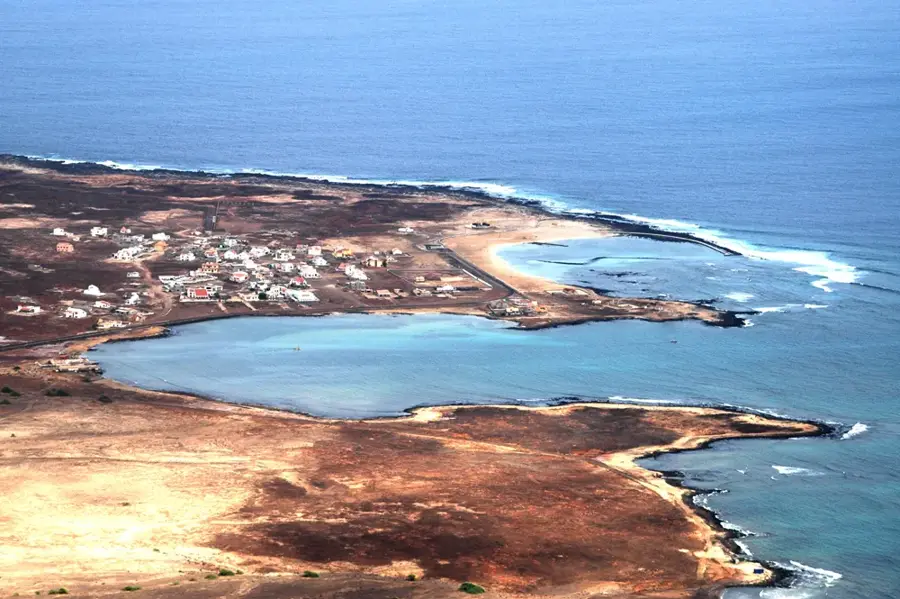
The Eco-Research Station on the uninhabited island of Santa Luzia is a premier facility for environmental conservation in the Cape Verde archipelago. As the island has been designated a strict nature reserve since 1990, the center's mission focuses on the preservation of endemic species such as the Cape Verde giant skink and various rare seabird colonies. Scientists at the station conduct extensive research on the marine ecosystems of the channel between Santa Luzia and São Vicente, a region known for its significant fish stocks and biological diversity. The facility serves as a vital base for monitoring operations designed to prevent illegal fishing and to protect the nesting sites of loggerhead sea turtles along the pristine white sand beaches. Due to its complete isolation, the center provides a controlled environment for studying the long-term effects of climate change on fragile island habitats. The station is entirely self-sufficient, powered by advanced solar energy systems and operating under rigorous ecological protocols to ensure minimal human impact. Its research output is of international importance for global efforts to maintain biodiversity in the Central Atlantic.
- Location: Cape Verde
- Nearby: Baia das Gatas (23 km)
📋 Practical info
Geography
Facts
- Santa Luzia was officially declared a strict nature reserve in 1990.
- The island covers a total land area of approximately 35 square kilometers.
- The center monitors the nesting sites of loggerhead sea turtles.
- The research station is 100% powered by renewable solar energy.
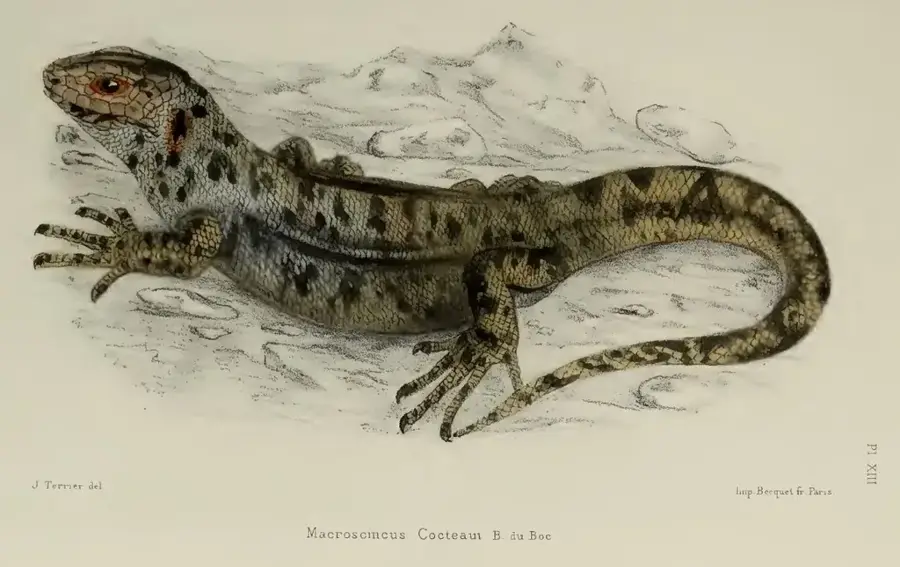
- Scientists here protect the rare and endemic Cape Verde giant skink.
- The station is located 10 kilometers southeast of São Vicente island.
Explore nearby
Notable places around
Route planner — Car & Motorhome
Where do you start? We build the route here, with stops and country notes along the way.
© OpenStreetMap contributors · OpenRouteService
Sights in the town Santa Luzia Eco-Research Station (1)
Sights nearby
Frequently asked questions
Can you visit the eco-center?
What is researched there?
How do you get to Santa Luzia?
Is there accommodation on the island?
What should you bring for a day trip?
Santa Luzia Eco-Research Station: where is it located?
Santa Luzia Eco-Research Station: why is it worth visiting?

Nearby cities
History & landmarks
More places