Plizio Visual Lab
Gitega
ℹ️Practical info — Gitega
▾
🌤 Weather — 5 days
📍 Nearby
Sights nearby
💡 Tips
- Gitega is in the highlands, so evenings can be cooler than in Bujumbura; pack a light jacket.
- Moto-taxis (boda-bodas) are the fastest way around, but always agree on the fare before hopping on.
- Visit the nearby Gishora Drum Sanctuary in the late afternoon for the best light and atmosphere.
- Cash is essential; ATMs can be unreliable, so carry enough local currency.
- Dress modestly when walking around the city center, as it is the administrative capital.
🍽 Food
Though inland, look for local restaurants serving these Lake Tanganyika fish specialties, often with beans and plantains.
Enjoy locally grown highland tea at small cafes near the administrative buildings.
Grilled meat skewers are a staple street food, best enjoyed with a cold local beer at evening stalls.
🛍 Shopping · 🧘 Quiet spots
The main hub for fresh produce, textiles, and everyday goods. Be prepared to bargain gently.
Look for local pottery and woven baskets, which the region is known for, often sold by artisans near the center.
A peaceful area to walk around after viewing the exhibits on Burundian history.
Take a short walk to the outskirts for panoramic views of the central plateau.
Water temperature…
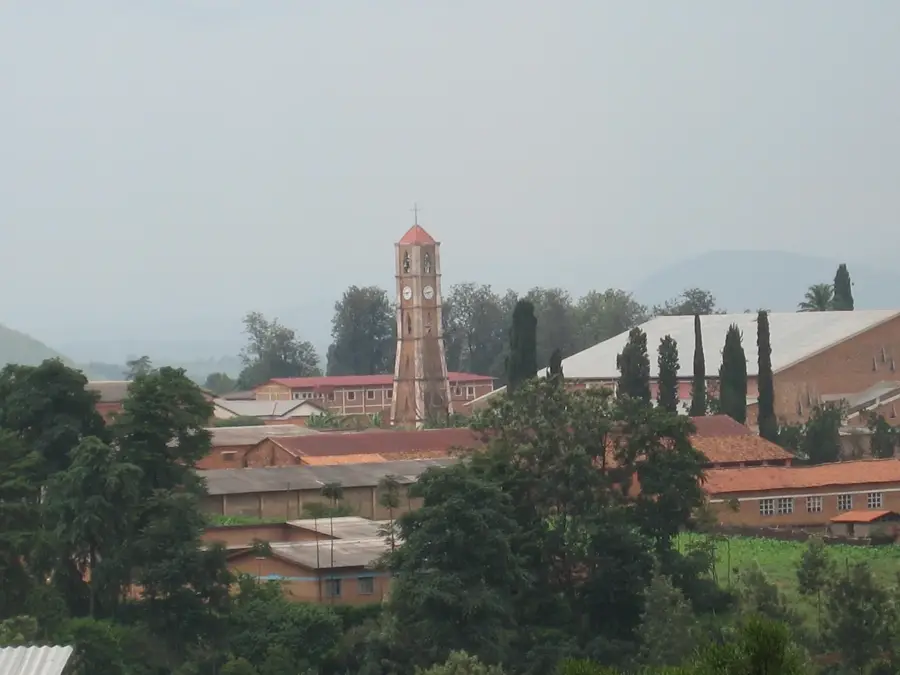
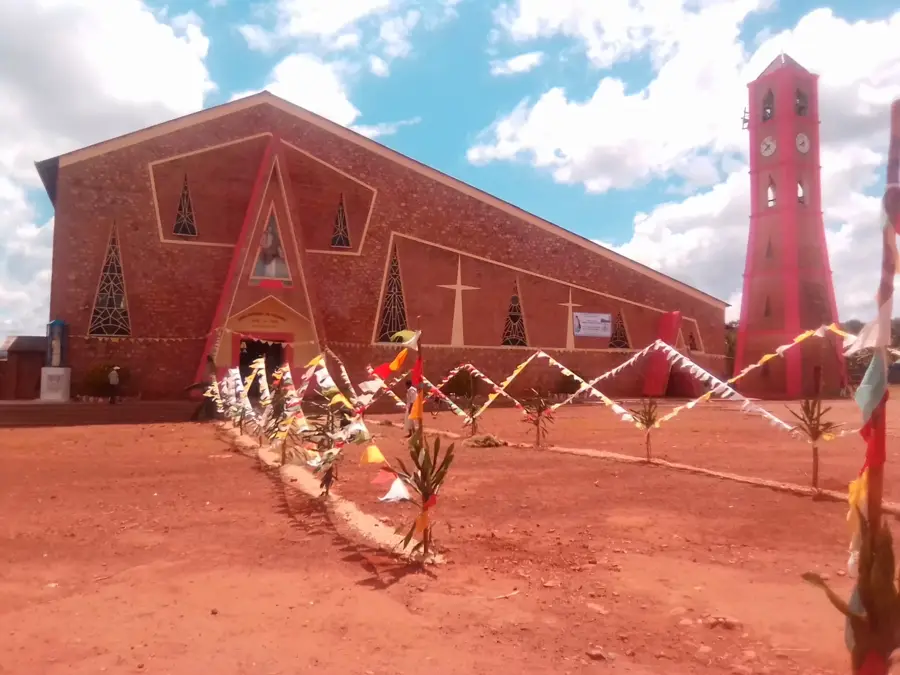
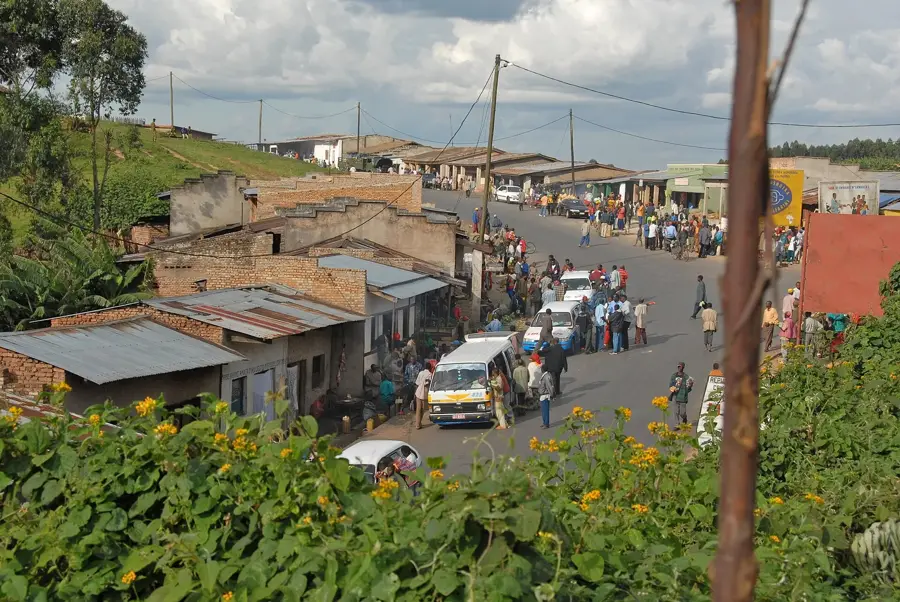
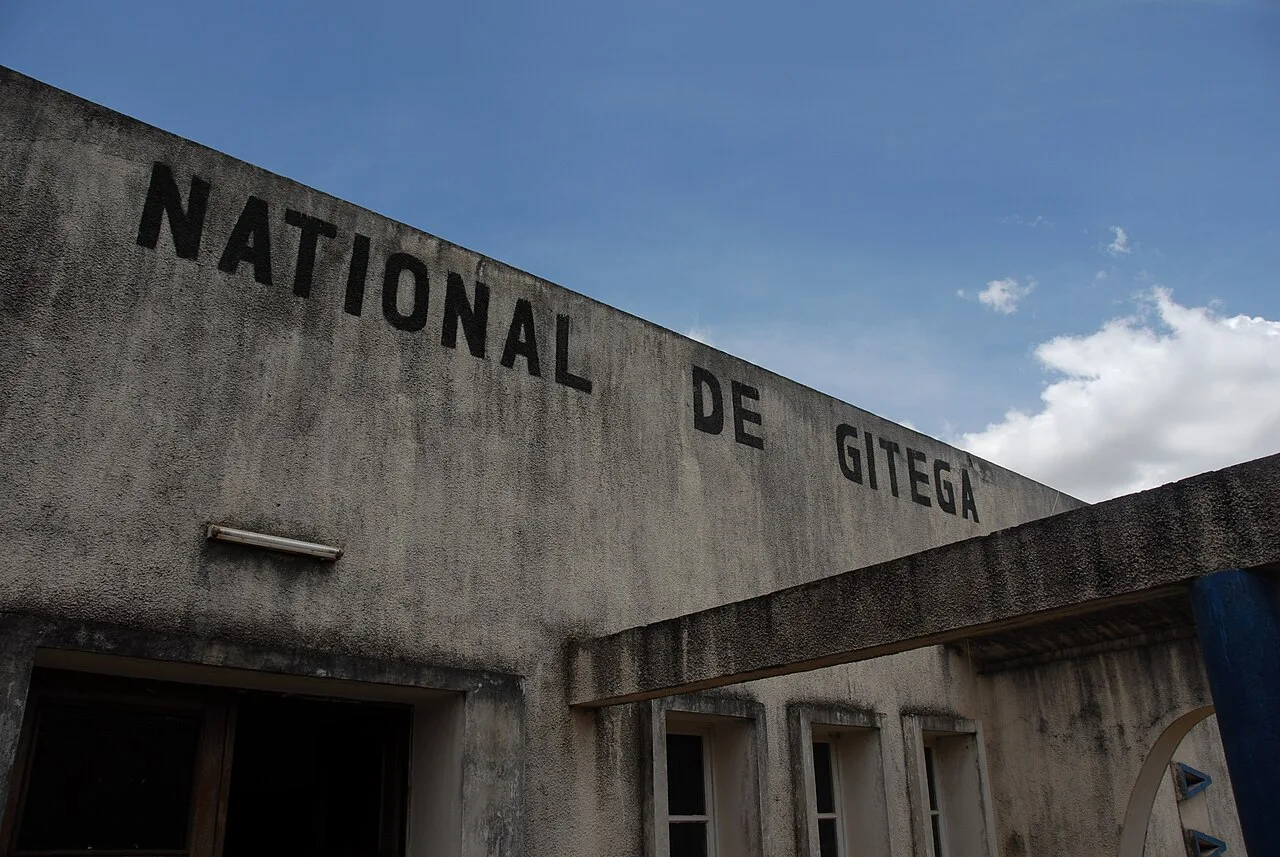
Gitega, established as the official political capital of Burundi in 2019, stands as the nation's second-largest city and its spiritual anchor. Perched on a plateau in the central highlands at an altitude of approximately 1,500 meters, it gives a strategic central location that facilitates governance across the diverse provinces. Historically, Gitega served as the seat of the Burundian monarchy (the Mwami) and remains the traditional heartland of the country's culture. This historical significance is encapsulated in the National Museum of Gitega, which showcases a profound collection of ethnographic artifacts and remains the primary repository of Burundian history. The city is world-renowned for its connection to the royal drummers of Burundi, whose performances are a masterpiece of oral and intangible heritage. Economically, Gitega functions as a vital hub for the agricultural sector, particularly the coffee industry, which benefits from the high altitude and fertile volcanic soils of the surrounding hills. The city's recent elevation to capital status has triggered a wave of infrastructural expansion, including the construction of government buildings, improved road networks, and new residential zones designed to accommodate the influx of civil servants and diplomats. Education is another cornerstone of Gitega’s identity, with institutions such as the Polytechnic University of Gitega providing high-level technical training. The religious landscape is prominent, featuring large cathedrals and mission stations that have historically influenced social development in the region. Unlike the sprawling commercial bustle of Bujumbura, Gitega has a more organized and serene environment, surrounded by the easy on the eye undulating hills that define Burundi's 'Switzerland of Africa' reputation. The ongoing development of Gitega is a cornerstone of the national strategy to promote balanced regional growth and decentralize power, ensuring the city's future as the modern administrative nerve center of Burundi.
- Location: Burundi
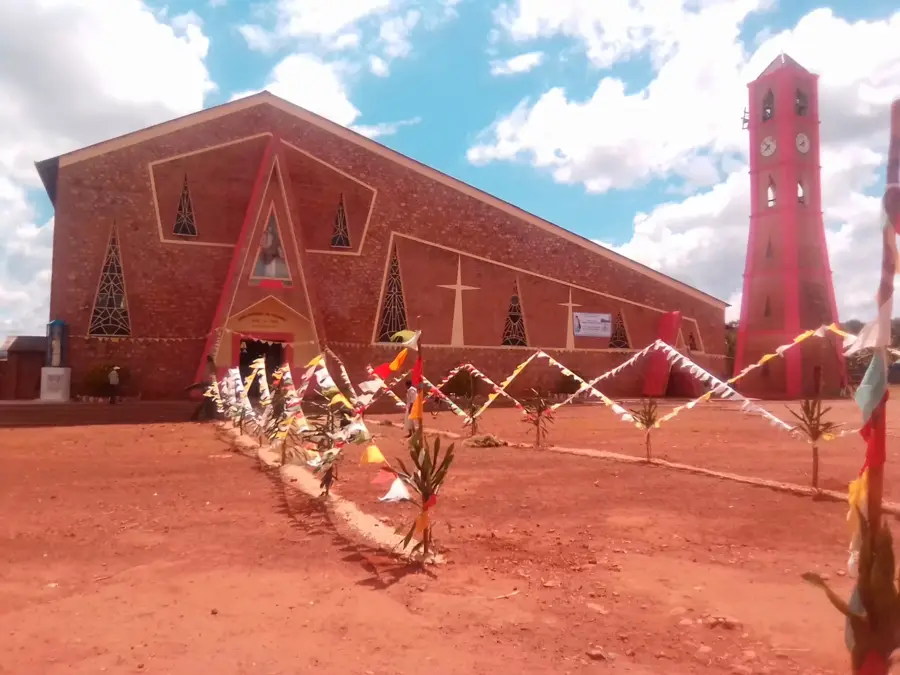
- Top sights: Magasin Notre-Dame de Fatima · Cultural Centre Gitega · Cathédrale du Christ-Roi
- Nearby: Giheta (8 km)
- Population: ~64.904 (2023)
Best time to visit & climate
The most pleasant time to visit is Jul–Sep.
| Jan | Feb | Mar | Apr | May | Jun | Jul | Aug | Sep | Oct | Nov | Dec | |
|---|---|---|---|---|---|---|---|---|---|---|---|---|
| Avg °C | 19 | 20 | 20 | 19 | 18 | 17 | 17 | 19 | 20 | 20 | 19 | 19 |
| Rain mm | 171 | 137 | 182 | 170 | 74 | 16 | 9 | 22 | 40 | 99 | 240 | 178 |
Geography
Facts
- Gitega is situated at an elevation of 1,502 meters above sea level.
- The city was founded by German colonial forces in 1912 as a regional administrative seat.
- Official capital status was restored to Gitega by the Burundian government in 2019.
- The Gitega National Museum is the country's primary public history institution.
- It serves as a major logistics hub for the redistribution of goods to the eastern provinces.
- Gitega is the headquarters for the state-owned coffee processing industries.
- The city is famous for its vibrant markets and traditional weaving crafts.
- Gitega’s central location makes it the intersection for the country’s main highway network.
Explore nearby
Notable places around


Route planner — Car & Motorhome
Where do you start? We build the route here, with stops and country notes along the way.
© OpenStreetMap contributors · OpenRouteService
Sights in the town Gitega (3)
Frequently asked questions
What is the main attraction in Gitega?
Why is Gitega important?
Can you see the royal drummers?
What is the climate like?
Are there hotels in Gitega?
Gitega: where is it located?
Gitega: what is there to see?
Gitega: when is the best time to visit?
Gitega: why is it worth visiting?

Nearby cities

History & landmarks
More places