Plizio Visual Lab
Samana Cay
Weather…
Water temperature…
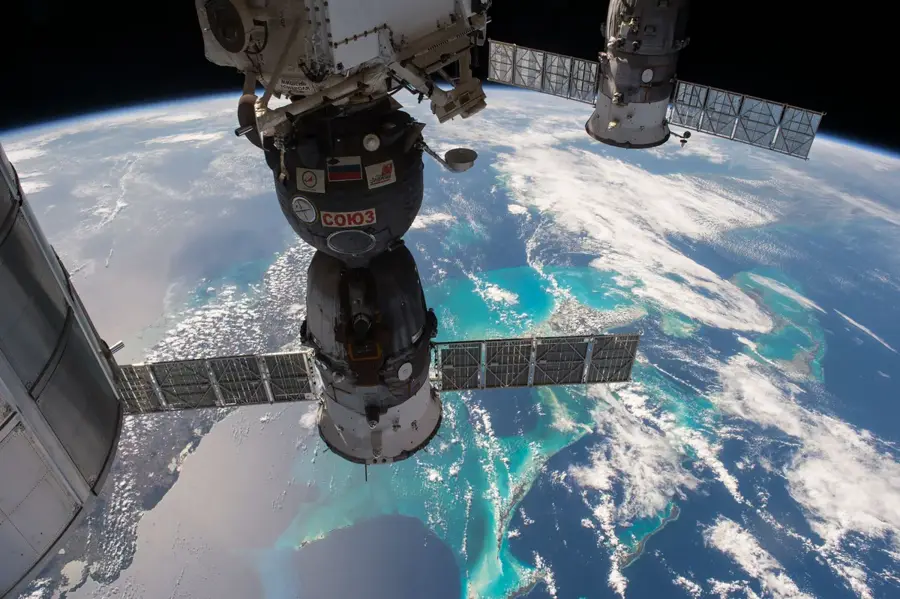
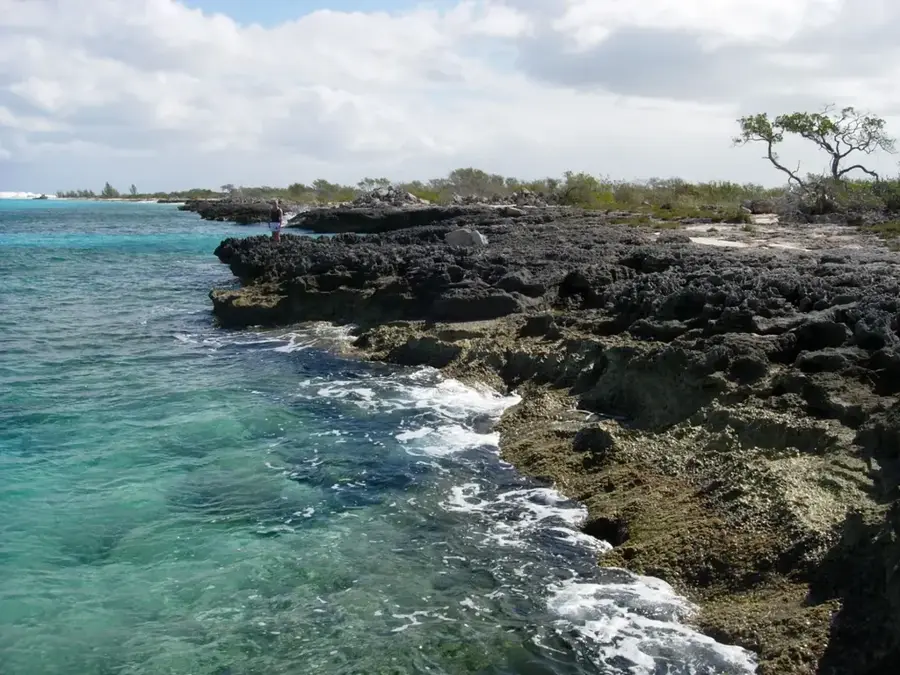
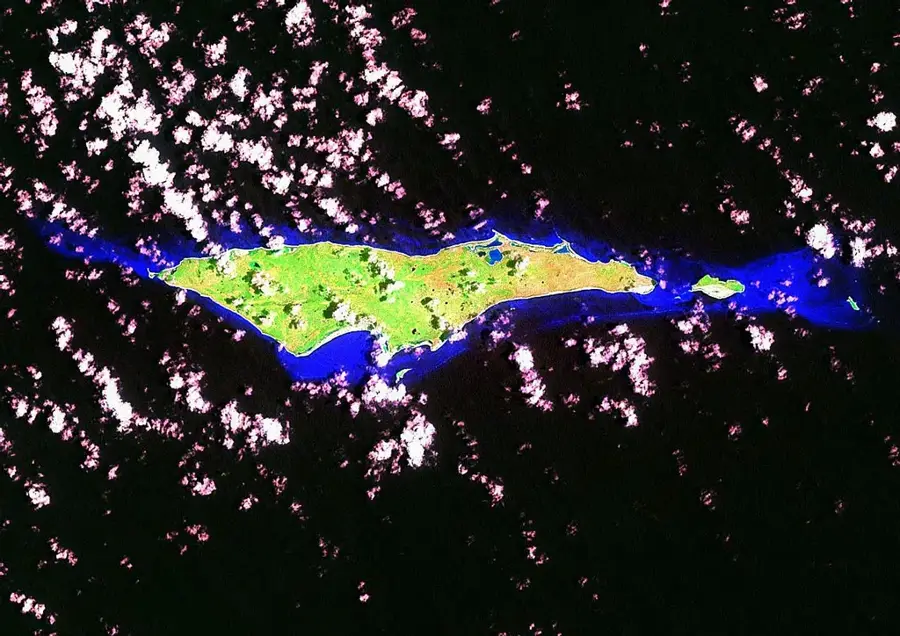
Samana Cay is an uninhabited island in the eastern Bahamas, stretching approximately 9 miles long and 2 miles wide. Geographically isolated between Acklins and Mayaguana, it gained international prominence in 1986 when Joseph Judge proposed in National Geographic that it was the site of Christopher Columbus's first landfall in 1492, identified as Guanahani. The island's terrain is characterized by rugged limestone ridges, dense scrubland, and extensive fringing reefs that make maritime access difficult. While it lacks permanent residents, it is periodically visited by inhabitants of nearby islands to harvest the bark of the cascarilla tree, a key ingredient in aromatic bitters and liqueurs. Environmentally, Samana Cay serves as a crucial sanctuary for the endangered Bahamian rock iguana and various migratory seabirds that utilize its undisturbed coastlines for nesting and foraging.
- Location: Bahamas
- Nearby: Pirate's Well (45 km)
Best time to visit & climate
The most pleasant time to visit is Jan–Mar.
| Jan | Feb | Mar | Apr | May | Jun | Jul | Aug | Sep | Oct | Nov | Dec | |
|---|---|---|---|---|---|---|---|---|---|---|---|---|
| Avg °C | 25 | 24 | 24 | 25 | 26 | 28 | 28 | 29 | 29 | 28 | 27 | 26 |
| Rain mm | 29 | 20 | 20 | 30 | 69 | 53 | 37 | 46 | 65 | 101 | 73 | 33 |
📋 Practical info
Geography
Facts
- The island encompasses a total land area of approximately 45 square kilometers.
- In 1986, Samana Cay was proposed as the site of Columbus's first landfall in the Americas.
- It is one of the world's primary locations for harvesting cascarilla bark.
- The absence of natural freshwater springs has kept the island permanently uninhabited.
- The cay is a designated sanctuary for the endangered Bahamian rock iguana.
- Archaeological evidence points to a pre-Columbian settlement by the Lucayan people.
Explore nearby
Notable places around


Route planner — Car & Motorhome
Where do you start? We build the route here, with stops and country notes along the way.
© OpenStreetMap contributors · OpenRouteService
Sights nearby
Frequently asked questions
Where is Samana Cay located?
Why is the island historically significant?
Can you stay overnight?
What is the terrain like?
What birds nest here?
Samana Cay: where is it located?
Samana Cay: when is the best time to visit?
Samana Cay: why is it worth visiting?
Nearby cities
Nature
More places