Plizio Visual Lab
Lake Rosa
Weather…
Water temperature…
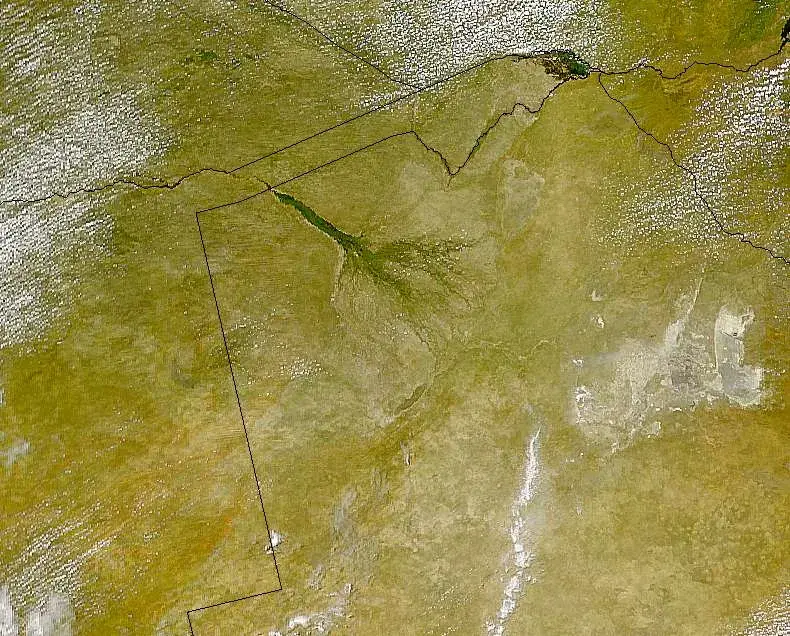
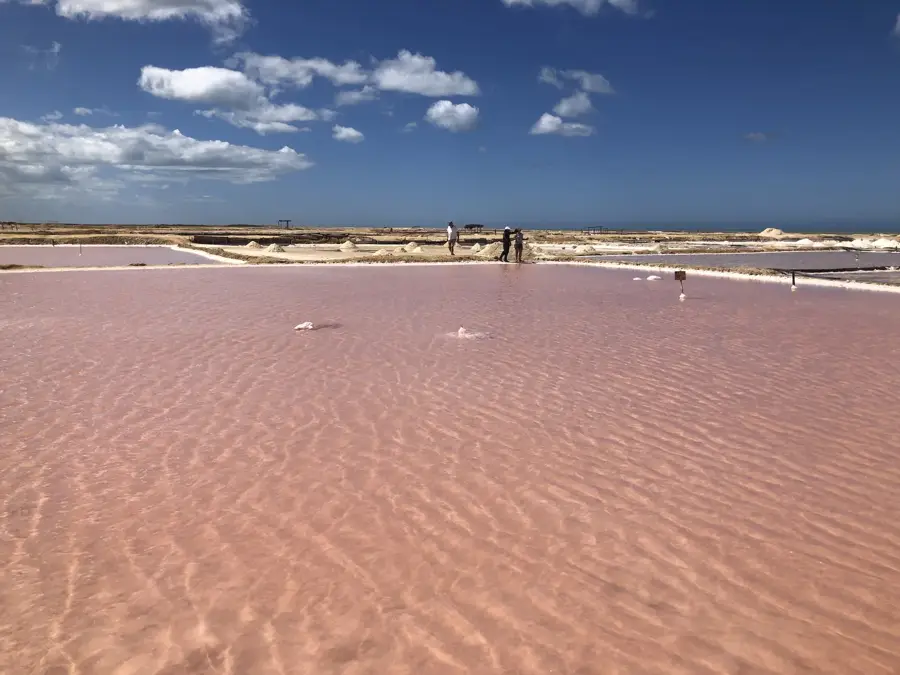
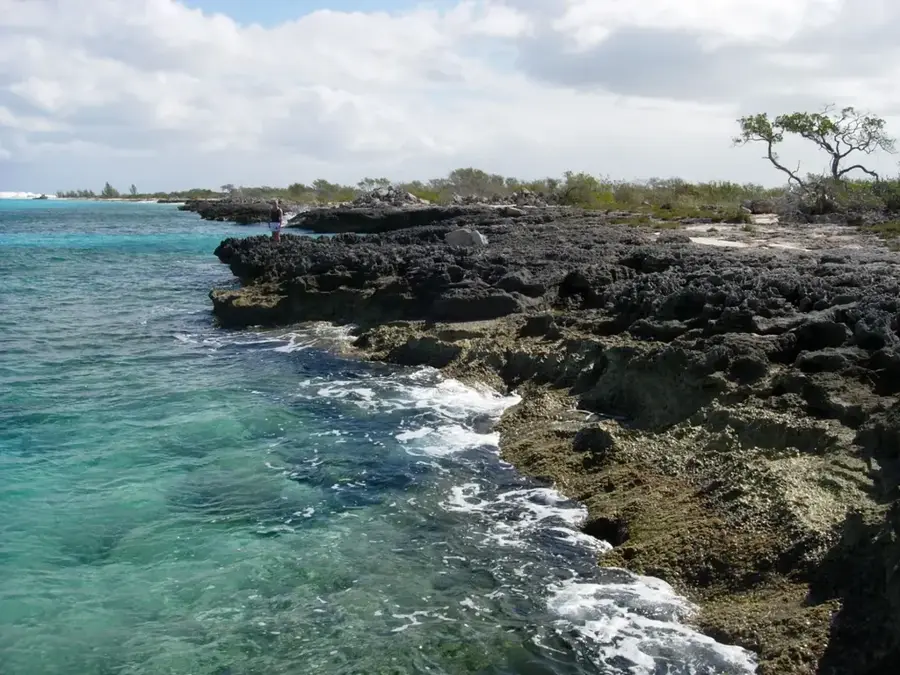
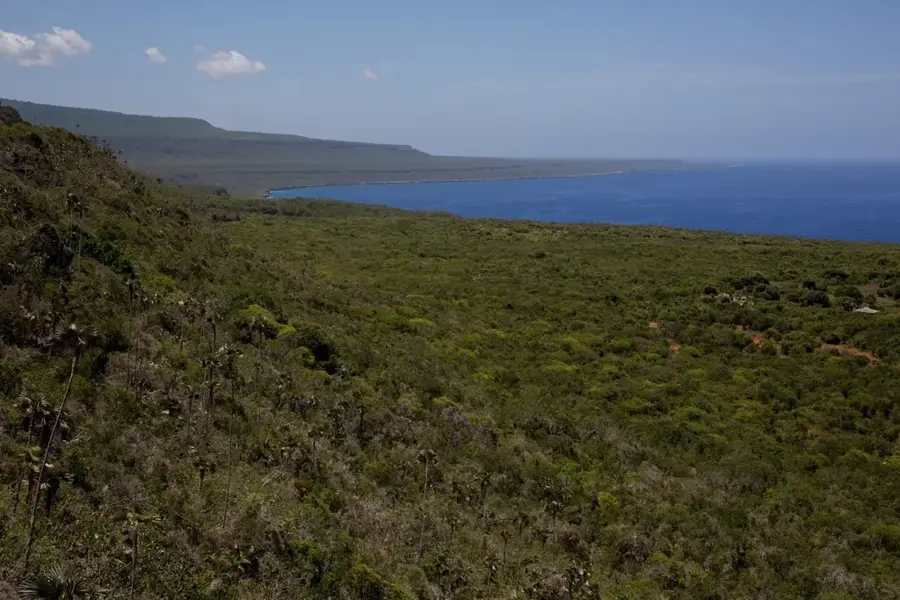
Lake Rosa, also known as Lake Windsor, is the largest lake on Great Inagua Island and a cornerstone of the regional ecosystem. Spanning approximately 19 kilometers in length, it is a hypersaline body of water created by the natural evaporation of seawater in low-lying basins. The lake serves as the primary nesting and feeding ground for the world's largest population of West Indian flamingos, with bird numbers surging during the breeding season. Since 1963, the area surrounding the lake has been protected as part of the Inagua National Park, managed by the Bahamas National Trust. Geologically, the shallow lake is a remnant of ancient marine lagoons and is partially integrated into industrial salt production today. The hypersaline environment supports specialized microorganisms and brine shrimp, which are the main food source for the resident flamingos. In addition to flamingos, Lake Rosa provides a vital habitat for spoonbills, herons, and the endemic Inagua turtle. The preservation of this wetland is of international significance under the Ramsar Convention on Wetlands.
- Location: Bahamas
- Nearby: Matthew Town (11 km)
Best time to visit & climate
The most pleasant time to visit is Jan–Mar.
| Jan | Feb | Mar | Apr | May | Jun | Jul | Aug | Sep | Oct | Nov | Dec | |
|---|---|---|---|---|---|---|---|---|---|---|---|---|
| Avg °C | 25 | 25 | 25 | 26 | 27 | 28 | 29 | 29 | 29 | 28 | 27 | 26 |
| Rain mm | 35 | 22 | 30 | 38 | 92 | 70 | 47 | 66 | 94 | 135 | 78 | 40 |
📋 Practical info
Geography
Facts
- The lake reaches a maximum length of about 19 kilometers.
- Lake Rosa is a hypersaline environment with very high salt levels.
- More than 80,000 flamingos utilize the lake for breeding.
- The lake has been part of Inagua National Park since 1963.
- It is designated as a wetland of international importance under Ramsar.
- The lake is a vital source of brine shrimp for Caribbean flamingos.
Explore nearby
Notable places around

Route planner — Car & Motorhome
Where do you start? We build the route here, with stops and country notes along the way.
© OpenStreetMap contributors · OpenRouteService
Sights nearby
Frequently asked questions
Why is Lake Rosa famous?
Is the water salty?
Are you allowed to swim in the lake?
How big is the lake?
Are there other animals there?
Lake Rosa: where is it located?
Lake Rosa: when is the best time to visit?
Lake Rosa: why is it worth visiting?
Nearby cities
More places