Plizio Visual Lab
Luanda
ℹ️Practical info — Luanda
▾
🌤 Weather — 5 days
📍 Nearby
Sights nearby
💡 Tips
- Traffic in Luanda is notoriously heavy; travel during off-peak hours or use a driver.
- The local currency (Kwanza) can be hard to exchange outside Angola; spend what you have before leaving.
- For the best views of the city, visit the Fortaleza de São Miguel in the late afternoon.
- Stroll along the Marginal de Luanda at sunset for an animated, safe coastal walk.
🍽 Food
Traditional chicken stew with palm oil, best tried at traditional local restaurants in the Ilha do Cabo area.
Grilled lobster or prawns at the beachfront restaurants on the Ilha do Cabo.
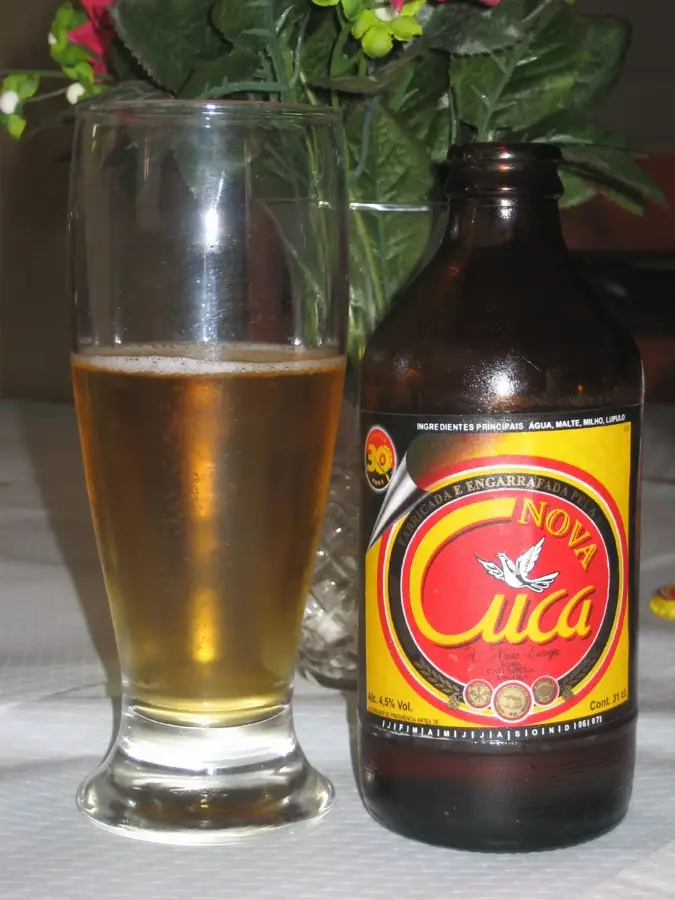
Cassava flour porridge, an Angolan staple often served with meat or fish stews.
🛍 Shopping · 🧘 Quiet spots
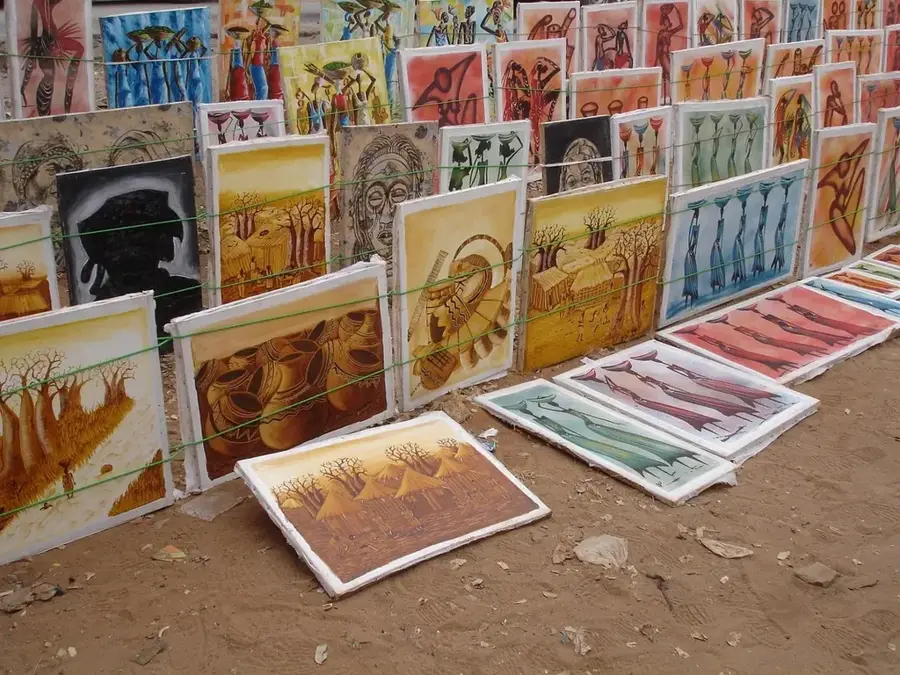
Head here for wooden sculptures, masks, and traditional fabrics, but remember to bargain politely.
A modern mall in Luanda Sul offering international brands, air conditioning, and a safe environment.
Take a short boat ride to this sandy peninsula for tranquil beaches away from the city noise.
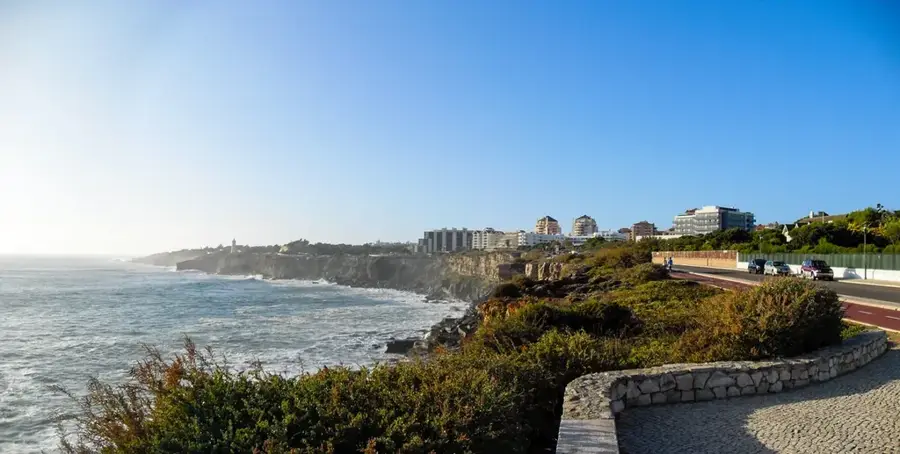
Drive about 40km south of Luanda for remarkable, peaceful lunar-like cliff landscapes.
Water temperature…
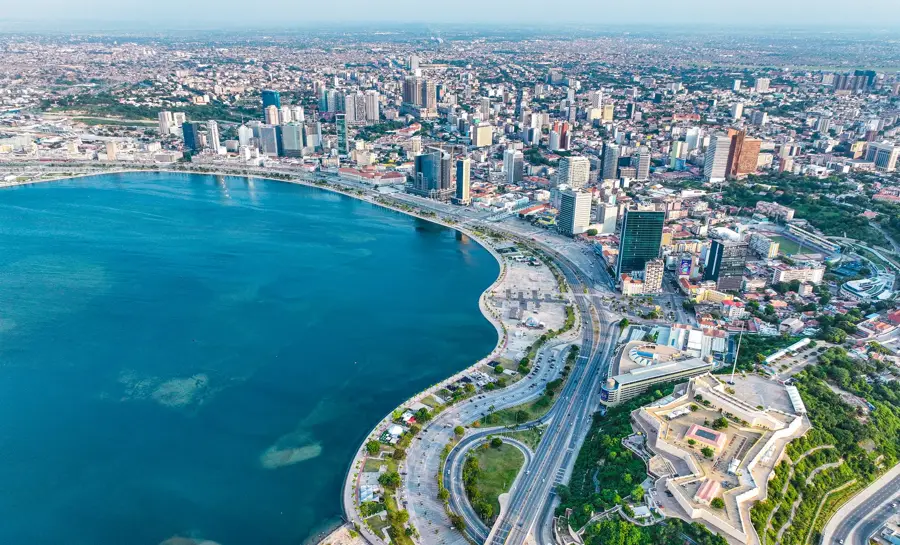
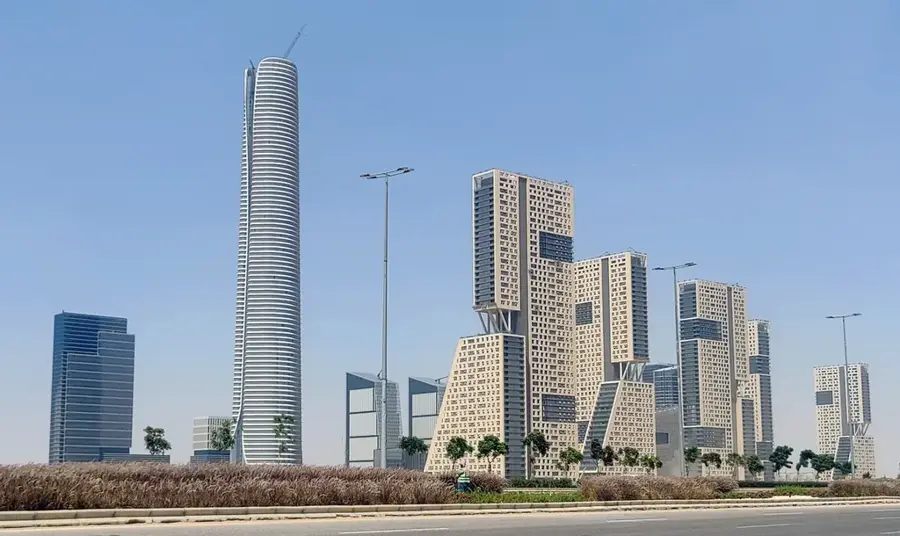
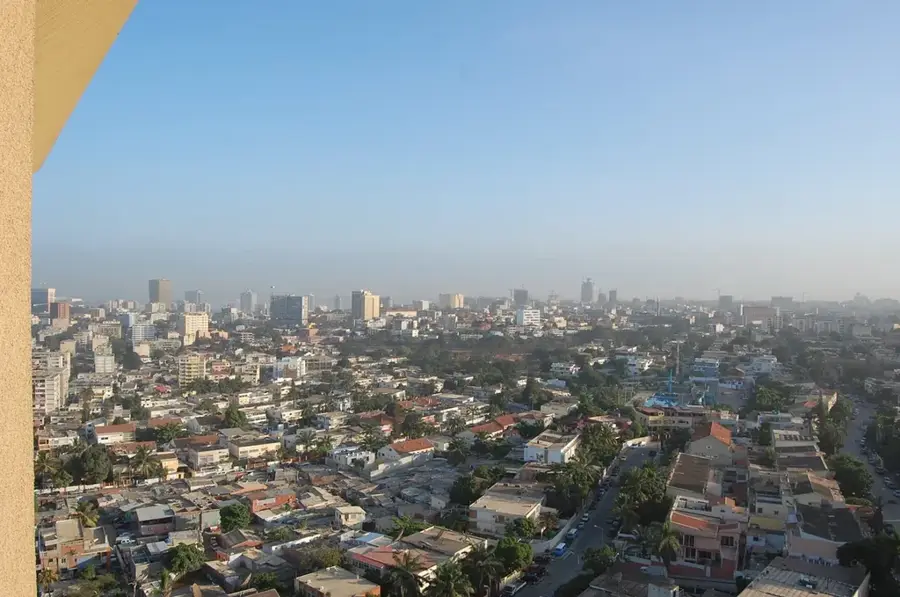
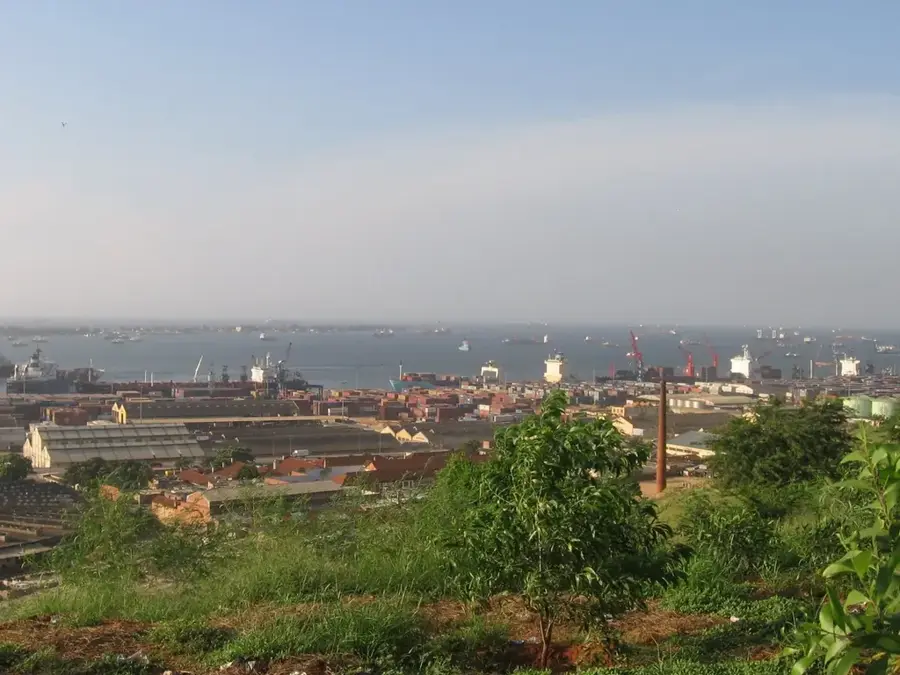
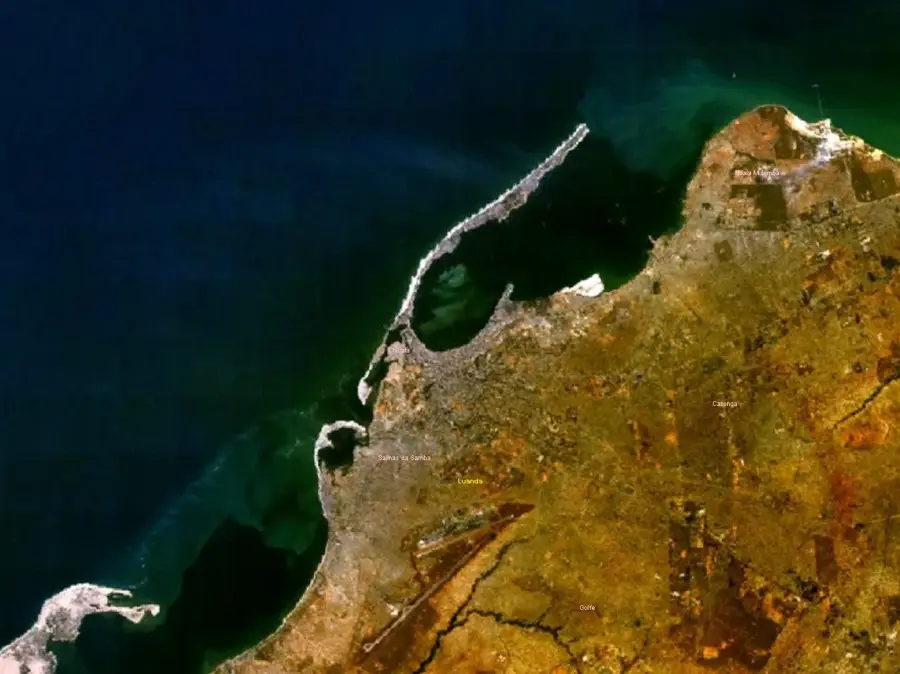
Luanda, the sprawling capital of Angola, is a major Atlantic port city and one of the oldest European-founded settlements in Africa, established by the Portuguese in 1575. Originally named São Paulo da Assunção de Loanda, the city has evolved from a colonial administrative center and a major slave trade hub into a dynamic, oil-rich metropolis that serves as the administrative, financial, and cultural heart of the nation. Geographically, Luanda is situated in a natural harbor protected by the Ilha do Cabo peninsula, which gives miles of sandy beaches and a bustling recreational scene. The city is famous for its stark contrasts, where multi-billion dollar skyscrapers built during the post-civil war oil boom stand alongside colonial-era landmarks and sprawling informal settlements known as musseques. Significant historical sites include the 16th-century Fortress of São Miguel, which overlooks the bay and houses the National Museum of Military History, and the beautiful National Bank of Angola building. Economically, Luanda is the powerhouse of the country, hosting the headquarters of major petroleum and diamond companies and managing the lion's share of Angola's international trade through its busy port. The city's cultural output is world-renowned, particularly in music and dance; it is the birthplace of Semba and Kizomba, rhythms that dominate the local social scene and have gained international popularity. Luandan cuisine is a unique blend of indigenous Bantu flavors and Portuguese culinary techniques, with seafood and funge being staples of the local diet. Despite facing challenges related to rapid population growth and infrastructure needs, Luanda remains a city of immense energy and potential. Recent urban renewal projects, such as the redevelopment of the Marginal seafront promenade, have modernized the urban experience, making Luanda a symbol of Angola's rapid transformation and its central role in the Southern African economic landscape.
- Location: Angola
- Top sights: António Agostinho Neto · Monumento as Heroínas Angolanas · Museu da Força Aérea
- Nearby: Mussulo (24 km)
- Population: ~2.776.168 (2024)
Best time to visit & climate
The most pleasant time to visit is Jul–Sep.
| Jan | Feb | Mar | Apr | May | Jun | Jul | Aug | Sep | Oct | Nov | Dec | |
|---|---|---|---|---|---|---|---|---|---|---|---|---|
| Avg °C | 27 | 28 | 28 | 28 | 26 | 24 | 22 | 22 | 23 | 25 | 27 | 27 |
| Rain mm | 25 | 38 | 68 | 79 | 24 | 1 | 0 | 2 | 5 | 16 | 37 | 29 |
Geography
Facts
- Founded on January 25, 1575, by Portuguese explorer Paulo Dias de Novais.
- The Port of Luanda is the largest and busiest in Angola.
- The city became the colonial capital in 1627.
- Luanda's population has swelled to over 8 million residents.
- The Iron Palace (Palácio de Ferro) was designed by Gustave Eiffel.
- The city has a hot semi-arid climate (BSh) with very little rain.
- The local dialect, Luandense, is a unique mix of Portuguese and Kimbundu.
- Fortress of São Miguel served as a slave depot for centuries.
Explore nearby
Notable places around

Route planner — Car & Motorhome
Where do you start? We build the route here, with stops and country notes along the way.
© OpenStreetMap contributors · OpenRouteService
Sights in the town Luanda (10)
Estatua de Dr. António Agostinho Neto
Statue of Dr. António Agostinho Neto, a national hero.
Largo da Família
Public square in Luanda, a meeting place for families.
Liga Nacional Africana
Theatre building in Luanda, venue for cultural events.
Pau da Cobra
Monument in Luanda, commemorating historical events.
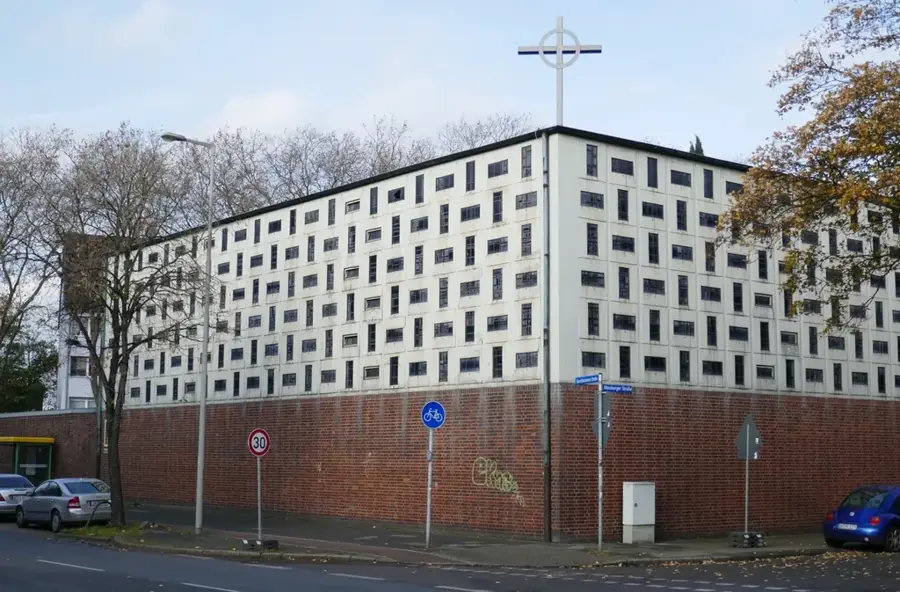
Igreja Nossa Senhora do Carmo
Church in Luanda, dedicated to Our Lady of Mount Carmel.
Cine Teatro Nacional Luanda
Cinema and theatre in Luanda, a cultural hub.
Frequently asked questions
How many days should you plan for Luanda?
When is the best time to visit Luanda?
How do you get around the city?
What should you eat in Luanda?
Is Luanda family-friendly?
Luanda: where is it located?
Luanda: what is there to see?
Luanda: when is the best time to visit?
Luanda: why is it worth visiting?

Nearby cities
Nature
More places