Attractions in United Kingdom
The finest attractions in United Kingdom at a glance: castles, natural wonders, historic old towns and more. Each place links to a detailed page with map, tips and photos.
Culture & History

Canary Wharf
Canary Wharf is a major business district located in East London, serving as one of the world's most significant financial centers.
Learn more →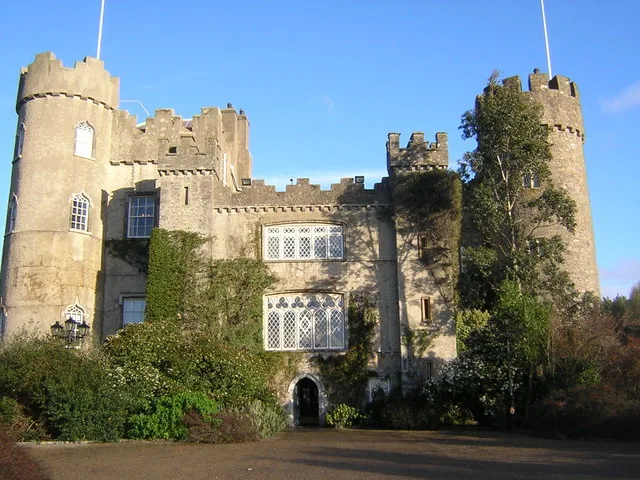
Fingal's Cave
Fingal's Cave is a sea cave on the uninhabited island of Staffa in Scotland.
Learn more →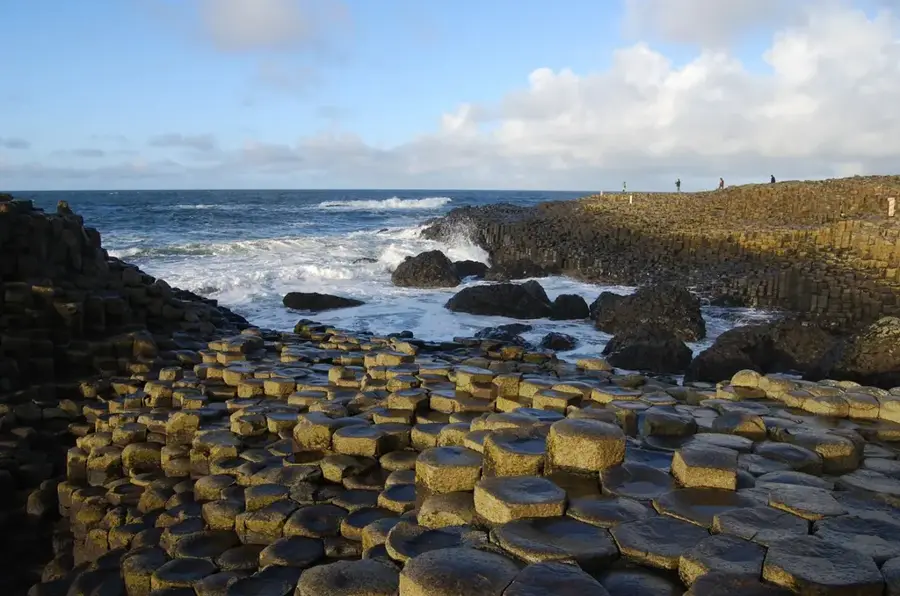
Antrim Plateau
The Antrim Plateau is an extensive basalt plateau in northeastern Northern Ireland.
Learn more →
Giant's Causeway
The Giant's Causeway consists of about 40,000 interlocking basalt columns on the north coast of Northern Ireland.
Learn more →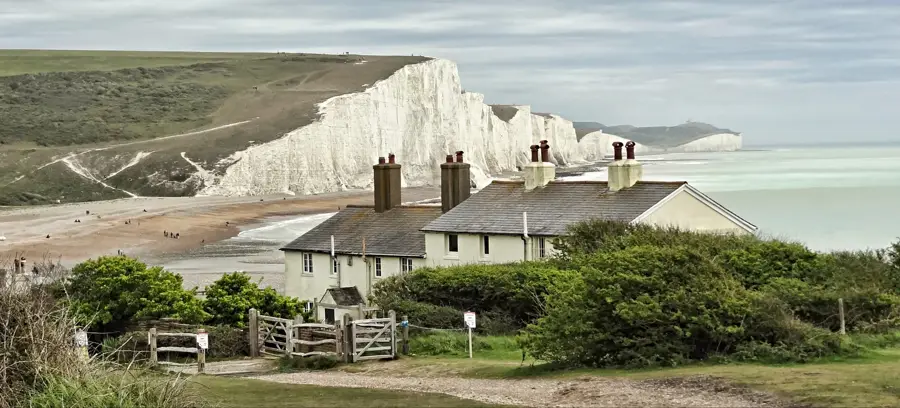
Seven Sisters
The Seven Sisters are a series of iconic chalk cliffs along the English Channel in East Sussex.
Learn more →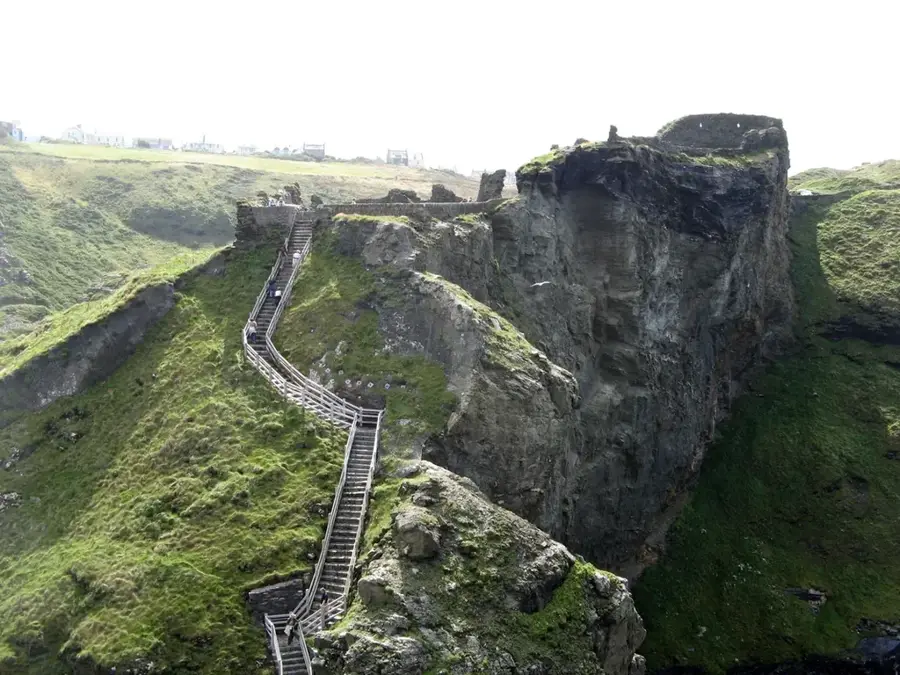
Tintagel Castle
This medieval castle ruin is situated on a rugged peninsula on the coast of Cornwall.
Learn more →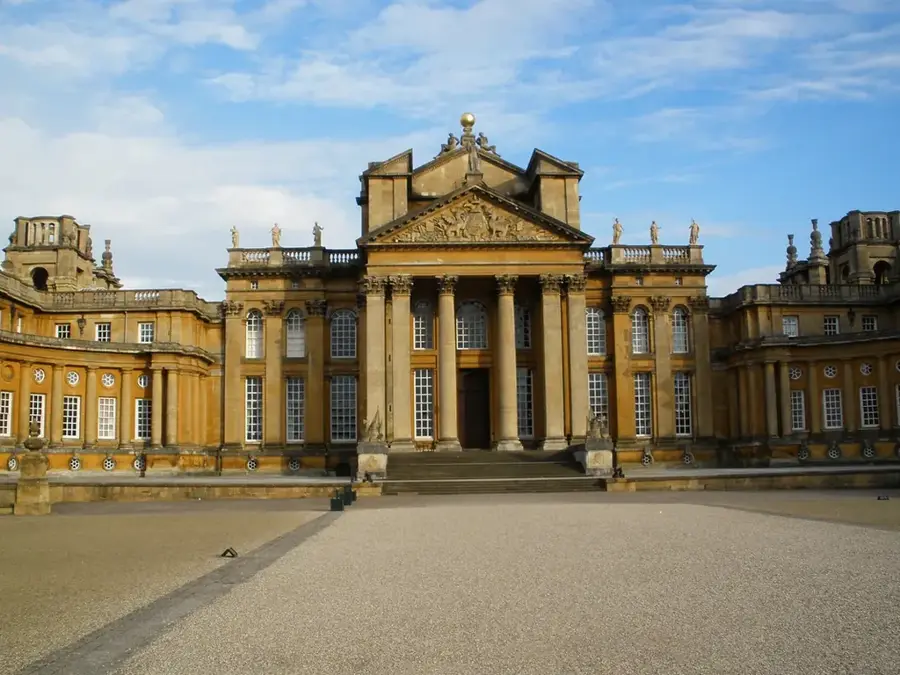
Blenheim Palace
Blenheim Palace is a monumental country house in Woodstock, Oxfordshire.
Learn more →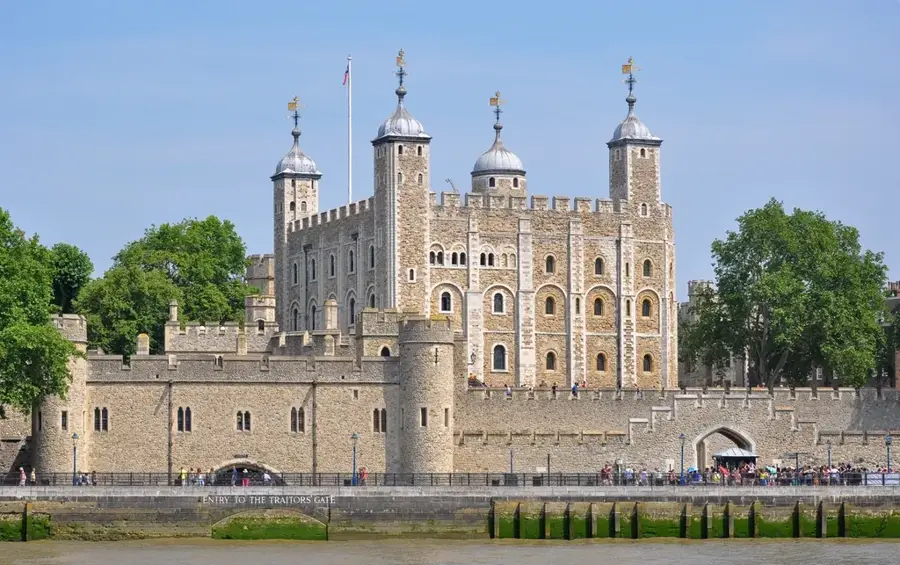
Tower of London
The Tower of London is a historic castle on the north bank of the River Thames.
Learn more →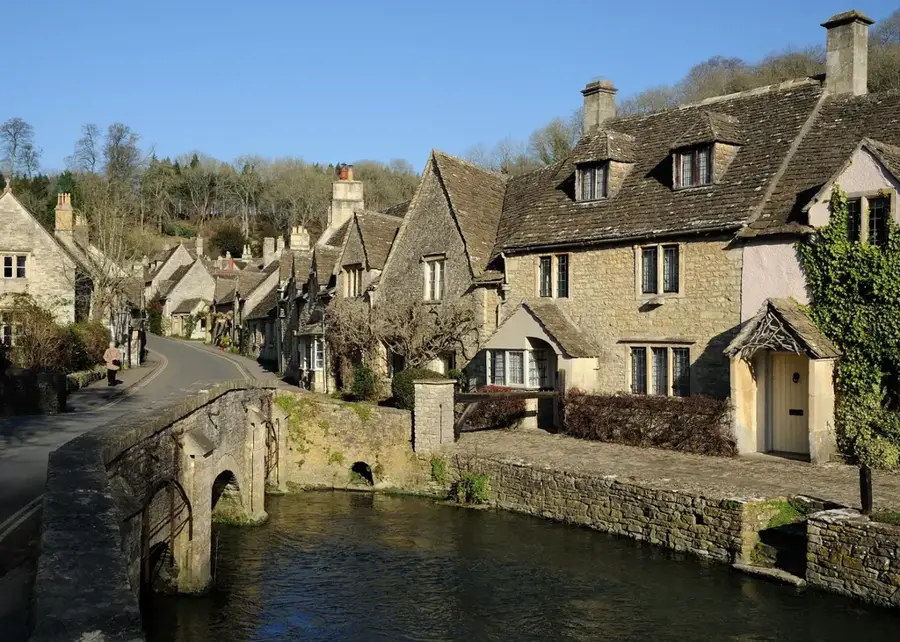
Cotswolds
The Cotswolds are a range of hills in southwest England formed by a prominent oolitic limestone escarpment.
Learn more →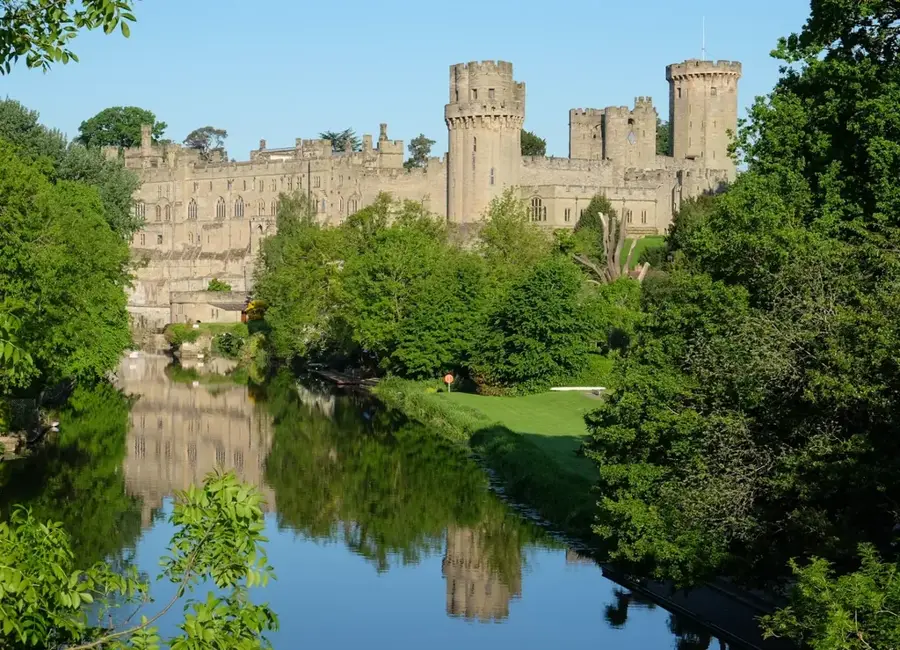
Warwick Castle
Warwick Castle is a medieval fortress situated on the banks of the River Avon.
Learn more →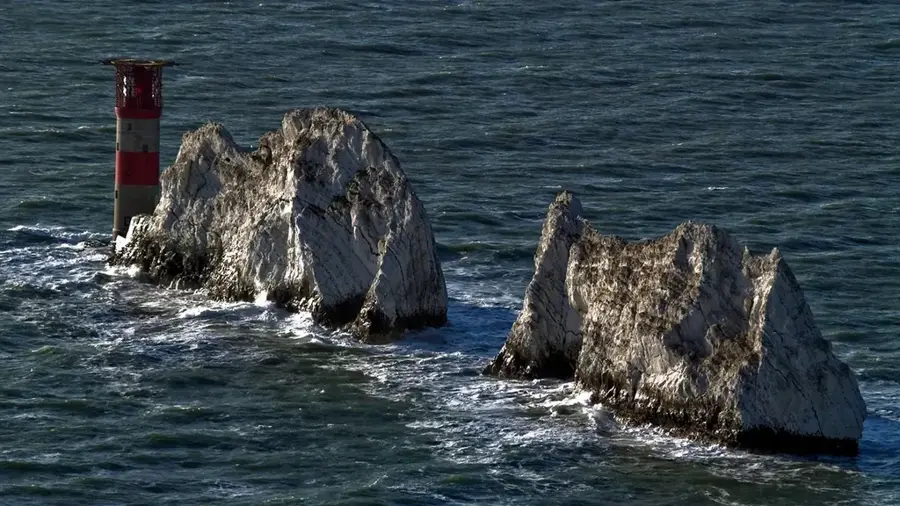
The Needles
The Needles are three distinctive chalk stacks rising from the sea off the western extremity of the Isle of Wight.
Learn more →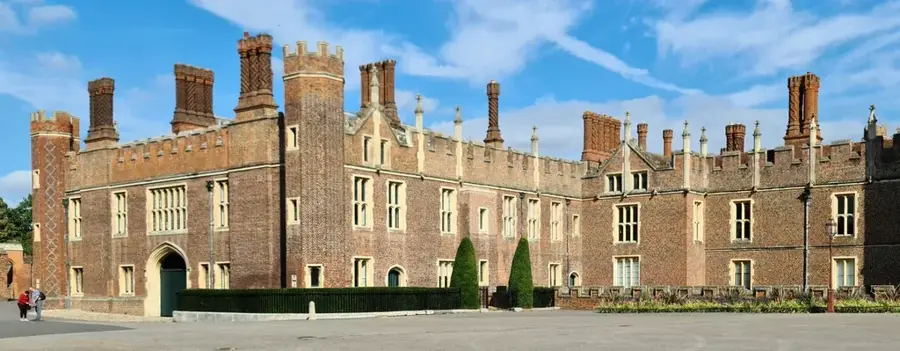
Hampton Court Palace
This royal palace in London was a favorite residence of Henry VIII.
Learn more →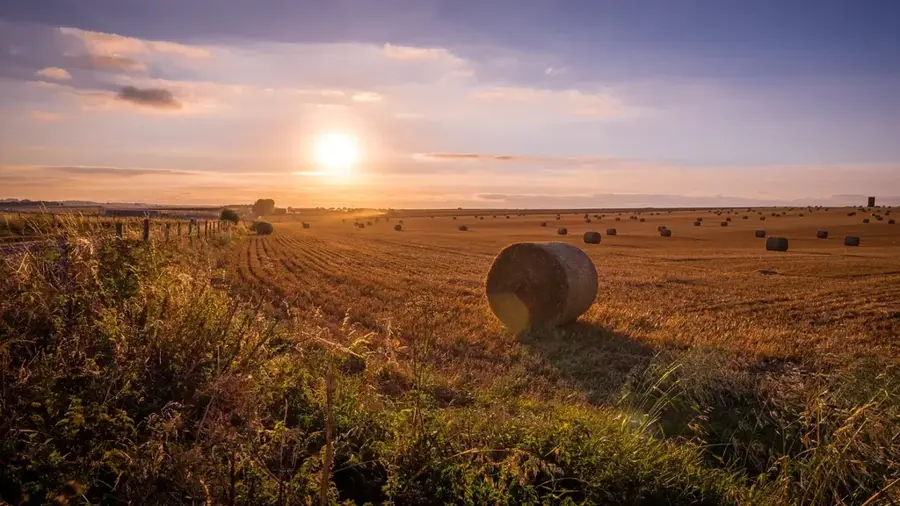
Salisbury Plain
A vast chalk plateau in southern England, famous for its archaeological sites such as Stonehenge.
Learn more →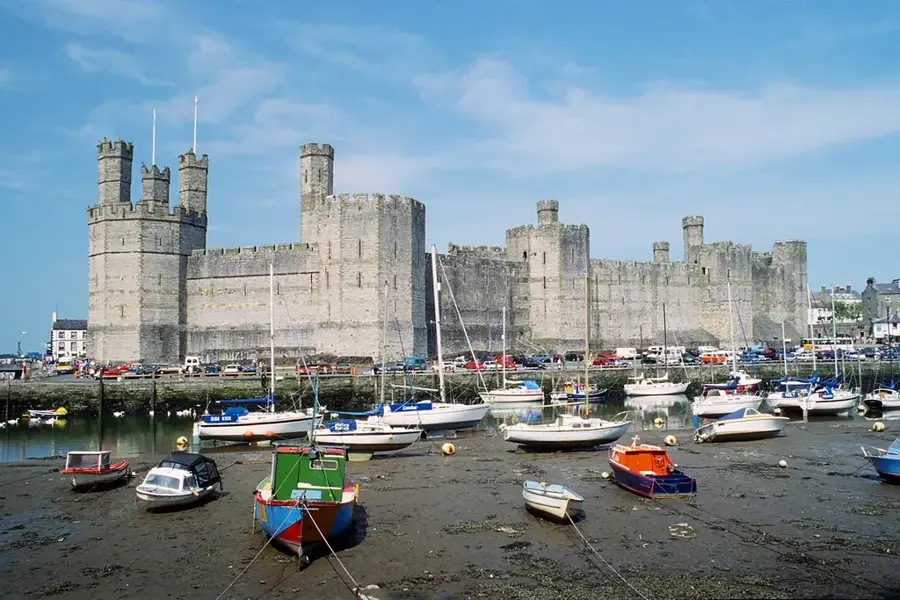
Caernarfon Castle
This massive stone fortress in Wales was built by Edward I as part of his 'iron ring' of castles.
Learn more →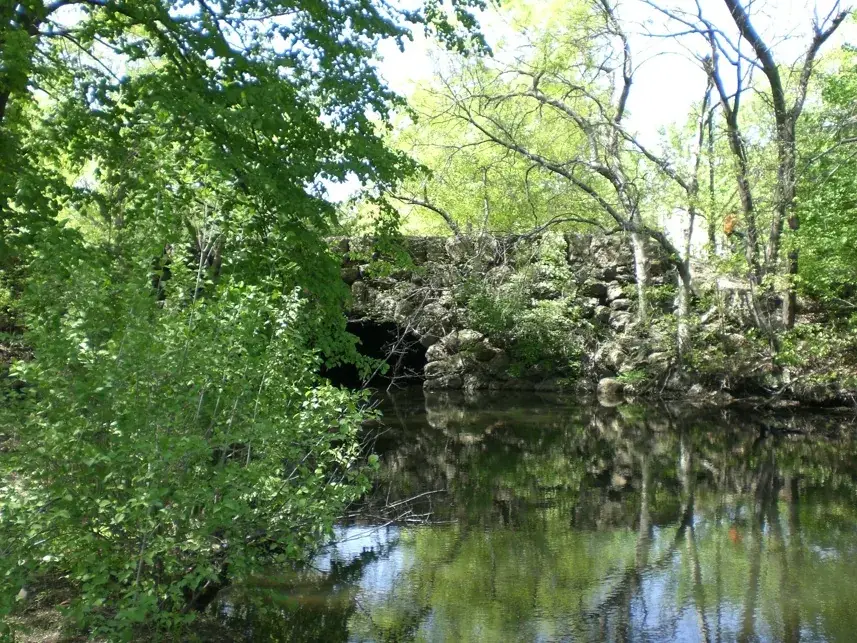
The Fens
The Fens is a large area of marshland in eastern England that has been extensively drained.
Learn more →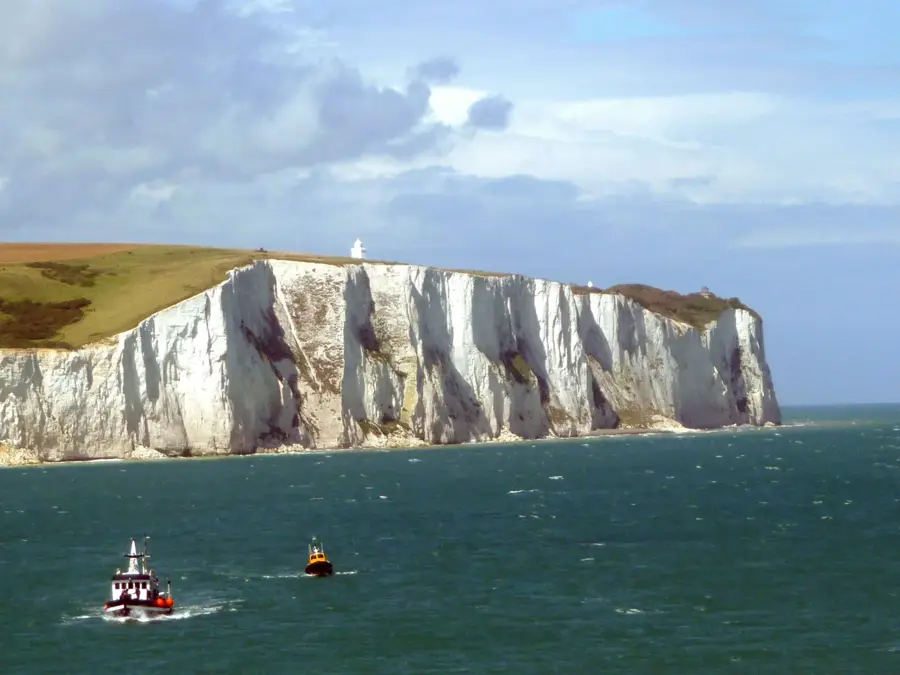
White Cliffs of Dover
The White Cliffs of Dover are part of the English coastline at the narrowest point of the Channel.
Learn more →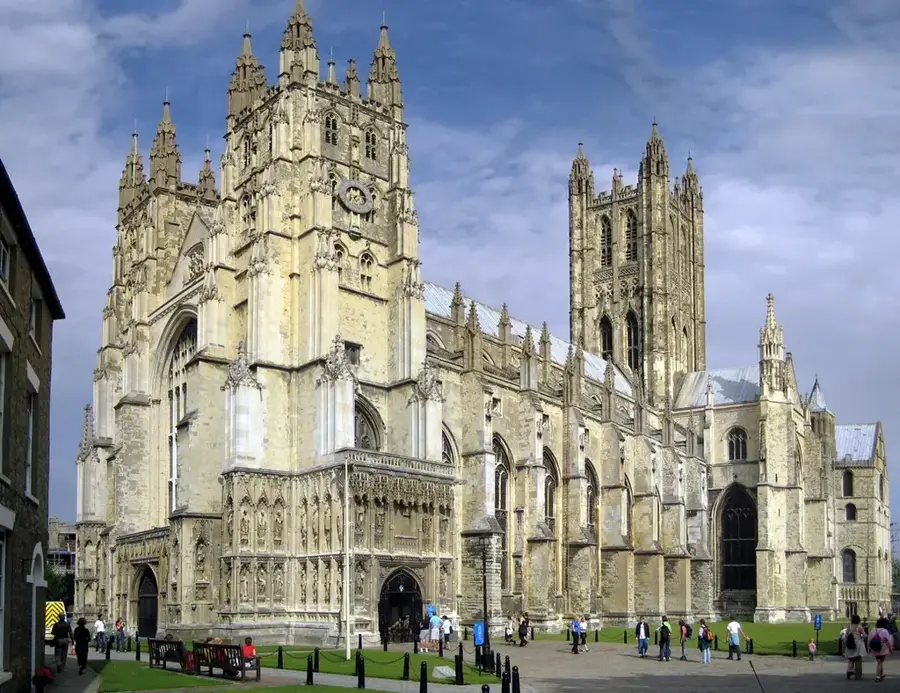
Canterbury Cathedral
Canterbury Cathedral is one of the oldest and most famous Christian structures in England.
Learn more →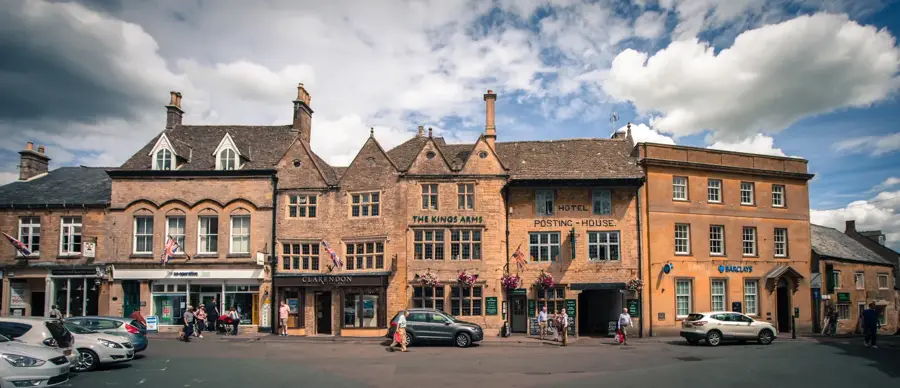
Stow-on-the-Wold
The highest town in the Cotswolds, famous for its large market square and the mysterious church door flanked by ancient yew trees.
Learn more →
St Paul's Cathedral
St Paul's Cathedral is an Anglican cathedral in London, situated at the highest point of the City of London.
Learn more →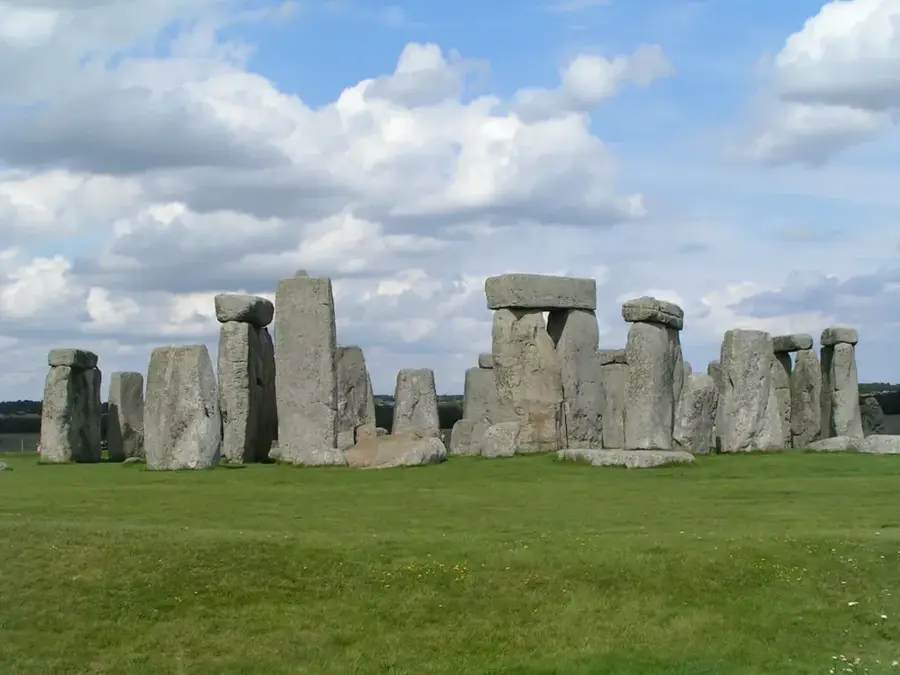
Stonehenge
Stonehenge is a prehistoric monument in Wiltshire, consisting of a ring of standing stones.
Learn more →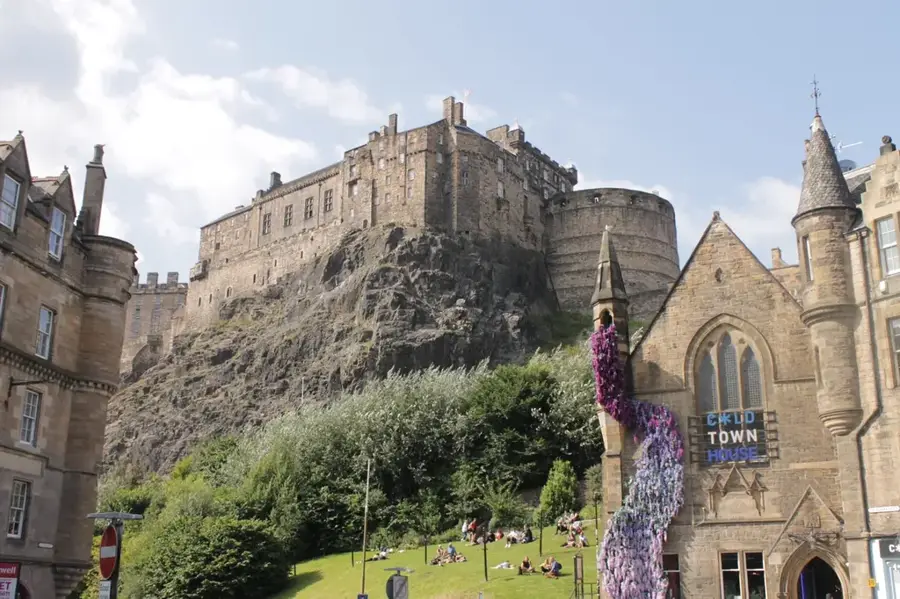
Edinburgh Castle
This historic fortress dominates the skyline of Edinburgh from its position on Castle Rock.
Learn more →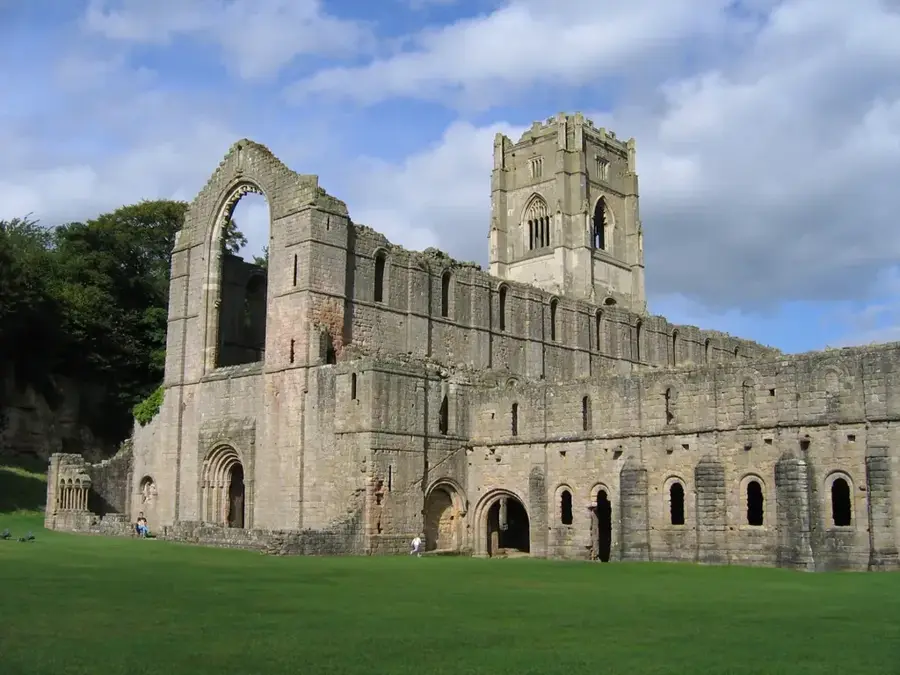
Fountains Abbey
Fountains Abbey is one of the largest and best-preserved ruins of a Cistercian monastery in England.
Learn more →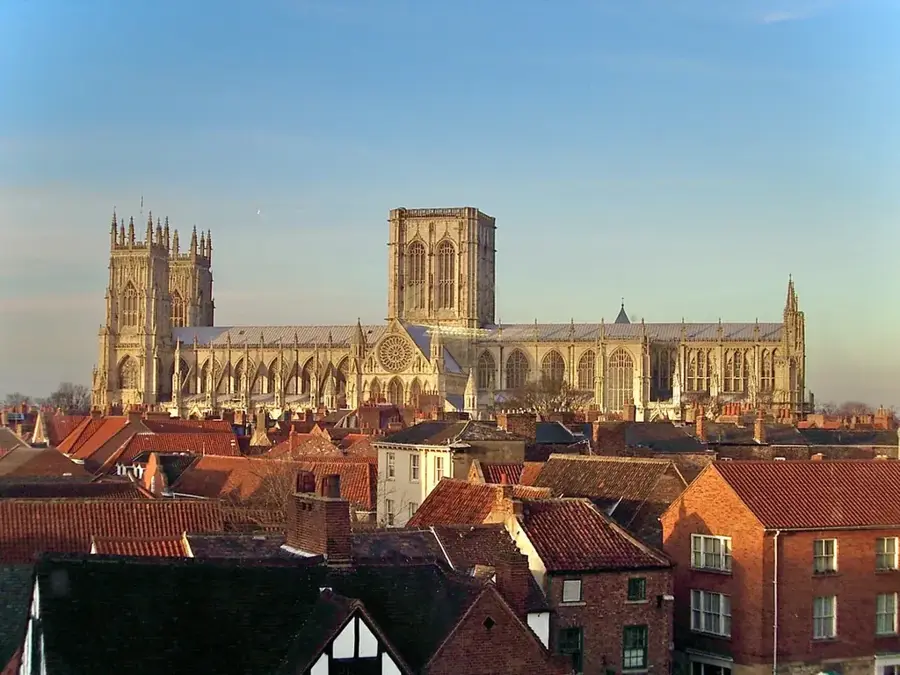
York Minster
York Minster is the cathedral of York, England, and is one of the largest of its kind in Northern Europe.
Learn more →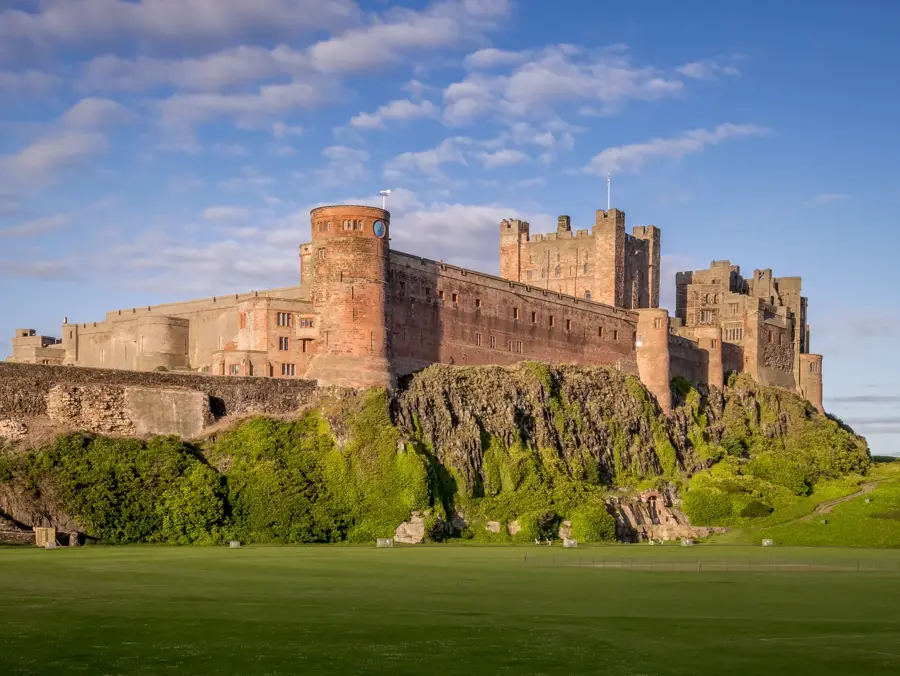
Bamburgh
A spectacular coastal village in Northumberland, dominated by one of England's most imposing medieval castles.
Learn more →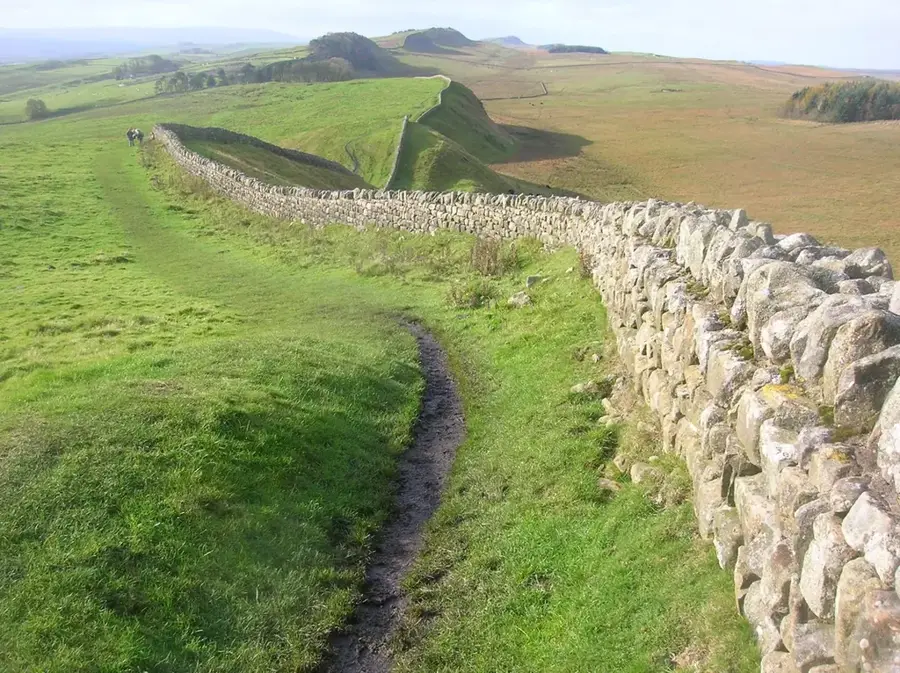
Hadrian's Wall
Hadrian's Wall was a defensive fortification in the Roman province of Britannia, begun in AD 122.
Learn more →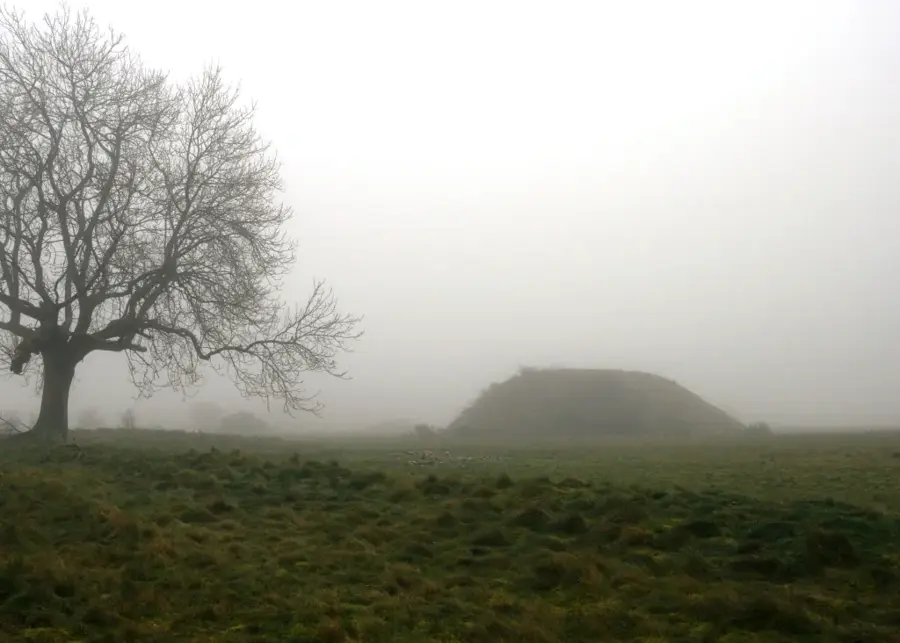
Sutton Hoo
Sutton Hoo is an archaeological site in Suffolk famous for its Anglo-Saxon burial mounds.
Learn more →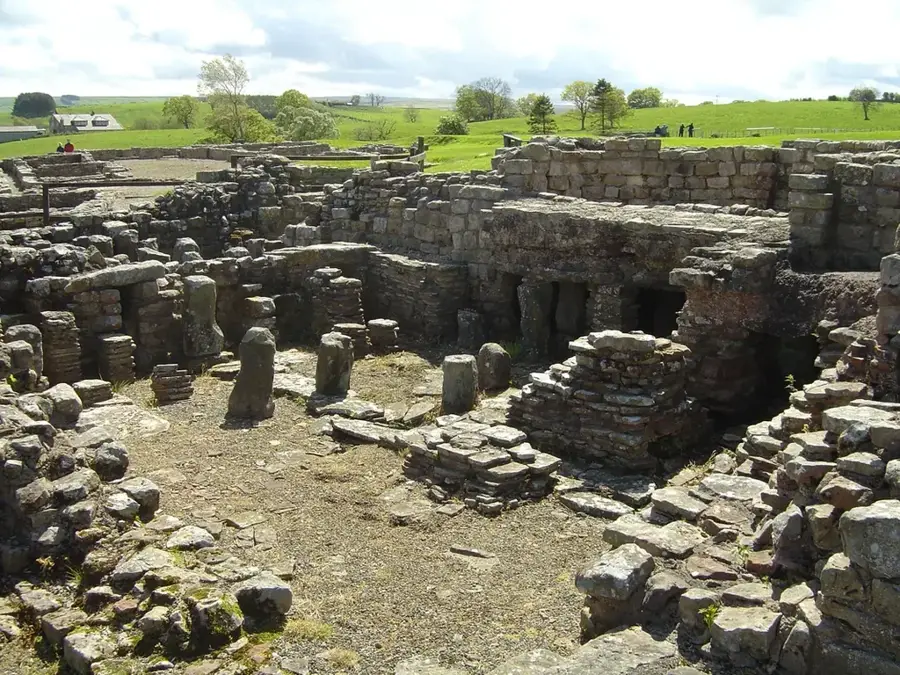
Vindolanda
Vindolanda was a Roman auxiliary fort located just south of Hadrian's Wall.
Learn more →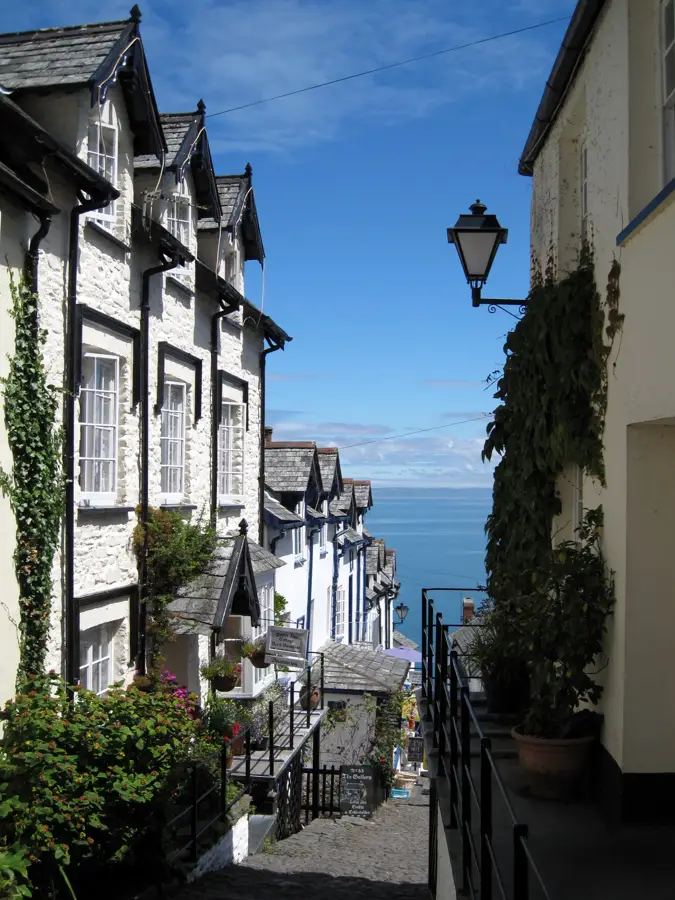
Clovelly
A world-famous, car-free fishing village on a steep cliff, known for its donkeys and cobbled high street.
Learn more →Nature
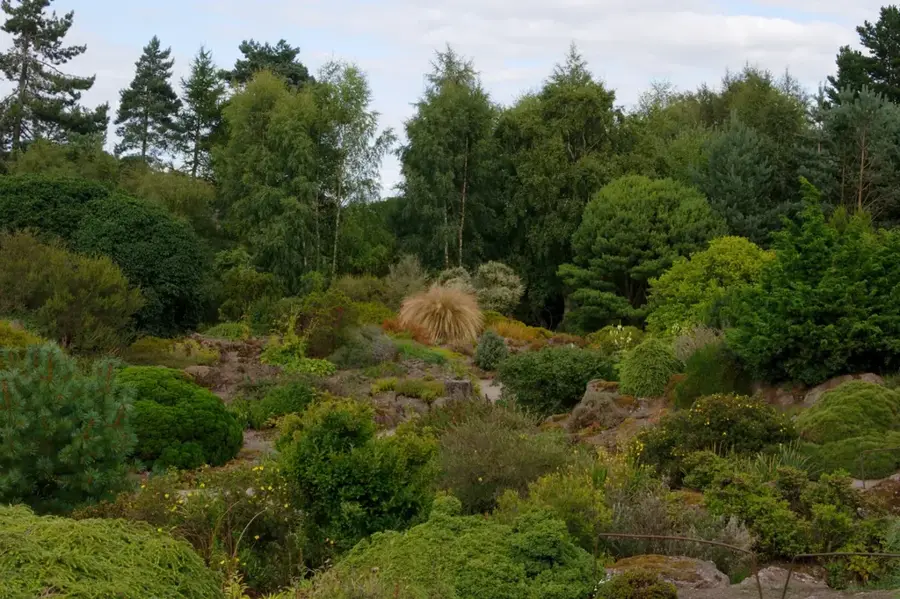
Royal Botanic Garden Edinburgh
The Royal Botanic Garden Edinburgh is a world-leading center for plant science and conservation.
Learn more →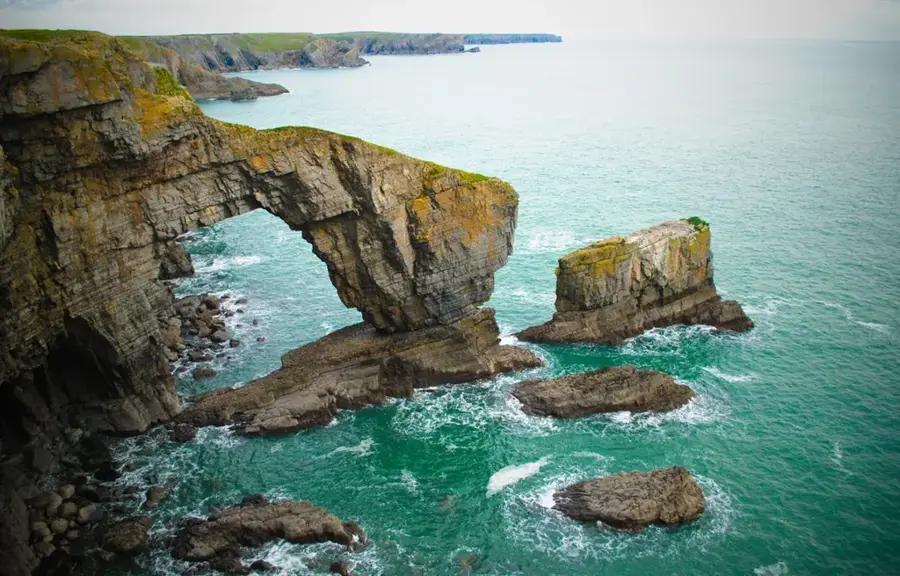
Pembrokeshire Coast National Park
The Pembrokeshire Coast National Park in Wales is the only National Park in the UK designated primarily for its spectacular coastline.
Learn more →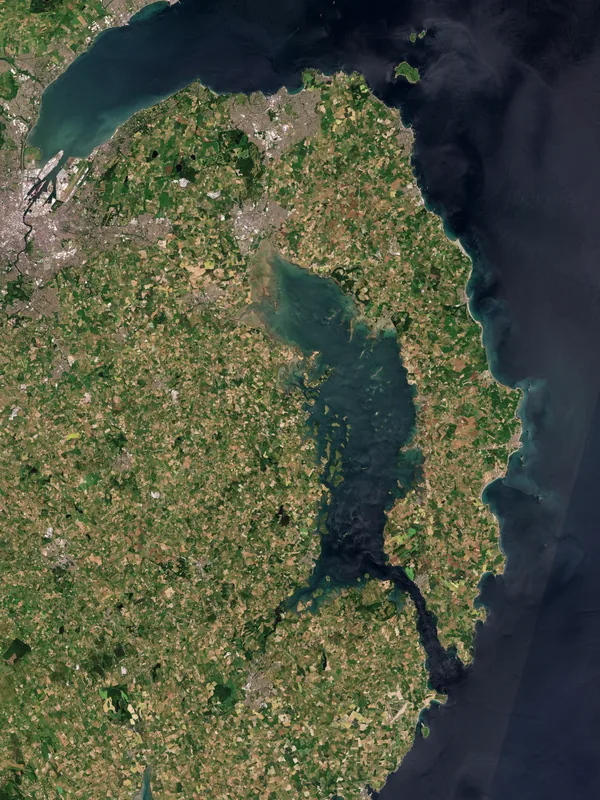
Strangford Lough
Strangford Lough in Northern Ireland is the largest sea lough in the British Isles and a major nature reserve.
Learn more →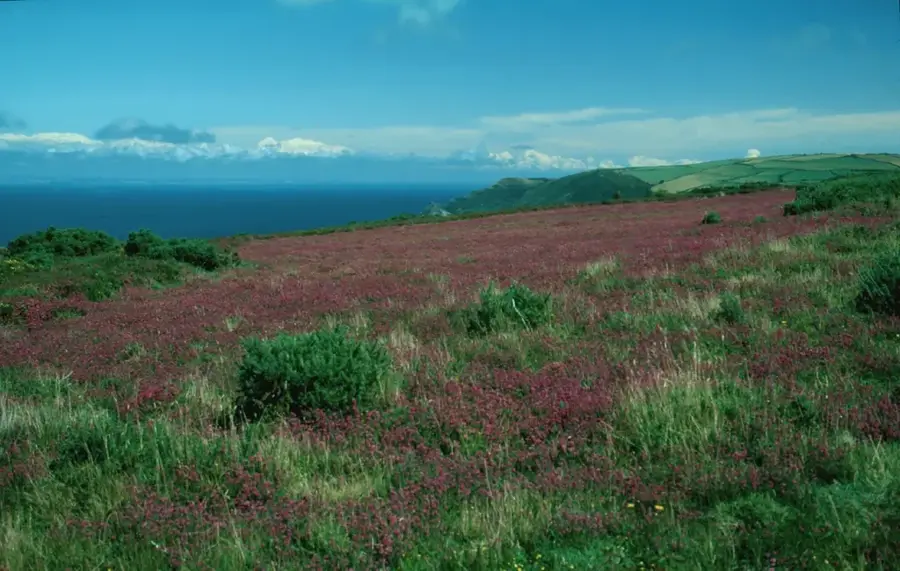
Exmoor National Park
Exmoor National Park, located on the coast of Devon and Somerset, is characterized by open moorland and steep sea cliffs.
Learn more →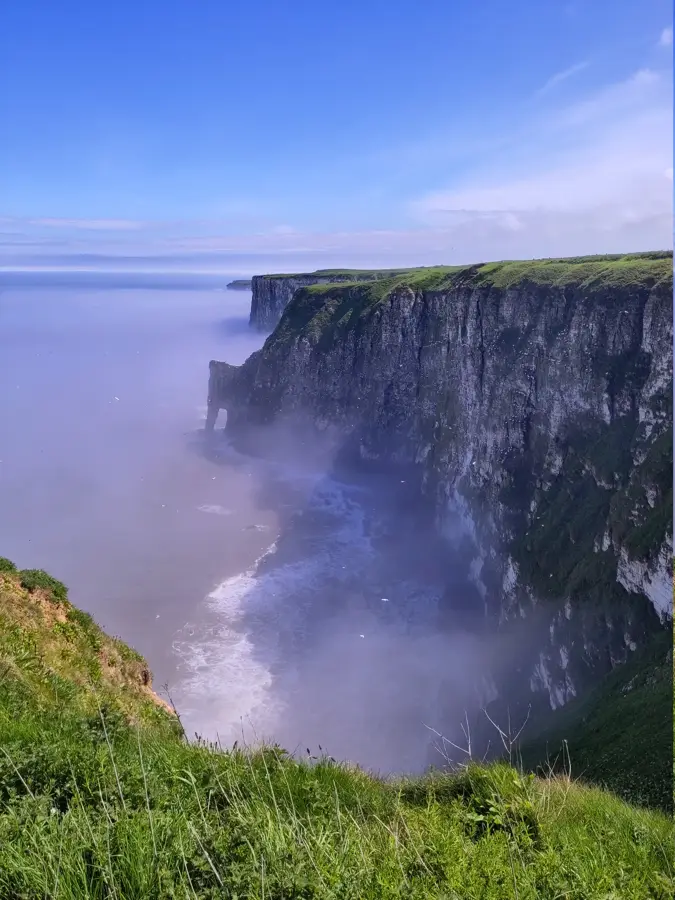
Bempton Cliffs
Bempton Cliffs on the East Yorkshire coast is home to one of England's most significant seabird colonies.
Learn more →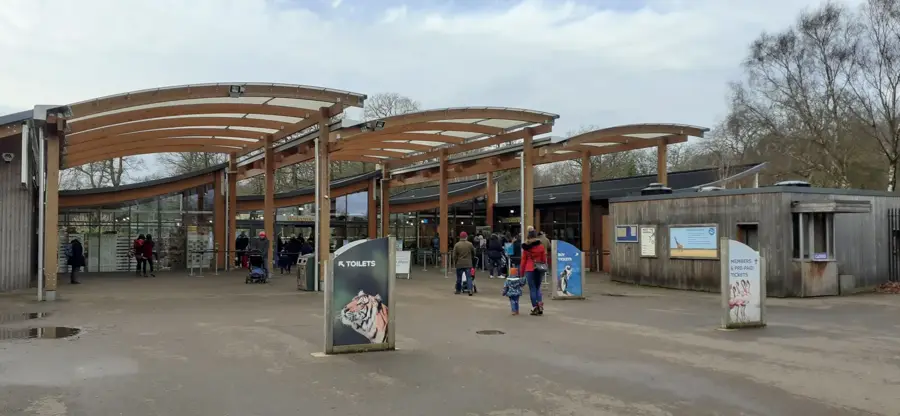
ZSL Whipsnade Zoo
ZSL Whipsnade Zoo in the Chiltern Hills is the largest wildlife park in the United Kingdom.
Learn more →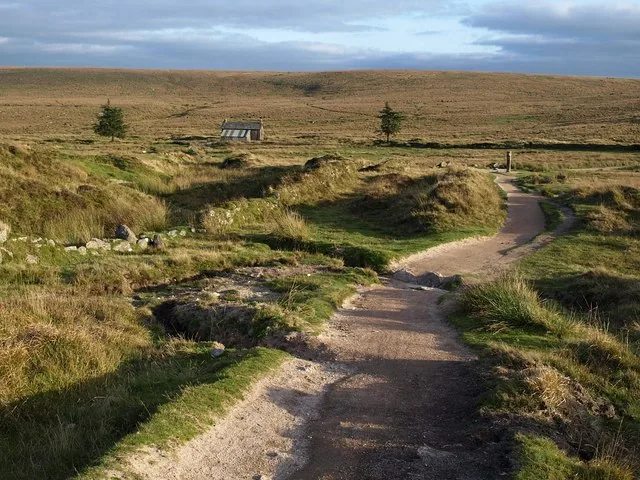
Dartmoor National Park
This moorland area in Devon is known for its granite hilltops called tors.
Learn more →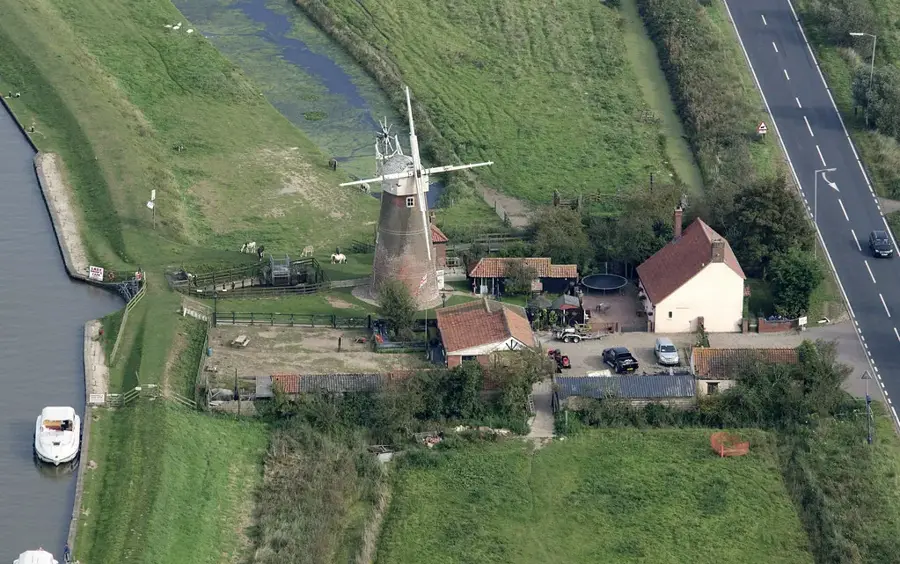
The Broads National Park
This network of navigable rivers and lakes in Norfolk and Suffolk was created by the flooding of medieval peat excavations.
Learn more →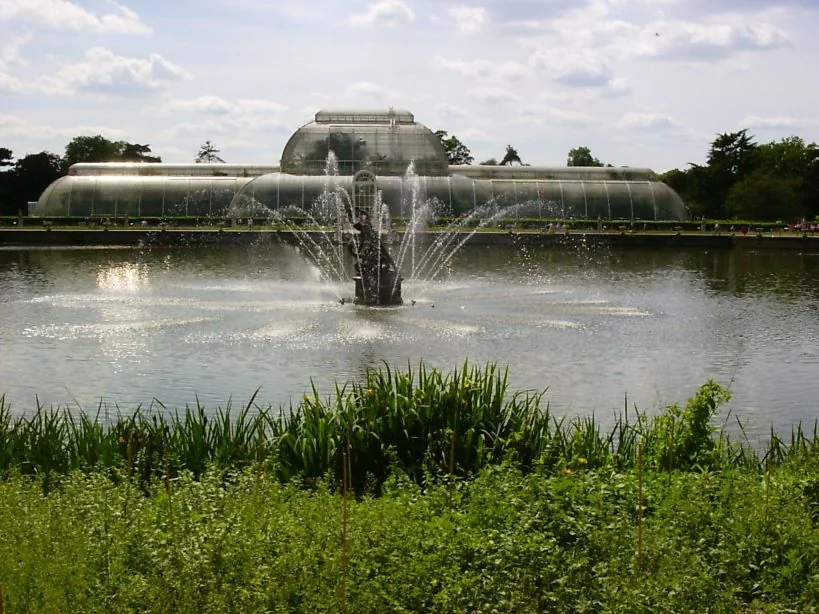
Kew Gardens
The Royal Botanic Gardens at Kew hold the world's largest collection of living plants.
Learn more →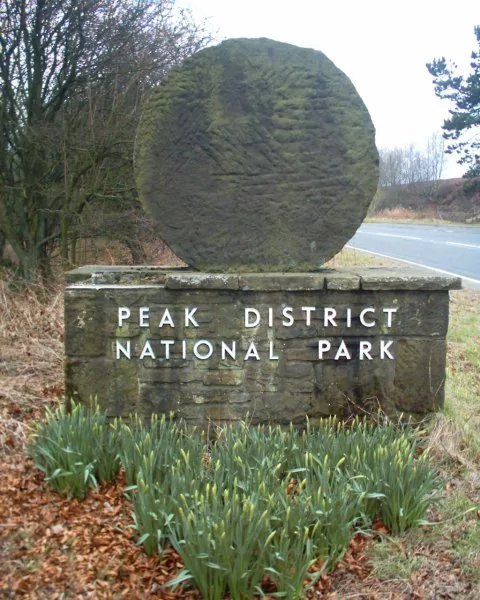
Peak District National Park
The Peak District was the first national park established in the United Kingdom in 1951.
Learn more →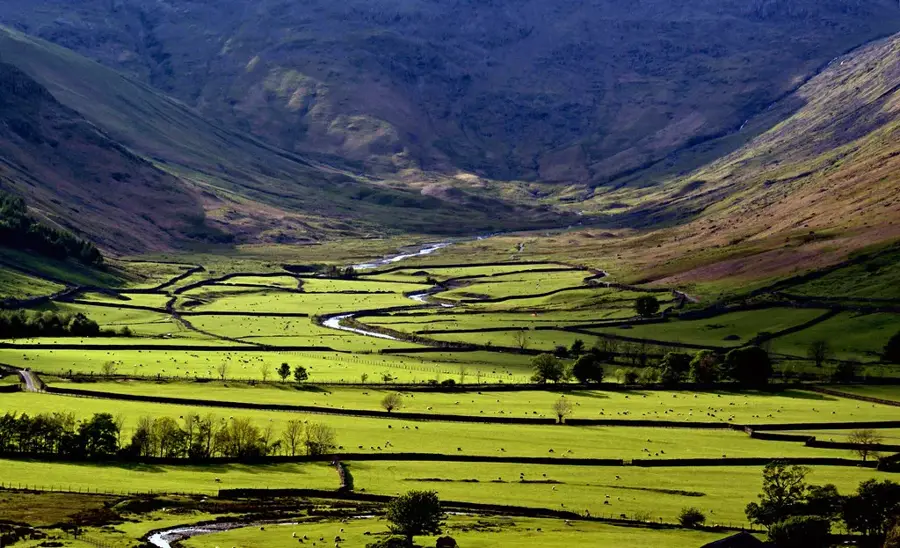
Lake District National Park
This national park in Northwest England is famous for its glacial ribbon lakes and rugged fell mountains.
Learn more →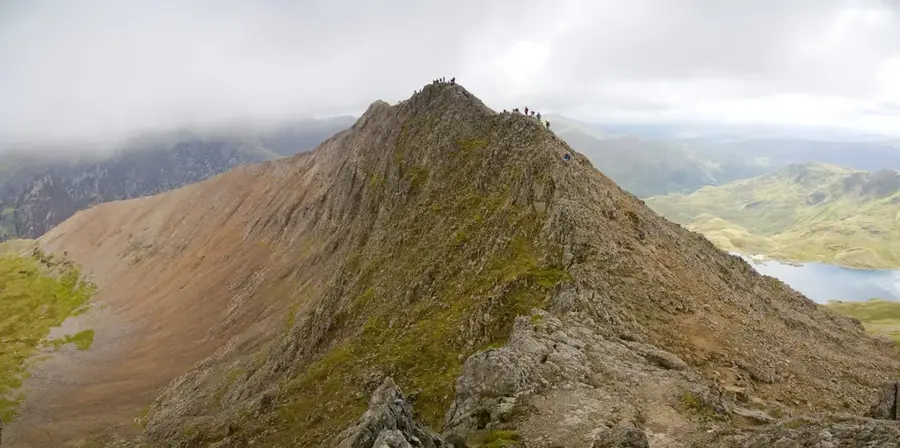
Snowdonia National Park
Snowdonia, known as Eryri in Welsh, is a mountainous region in North Wales.
Learn more →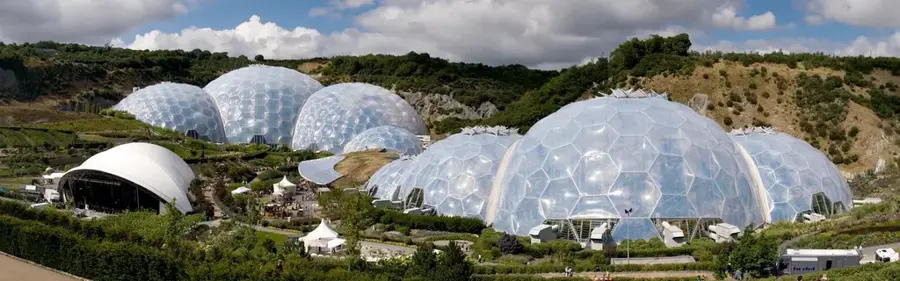
Eden Project
The Eden Project in Cornwall is a botanical garden built in a former china clay pit.
Learn more →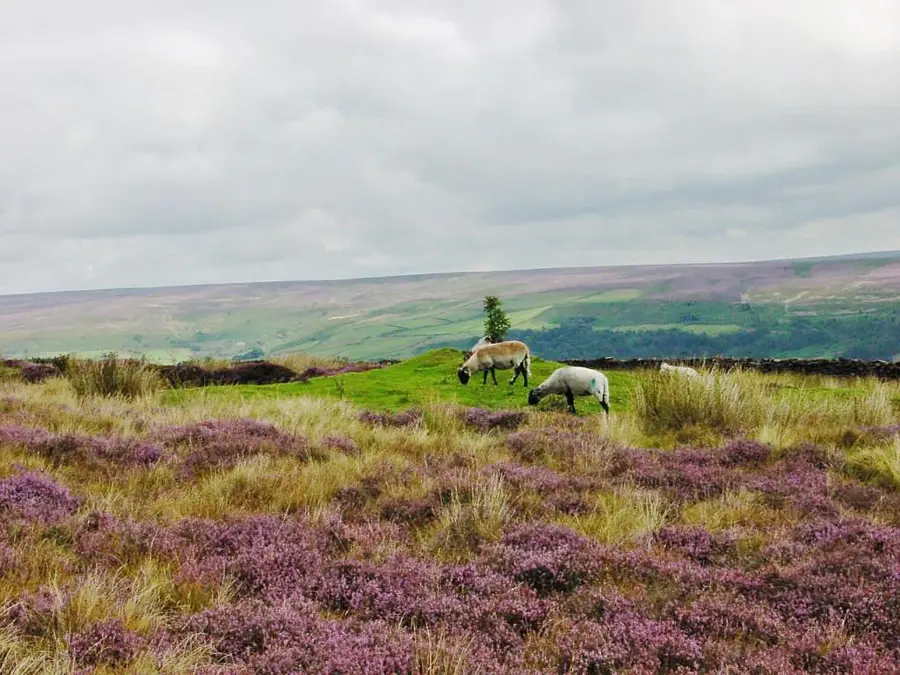
North York Moors
An upland area in North Yorkshire containing one of the largest expanses of heather moorland in the UK.
Learn more →
Cairngorms National Park
The Cairngorms in northeast Scotland form the largest national park by area in Great Britain.
Learn more →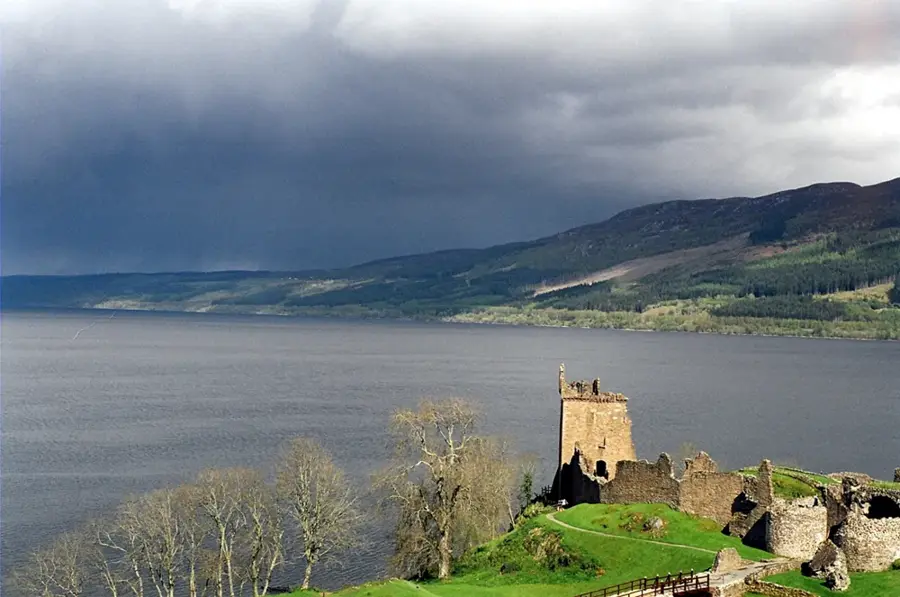
Loch Ness
Loch Ness is a large, deep freshwater loch in the Scottish Highlands southwest of Inverness.
Learn more →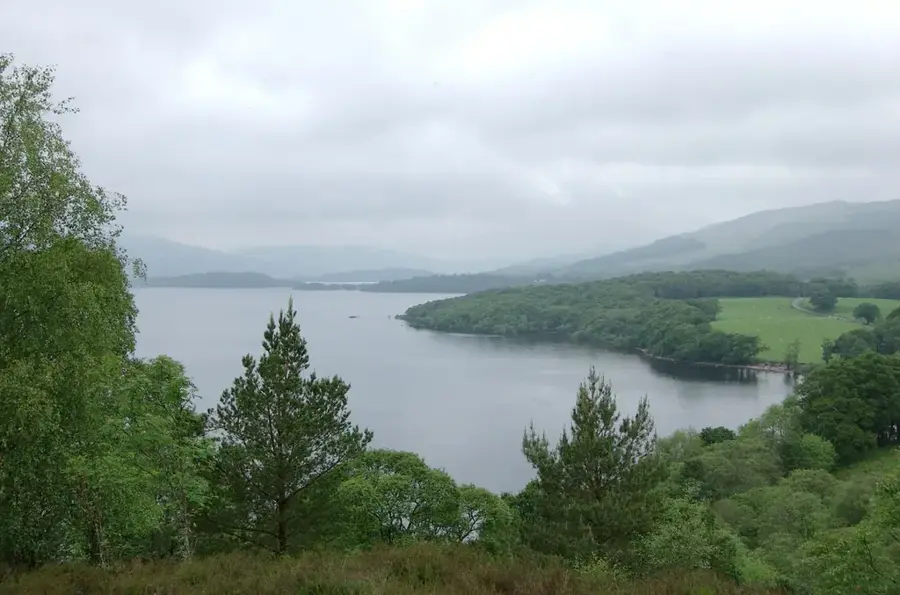
Loch Lomond & The Trossachs
This national park in central Scotland encompasses Loch Lomond, the largest lake in Great Britain by surface area, and the Trossachs mountains.
Learn more →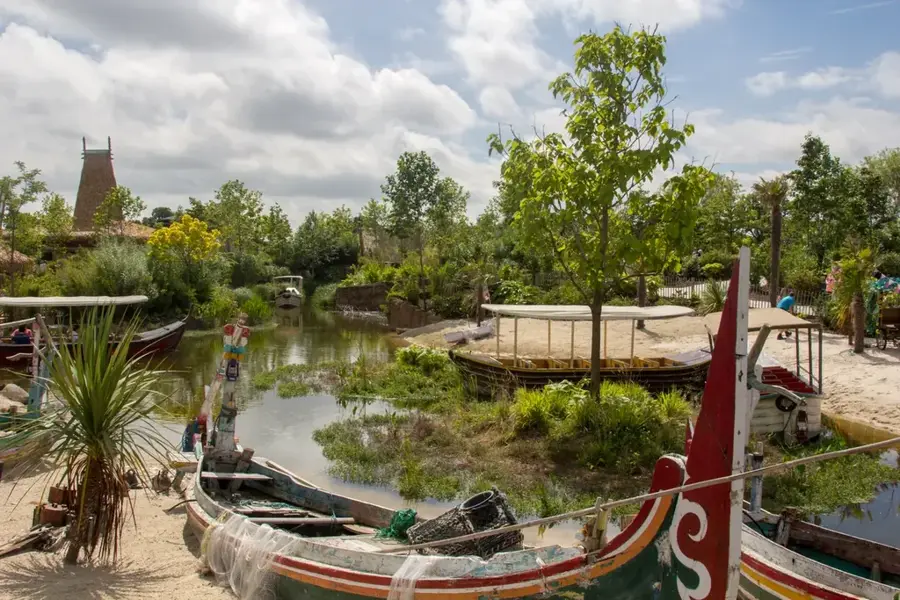
Chester Zoo
Founded in 1931, Chester Zoo is one of the UK's largest zoos.
Learn more →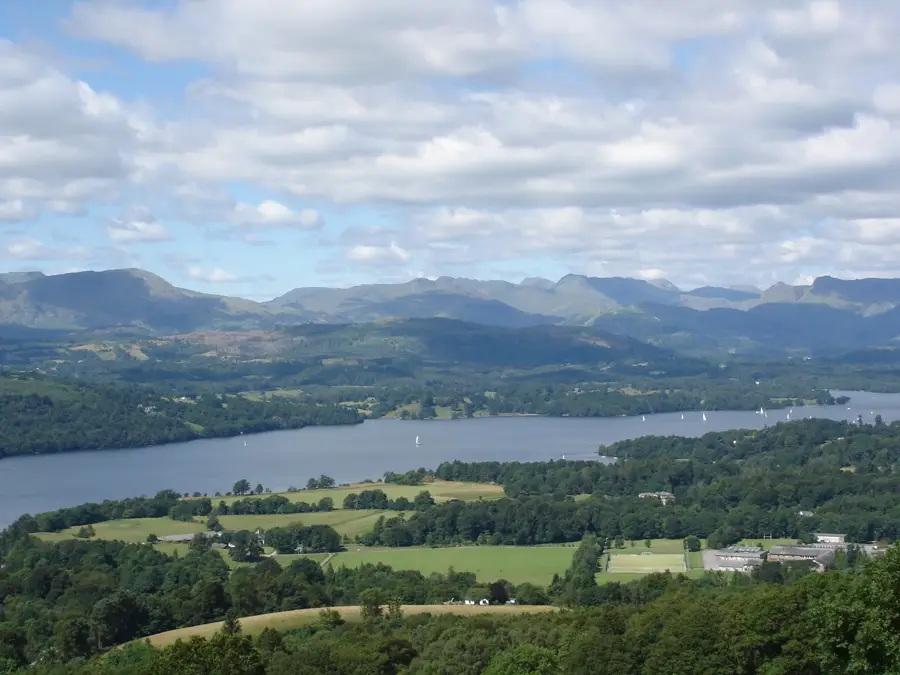
Windermere
Windermere is the largest natural lake in England, located in the Lake District.
Learn more →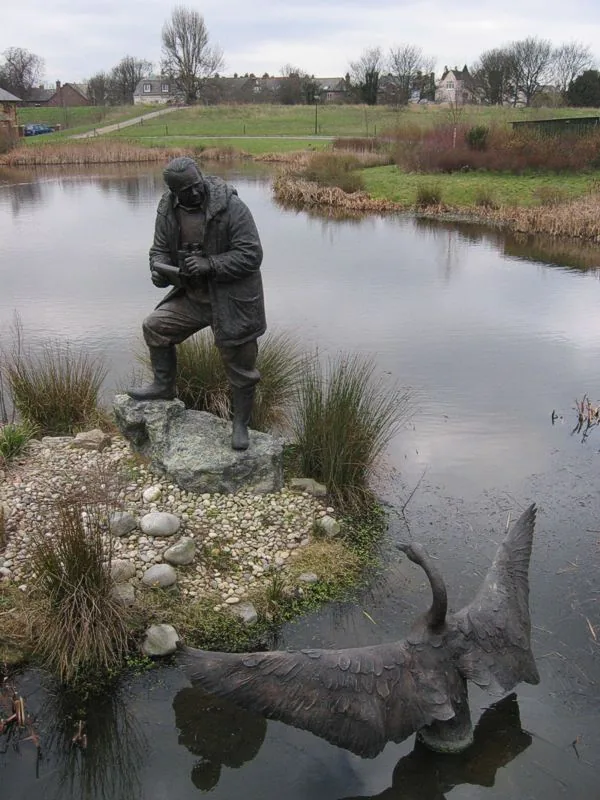
Slimbridge Wetland Centre
Slimbridge is a significant wetland reserve on the Severn Estuary in Gloucestershire.
Learn more →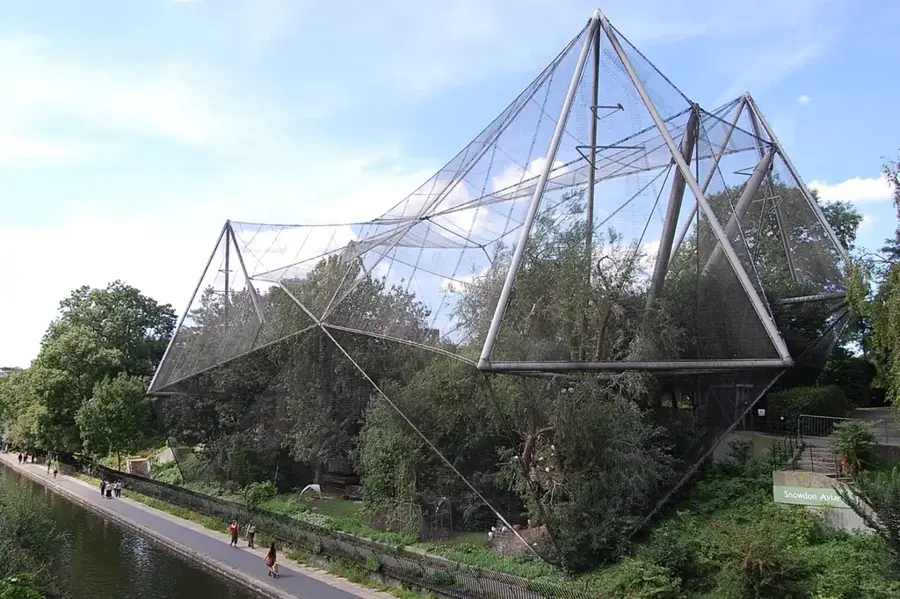
ZSL London Zoo
ZSL London Zoo, located in Regent's Park, is the world's oldest scientific zoo.
Learn more →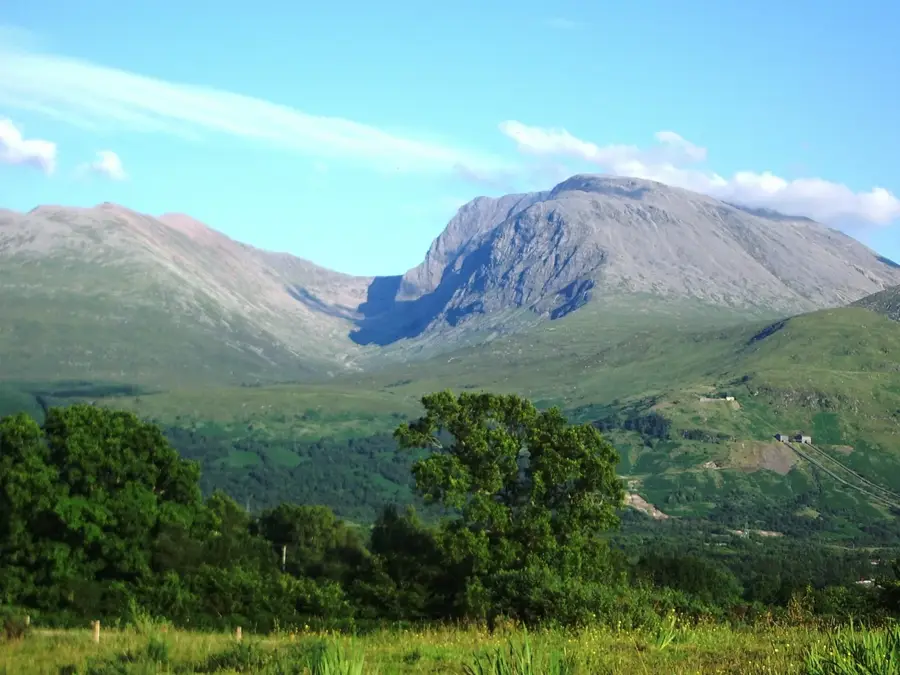
Ben Nevis
Ben Nevis is the highest mountain in the British Isles, located in the Western Highlands of Scotland.
Learn more →Frequently asked questions
What are the top attractions in United Kingdom?
Among the most popular are Royal Botanic Garden Edinburgh, Pembrokeshire Coast National Park, Strangford Lough, Canary Wharf, Exmoor National Park and many more – the full top 50 list is on this page.
When is the best time to visit United Kingdom?
May to October offers the most pleasant weather; July and August are warmest and busiest.