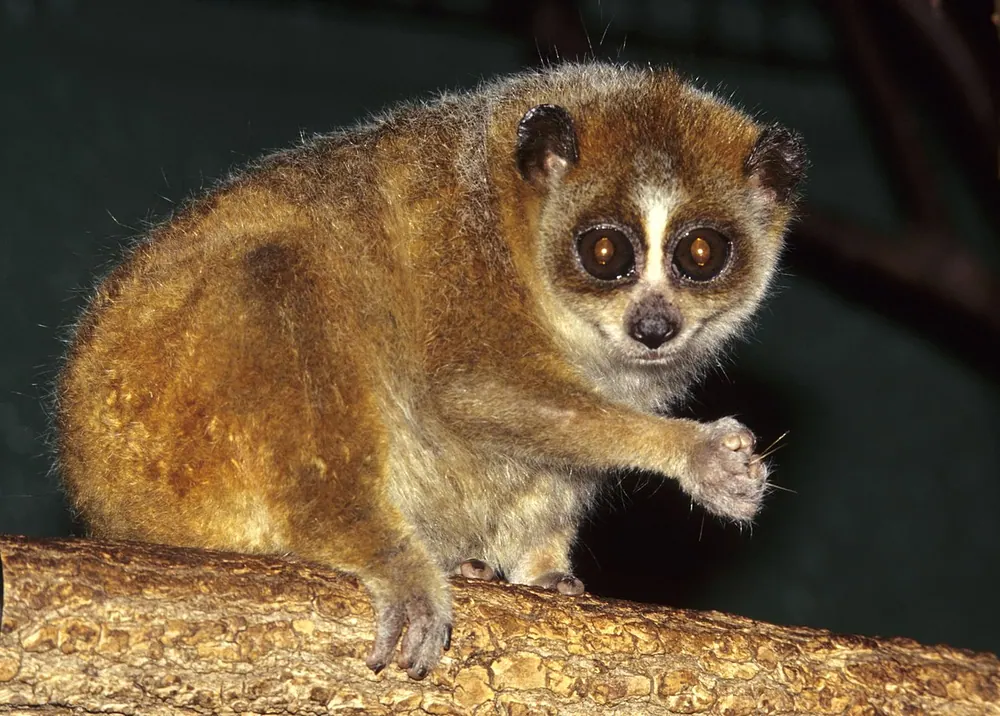
Duke Lemur Center
The Duke Lemur Center, located in Durham, North Carolina, is an internationally recognized research sanctuary dedicated to the study and conservation of prosimians. Founded in 1966 on the campus of Duke University, it spans across a sprawling forested area and serves as the world's largest sanctuary for rare and endangered prosimian primates outside of their native Madagascar. The center plays a crucial role in non-invasive research, education, and global conservation efforts. Visitors have the unique opportunity to observe diverse species of lemurs, including the iconic ring-tailed lemurs, aye-ayes, and sifakas, in expansive natural habitat enclosures. Guided tours offer deep insights into the behavior, ecology, and evolutionary biology of these fascinating creatures. Besides viewing the animals, guests can learn about the critical challenges lemurs face in the wild due to habitat destruction and climate change. The facility actively participates in international breeding programs, aiming to maintain a genetic safety net for these vulnerable species. Its educational programs inspire visitors of all ages to engage in wildlife protection and environmental stewardship.
Weather…
Best time to visit & climate
The most pleasant time to visit is May, Sep, Oct.
| Jan | Feb | Mar | Apr | May | Jun | Jul | Aug | Sep | Oct | Nov | Dec | |
|---|---|---|---|---|---|---|---|---|---|---|---|---|
| Avg °C | 3 | 5 | 10 | 15 | 20 | 25 | 27 | 26 | 22 | 16 | 10 | 6 |
| Rain mm | 72 | 74 | 96 | 91 | 99 | 118 | 122 | 127 | 119 | 87 | 88 | 94 |
Practical info
Tips
- Book your tour well in advance as spots fill up quickly.
- Wear comfortable walking shoes suitable for gravel paths.
- Bring a camera, but leave tripods and selfie sticks at home as they are generally not permitted.
FAQ
What is the Duke Lemur Center?
Can I visit the center without a reservation?
What kind of animals will I see?
Is the center accessible for children?
How does the center help lemurs in the wild?
Route planner — Car & Motorhome
Where do you start? We build the route here, with stops and country notes along the way.
© OpenStreetMap contributors · OpenRouteService