Plizio Visual Lab
Faringdon
ℹ️Practical info — Faringdon
▾
🌤 Weather — 5 days
📍 Nearby
Sights nearby
💡 Tips
- Faringdon Folly is; check the opening days for the tower itself, though the woodland is always open.
- Look out for the dyed pigeons; it's a quirky local tradition started by Lord Berners.
- The market square hosts a traditional weekly market on Tuesdays.
- Free parking is limited, consider using the Southampton Street car park for longer stays.
🍽 Food
Enjoy a hearty pie at one of the traditional pubs around the market square.
Pick up some regional cheeses from a delicatessen in the town center.
Relax with scones and tea in a quaint tea room along the high street.
🛍 Shopping · 🧘 Quiet spots
Browse the independent vintage and antique shops around the market place.
Visit the Tuesday weekly market for local fruits, vegetables, and baked goods.
The woodland surrounding the tower gives memorable views of the Thames Valley.
Enjoy a quiet walk and find the eccentric sculptures hidden among the trees.
Water temperature…
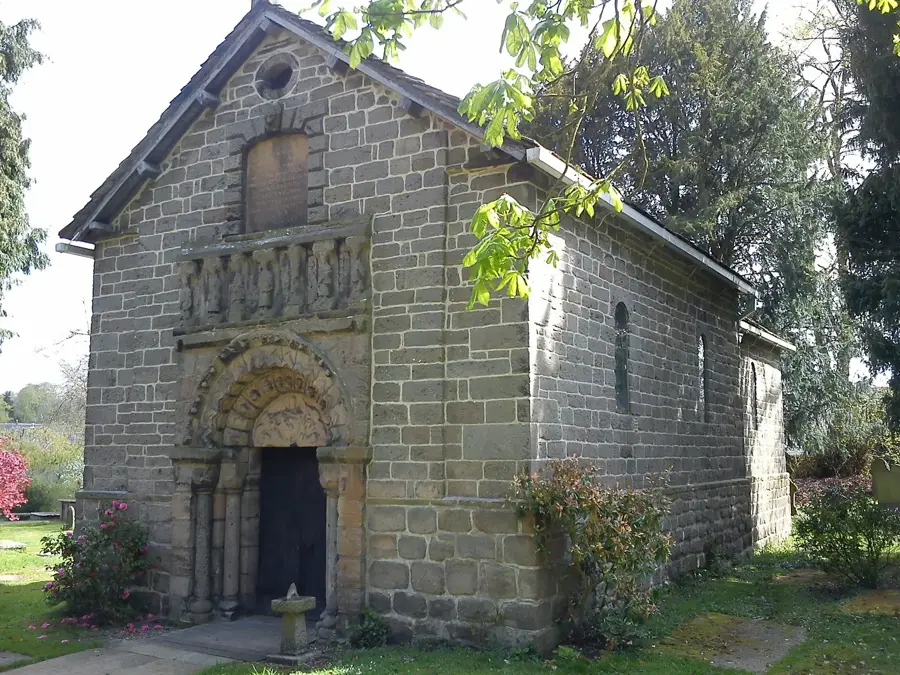
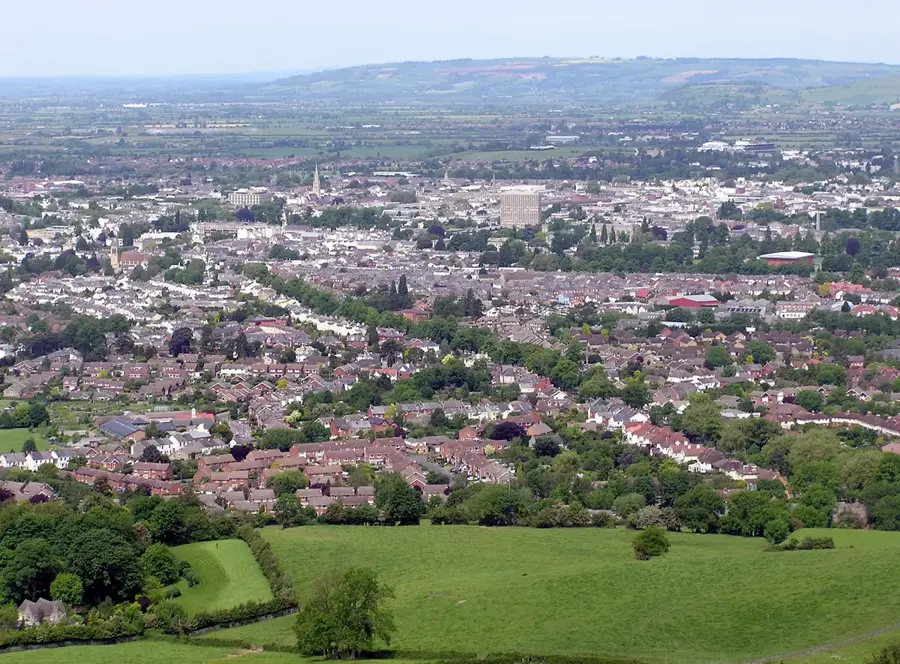
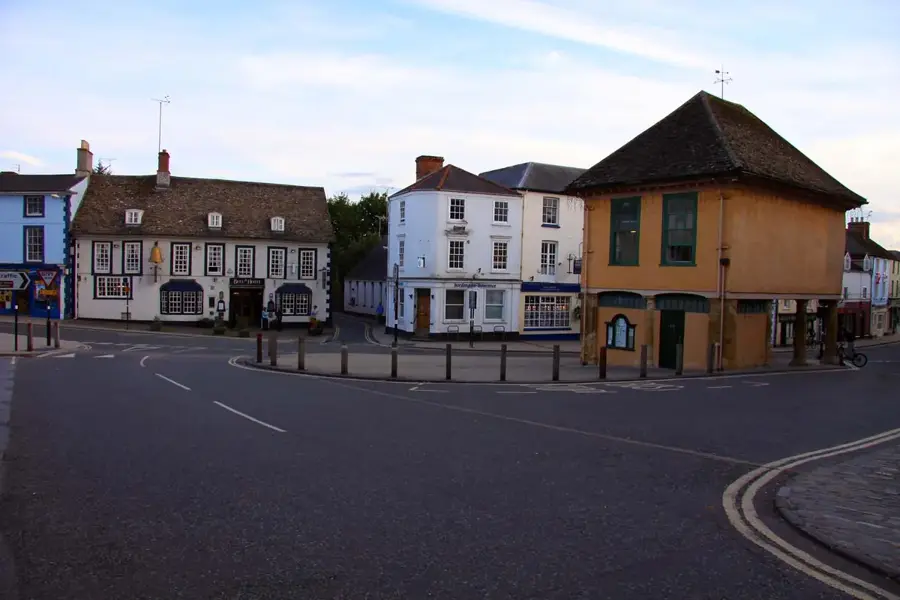
Faringdon is a historic market town in the Vale of White Horse, Oxfordshire, located between the Berkshire Downs and the Cotswolds. The town was granted its market charter by King Henry III in 1218 and has remained a commercial hub for the surrounding agricultural district ever since. Its most iconic landmark is the Faringdon Folly, a 100-foot tower built in 1935 by the eccentric Lord Berners on Folly Hill. This tower is noted for being the last major folly built in England and provides spectacular views across several counties. Lord Berners' legacy of eccentricity remains a core part of the town's identity, including the famous 'pink pigeons' that he used to keep at his estate. The town centre is rich in historic architecture, notably the 17th-century Old Town Hall and the ancient All Saints Church, which suffered damage during a Civil War siege in 1646. Geographically, the area is known for its unique geology, including ironstone and limestone deposits. Today, Faringdon is a thriving community that balances its rich historical and quirky heritage with modern life, serving as a gateway to the scenic landscapes of the Thames Valley.
- Location: United Kingdom, United Kingdom
- Top sights: Faringdon Folly Tower · All Saints' Church · The Market Place
- Nearby: Highworth (9 km)
- Population: ~7.121
Best time to visit & climate
The most pleasant time to visit is Jun–Aug.
| Jan | Feb | Mar | Apr | May | Jun | Jul | Aug | Sep | Oct | Nov | Dec | |
|---|---|---|---|---|---|---|---|---|---|---|---|---|
| Avg °C | 4 | 4 | 6 | 9 | 12 | 15 | 17 | 17 | 14 | 11 | 7 | 5 |
| Rain mm | 69 | 57 | 54 | 47 | 58 | 59 | 61 | 66 | 47 | 79 | 79 | 75 |
Geography
Facts
- Faringdon Folly was the last major folly built in England (1935).
- Lord Berners famously dyed his pigeons pink, blue, and green.
- The town received its market charter from King Henry III in 1218.
- Faringdon was transferred from Berkshire to Oxfordshire in 1974.
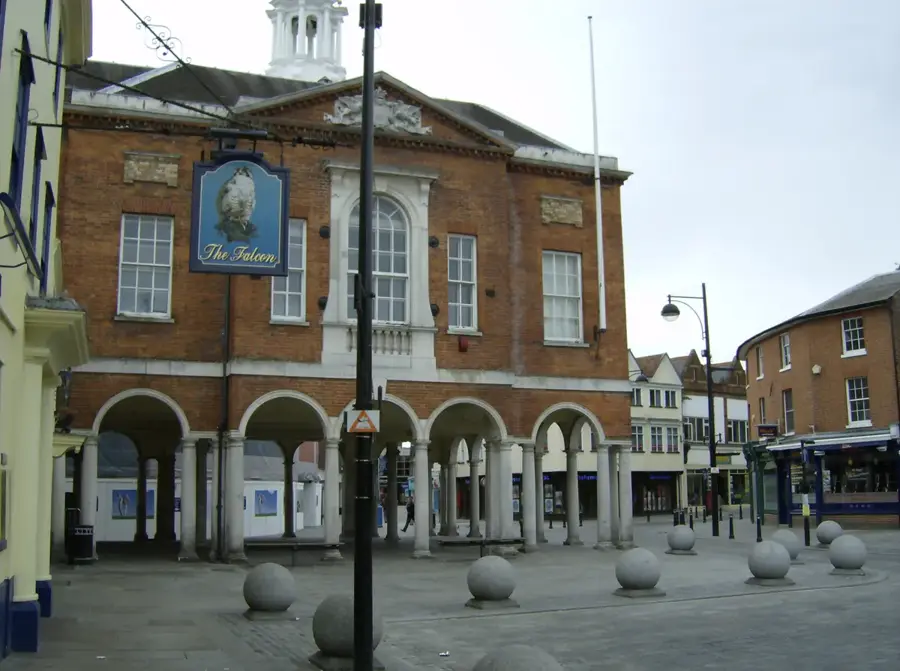
- The Old Town Hall is a 17th-century building resting on stone pillars.
- All Saints Church was heavily damaged during the Civil War siege of 1646.
Explore nearby
Notable places around
Route planner — Car & Motorhome
Where do you start? We build the route here, with stops and country notes along the way.
© OpenStreetMap contributors · OpenRouteService
Sights in the town Faringdon (11)
Frequently asked questions
What is Faringdon known for?
What can you do at the Folly Tower?
Are there any quirky things in the town?
When is market day?
What is a good place for children?
Faringdon: where is it located?
Faringdon: what is there to see?
Faringdon: when is the best time to visit?
Faringdon: why is it worth visiting?

Nearby cities