Plizio Visual Lab

El Escorial
Plizio editorial teamData Sources
palace
—°9
El Escorial (Spain)

Weather…

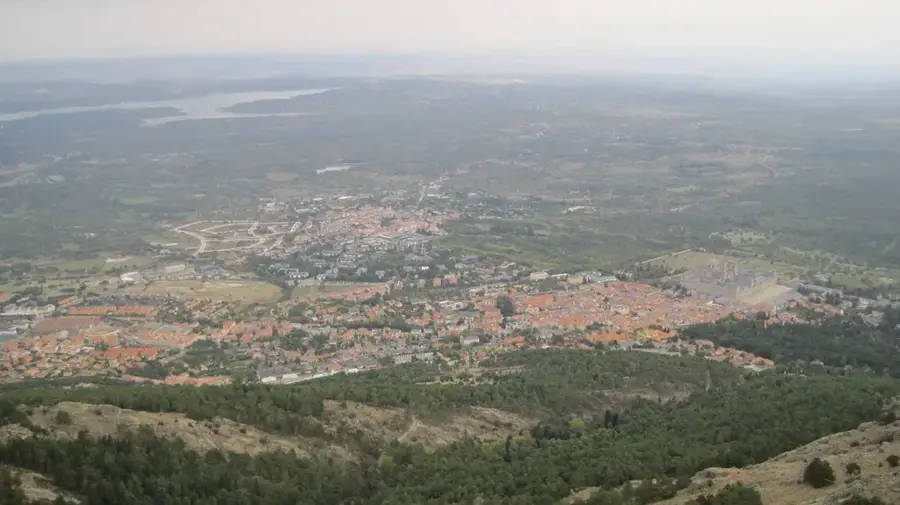
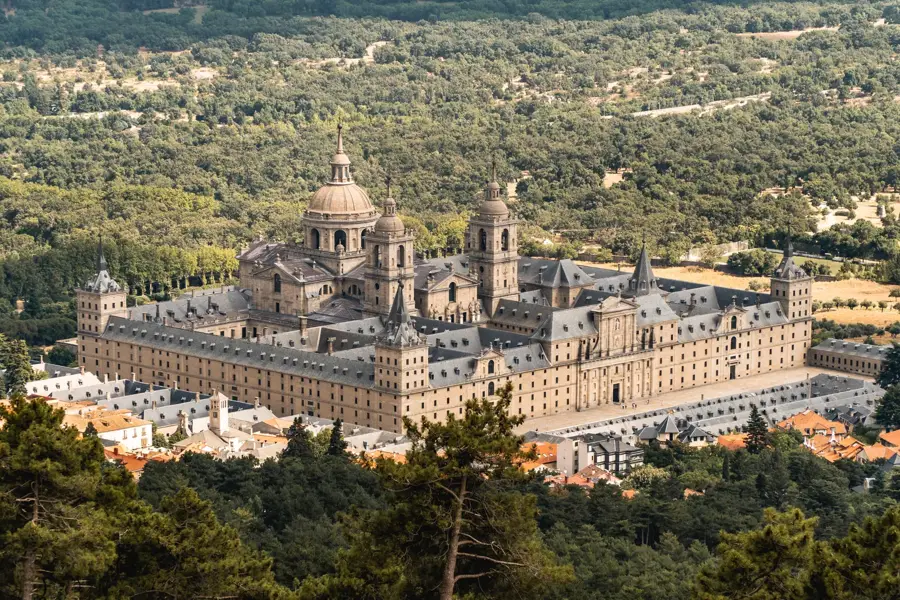
The Royal Monastery of San Lorenzo de El Escorial is a massive palace and monastery complex near Madrid, commissioned by King Philip II and built between 1563 and 1584. Designed primarily by Juan Bautista de Toledo and Juan de Herrera, it introduced a stark, unornamented Renaissance style known as Herrerianism. The site functions as a monastery, royal residence, library, and the primary burial site for Spanish monarchs. Within the Royal Pantheon beneath the basilica, almost all Spanish kings and queens since Charles V are entombed. The library is a world-class institution, housing more than 40,000 rare manuscripts and books, including unique Arabic and Greek texts. Designated as a UNESCO World Heritage site in 1984, the complex's gridiron floor plan is said to commemorate the martyrdom of Saint Lawrence. It stands as the ultimate architectural expression of the Spanish Empire's religious and political ideological foundations during the Counter-Reformation.

Best time to visit & climate

The most pleasant time to visit is Jun, Aug, Sep.

JanFebMarAprMayJunJulAugSepOctNovDec
Avg °C4581116222525201484
Rain mm38394852432291424665440

📋 Practical info

🚪
Visiting
El Escorial is a monumental complex of palace, monastery and museum that can be visited. Entry is through the visitor centre, and many areas are accessible.
🕒
Typical hours
The complex is typically open Tuesday to Sunday, closed on Mondays. Opening hours vary by season; exact details are on the official website.
📷
Photography
Photography without flash is allowed in most rooms, prohibited in some areas for conservation reasons. Pay attention to the signs on site.
⏱️
Time needed
Allow at least two to three hours to see the main rooms, the library, and the basilica. Art lovers should budget more time.
Combine with
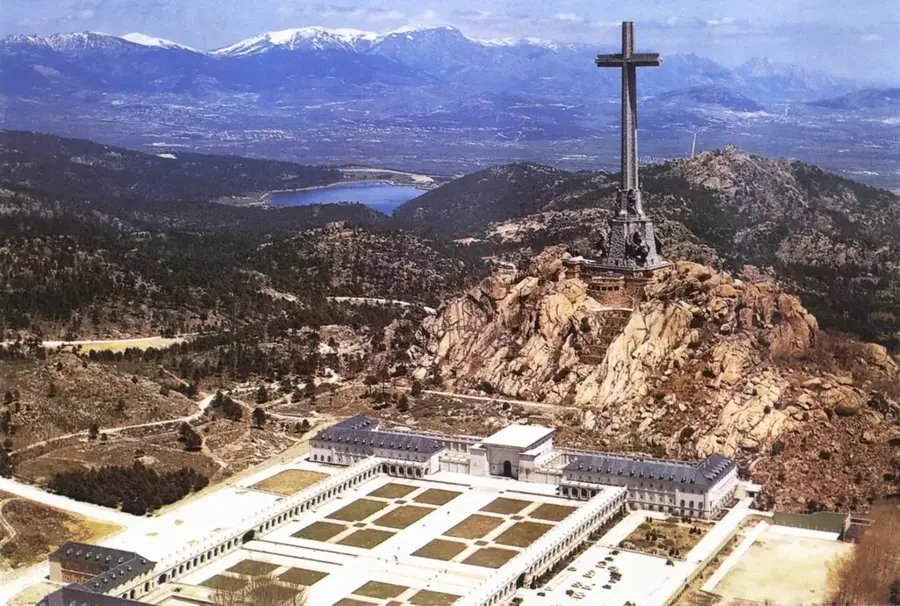
Combine the visit with a trip to the nearby Valley of the Fallen or the town of San Lorenzo de El Escorial. Madrid is only about an hour away.
🧭
Getting there
El Escorial is reachable by train from Madrid Chamartín in about one hour. Regular buses also run; by car, there are parking facilities nearby.
💡
Insider tip
Buy your ticket online to avoid waiting, especially on weekends. Audio guides are highly recommended to understand the site's history.

Geography

Coordinates
40.58900, -4.14700

Facts

  • Constructed over a 21-year period (1563–1584)
  • The library contains more than 40,000 rare volumes
  • Primary burial site for Spanish royalty since Charles V
  • UNESCO World Heritage site designation in 1984
  • The complex measures 207 by 161 meters
  • Features 15 cloisters, 16 courtyards, and 86 staircases

Explore nearby

Notable places around
Route planner — Car & Motorhome

Where do you start? We build the route here, with stops and country notes along the way.

Vehicle
Only stops with (optional):

© OpenStreetMap contributors · OpenRouteService

Sights in the town El Escorial (9)

Casita del Príncipe🏺 historical

This neoclassical lodge was built in the 18th century for the Prince of Asturias.

Real Monasterio de San Lorenzo de El Escorial⛪ religious

The monumental monastery is a UNESCO World Heritage site and the burial place of Spanish kings.

Teatro Auditorio de San Lorenzo de El Escorial🎭 culture

A modern theatre and auditorium that hosts major musical and cultural events.

Real Coliseo Carlos III🎭 culture

One of the oldest indoor theatres in Spain, built by order of King Charles III.

Museo Cocheras del Rey🏛 museum

The museum displays historical royal carriages and the logistics of the Spanish court.

InsectPark🏛 museum

A specialized museum dedicated to the study and display of global insect biodiversity.

Auditorio de la Manguilla🎭 culture

A local auditorium used for cultural performances and community events in El Escorial.

La Silla de Felipe II🌿 nature

From this rocky outcrop, King Philip II is said to have watched the construction of the Escorial monastery.

Piscina Don Felipe🎡 recreation

A public swimming pool in El Escorial providing cooling and leisure activities.

Sights nearby

Frequently asked questions

Who is buried in the Royal Pantheon?
Almost all Spanish monarchs since Charles V and Philip II are buried there.
How to get there from Madrid?
By Cercanías commuter train line C-3 from Atocha station or by bus 661 from Moncloa.
Is the library open to visitors?
Yes, the magnificent Renaissance library is part of the regular visitor tour.
How long does a full visit take?
Plan for at least 3 to 4 hours, as the complex is huge.
When was the monastery built?
It was built between 1563 and 1584 under the reign of Philip II.
El Escorial: where is it located?
El Escorial is located in Galicia, Spain.
El Escorial: what is there to see?
Highlights include Casita del Príncipe, Real Monasterio de San Lorenzo de El Escorial, Teatro Auditorio de San Lorenzo de El Escorial.
El Escorial: when is the best time to visit?
The most pleasant time to visit is Jun, Aug, Sep.
El Escorial: why is it worth visiting?

The Royal Monastery of San Lorenzo de El Escorial is a massive palace and monastery complex near Madrid, commissioned by King Philip II and built between 1563 and 1584.
View on map → The Top 50 Attractions → Most beautiful beaches → OpenStreetMap →
Europe
Explore with Plizio Discover more places in Europe
More places in Spain →

Nearby cities

History & landmarks