Plizio Visual Lab
Lake Ambadi

Weather…
Water temperature…
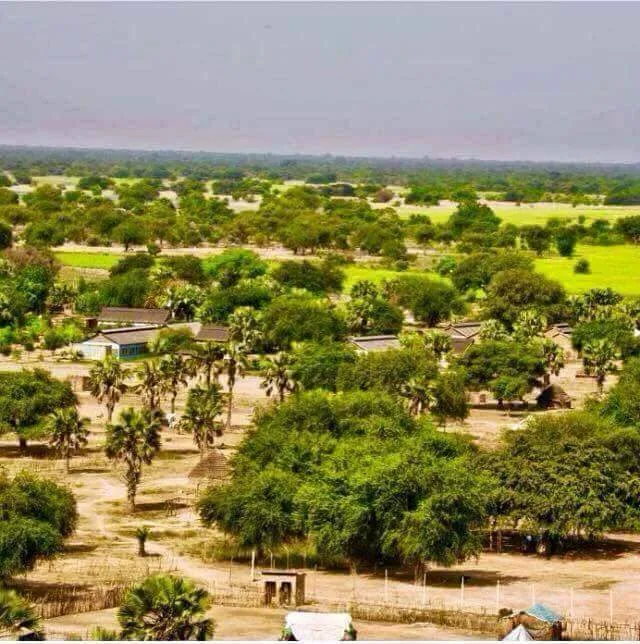
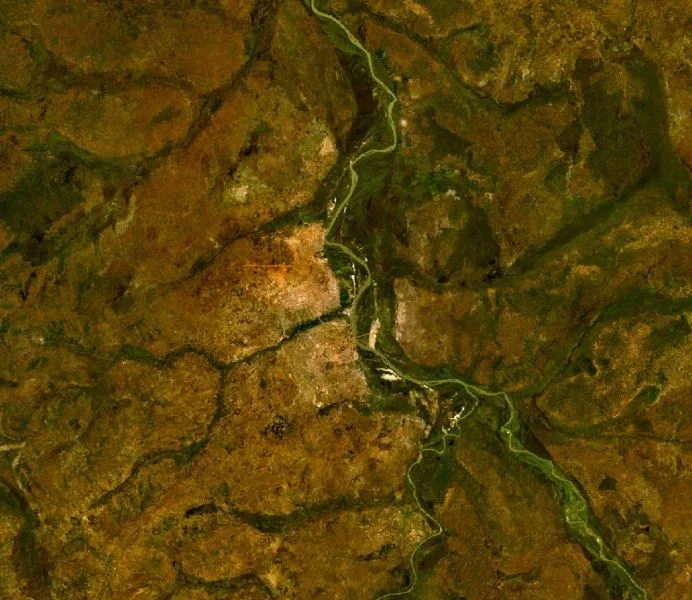
Lake Ambadi is a remote freshwater lake located in Warrap State, South Sudan, forming an integral part of the extensive Bahr el Ghazal basin. Primarily fed by the Jur River, it is celebrated for its pristine natural environment and immense biological diversity. The lake is encircled by vast wetlands and floating islands of papyrus, creating a good sanctuary for rare and elusive wildlife. Lake Ambadi is particularly renowned for its population of the shoebill stork, a prehistoric-looking avian species that nests deep within the lake's dense reed beds. Geologically, the lake sits within a shallow depression that expands dramatically during the rainy season, merging with the surrounding floodplains. Historically, the region's relative inaccessibility has shielded it from large-scale industrial development, contributing to the preservation of its delicate ecosystem. For the local Dinka people, the lake is a vital resource for subsistence fishing, providing both food security and trade opportunities. Conserving Lake Ambadi is essential for maintaining the ecological health of the broader Sudd wetland system.
- Location: South Sudan
- Nearby: Mayom (57 km)
Best time to visit & climate
The most pleasant time to visit is Jan, Nov, Dec.
| Jan | Feb | Mar | Apr | May | Jun | Jul | Aug | Sep | Oct | Nov | Dec | |
|---|---|---|---|---|---|---|---|---|---|---|---|---|
| Avg °C | 29 | 31 | 33 | 33 | 30 | 28 | 27 | 26 | 27 | 28 | 29 | 29 |
| Rain mm | 0 | 0 | 6 | 30 | 103 | 140 | 151 | 203 | 152 | 92 | 7 | 2 |
📋 Practical info
Geography
Facts
- Lake Ambadi is one of the largest open-water bodies within the Bahr el Ghazal system.
- It is a primary study site for ornithologists researching the shoebill stork.
- The lake's depth rarely exceeds 3 meters, even during the peak of the rainy season.
- It serves as a critical nursery for numerous fish species found in the White Nile.
- The surrounding swamps act as a natural carbon sink, storing vast amounts of CO2.
- Local folklore considers the lake a sacred site with spiritual significance for the Dinka.
Explore nearby
Notable places around



Route planner — Car & Motorhome
Where do you start? We build the route here, with stops and country notes along the way.
© OpenStreetMap contributors · OpenRouteService
Sights nearby
Frequently asked questions
What is Lake Ambadi?
Is the lake suitable as an excursion destination?
Is there a rich wildlife there?
How is the water quality?
When is a visit worthwhile?
Lake Ambadi: where is it located?
Lake Ambadi: when is the best time to visit?
Lake Ambadi: why is it worth visiting?

Nearby cities