Plizio Visual Lab
Deim Zubeir
ℹ️Practical info — Deim Zubeir
▾
🌤 Weather — 5 days
📍 Nearby
Sights nearby
💡 Tips
- Prepare for very basic infrastructure; bring plenty of cash and your own supplies.
- Respect the sensitive history of the former slave trade era when engaging in conversations with locals.
- Travel with a local guide due to the remote and unpaved roads in the region.
- Drink only bottled or carefully purified water during your entire stay.
🍽 Food
A traditional sorghum porridge often served at small street stalls in the village center.
Look for this flatbread served with local stews in the market area.
Buy a glass of freshly brewed, sweet tea from the tea vendors along the main road.
🛍 Shopping · 🧘 Quiet spots
Buy fresh fruits and vegetables directly at the small main village market.
Look for handmade baskets crafted by villagers from local grasses.
Walk to the edge of the settlement to enjoy expansive, quiet views of the savanna.
Find a spot under the large trees near the village square for a shaded rest.
Water temperature…
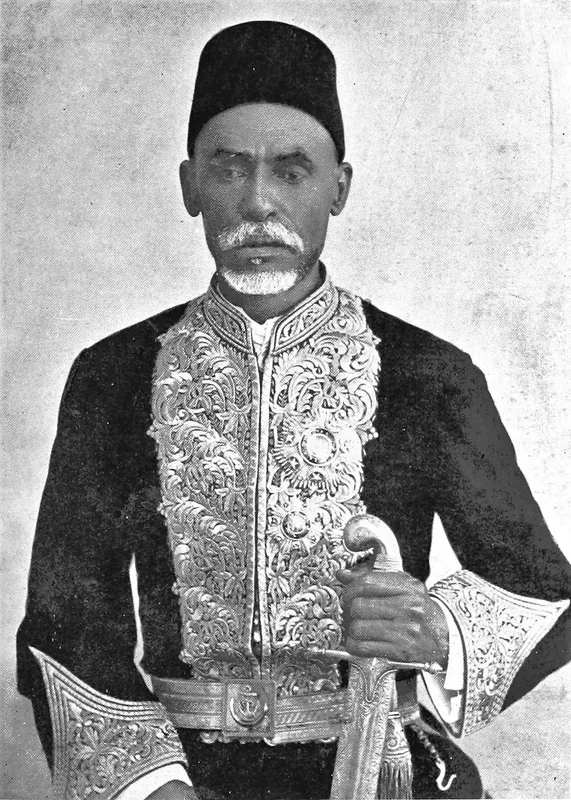
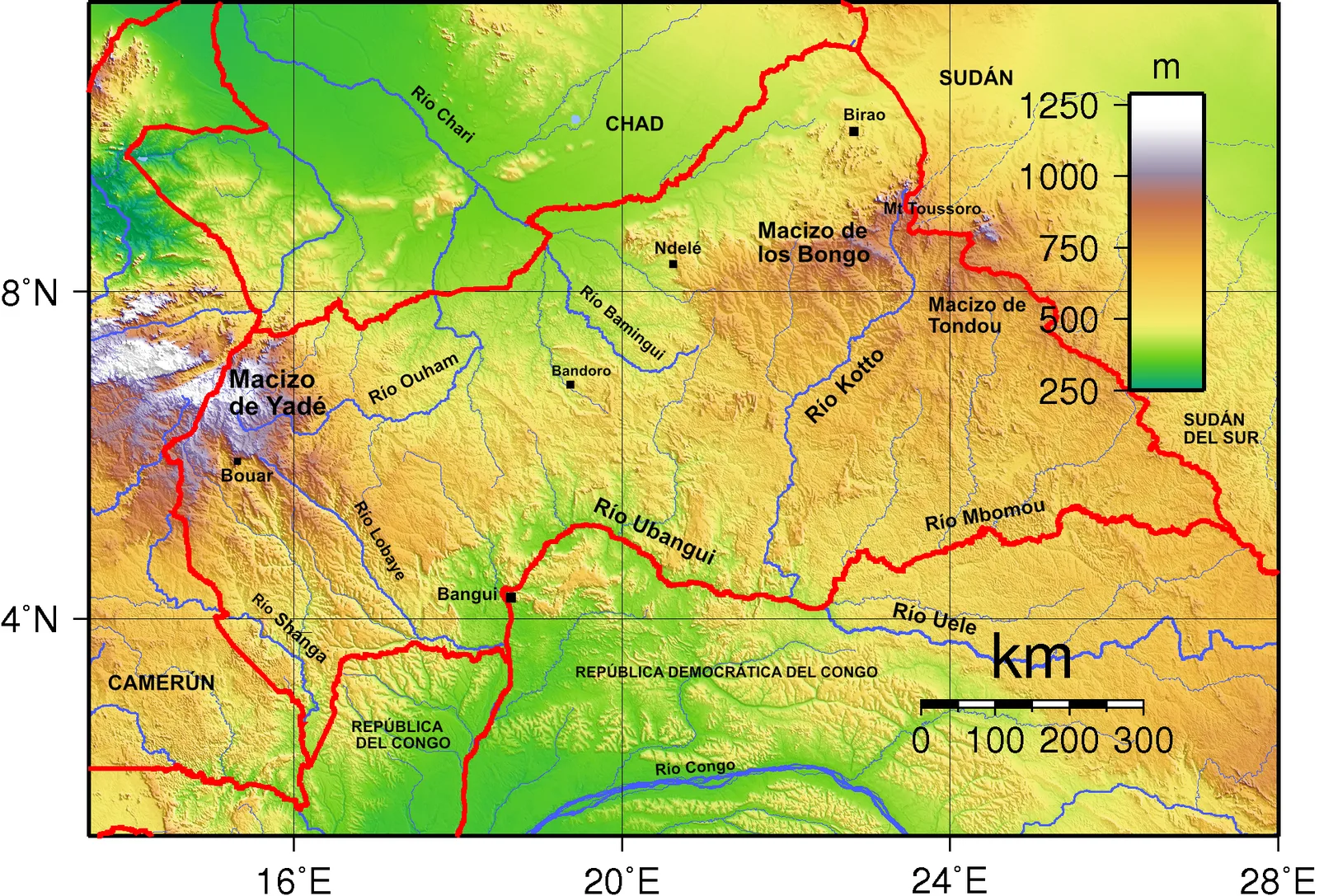
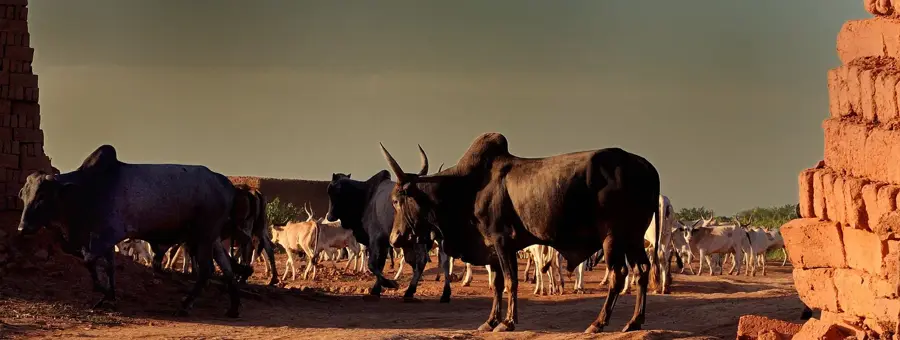
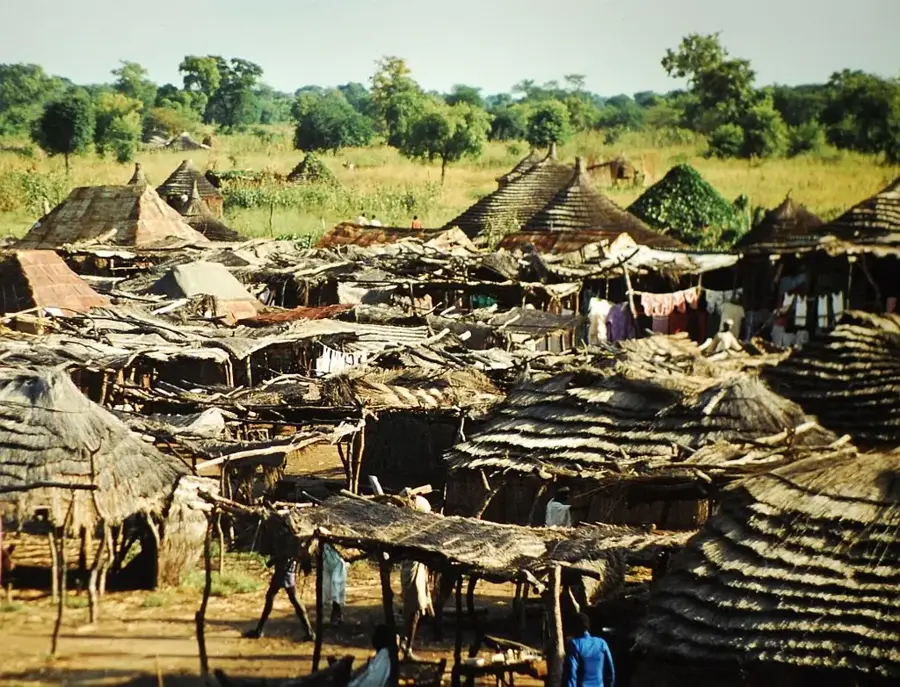
Deim Zubeir is a settlement of profound historical significance in Western Bahr el Ghazal State, South Sudan. The site is inextricably linked to 19th-century history, when it was established as a fortified base (zariba) by the infamous slave and ivory trader Al-Zubayr Rahma Mansur. The ruins of this fort and the surrounding archaeological remains bear witness to a dark era of trans-regional trade and colonial expansion. Due to its historical relevance, Deim Zubeir is on the tentative list for UNESCO World Heritage status. Geographically, the settlement is located on a plateau that provides a strategic overview of the surrounding plains. Today, Deim Zubeir is a site for reflection and research, attracting visitors interested in the complex history of Sudan and South Sudan. The local community consists of various ethnic groups who practice agriculture and cattle rearing in this historically charged landscape. Preserving the historical sites remains a major challenge but is of great importance for understanding regional identity. Deim Zubeir remains a significant monument to human history and the impacts of global trade in the heart of Africa.
Best time to visit & climate
The most pleasant time to visit is Jan, Nov, Dec.
| Jan | Feb | Mar | Apr | May | Jun | Jul | Aug | Sep | Oct | Nov | Dec | |
|---|---|---|---|---|---|---|---|---|---|---|---|---|
| Avg °C | 26 | 29 | 30 | 29 | 28 | 26 | 25 | 24 | 25 | 25 | 25 | 25 |
| Rain mm | 2 | 6 | 31 | 81 | 167 | 167 | 180 | 224 | 190 | 140 | 22 | 8 |
Geography
Facts
- Founded in the 19th century by the trader Al-Zubayr Rahma Mansur.
- On the tentative list for UNESCO World Heritage status.
- Former center of the slave and ivory trade in the region.
- Hosts archaeological remains of a fortified Zariba.
- Strategically located on an elevated plateau.
- Important site for understanding the colonial history of Africa.
Explore nearby
Notable places around

Route planner — Car & Motorhome
Where do you start? We build the route here, with stops and country notes along the way.
© OpenStreetMap contributors · OpenRouteService
Frequently asked questions
What makes Deim Zubeir historically significant?
Are there accommodations in Deim Zubeir?
When is the best time to visit?
Can you experience local culture in Deim Zubeir?
What should I consider when traveling to Deim Zubeir?
Deim Zubeir: where is it located?
Deim Zubeir: when is the best time to visit?
Deim Zubeir: why is it worth visiting?

Nearby cities
History & landmarks
Nature
More places