seosaengpowaeseong
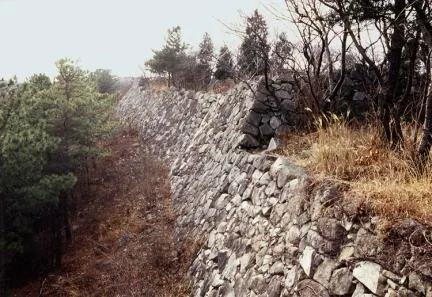
Seosaengpo Waeseong is a remarkably well-preserved Japanese-style stone fortress situated in the coastal area of Jinha-ri, Ulsan, South Korea. Built during the Japanese invasions of Korea (the Imjin War) in the late 16th century, specifically around 1593, it stands as a significant historical monument. The fortress was constructed by the Japanese general Kato Kiyomasa and showcases the distinct architectural features of Japanese castles from that era, including characteristic sloping stone walls and strategic defensive layouts.
After the war, the fortress was taken over and used by the Korean Joseon naval forces for several generations, adding layers to its complex history. Today, visitors can explore the extensive ruins which stretch from the hillside down to the coastal area.
Walking along the ancient stone walls offers not only a journey into the past but also panoramic views of the surrounding East Sea and Jinha Beach. It is a peaceful archaeological site surrounded by nature, making it a valuable destination for history enthusiasts and those looking to understand the turbulent historical relationship between Korea and Japan. The site features beautiful cherry blossoms in spring, adding a vibrant atmosphere to the historical ruins.
Weather…
Best time to visit & climate
The most pleasant time to visit is May, Jun, Oct.
| Jan | Feb | Mar | Apr | May | Jun | Jul | Aug | Sep | Oct | Nov | Dec | |
|---|---|---|---|---|---|---|---|---|---|---|---|---|
| Avg °C | 3 | 5 | 8 | 13 | 17 | 21 | 24 | 26 | 22 | 17 | 11 | 5 |
| Rain mm | 42 | 53 | 74 | 112 | 118 | 150 | 240 | 194 | 168 | 76 | 54 | 42 |
Practical info
Tips
- Wear comfortable and sturdy walking shoes.
- Combine your visit with a trip to the nearby Jinha Beach.
- Bring a camera to capture the panoramic ocean views from the top.
FAQ
What is Seosaengpo Waeseong?
Why is this site historically significant?
When is the best time to visit?
Is the terrain difficult to navigate?
Route planner — Car & Motorhome
Where do you start? We build the route here, with stops and country notes along the way.
© OpenStreetMap contributors · OpenRouteService