Plizio Visual Lab
Sakakah
ℹ️Practical info — Sakakah
▾
🌤 Weather — 5 days
📍 Nearby
Sights nearby
💡 Tips
- Renting a car is essential, as public transportation options in the Al Jawf region are very limited.
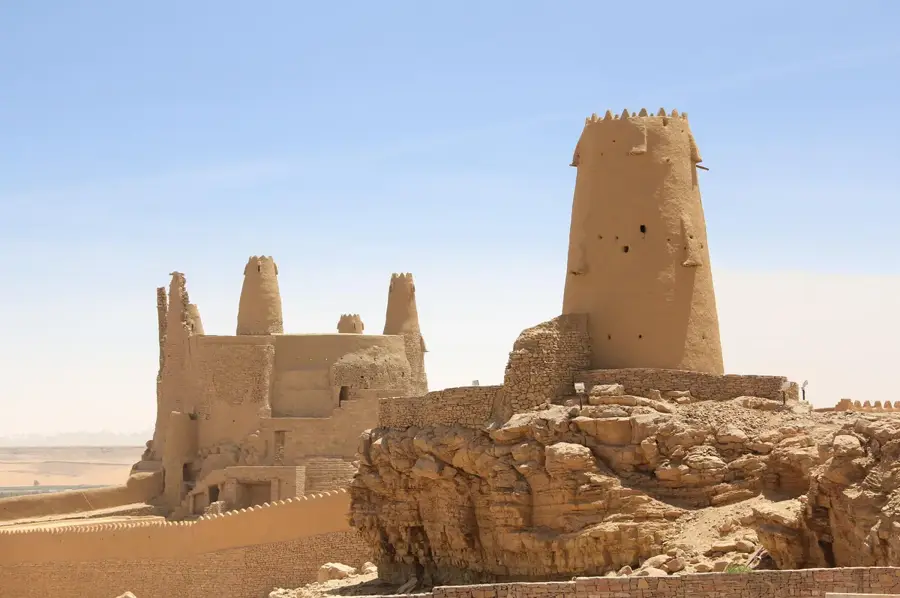
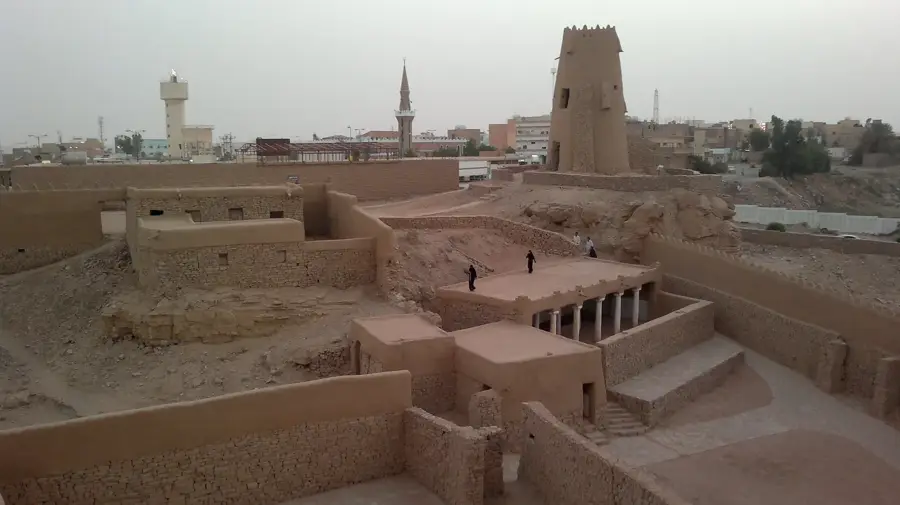
- Visit Za'abal Castle just before sunset for the best views and pleasant temperatures.
- Dress modestly and respect local customs, as the region is more traditional than major cities.
- Travel during the winter or spring months to avoid the extreme summer heat.
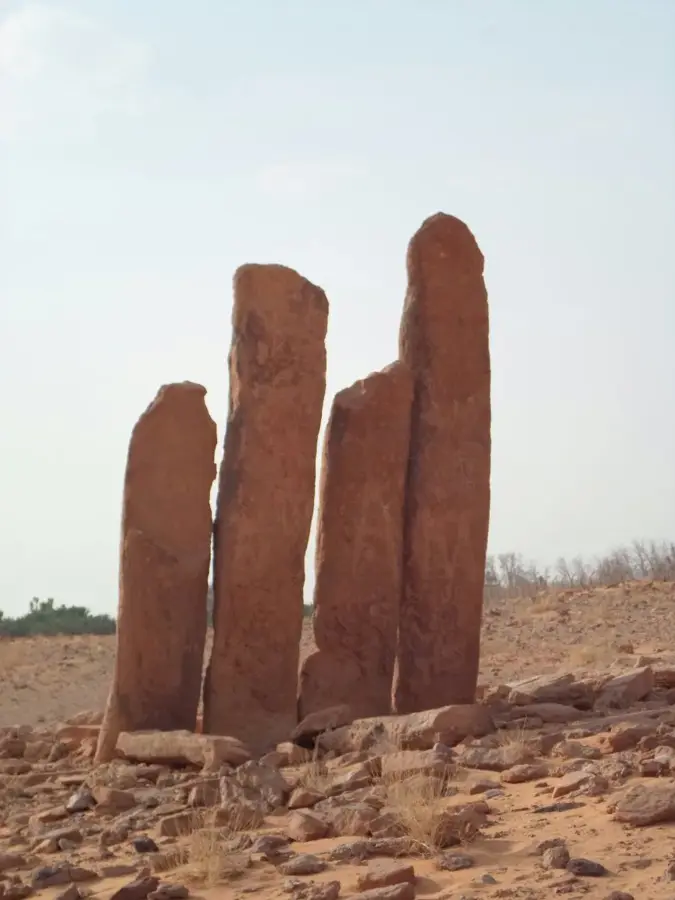
- The ancient standing stones of Rajajil are a fascinating, mysterious site just outside the city.
🍽 Food
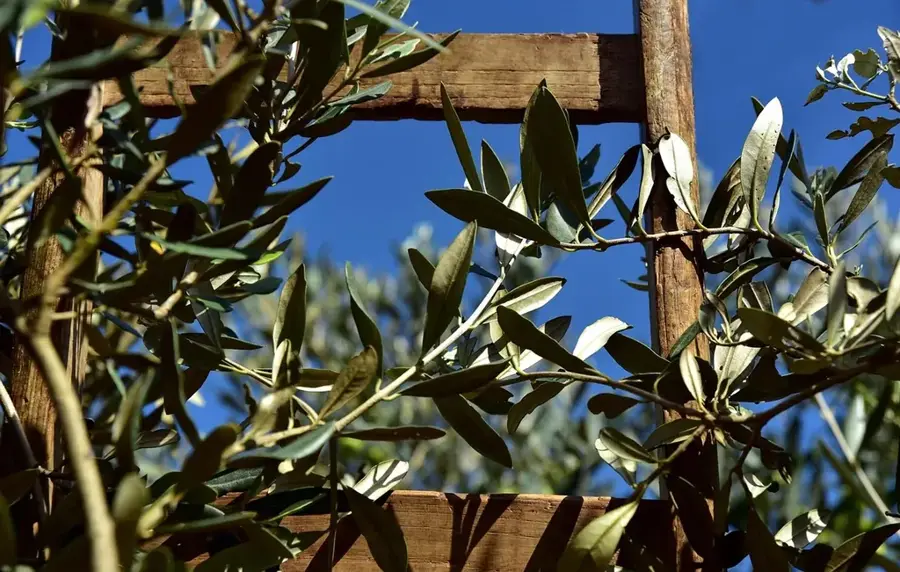
The region is famous for its olive farms, try the local oil with flatbread.
The traditional Saudi spiced rice and meat dish, widely available in local restaurants.
A local sweet treat made with dates and cardamom, well-suited with Arabic coffee.
🛍 Shopping · 🧘 Quiet spots
Buy premium local olive oil and fresh dates directly from regional farmers.
Look for traditional Bedouin crafts and local honey in the city's older market areas.
A quiet and atmospheric historical site offering panoramic views of the city.
Take a peaceful drive through the surrounding agricultural lands to see the vast olive groves.
Water temperature…
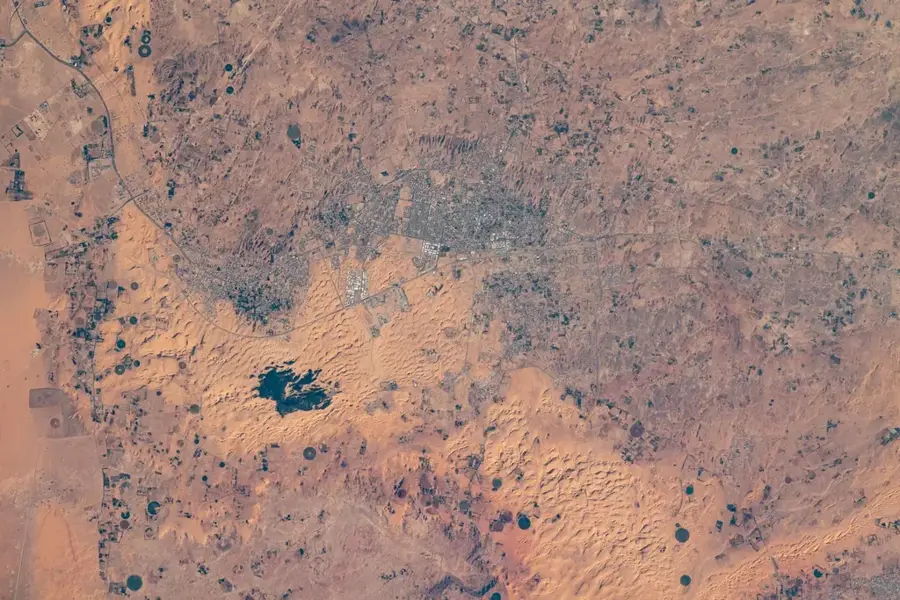
Sakakah serves as the capital of Al-Jouf Province in northern Saudi Arabia, a city where ancient history and modern industry converge in a unique desert landscape. Strategically positioned at a crossroads of ancient caravan routes, Sakakah has been a site of human habitation for thousands of years. The city’s skyline is dominated by the Za'abal Castle, a formidable mud-and-stone fortress built atop a mountain that has protected the oasis for generations. Nearby, the enigmatic Rajajil columns, often referred to as the 'Stonehenge of Arabia', consist of roughly 50 groups of upright stone slabs dating back over 5,000 years, pointing to a sophisticated prehistoric society. Today, Sakakah is at the heart of Saudi Arabia’s agricultural revolution, particularly in the production of olive oil. The Al-Jouf region is home to tens of millions of olive trees, hosting the world's largest modern olive grove and a massive processing infrastructure that supplies both domestic and international markets. In addition to agriculture, Sakakah is a pioneer in the Kingdom’s shift toward renewable energy, with significant solar power plants established in its vicinity. The city is also an educational hub, anchored by Al-Jouf University, which fosters research in fields ranging from medicine to agriculture. The climate in Sakakah is characterized by hot summers and surprisingly cold winters, with temperatures occasionally dropping below freezing. Cultural life in the city is deeply rooted in Najdi and northern tribal traditions, celebrated through local festivals and traditional cuisine. Modern Sakakah features broad boulevards, well-maintained parks, and a domestic airport that connects the city to major Saudi urban centers. As a gateway to the north, Sakakah plays a vital role in the Kingdom's logistical network, linking central Saudi Arabia with Jordan and the wider Levant region. For visitors, it has a blend of archaeological mystery and the refreshing greenery of its vast olive and palm groves.
- Location: Saudi Arabia
- Top sights: Mosque · Masjid Shaykh Faysal
- Population: ~128.332 (2026)
Best time to visit & climate
The most pleasant time to visit is Mar, Apr, Oct.
| Jan | Feb | Mar | Apr | May | Jun | Jul | Aug | Sep | Oct | Nov | Dec | |
|---|---|---|---|---|---|---|---|---|---|---|---|---|
| Avg °C | 8 | 11 | 16 | 21 | 27 | 31 | 33 | 33 | 30 | 24 | 15 | 10 |
| Rain mm | 8 | 3 | 3 | 1 | 0 | 0 | 0 | 0 | 0 | 1 | 5 | 4 |
Geography
Facts
- The Al-Jouf region accounts for about 67% of Saudi Arabia's total olive oil production.
- Sakakah's domestic airport serves several daily flights to Riyadh and Jeddah.
- Za'abal Castle is accessible via a steep, winding stone staircase.
- The city's climate allows for the successful cultivation of grapes and citrus.
- Archaeologists believe the Rajajil site was used for burial or religious rites.
- Sakakah has grown significantly since the 1970s due to agricultural subsidies.
- The town of Dumat al-Jandal, with its ancient mosque, is a short drive away.
- Sakakah is a key stop on the modern highway connecting Saudi Arabia and Jordan.
Explore nearby
Notable places around
Route planner — Car & Motorhome
Where do you start? We build the route here, with stops and country notes along the way.
© OpenStreetMap contributors · OpenRouteService
Sights in the town Sakakah (2)
Frequently asked questions
Why should you visit Sakaka?
How old is the Sakaka region?
When is the best time to travel?
Are there archaeological sights?
How do you get to Sakaka?
Sakakah: where is it located?
Sakakah: what is there to see?
Sakakah: when is the best time to visit?
Sakakah: why is it worth visiting?

Nearby cities
More places