Teleorman Pop Fest
One of Romania's longest-running light music festivals, promoting young voices, held annually in June at the Multifunctional Youth Center in Alexandria.
Plizio Visual Lab
Try this spicy fish brine, a southern specialty often served in restaurants near the Vedea river area.
A staple dish served authentically in the traditional eateries found in the city center.
Look for small kiosks near the central market for these traditional Romanian fried dough treats.
The go-to spot for local honey, walnuts, and seasonal fruit directly from the regional farmers.
Look for small shops in the streets surrounding the Cathedral for traditional textiles.
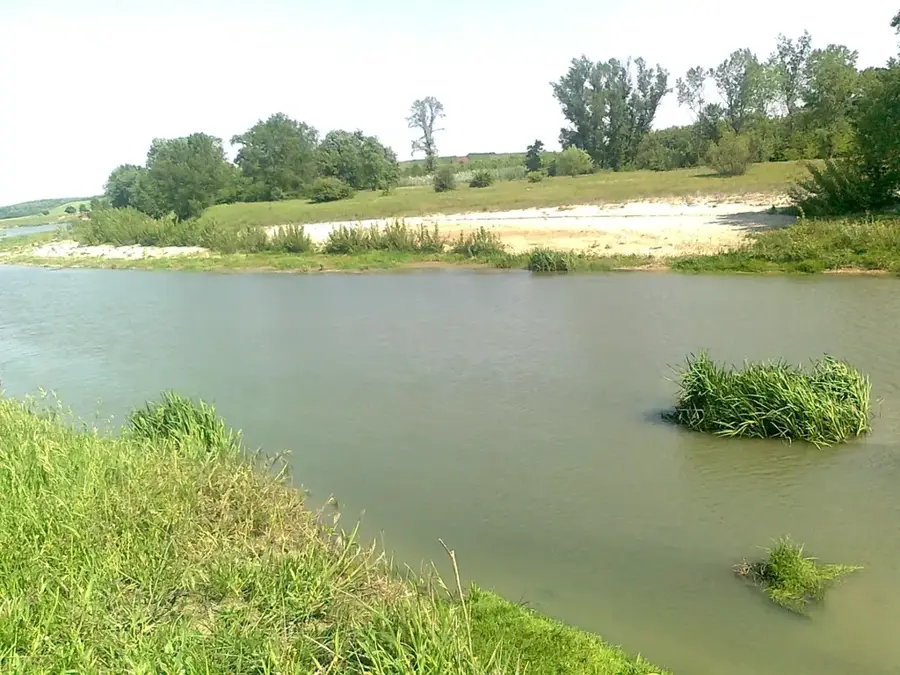
A spacious green area by the riverbank, great for a peaceful stroll away from the traffic.
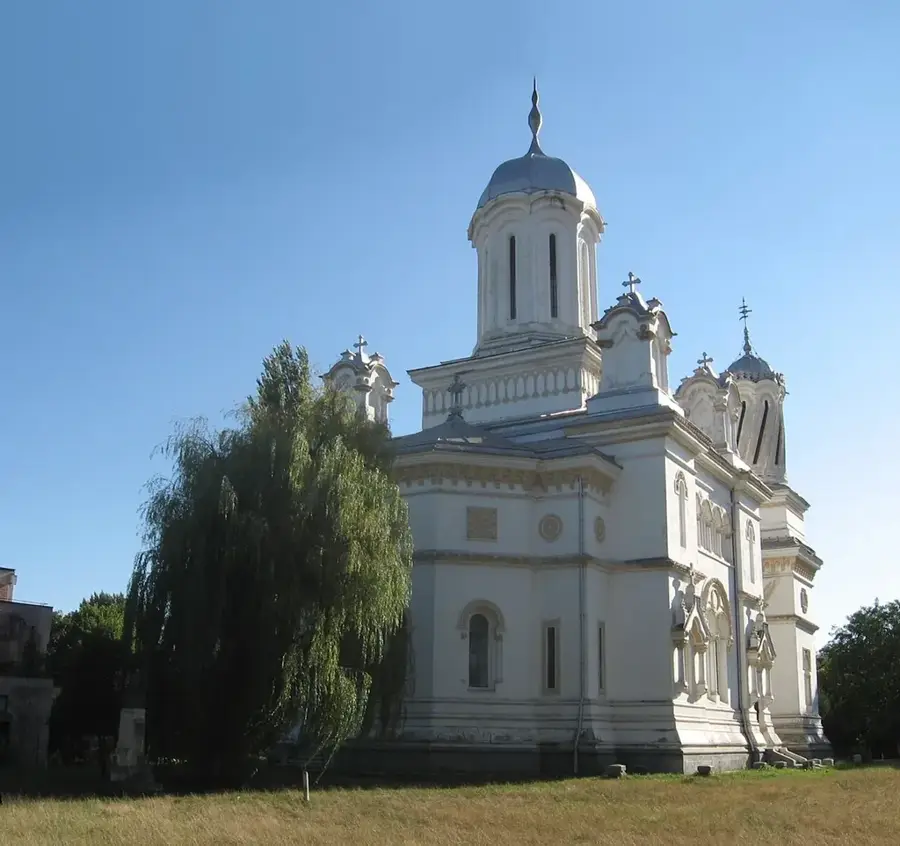
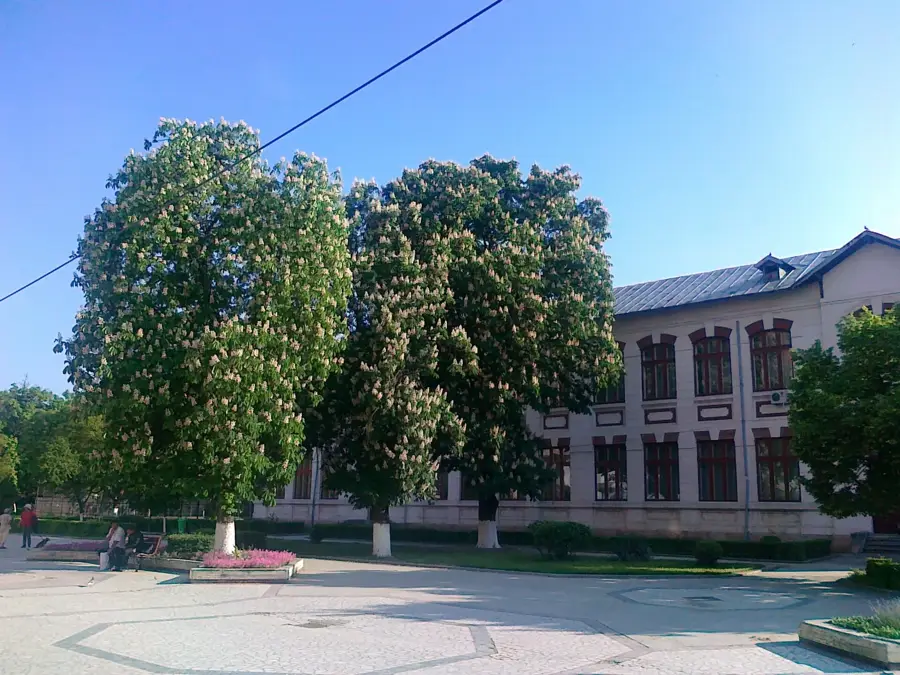
The small landscaped areas around the St. Alexander Cathedral offer a moment of quiet reflection.
Water temperature…
One of Romania's longest-running light music festivals, promoting young voices, held annually in June at the Multifunctional Youth Center in Alexandria.
An annual county celebration in Alexandria with folk shows, traditional dress parades and concerts honoring the traditions and heritage of Teleorman County.
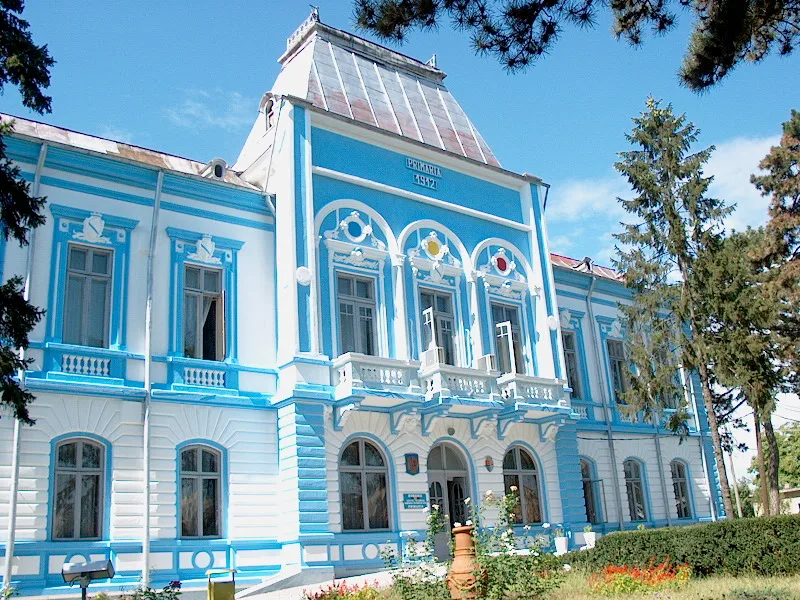
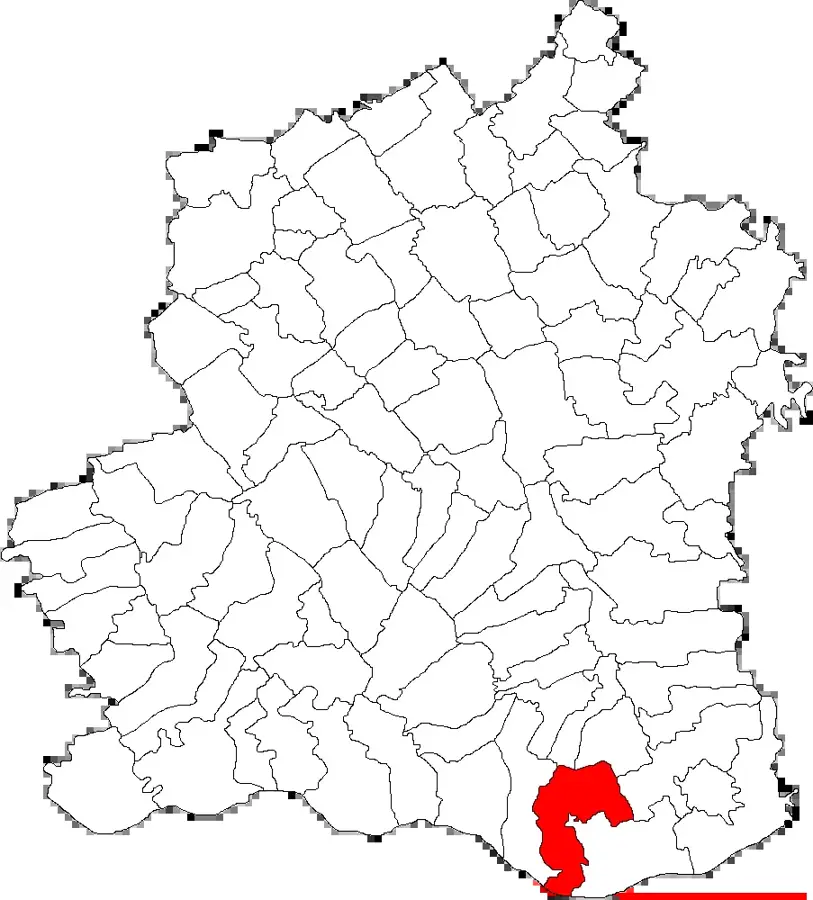
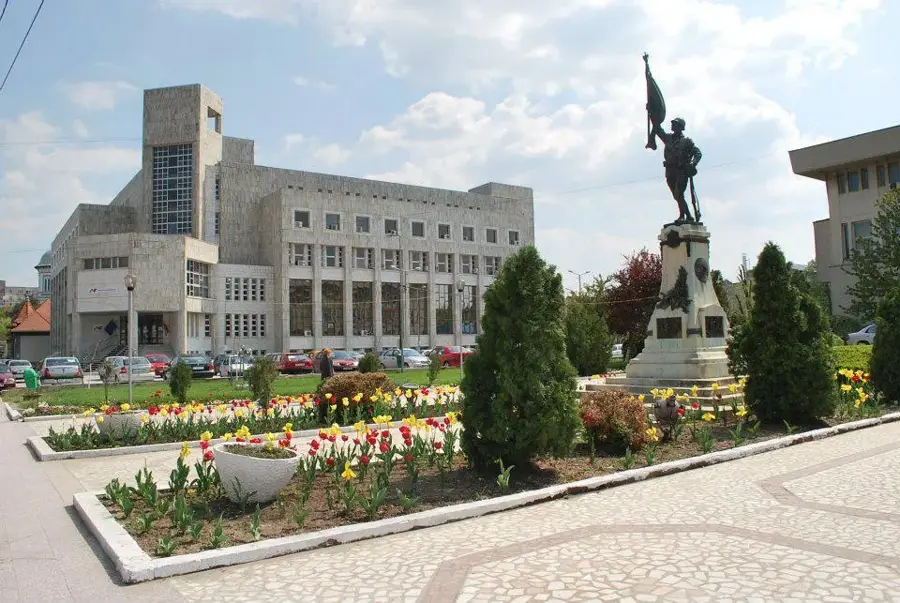
Alexandria is the capital city of Teleorman County in southern Romania, situated on the Vedea River in the vast Romanian Plain. Founded in 1834, the city was named after its founder, Prince Alexandru Dimitrie Ghica, and is notable for its deliberate urban planning. Unlike many medieval towns in the region, Alexandria was designed with a strict grid pattern of wide, straight streets, which was highly innovative for Walachia at the time. It quickly emerged as a significant commercial hub, particularly for the grain trade, attracting merchants from across the Balkans. The city's spiritual and architectural centerpiece is the St. Alexander Cathedral, a Neo-Byzantine structure completed in 1898 that holds the tomb of Prince Ghica. Over the decades, Alexandria transitioned from a busy market town into an administrative and industrial center, with a strong focus on food processing and agricultural machinery. Its geographical position makes it a key transit point between Bucharest and the Danube ports such as Zimnicea. The city is surrounded by some of the most fertile agricultural lands in Romania, which continues to dictate its economic profile and cultural heritage as a center of rural traditions and modern agribusiness.
The most pleasant time to visit is May, Jun, Sep.
| Jan | Feb | Mar | Apr | May | Jun | Jul | Aug | Sep | Oct | Nov | Dec | |
|---|---|---|---|---|---|---|---|---|---|---|---|---|
| Avg °C | -1 | 1 | 7 | 12 | 18 | 23 | 25 | 26 | 20 | 13 | 7 | 1 |
| Rain mm | 46 | 36 | 42 | 43 | 65 | 77 | 61 | 45 | 51 | 56 | 41 | 48 |
Notable places around
Where do you start? We build the route here, with stops and country notes along the way.
© OpenStreetMap contributors · OpenRouteService
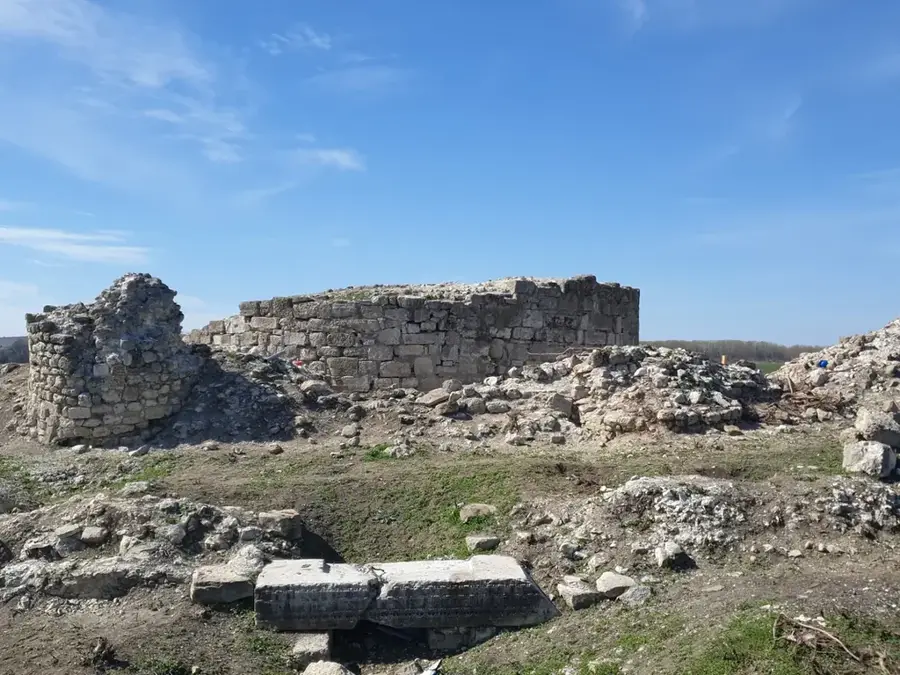
A museum displaying archaeological, historical, and ethnographic exhibits from the Teleorman region.