Plizio Visual Lab

Cotabato Valley
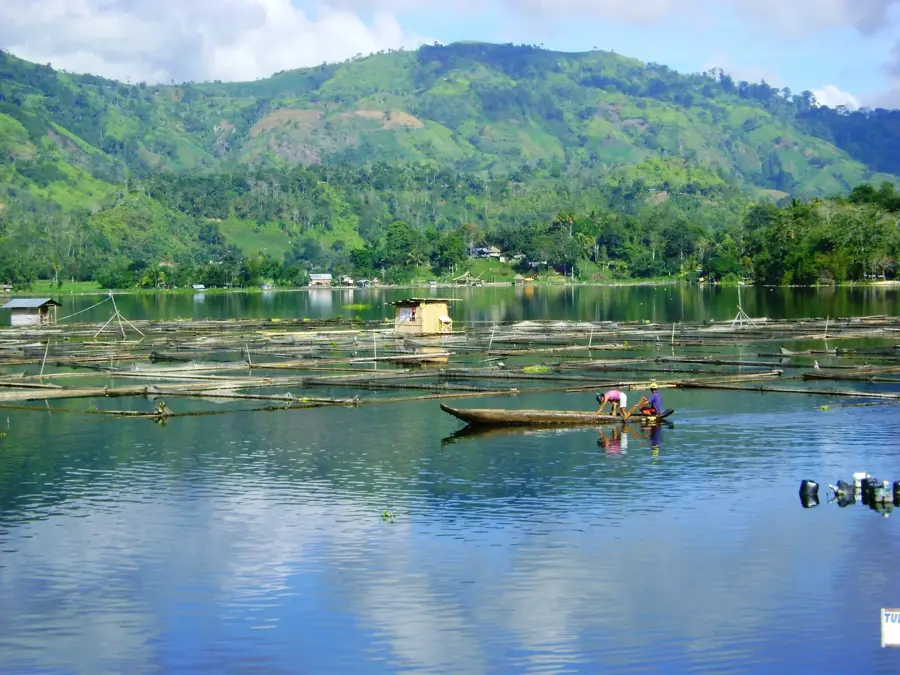
Plizio editorial teamData Sources
valley
—°1
Cotabato Valley (Philippines)

Weather…

The Cotabato Valley is one of the largest and most fertile lowlands in the Philippines, stretching across the central and southwestern part of Mindanao. The relief forms a wide, flat basin surrounded by high mountain ranges like the Daguma Mountains. The topography is significantly shaped by the Rio Grande de Mindanao, which drains the valley and floods large areas during high water. These fluvial deposits have made the valley the most important rice granary of Mindanao. The relief is extremely flat in large parts, which favors the construction of irrigation systems but also makes the region vulnerable to extreme climatic events. Geologically, the basin is a subsidence zone rich in fertile volcanic and alluvial soils.

Best time to visit & climate

The most pleasant time to visit is Jan–Mar.

JanFebMarAprMayJunJulAugSepOctNovDec
Avg °C252526272726262626262626
Rain mm12693118134249353288214262296154147

📋 Practical info

🧭
Getting there
The sprawling river valley is accessed via a network of national highways originating from regional hubs like Cotabato City or General Santos City. Public buses and minivans provide regular transport across the broad, flat agricultural plains of the region.
📅
Best season
Visiting between January and May ensures the driest conditions for moving around the predominantly agricultural areas without encountering muddy roads. The heavy rains later in the year can cause the massive river system to swell, sometimes flooding rural routes.
⛰️
Terrain & paths
The core of the valley features vast expanses of low-lying wetlands, agricultural fields, and marshes drained by an enormous river network. Exploring beyond the main roads often means traversing flat but soft, unpaved terrain that skirts around active farms.
🎒
What to bring
Lightweight, long-sleeved clothing is convenient to protect against the intense sun and biting insects near the marshlands and rivers. Closed-toe, water-resistant footwear is highly practical when walking near agricultural zones or crossing small river tributaries.
🅿️
Parking
Ample parking can usually be found at designated stops along the highway, local marketplaces, and the administrative centers of rural barangays. When visiting more isolated farms or nature spots, parking is generally arranged informally with local landowners.
⚠️
Safety
It is crucial to stay updated on local security advisories, as travel guidance for certain rural sections can fluctuate periodically. Keep to main daytime routes, avoid traveling at night, and respect local cultural customs when visiting community centers.
⏱️
Time needed
A standard transit through the valley taking in the scenic vistas and stopping at local markets usually requires one to two full days. Visitors mostly experience the valley as part of a larger overland journey between major cities in Central Mindanao.

Geography

Coordinates
7.00000, 124.50000

Facts

  • The Rio Grande de Mindanao is the second longest river in the Philippines.
  • The valley is often called the 'Rice Bowl of Mindanao'.
  • The Ligawasan Marsh is a vast wetland within the valley.
  • The region has a Muslim majority and is the center of the Bangsamoro Autonomous Region.
  • Agriculture is the mainstay of the economy.
  • The valley is a basin of subsidence created by tectonic activity.
  • It is a major producer of corn, coconut, and bananas.

Explore nearby

Notable places around
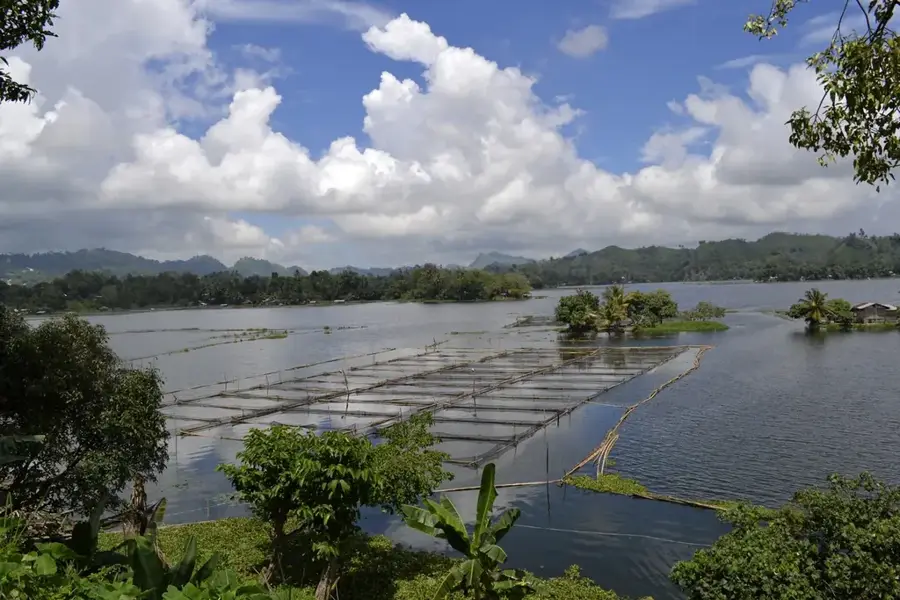
Route planner — Car & Motorhome

Where do you start? We build the route here, with stops and country notes along the way.

Vehicle
Only stops with (optional):

© OpenStreetMap contributors · OpenRouteService

Sights in the town Cotabato Valley (1)

Datu Piang Public Market🎭 culture

Datu Piang Public Market is a vital community hub in the Cotabato Valley where farmers trade agricultural staples and local wares.

Sights nearby

Frequently asked questions

What does the valley offer travelers?
It is known for its fertile landscapes and cultural diversity.
Is it safe to travel?
Check with official sources regarding the current situation before traveling.
What transportation is available?
Buses and jeepneys are the common means to move between cities.
When is the harvest time?
Harvest usually happens twice a year, depending on rice cultivation.
Is there tourist infrastructure?
It is limited; plan your accommodations in larger cities in advance.
Cotabato Valley: where is it located?
Cotabato Valley is located in Philippines.
Cotabato Valley: when is the best time to visit?
The most pleasant time to visit is Jan, Mar.
Cotabato Valley: why is it worth visiting?

The Cotabato Valley is one of the largest and most fertile lowlands in the Philippines, stretching across the central and southwestern part of Mindanao.
View on map → The Top 50 Attractions → OpenStreetMap →
Asia
Explore with Plizio Discover more places in Asia
More places in Philippines →

Nearby cities

Nature

More places