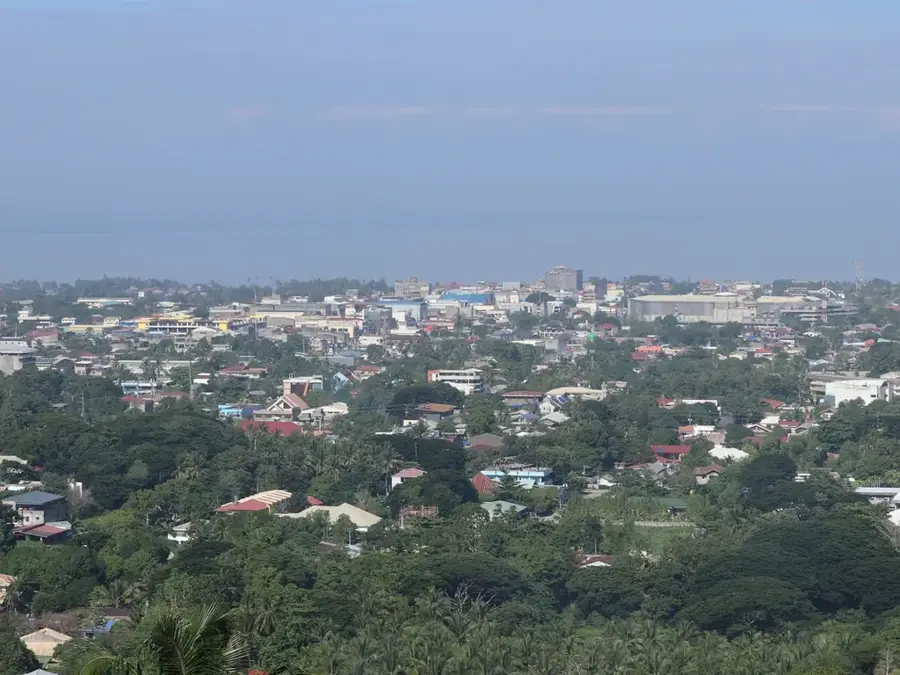
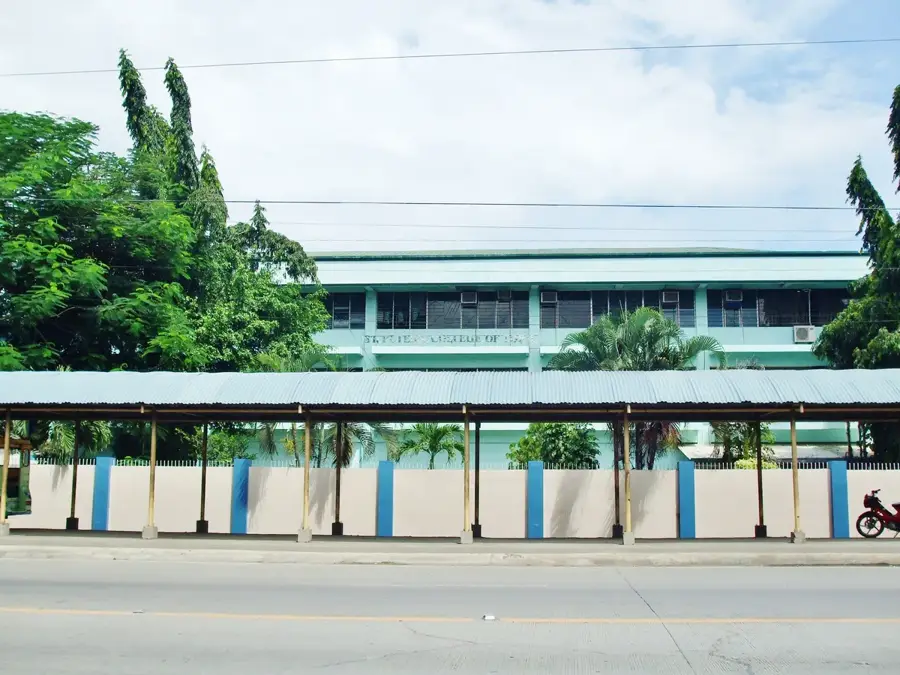
Plizio Visual Lab

Mount Hamiguitan Range Wildlife Sanctuary
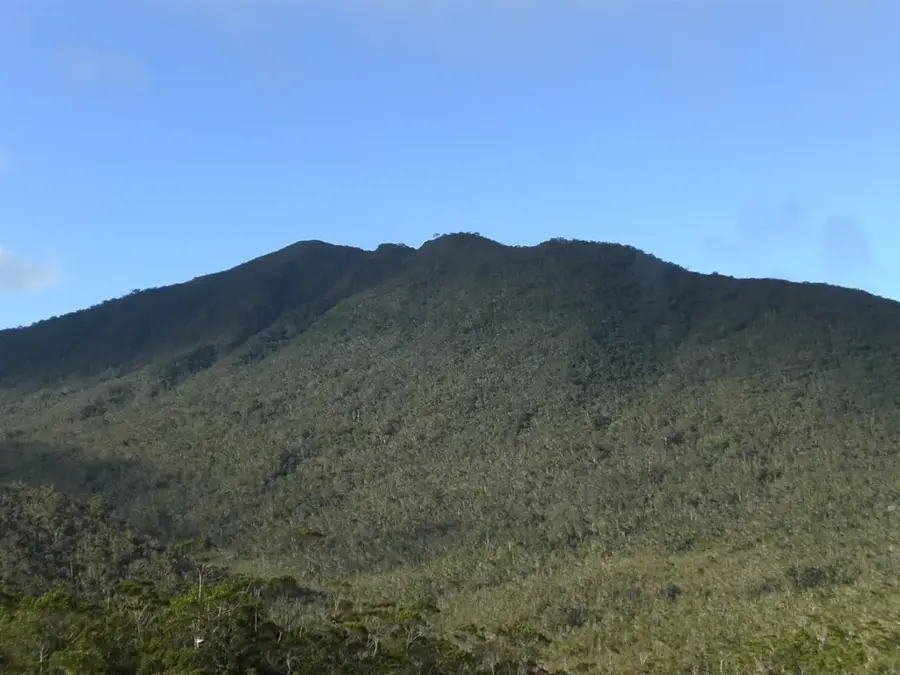
Plizio editorial teamData Sources
national-park
—°4
Mount Hamiguitan Range Wildlife Sanctuary (Philippines)

Weather…

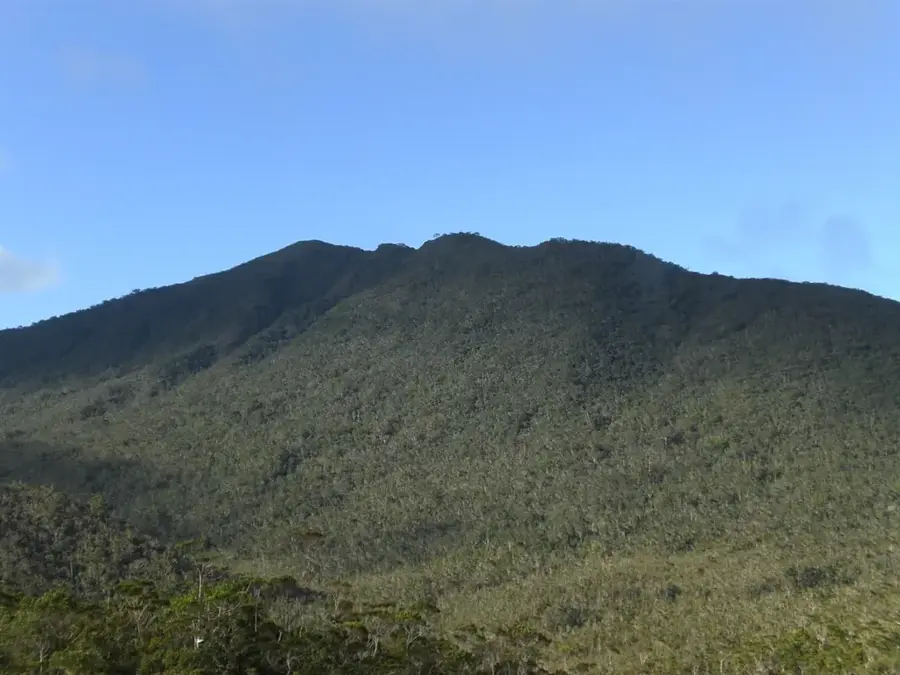
The Mount Hamiguitan Range Wildlife Sanctuary, a UNESCO World Heritage site, is located in the province of Davao Oriental on Mindanao island. The mountain is renowned for its exceptional biodiversity and for hosting a unique and ancient pygmy forest. This forest consists of centuries-old trees that are stunted in growth, thriving on the mountain's ultramafic soil, which is rich in heavy metals. This unique soil composition has led to the evolution of a distinct flora, including a high number of endemic species like the carnivorous pitcher plant Nepenthes hamiguitanensis. The sanctuary provides a critical habitat for many globally threatened species, including the iconic Philippine Eagle and the Philippine Cockatoo. The protected area showcases a complete elevation gradient, from coastal marine ecosystems to the montane forests at its peak of 1,620 meters, making it a treasure trove of biological diversity.

Best time to visit & climate

The most pleasant time to visit is Feb–Apr.

JanFebMarAprMayJunJulAugSepOctNovDec
Avg °C272727282828282828282828
Rain mm244162143123188229216197176218186211

📋 Practical info

🧭
Getting there
Reaching this remote sanctuary typically requires coordinating closely with the local tourism office in San Isidro, Davao Oriental, to secure mandatory permits and licensed guides. The journey involves a long overland trip followed by a difficult hike.
📅
Best season
The driest months, commonly from February to May, are broadly considered the safest and most optimal window for attempting the physically demanding trek. Heavy rains during the wet season can render the mountain trails extremely dangerous and completely impassable.
⛰️
Terrain & paths
The grueling trail progressively ascends through dense tropical dipterocarp forests, eventually giving way to the famous and unique bonsai-like pygmy forest near the summit. Hikers must be prepared to navigate incredibly steep, muddy, and wildly overgrown paths continuously.
🎒
What to bring
High-quality, broken-in trekking boots, reliable waterproof outdoor clothing, and comprehensive camping gear are strictly non-negotiable for this multi-day expedition. Adequate protection against persistent leeches and drastic temperature drops at night is incredibly vital.
🅿️
Parking
Safe vehicle parking is generally arranged within the municipal proper of San Isidro or directly at the officially designated trailhead registration center. It is always best to solidly confirm these specific logistical details with your pre-booked guide well in advance.
⚠️
Safety
This challenging trek demands exceptional physical fitness, strong mental endurance, and strict adherence to all established environmental preservation rules. Never stray from the clearly marked paths, as the dense, undisturbed mountain forest environment is exceptionally unforgiving.
⏱️
Time needed
Successfully completing the full expedition to the unique pygmy forest and back usually spans two to three consecutive days of sustained, strenuous hiking. Detailed itinerary pacing is heavily dependent on the overall fitness level of your specific trekking group and current trail conditions.

Geography

Coordinates
6.72140, 126.17360

Facts

  • A UNESCO World Heritage site since 2014.
  • Known for its unique pygmy forest (bonsai forest).
  • Grows on ultramafic soil, which is rich in heavy metals.
  • Home to the endemic carnivorous plant, Nepenthes hamiguitanensis.
  • A critical habitat for the Philippine Eagle.
  • The highest peak reaches 1,620 meters.
  • The park ranges from 75 to 1,620 meters above sea level.

Explore nearby

Notable places around

Route planner — Car & Motorhome

Where do you start? We build the route here, with stops and country notes along the way.

Vehicle
Only stops with (optional):

© OpenStreetMap contributors · OpenRouteService

Sights in the town Mount Hamiguitan Range Wildlife Sanctuary (4)

Sakura Beach Resort🎡 recreation

This coastal retreat provides relaxing beachfront accommodation near the foothills of the Mount Hamiguitan sanctuary.

🕒 24/7

Hidden Garden🌿 nature

Tucked within the lush tropical foliage of the sanctuary, this secluded scenic outlook has peaceful panoramic nature views.

Lantawan Tres🌿 nature

This elevated observation point provides sweeping vistas over the diverse, forested ecosystems of the mountain range.

Lantawan Dos🌿 nature

Serving as a major lookout point along the nature trails, it provides a high vantage over the sanctuary's dense green canopy.

Sights nearby

Frequently asked questions

What is special about Mount Hamiguitan?
It is a UNESCO World Heritage site known for its unique 'pygmy forest' ecosystem on mountaintops.
Is hiking allowed there?
Yes, but only in accompanied groups on designated trails to protect the fragile nature.
Is there a visitor center?
Yes, the visitor center has important information about flora and fauna and is the starting point for tours.
What to keep in mind for the tour?
Respect the strict conservation rules and do not leave any trash in this protected area.
What climate prevails there?
Due to the altitude, the climate is often cooler and mistier than in the lower regions.
Mount Hamiguitan Range Wildlife Sanctuary: where is it located?
Mount Hamiguitan Range Wildlife Sanctuary is located in Philippines.
Mount Hamiguitan Range Wildlife Sanctuary: what is there to see?
Highlights include Sakura Beach Resort, Hidden Garden, Lantawan Tres.
Mount Hamiguitan Range Wildlife Sanctuary: when is the best time to visit?
The most pleasant time to visit is Feb, Apr.
Mount Hamiguitan Range Wildlife Sanctuary: why is it worth visiting?

The Mount Hamiguitan Range Wildlife Sanctuary, a UNESCO World Heritage site, is located in the province of Davao Oriental on Mindanao island.
View on map → The Top 50 Attractions → OpenStreetMap →
Asia
Explore with Plizio Discover more places in Asia
More places in Philippines →

Nearby cities

More places