Plizio Visual Lab
Tambopata National Reserve
Weather…
Water temperature…
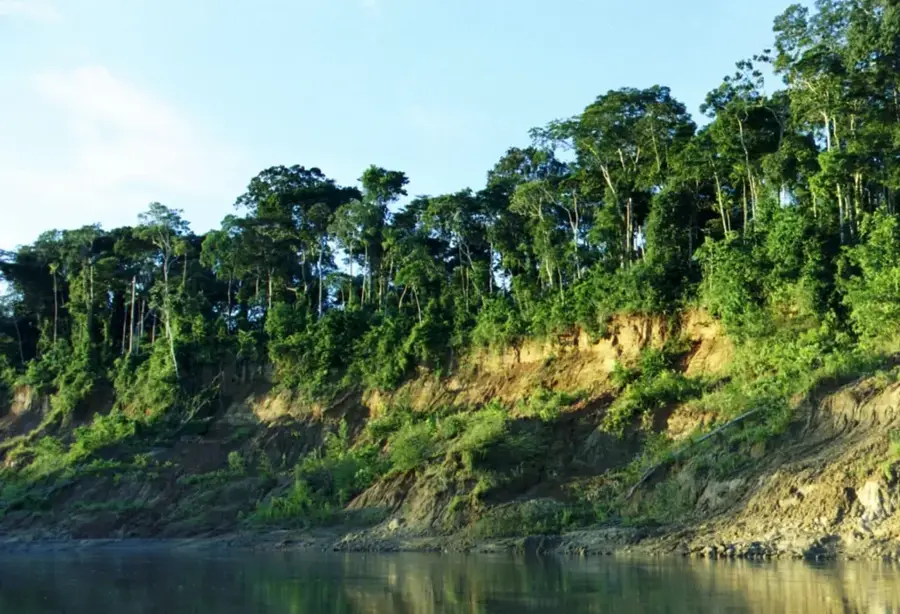
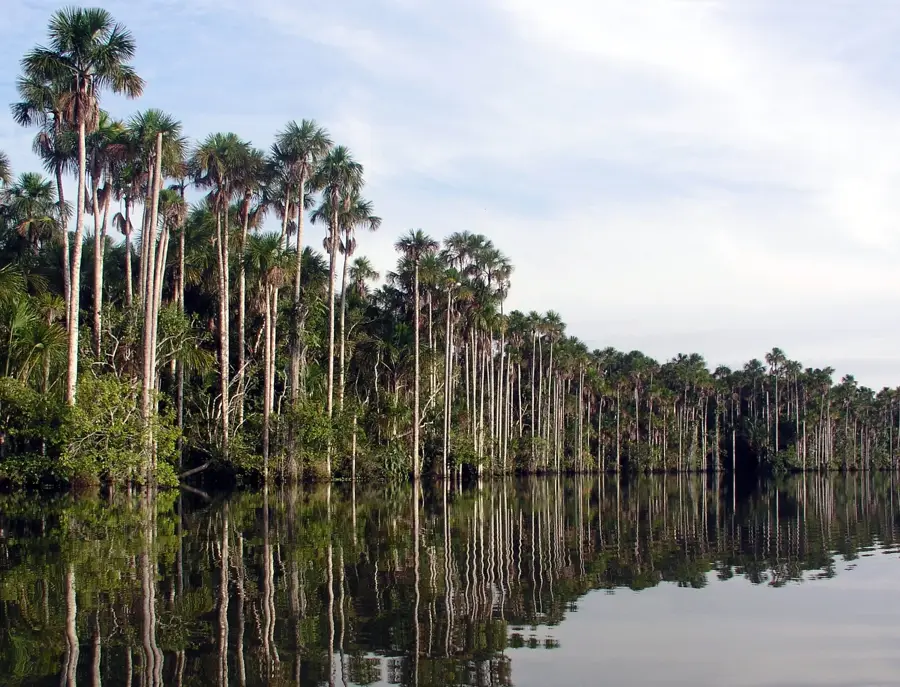
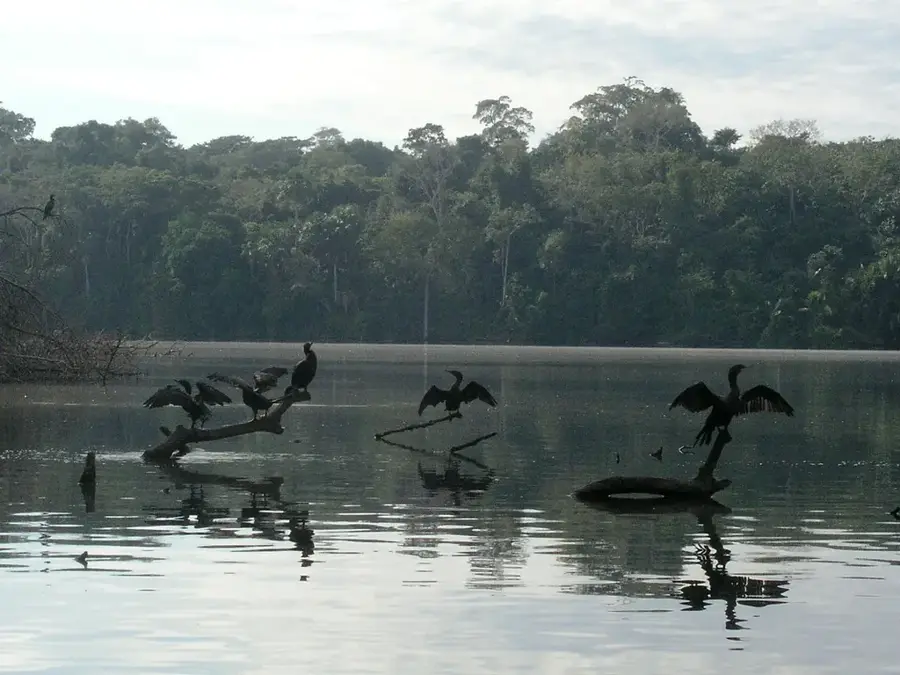
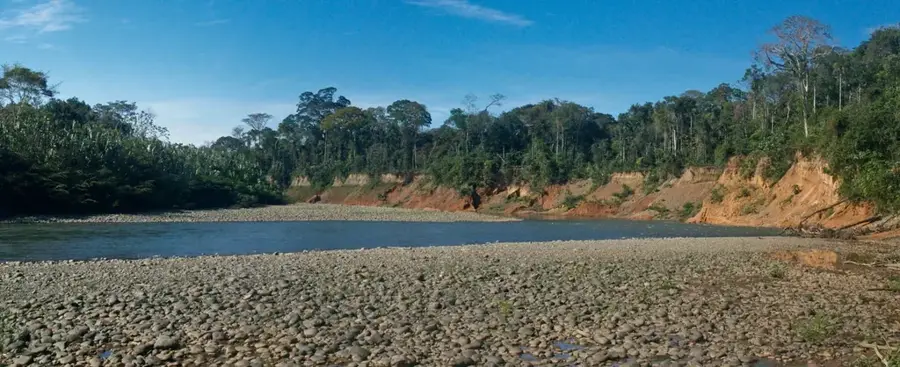
Tambopata National Reserve is located in the Madre de Dios region of southeastern Peru and is world-renowned for its extraordinary levels of biodiversity. Spanning approximately 275,000 hectares, the reserve protects a vast area of pristine Amazonian rainforest and palm swamps. It is famous for its 'colpas' or clay licks, where hundreds of macaws and parrots gather daily to ingest minerals from the riverbanks, creating one of nature's most colorful spectacles. Tambopata holds world records for the highest number of bird, butterfly, and dragonfly species recorded in a single location. The reserve is a vital sanctuary for endangered species such as the giant river otter, the black caiman, and the South American tapir. Its oxbow lakes, like Lake Sandoval, are critical habitats for aquatic life and offer unique opportunities for wildlife observation. Sustainable ecotourism and partnerships with local indigenous communities, such as the Ese Eja, are central to the reserve's management, helping to combat threats like illegal gold mining and deforestation.
- Location: Peru
- Nearby: Puerto Maldonado (16 km)
Best time to visit & climate
The most pleasant time to visit is Jun–Aug.
| Jan | Feb | Mar | Apr | May | Jun | Jul | Aug | Sep | Oct | Nov | Dec | |
|---|---|---|---|---|---|---|---|---|---|---|---|---|
| Avg °C | 25 | 25 | 25 | 25 | 24 | 23 | 23 | 25 | 27 | 27 | 27 | 26 |
| Rain mm | 328 | 329 | 235 | 164 | 97 | 67 | 54 | 54 | 65 | 154 | 192 | 323 |
📋 Practical info
Geography
Facts
- Tambopata was officially established as a National Reserve on September 4, 2000.
- The reserve contains 1,234 species of butterflies, a world record for a single site.
- It is home to the world's largest known macaw clay lick, the Chuncho lick.
- The park is part of a massive transboundary conservation corridor with Bolivia.
- More than 169 species of reptiles and amphibians have been documented here.
- The primary threat to the reserve is illegal alluvial gold mining along its borders.
Explore nearby
Notable places around
Route planner — Car & Motorhome
Where do you start? We build the route here, with stops and country notes along the way.
© OpenStreetMap contributors · OpenRouteService
Sights nearby
Frequently asked questions
When is the best time to visit Tambopata?
How difficult are the hikes in the reserve?
Do I need special gear for insects?
Are there public restrooms in the reserve?
Is Tambopata suitable for families with children?
Tambopata National Reserve: where is it located?
Tambopata National Reserve: when is the best time to visit?
Tambopata National Reserve: why is it worth visiting?
Nearby cities
Nature
More places