Plizio Visual Lab
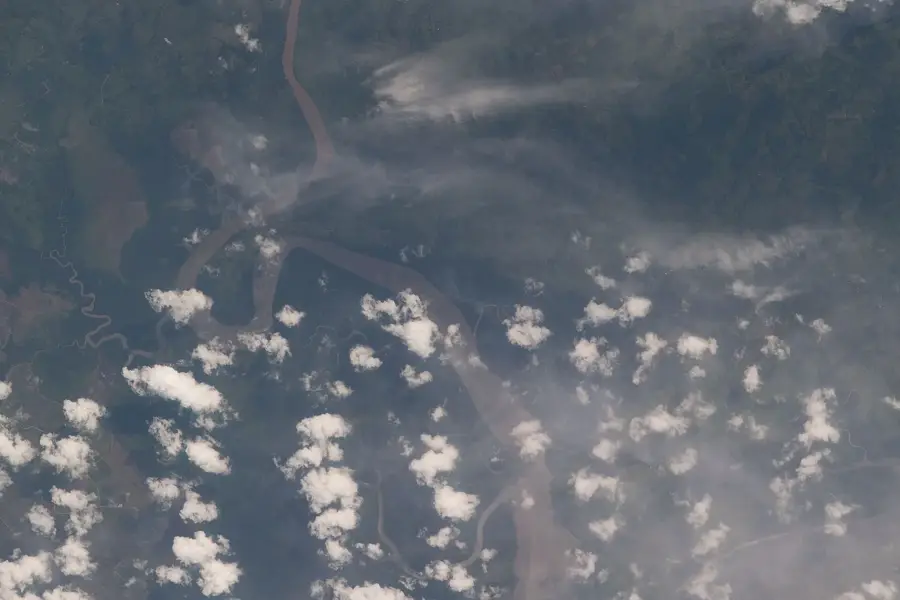
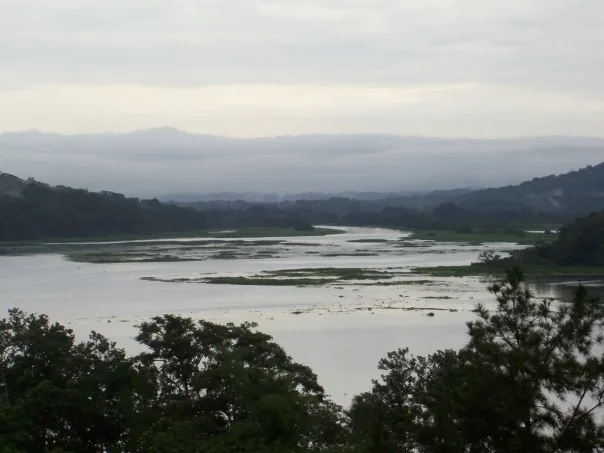
Panama Crocodile Farm
Weather…
Water temperature…
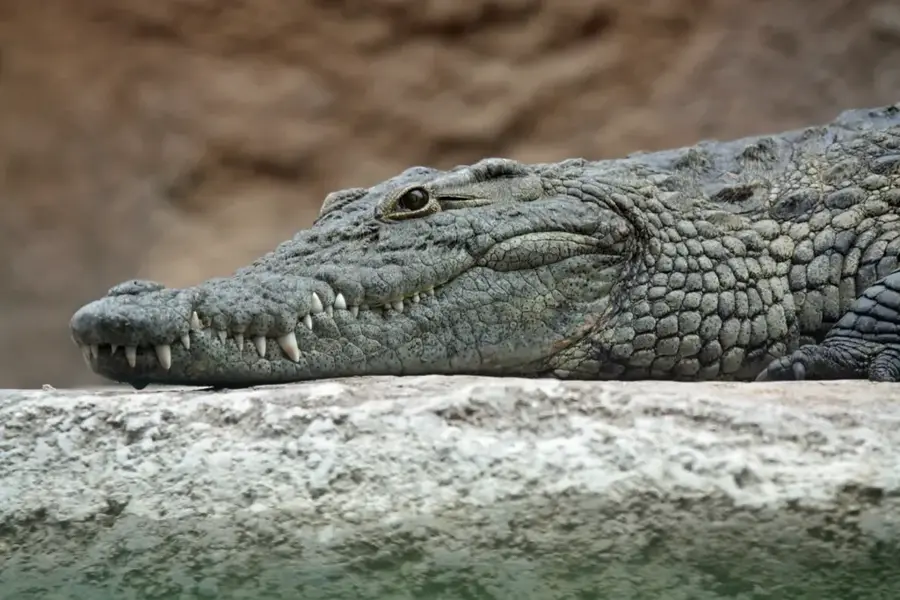
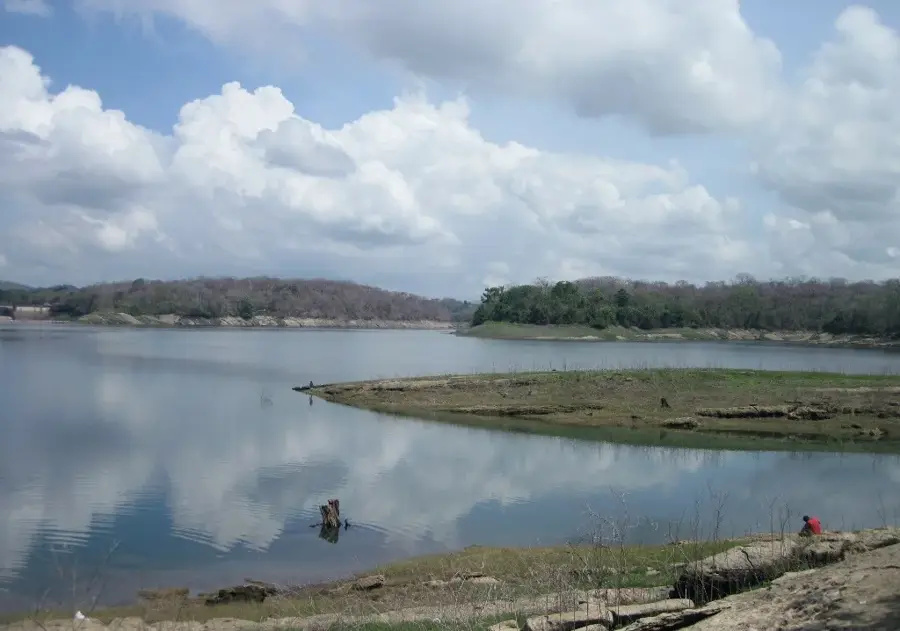
On various farms in Panama, occasionally as part of research or conservation projects, crocodiles and caimans (such as the rare American crocodile or the spectacled caiman) are bred. Some of these facilities have a commercial component, the extraction of leather and meat, which, under strict regulation, is intended to reduce pressure on wild populations. Other, academically oriented centers breed the reptiles to reintroduce them after the critical juvenile phase, during which they are most often preyed upon, into protected wetlands such as the Darién or the banks of the Chagres River. Visitors to such farms learn about the immense importance of these apex predators for maintaining the health of Panama's aquatic ecosystems.
- Location: Panama
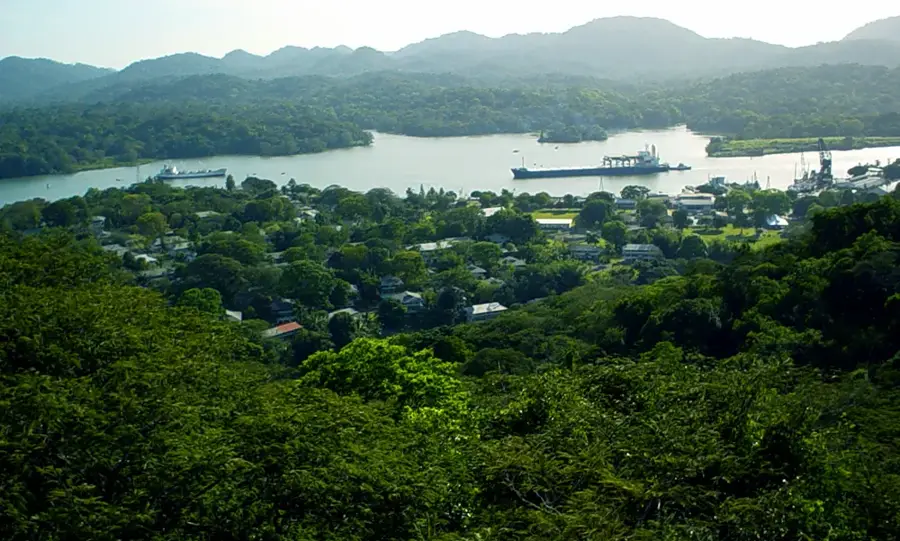
- Nearby: Gamboa (6 km)
Best time to visit & climate
The most pleasant time to visit is Jan–Mar.
| Jan | Feb | Mar | Apr | May | Jun | Jul | Aug | Sep | Oct | Nov | Dec | |
|---|---|---|---|---|---|---|---|---|---|---|---|---|
| Avg °C | 27 | 27 | 28 | 28 | 28 | 27 | 27 | 27 | 27 | 27 | 27 | 27 |
| Rain mm | 20 | 9 | 18 | 107 | 245 | 253 | 204 | 220 | 245 | 260 | 248 | 108 |
📋 Practical info
Geography
Facts
- Breeds native species like the American crocodile and the caiman.
- Some farms regulate the market through legal, sustainable leather production.
- Conservation projects rewild the reptiles after the critical juvenile phase.
- Aims to prevent the decimation of wild populations through illegal hunting.
- Crocodiles are essential as apex predators for intact wetlands.
Explore nearby
Notable places around


Route planner — Car & Motorhome
Where do you start? We build the route here, with stops and country notes along the way.
© OpenStreetMap contributors · OpenRouteService
Sights nearby
Frequently asked questions
Can I feed the crocodiles?
Is the visit safe?
Are there guided tours?
What do you learn there?
How long is a visit?
Panama Crocodile Farm: where is it located?
Panama Crocodile Farm: when is the best time to visit?
Panama Crocodile Farm: why is it worth visiting?
Nearby cities
History & landmarks
More places