Plizio Visual Lab
Isla Iguana Wildlife Refuge
Weather…
Water temperature…
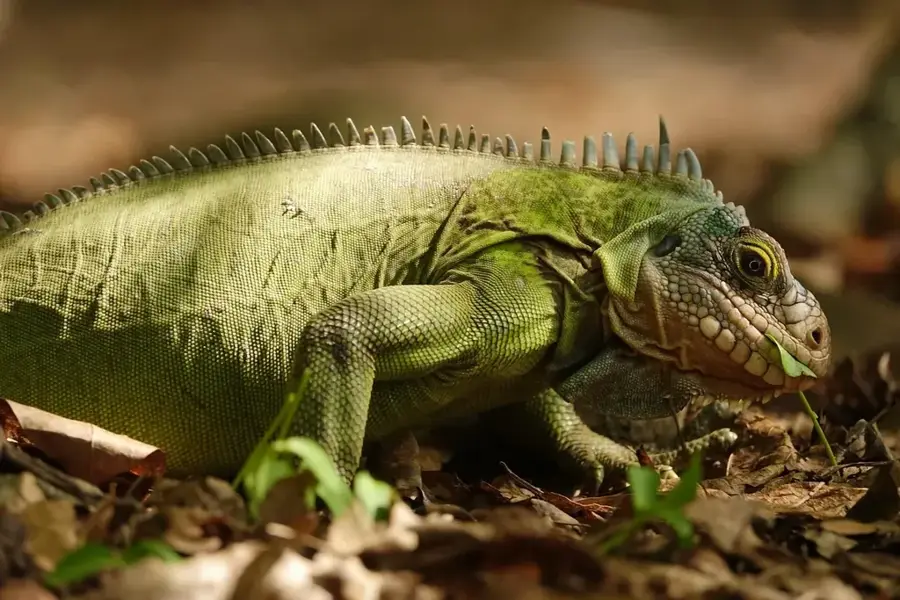
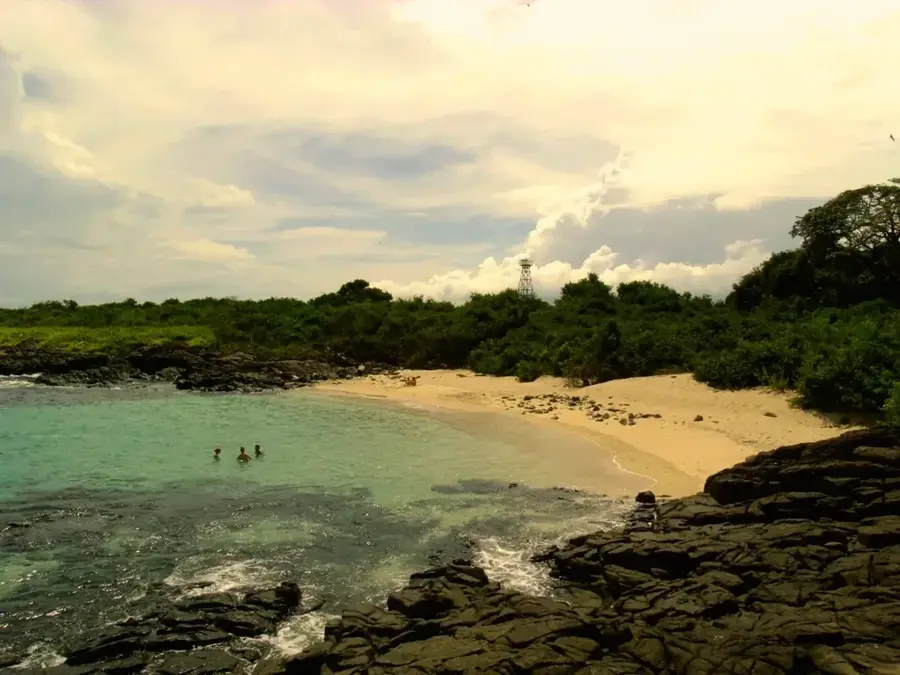
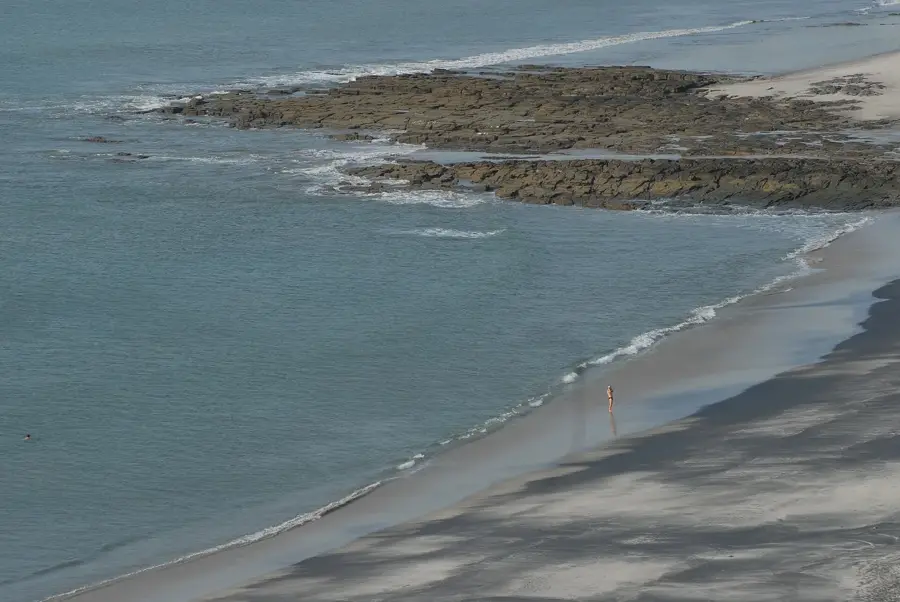
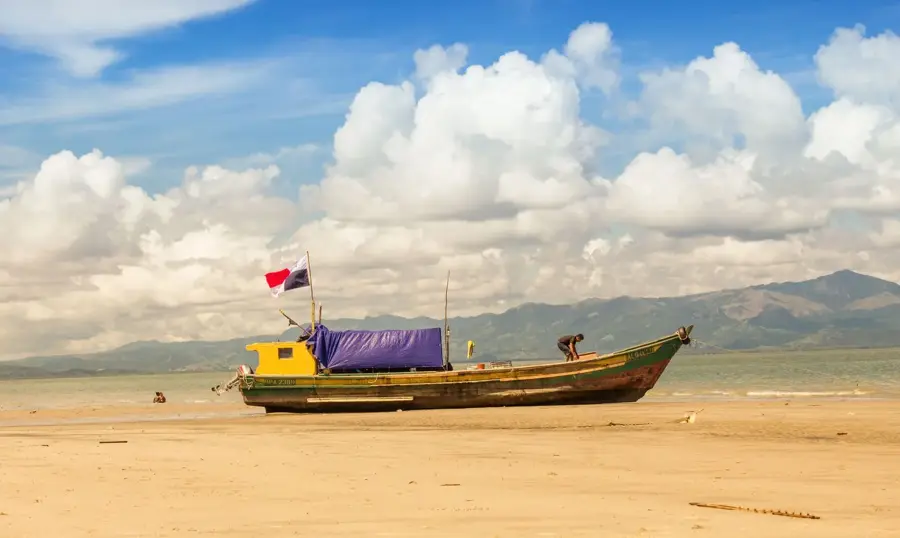
The Isla Iguana Wildlife Refuge is located about 7 kilometers off the coast of the town of Pedasí in the Los Santos Province and is a gem of Panama's Pacific coast. The island was officially protected on June 15, 1981, to preserve its unique 16-hectare coral reef, which is among the largest and oldest in the Gulf of Panama. Geologically, the island consists of basalt rock and is famous for its white sand beaches made of crushed coral. The refuge is home to the country's largest colony of magnificent frigatebirds, whose majestic wingbeats dominate the sky above the island. Its namesake is the numerous black and green iguanas that live completely undisturbed in the lush island vegetation. Between June and November, the surrounding waters serve as a vital corridor for the migration of humpback whales, which can often be spotted here with their calves. Historically, the island was used as a bombing target by the US Air Force during World War II, evidenced today by several craters in the island's interior that have since been reclaimed by nature.
- Location: Panama
- Nearby: Pedasí (5 km)
Best time to visit & climate
The most pleasant time to visit is Jan–Mar.
| Jan | Feb | Mar | Apr | May | Jun | Jul | Aug | Sep | Oct | Nov | Dec | |
|---|---|---|---|---|---|---|---|---|---|---|---|---|
| Avg °C | 26 | 26 | 26 | 27 | 27 | 27 | 27 | 27 | 27 | 27 | 27 | 27 |
| Rain mm | 47 | 13 | 21 | 134 | 334 | 326 | 343 | 325 | 371 | 324 | 356 | 165 |
📋 Practical info
Geography
Facts
- The island was designated as a wildlife refuge on June 15, 1981.
- The island's coral reef covers an area of 16 hectares.
- It hosts a colony of approximately 5,000 magnificent frigatebirds.
- The beaches are composed 100% of dead coral limestone.
- Humpback whales use the waters from June to October for calving.
- There are two main trails that open the island to visitors.
Explore nearby
Notable places around
Route planner — Car & Motorhome
Where do you start? We build the route here, with stops and country notes along the way.
© OpenStreetMap contributors · OpenRouteService
Sights nearby
Frequently asked questions
What is the best way to get to Isla Iguana?
Is snorkeling around the island recommended?
Are there shaded areas on the island?
Can one stay overnight on the island?
Should one bring one's own food?
Isla Iguana Wildlife Refuge: where is it located?
Isla Iguana Wildlife Refuge: when is the best time to visit?
Isla Iguana Wildlife Refuge: why is it worth visiting?

Nearby cities
History & landmarks
Nature
More places