Plizio Visual Lab

Wadi Auja
Plizio editorial teamData Sources
River
—°3
Wadi Auja (Palestinian Territories)

Weather…

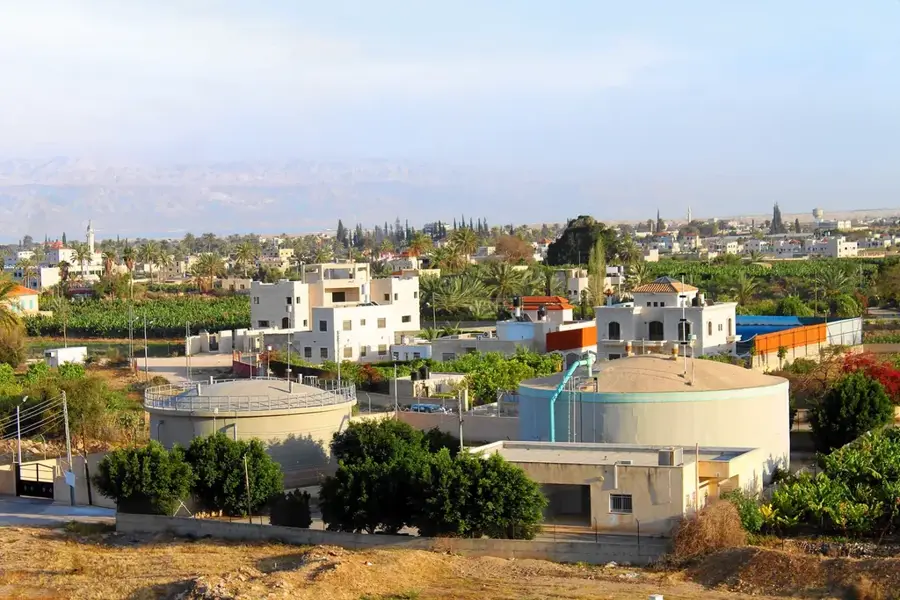
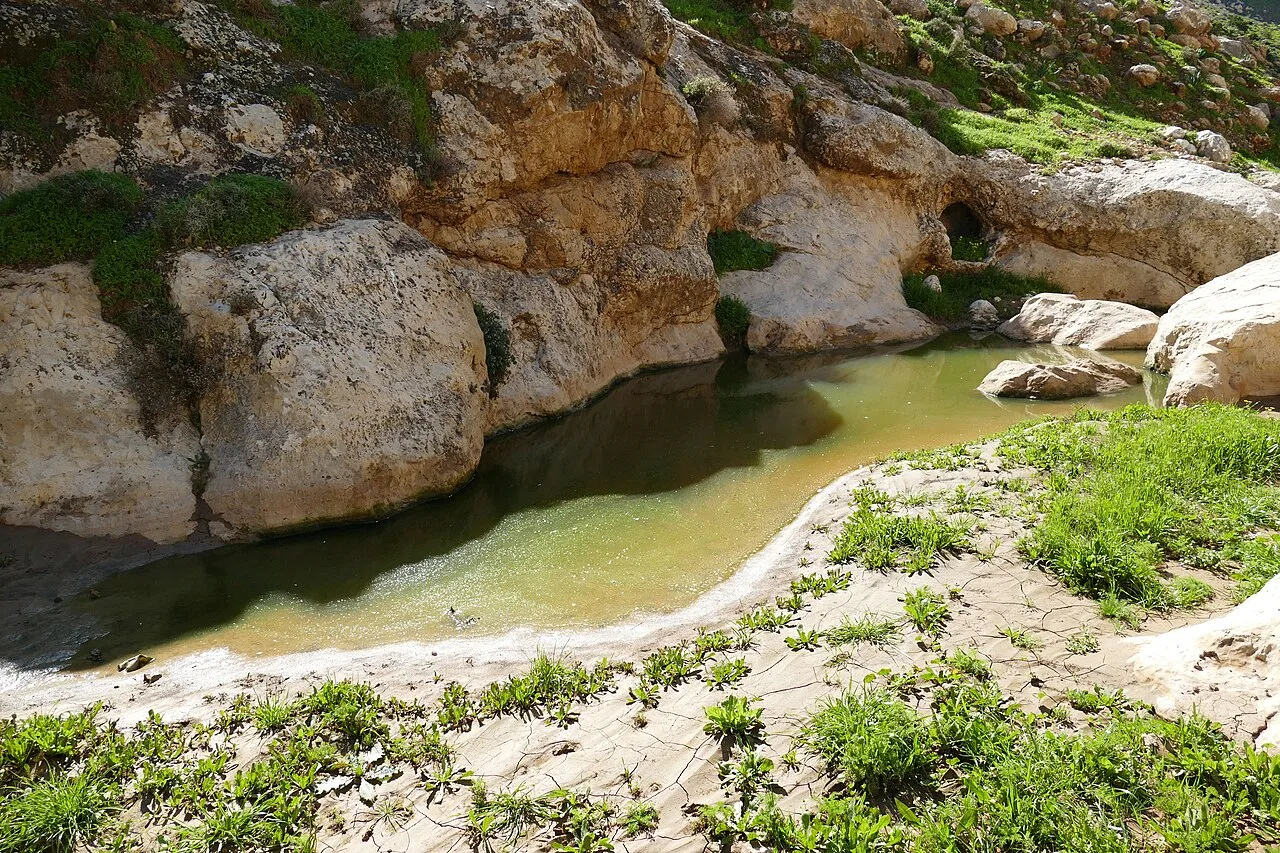
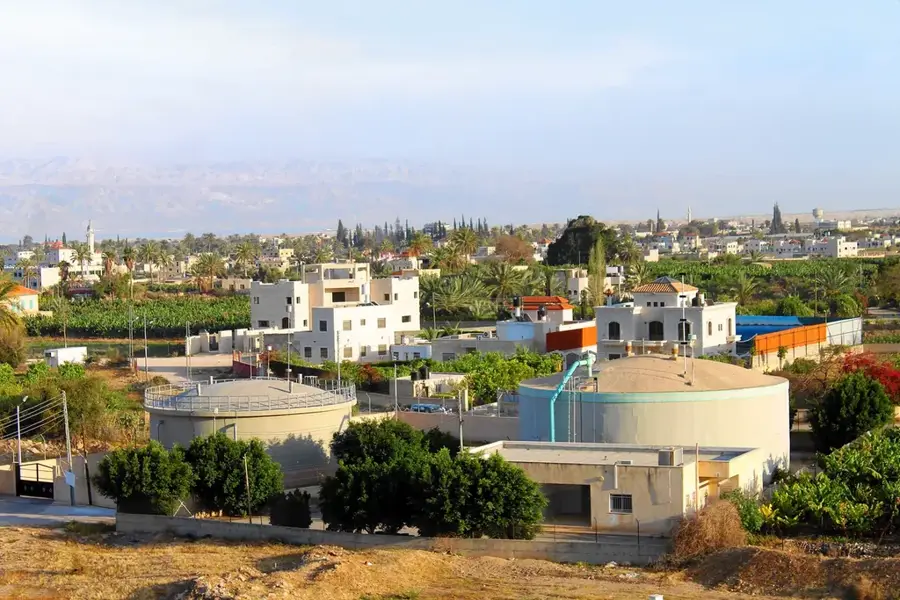
Wadi Auja is one of the most prominent natural valleys in the Jordan Valley, serving as a vital ecological and recreational site in Palestine. It is fed by the powerful Ein Auja karst spring, which provides a consistent flow of water through the arid desert landscape, although it may diminish during the peak of summer. In winter and early spring, the wadi transforms into a lush green oasis, with running streams and small waterfalls creating a stark contrast against the barren, sun-scorched mountains. This water source is a lifeline for local agriculture, supporting the extensive date palm and banana groves around Jericho. The valley provides diverse hiking opportunities, ranging from leisurely walks along ancient irrigation channels to more challenging treks through its rocky gorges. Bedouin communities continue to inhabit the surrounding areas, relying on the spring for their livestock and maintaining their traditional pastoral way of life. For visitors, Wadi Auja features a unique chance to experience the raw beauty of the desert's hidden water systems, making it a favorite destination for those seeking tranquility and a deeper connection with Palestine's natural heritage.

Best time to visit & climate

The most pleasant time to visit is Apr, May, Oct.

JanFebMarAprMayJunJulAugSepOctNovDec
Avg °C111316202428303028241814
Rain mm635832156101182952

📋 Practical info

🧭
Getting there
This prominent valley is generally accessible via the main roads running through the Jordan Valley, often approached from the nearby city of Jericho. Visitors typically follow local access routes that lead directly toward the powerful main spring, which serves as the central focal point of the area.
📅
Best season
Winter and early spring are absolutely the most rewarding times to visit, when the spring is flowing powerfully and the landscape turns an animated, lush green. By late summer, the intense heat of the Jordan Valley causes much of the vegetation to dry up, making the area significantly less hospitable for long hikes.
⛰️
Terrain & paths
The terrain immediately surrounding the spring is generally flat and accessible, but the trails extending deeper into the valley can become rocky and uneven. The ground near the flowing water is often muddy or marshy during the peak spring flow, contrasting with the arid, dusty soil found slightly further uphill.
🎒
What to bring
Sturdy footwear that can handle both dry, dusty paths and unexpected muddy patches near the spring is highly recommended for exploring the valley. Given the notorious sun intensity of the Jordan Valley, a wide-brimmed hat, sunglasses, and copious amounts of water are absolutely critical throughout the year.
🅿️
Parking
Informal parking is usually widely available in designated clearings or flat dirt areas reasonably close to the powerful main spring. During peak spring weekends, these areas can become quite crowded with local families, so arriving early helps secure a convenient parking location.
⚠️
Safety
The primary safety concern in this region is the intense, oppressive heat that can rapidly lead to dehydration or sunstroke during the warmer months. Visitors should also be cautious when walking near the main water flow, as the rocks can be slippery and the water current surprisingly strong during peak season.
⏱️
Time needed
A typical visit to enjoy the powerful spring, relax in the lush seasonal greenery, and take a short walk usually spans about two to three hours. Visitors looking to hike further up the valley to explore its wider landscapes often extend their stay to a full half-day excursion during the cooler winter months.

Geography

Coordinates
31.94000, 35.42000

Facts

  • Ein Auja spring is the largest in the Jordan Valley
  • The wadi stretches for about 12 kilometers
  • Waterfalls are most active after heavy winter rains
  • The irrigation system partly dates back to ancient times
  • It is located about 200 meters below sea level
  • The area is well-known for banana cultivation

Explore nearby

Notable places around
Route planner — Car & Motorhome

Where do you start? We build the route here, with stops and country notes along the way.

Vehicle
Only stops with (optional):

© OpenStreetMap contributors · OpenRouteService

Sights in the town Wadi Auja (3)

Khirbet el-Mastarah🏺 historical

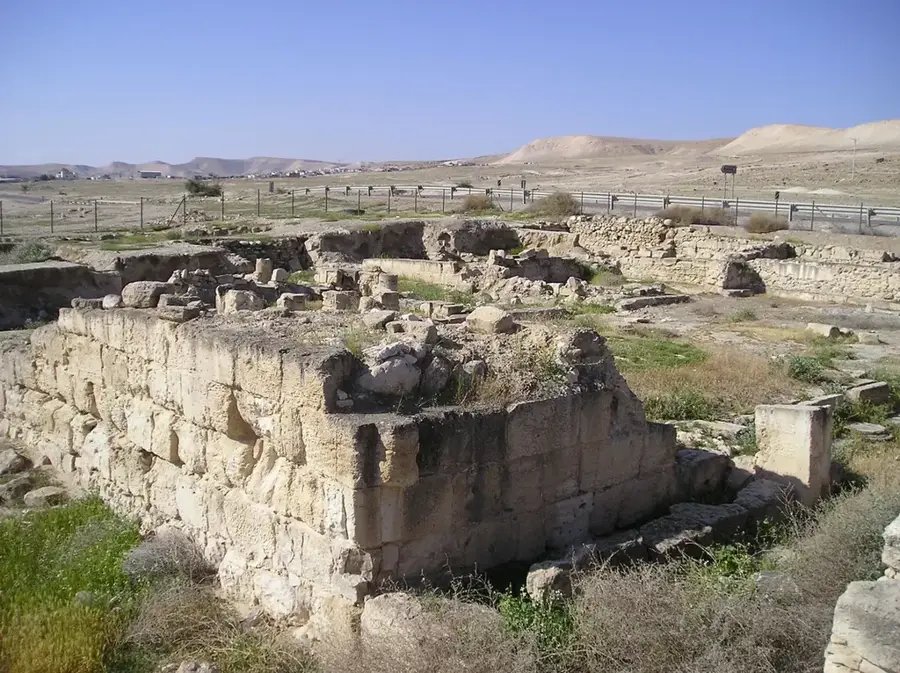
An archaeological site featuring unique circular stone enclosures believed to date back to the early Israelite period.

Khirbat al ‘Awjā’ al Fawqā🏺 historical

Ancient ruins located near the dramatic cliffs at the head of the Wadi Auja valley.

Synagogue📍 landmark

A modern Jewish place of worship serving the local community in the arid Jordan Valley region.

Sights nearby

Frequently asked questions

Is Wadi Auja suitable for hiking?
Yes, it is a popular destination for hikers, especially in spring.
Are there waterfalls there?
After rains, there are small, temporary waterfalls in the wadi.
Do I need a guide?
It is advisable to hire a local guide to avoid getting lost.
What is the best time of day?
Start early in the morning to avoid the midday heat.
What is the difficulty level?
Routes vary, some require moderate physical fitness.
Wadi Auja: where is it located?
Wadi Auja is located in Palestinian Territories.
Wadi Auja: what is there to see?
Highlights include Khirbet el-Mastarah, Khirbat al ‘Awjā’ al Fawqā, Synagogue.
Wadi Auja: when is the best time to visit?
The most pleasant time to visit is Apr, May, Oct.
Wadi Auja: why is it worth visiting?
Wadi Auja is one of the most prominent natural valleys in the Jordan Valley, serving as a vital ecological and recreational site in Palestine.
View on map → The Top 50 Attractions → OpenStreetMap →
Asia
Explore with Plizio Discover more places in Asia
More places in Palestinian Territories →

Nearby cities

History & landmarks

Nature

More places