Plizio Visual Lab

Kidron Valley
Plizio editorial teamData Sources
valley
—°3
Kidron Valley (Palestinian Territories)

Weather…

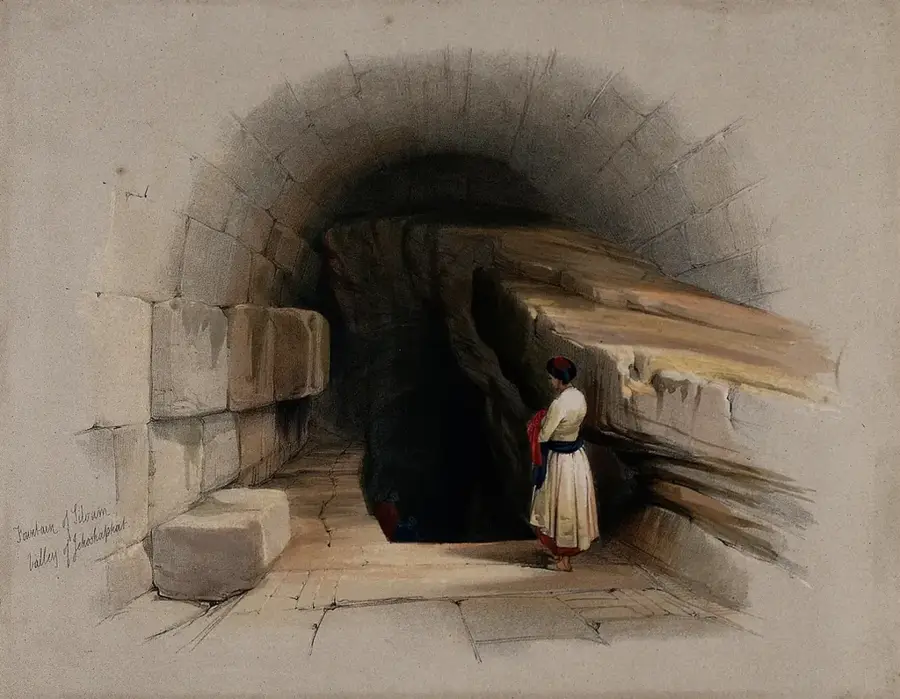
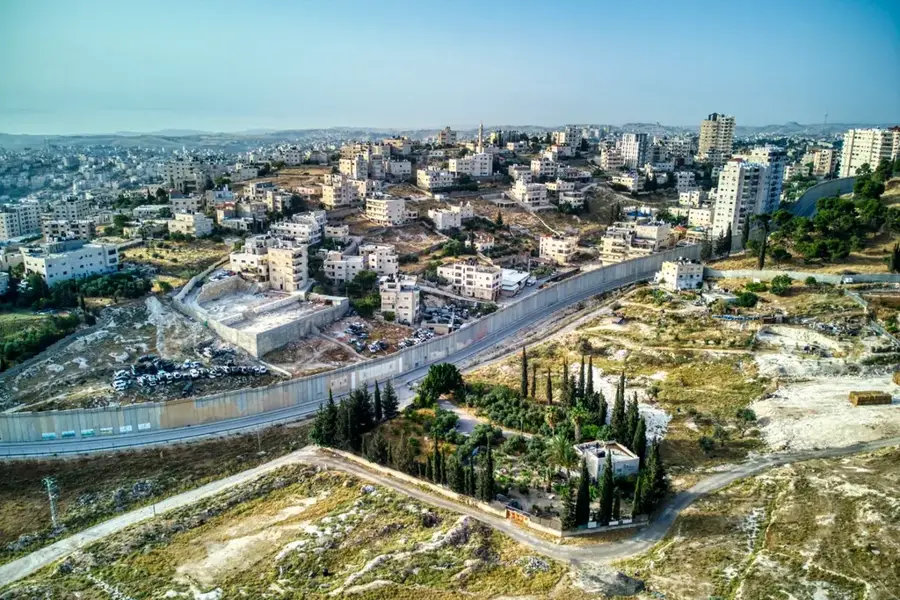
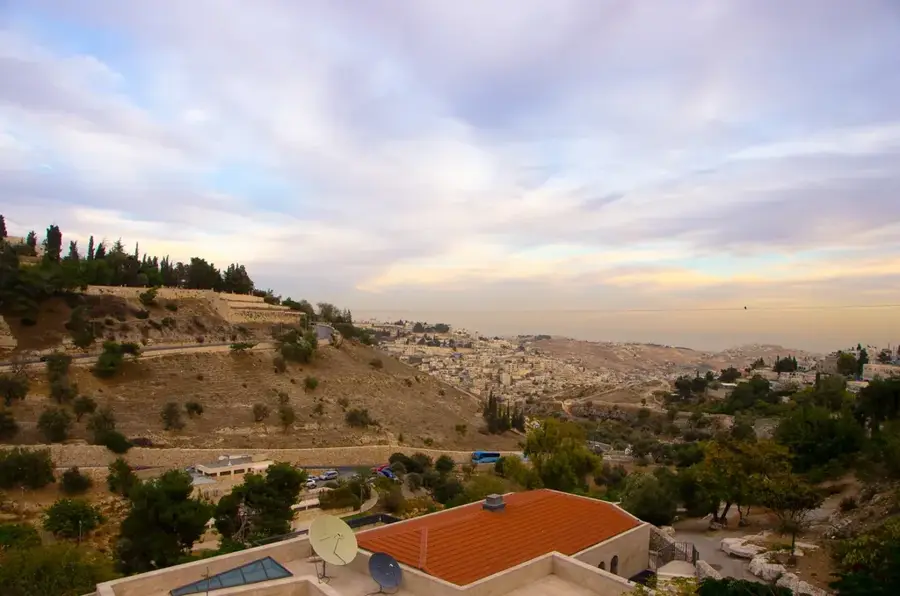
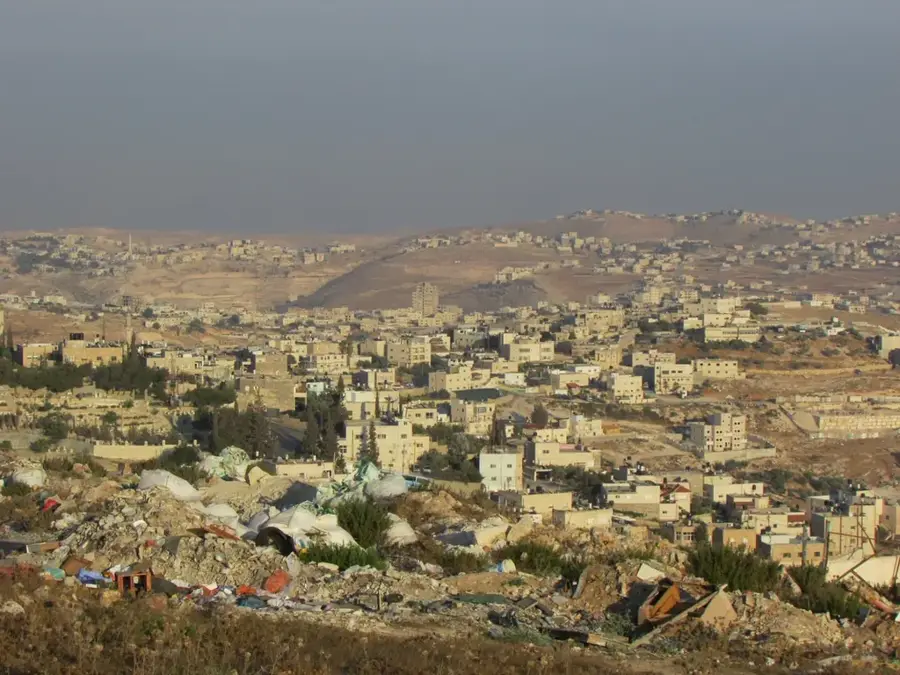
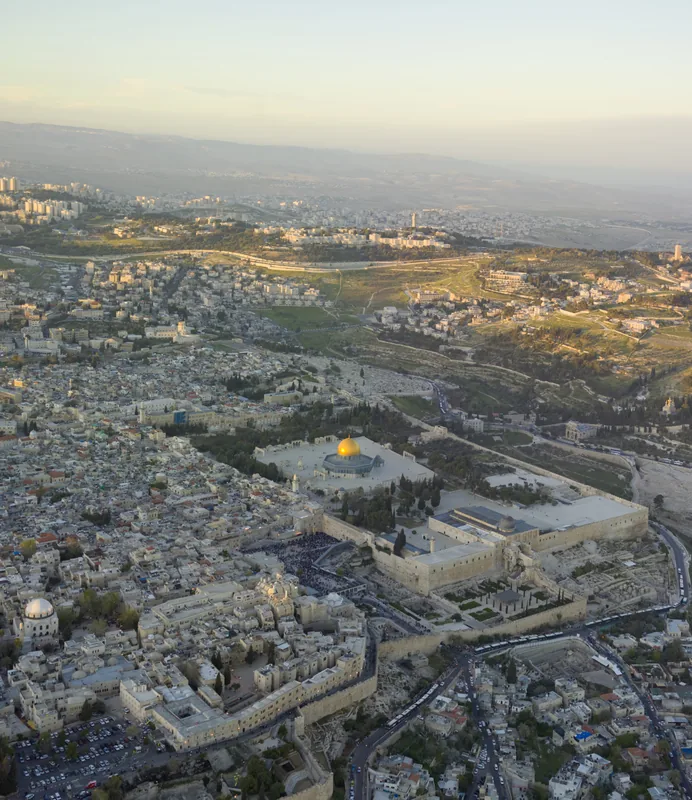
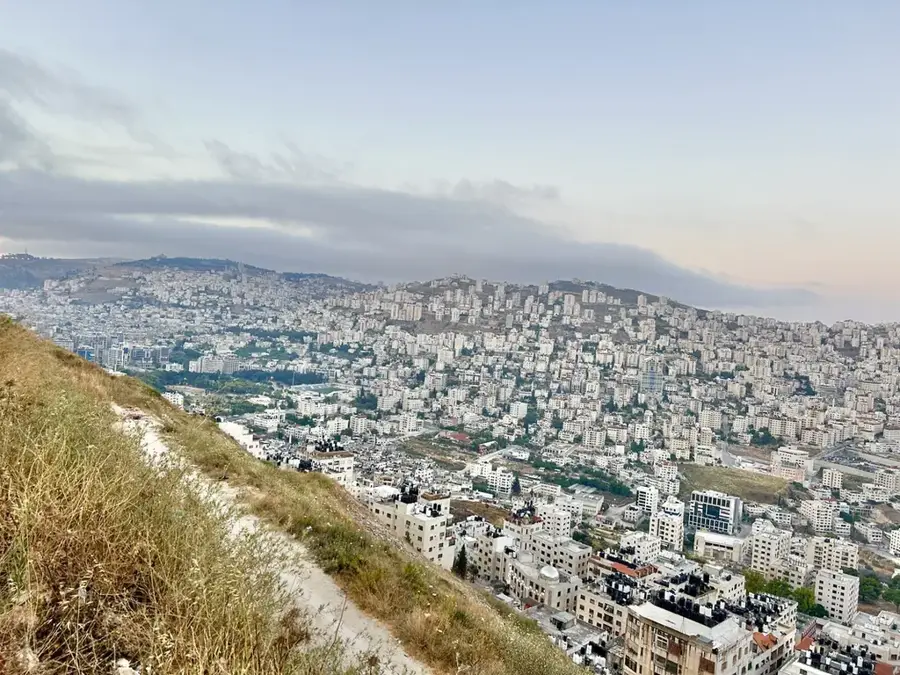
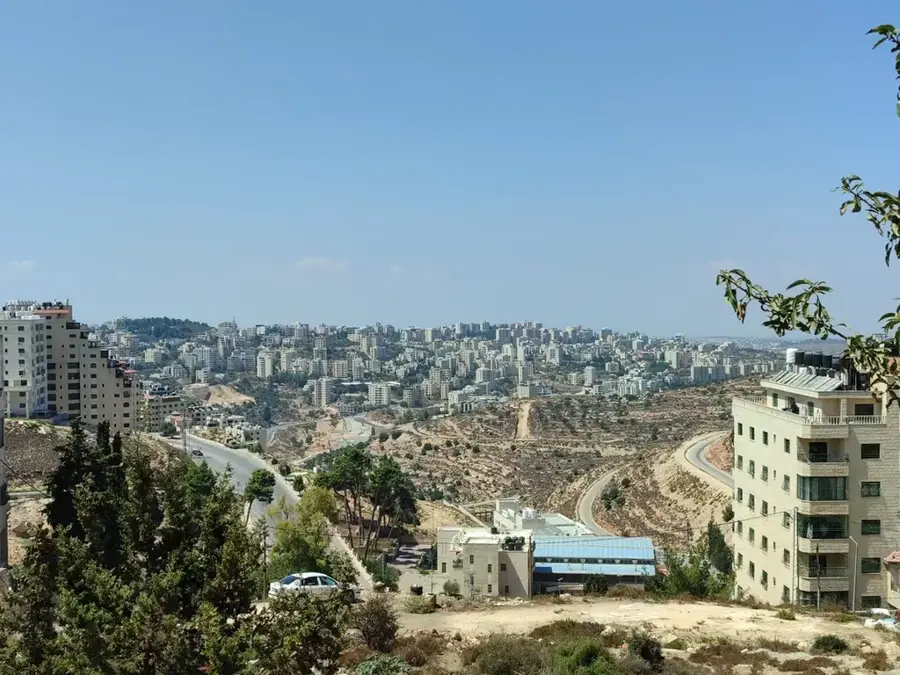
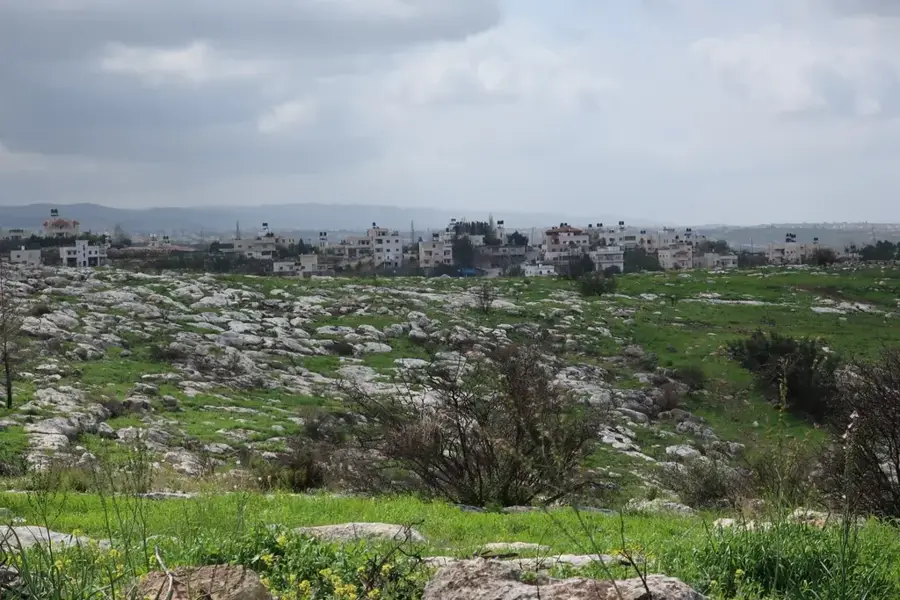
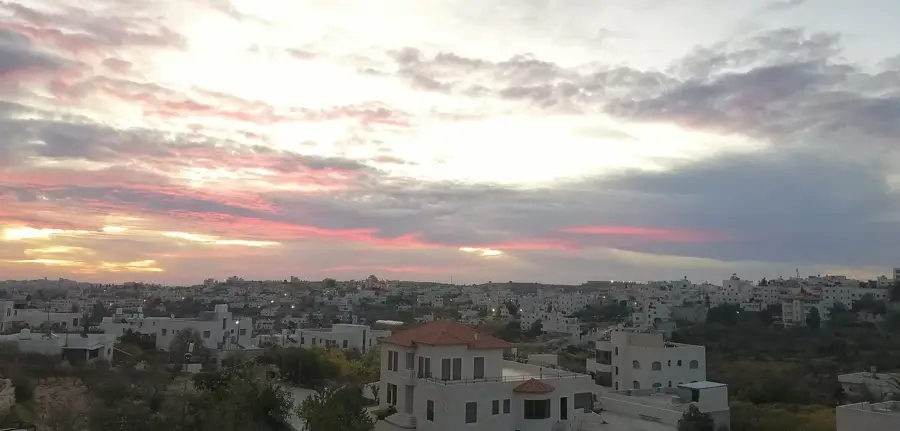
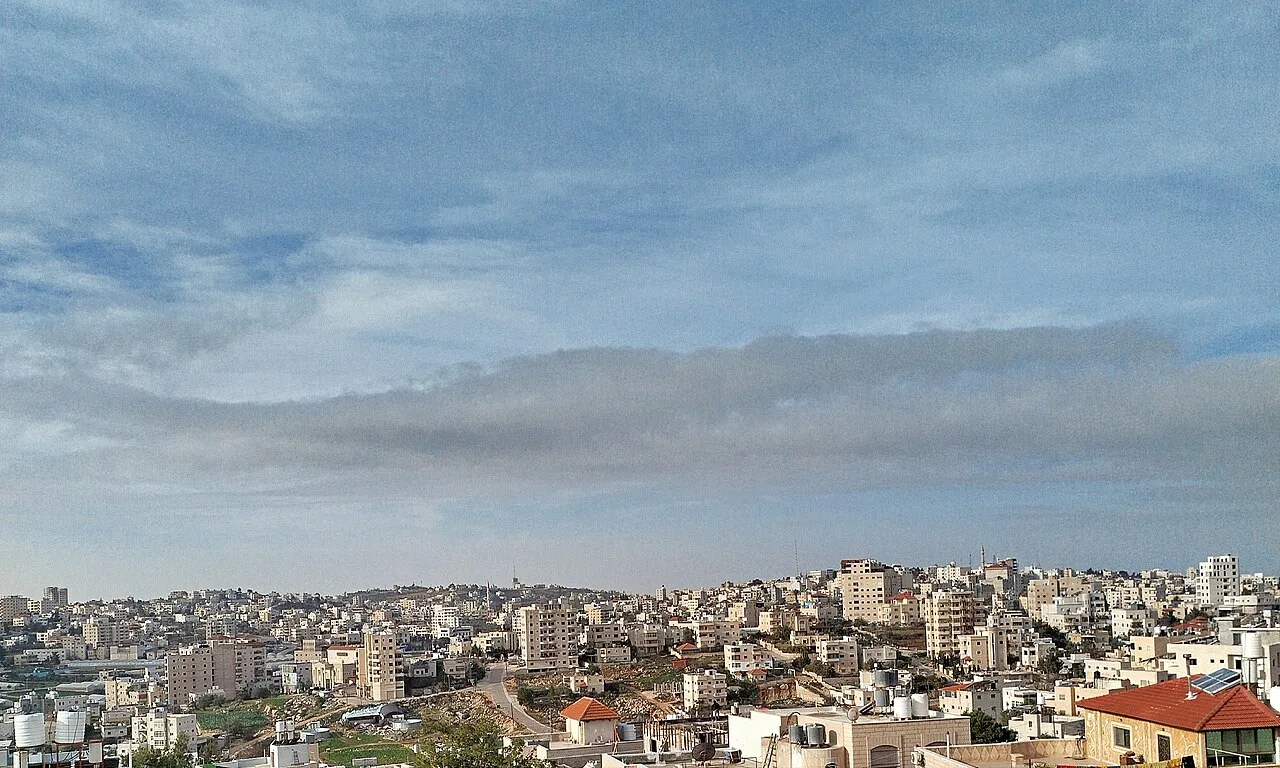
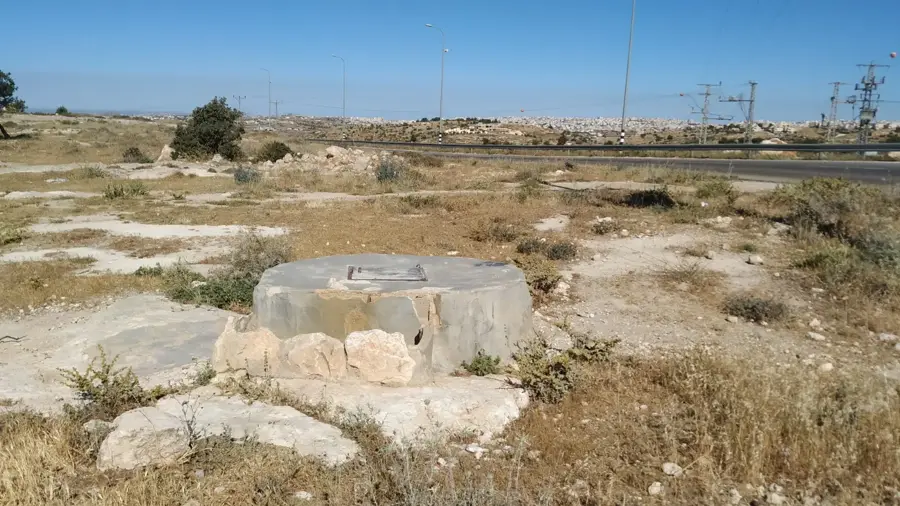
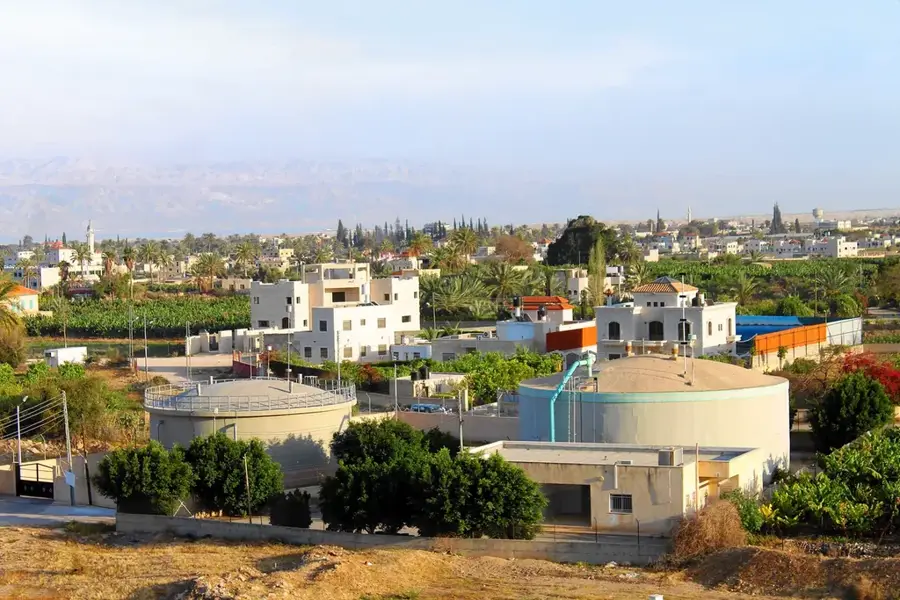
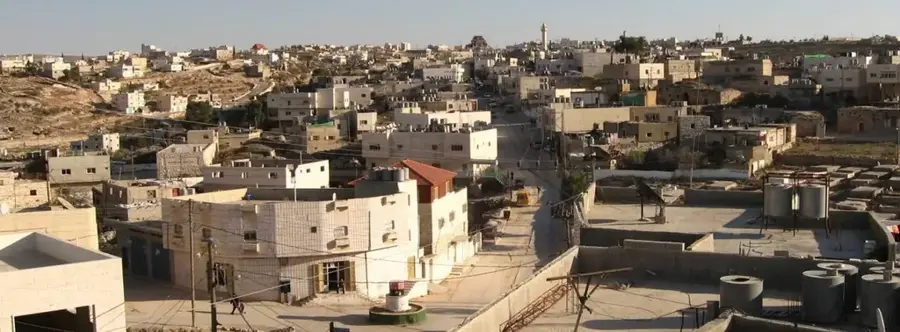
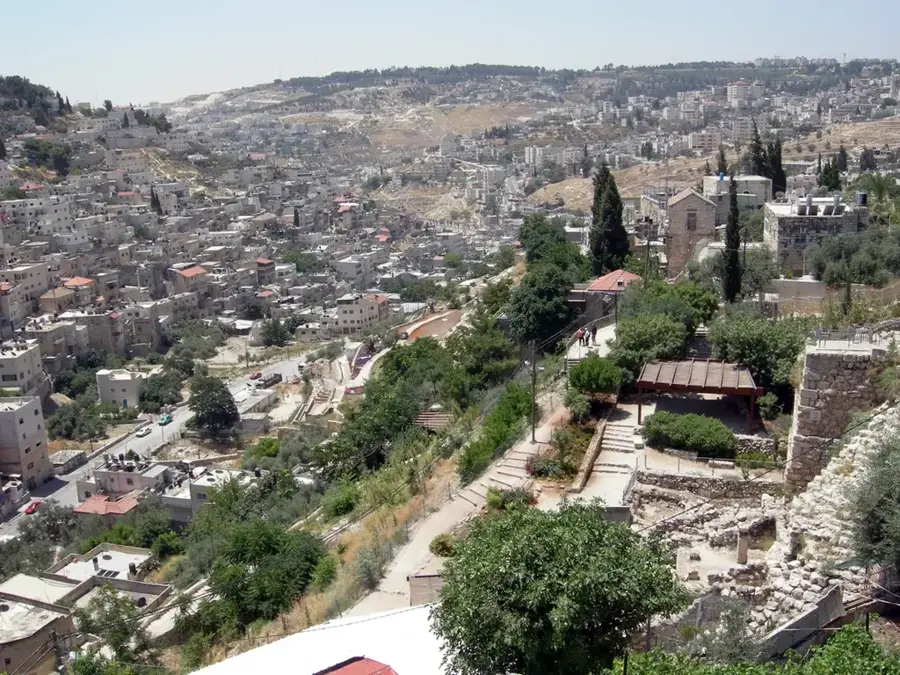
The Kidron Valley is a profound geographical and spiritual landmark that forms a deep trench between Jerusalem's Old City and the Mount of Olives. Historically identified as the Valley of Jehoshaphat, it carries immense eschatological weight in Jewish, Christian, and Islamic traditions as the prophesied site of the final judgment. The valley floor is home to world-renowned rock-cut tombs dating back to the Second Temple period, including the Pillar of Absalom, the Tomb of Zechariah, and the Bene Hezir tomb complex. Beyond the immediate vicinity of the holy sites, the valley extends eastward into the rugged Judean Desert. Here, the landscape shifts from ancient olive groves to stark, sun-scorched limestone canyons. The Kidron serves as a vital natural drainage system for the region; during rare but intense winter storms, the dry wadi transforms into a powerful torrent that carries runoff water all the way down to the shores of the Dead Sea.

Best time to visit & climate

The most pleasant time to visit is May, Jun, Oct.

JanFebMarAprMayJunJulAugSepOctNovDec
Avg °C111215182225272726231814
Rain mm8862372151102144683

📋 Practical info

🧭
Getting there
Access to this prominent valley usually starts right at the very edge of the Old City, not far from the ancient historic walls. You can easily reach the starting points of the well-known hiking routes either on foot or by hailing a taxi.
📅
Best season
Spring and late autumn are the handy times to visit in order to successfully avoid the intense solar radiation of the deep desert climate. During the winter months, one must constantly be wary of sudden flash floods following heavy rains.
⛰️
Terrain & paths
The trails vary significantly; near the city they are partially paved, while further into the desert they become stony and rugged. The gradient increases substantially towards the Dead Sea, demanding a solid level of physical fitness.
🎒
What to bring
High-quality footwear with non-slip soles and an enormous amount of drinking water are strictly necessary for extended treks. A wide-brimmed hat, sunglasses, and detailed route directions will greatly help you maintain safe orientation.
🅿️
Parking
It is highly advisable to leave your vehicle in the large, official parking lots situated around the Old City and start walking from there. Right within the valley area itself, parking options are extremely limited or completely nonexistent.
⚠️
Safety
Long hikes towards the open desert should ideally be undertaken in a group due to the intense heat and potential navigation difficulties. In winter, it is absolutely mandatory to check the weather forecast for local flood risks before starting.
⏱️
Time needed
A brief walk in the section near the city usually takes just one to two hours and fits very well into a relaxed afternoon schedule. A complete hike all the way to the end of the valley is a full-day expedition that must be started early.

Geography

Coordinates
31.77000, 35.24000

Facts

  • The total length of the valley is about 32 kilometers
  • The Tomb of Absalom stands approximately 20 meters high
  • The Gihon Spring feeds the upper part of the valley
  • It is referred to in the Bible as the Valley of Jehoshaphat
  • Several major Christian churches line its slopes
  • The valley serves as natural drainage for Jerusalem

Explore nearby

Notable places around
Route planner — Car & Motorhome

Where do you start? We build the route here, with stops and country notes along the way.

Vehicle
Only stops with (optional):

© OpenStreetMap contributors · OpenRouteService

Sights in the town Kidron Valley (3)

HaShiliach Pool📍 landmark

An ancient rock-cut pool in the City of David, historically fed by the Gihon Spring.

Al Faroq Mosque📍 landmark

A neighborhood mosque located in the Silwan district, south of the Old City.

Mohammed Al-Fateh Mosque📍 landmark

A mosque in the Ras al-Amud area, featuring a tall minaret with views of the Temple Mount.

Sights nearby

Frequently asked questions

Can the Kidron Valley be explored safely?
Caution is needed in some sections; stay on the marked paths.
Are there historical sites in the valley?
Yes, the valley is home to numerous ancient tombs and religious sites.
When is the best time to visit?
Spring and autumn offer pleasant weather for exploration.
Is the valley accessible?
No, the terrain is uneven and not suitable for wheelchair users.
Is photography allowed in the valley?
Yes, photography is generally allowed in outdoor areas.
Kidron Valley: where is it located?
Kidron Valley is located in Palestinian Territories.
Kidron Valley: what is there to see?
Highlights include HaShiliach Pool, Al Faroq Mosque, Mohammed Al-Fateh Mosque.
Kidron Valley: when is the best time to visit?
The most pleasant time to visit is May, Jun, Oct.
Kidron Valley: why is it worth visiting?

The Kidron Valley is a profound geographical and spiritual landmark that forms a deep trench between Jerusalem's Old City and the Mount of Olives.
View on map → The Top 50 Attractions → OpenStreetMap →
Asia
Explore with Plizio Discover more places in Asia
More places in Palestinian Territories →

Nearby cities

History & landmarks