Plizio Visual Lab

Baal-Hazor
Plizio editorial teamData Sources
peak
—°6
Baal-Hazor (Palestinian Territories)

Weather…

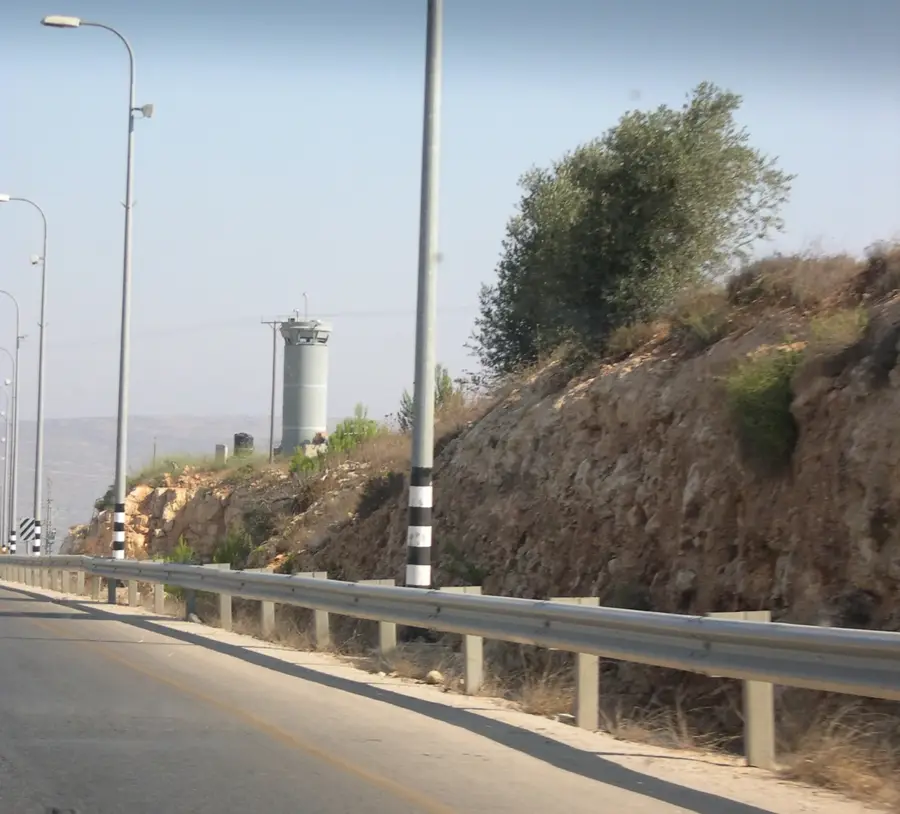
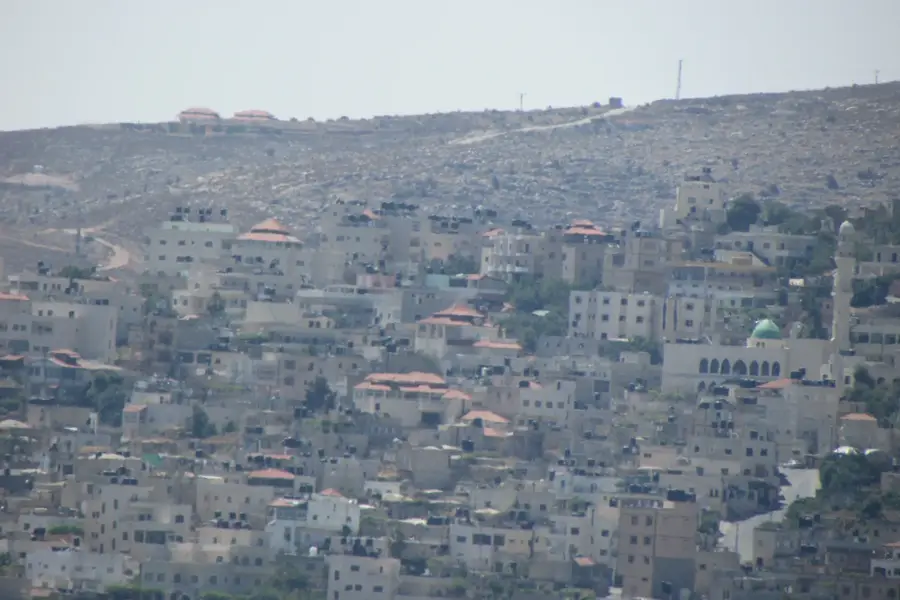
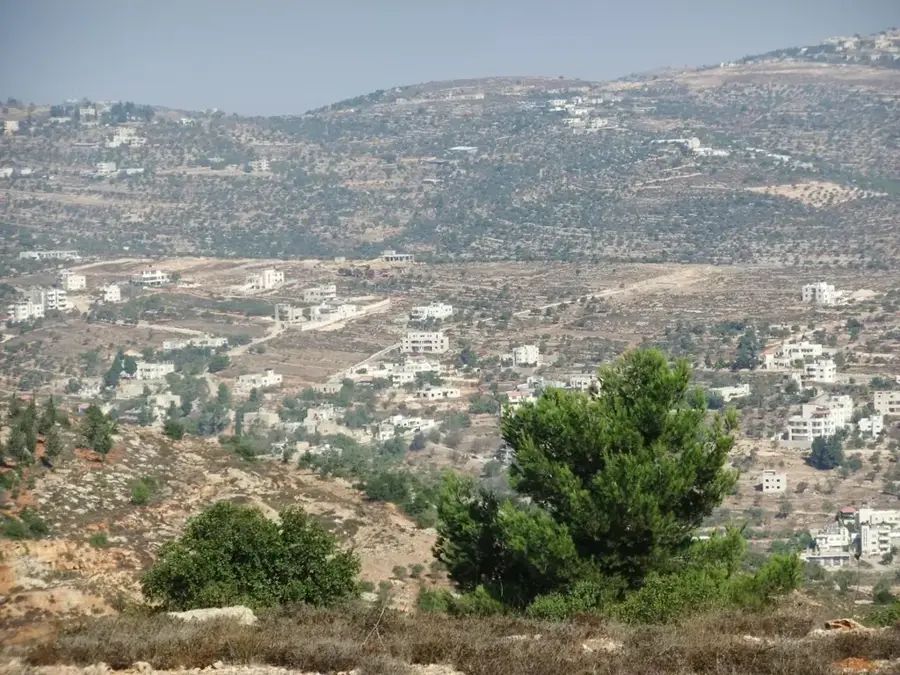
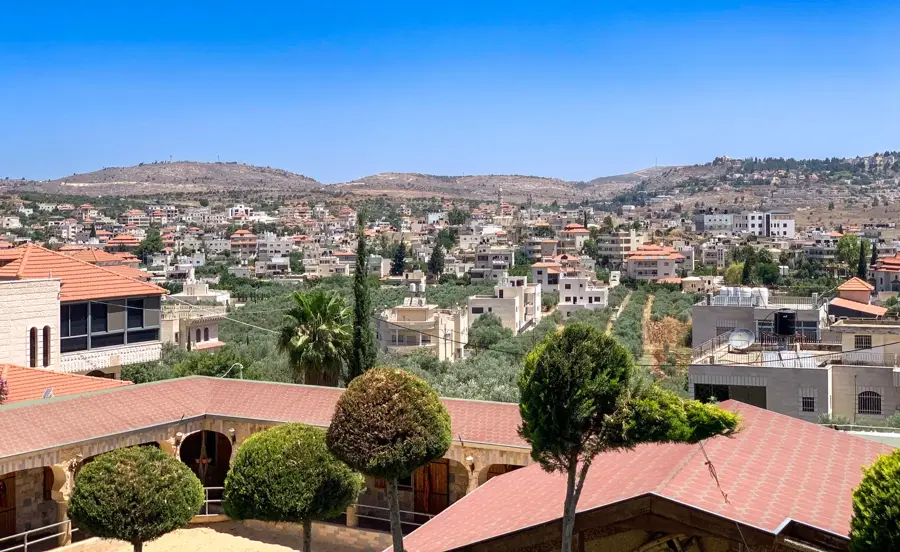
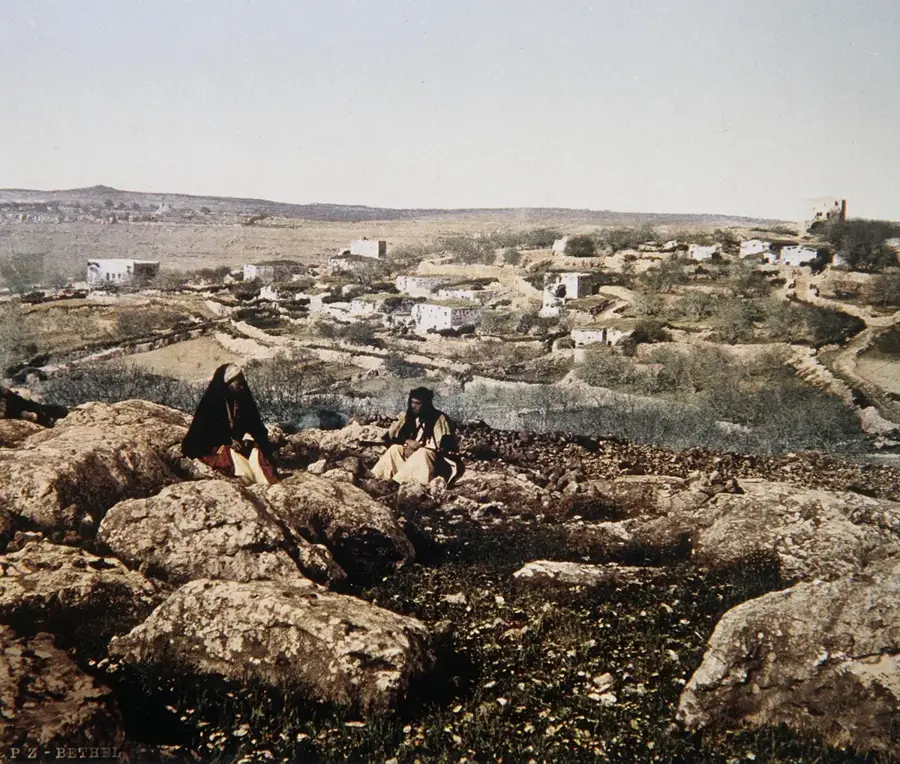
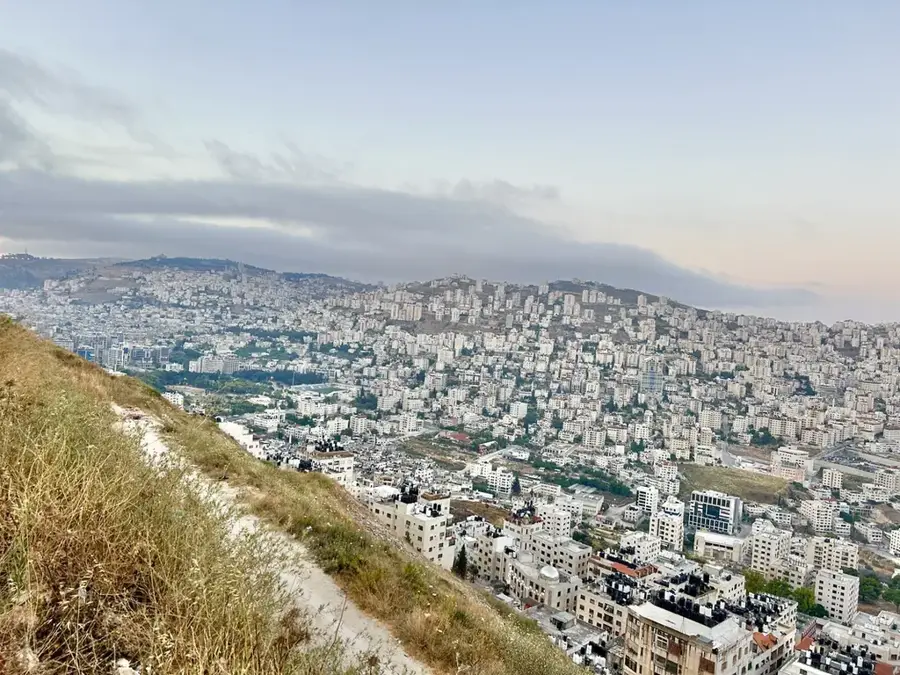
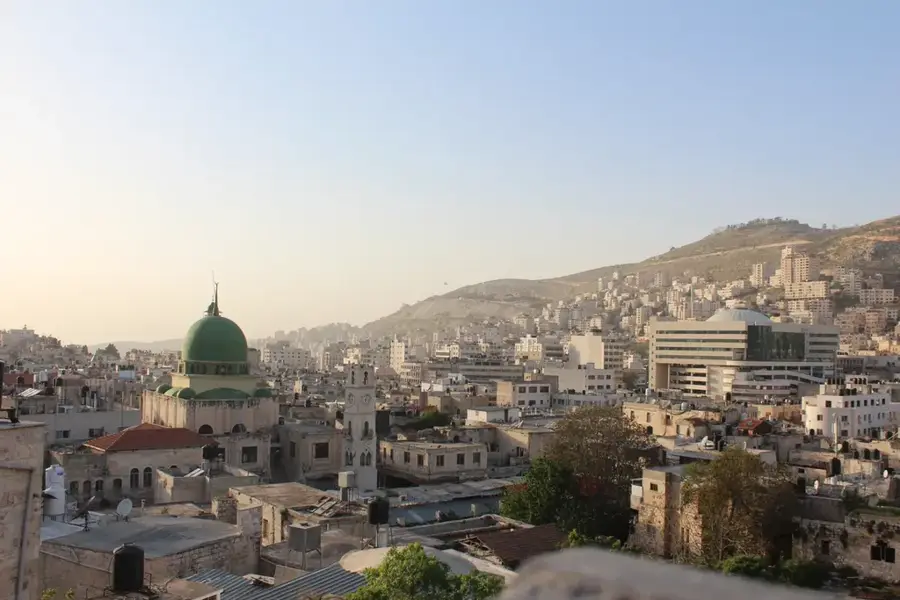
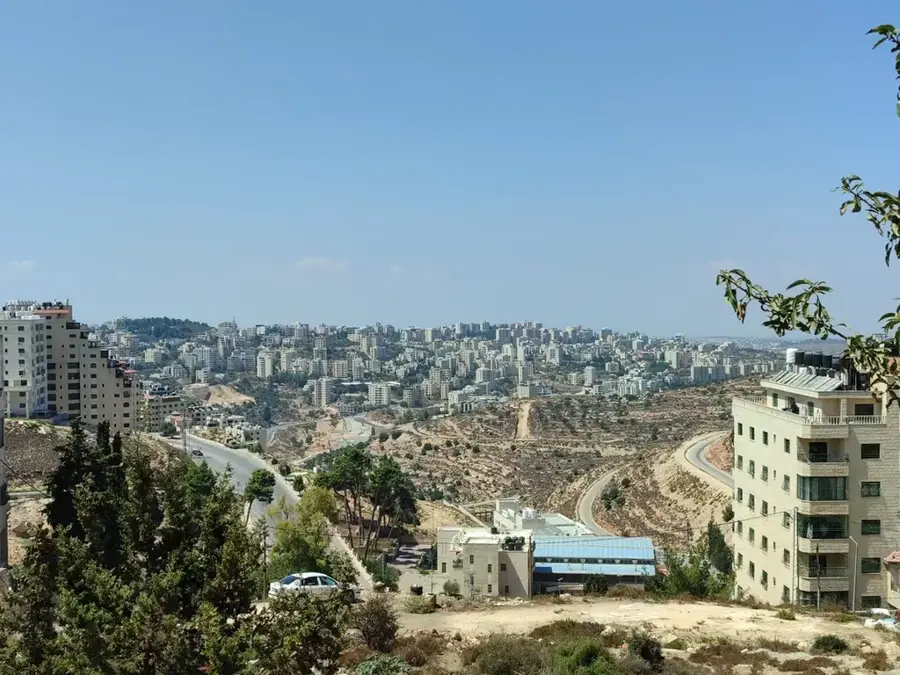
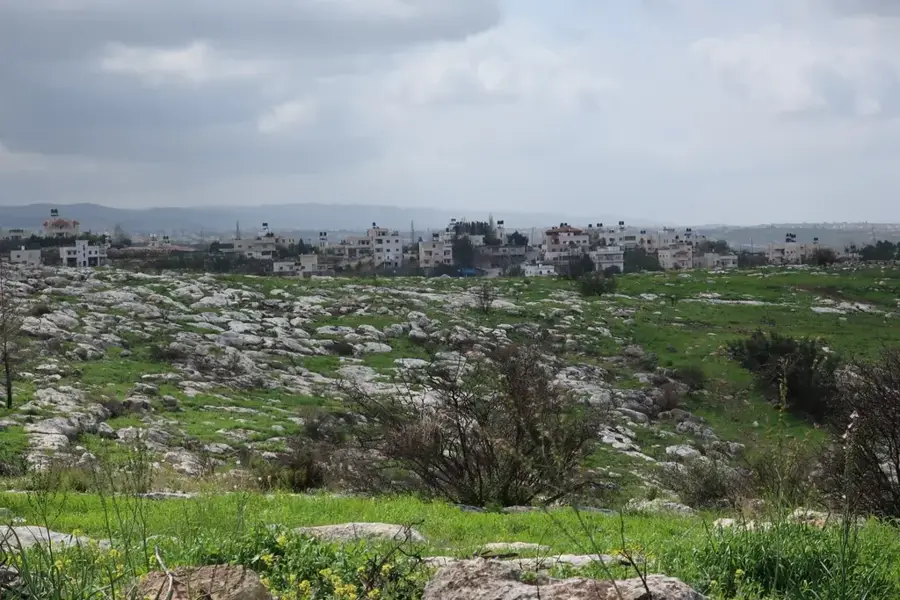
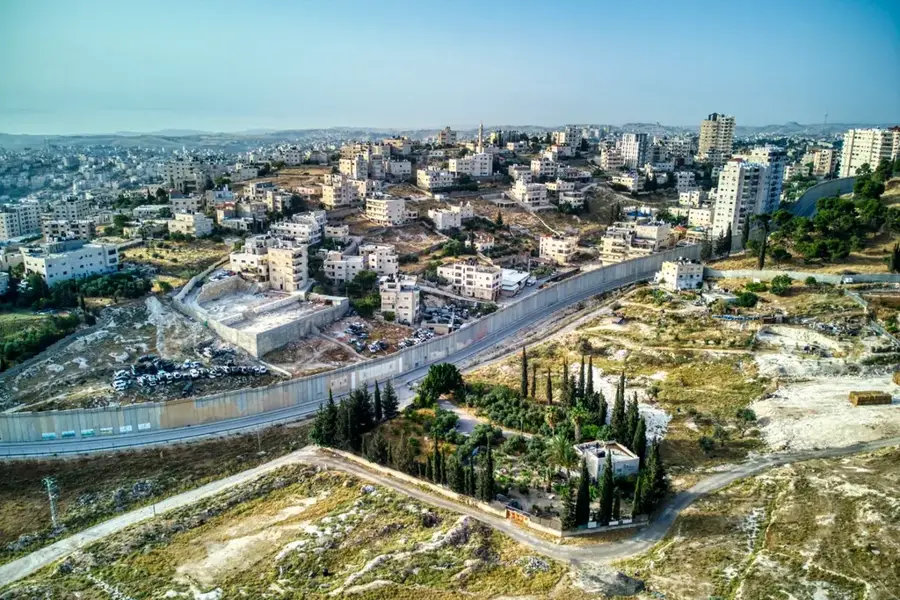
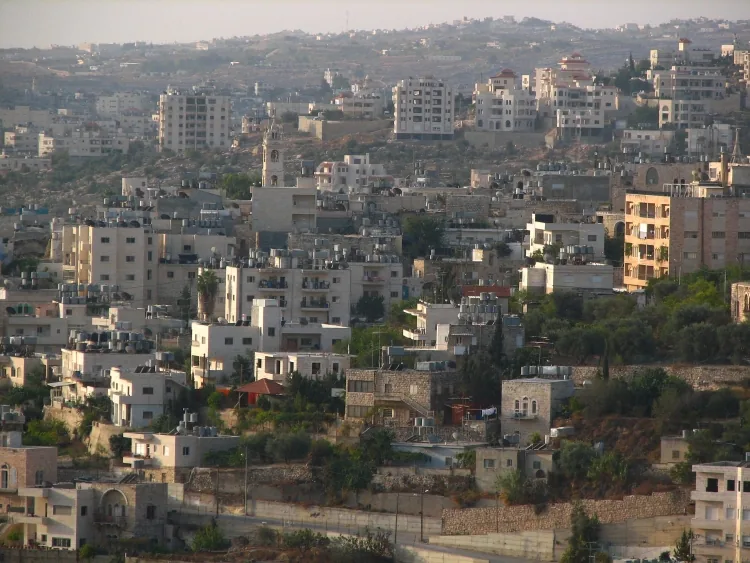
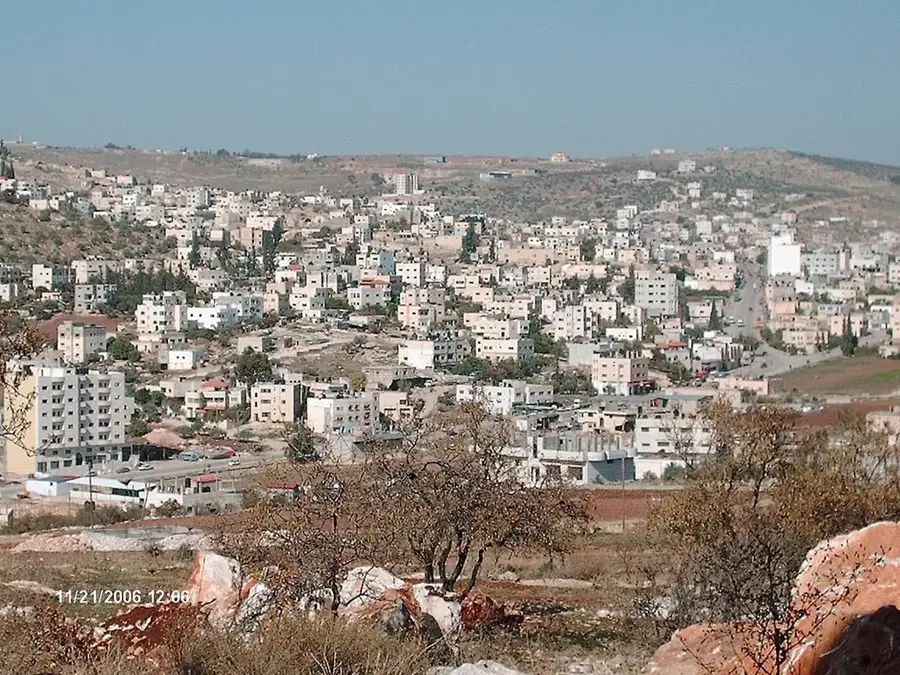
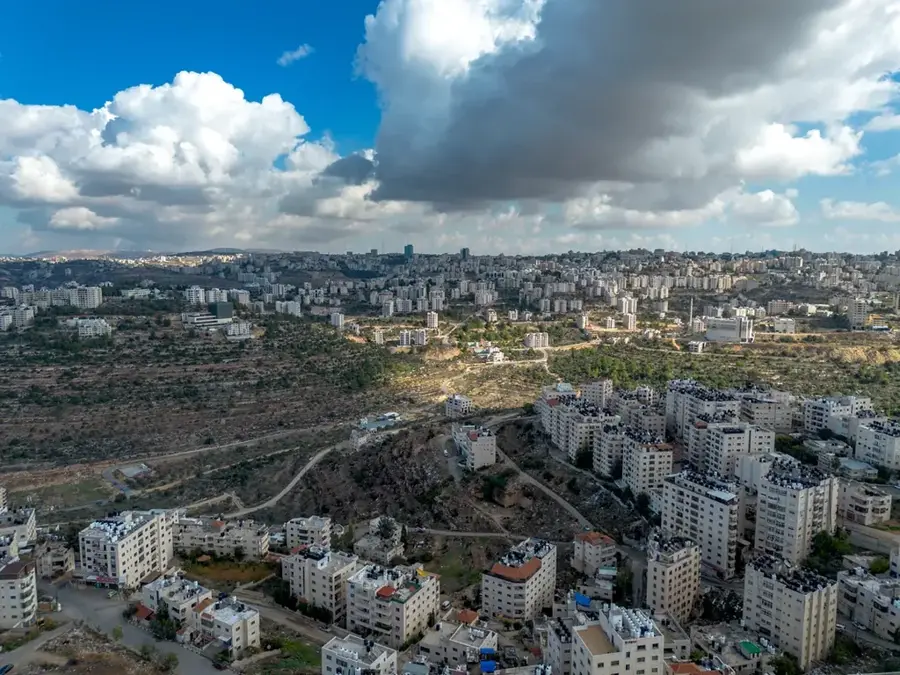
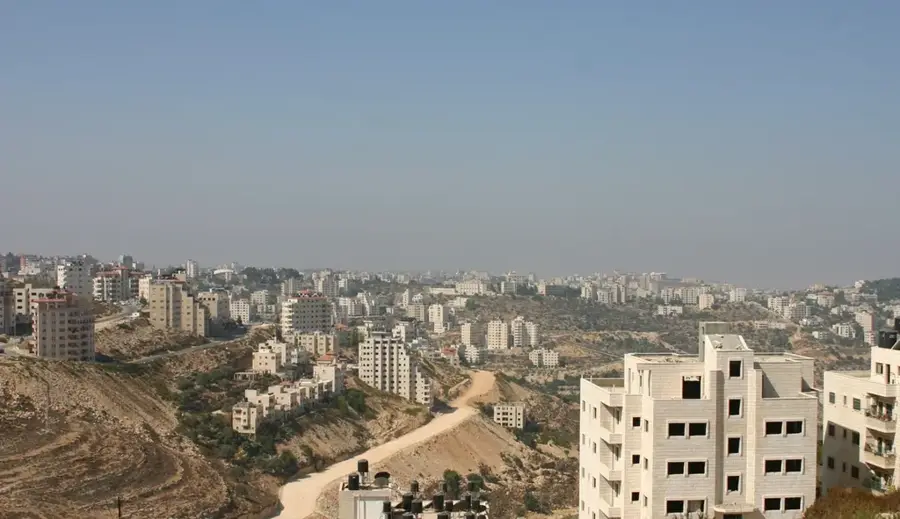
Baal-Hazor stands as the highest peak in the West Bank, rising to an elevation of 1,016 meters above sea level. Located approximately 10 kilometers north of Ramallah, it serves as a prominent landmark in the central highlands. The summit gives unparalleled panoramic views that, on clear days, stretch from the Mediterranean Sea in the west to the mountains of Moab across the Jordan Valley in the east. Historically, its strategic height has made it a significant observation post for various civilizations that controlled the region. The mountain is part of the Judean mountain range, composed largely of durable limestone that defines the local topography. While the peak itself is rugged, the surrounding slopes feature traditional agricultural terraces, olive groves, and small pockets of Mediterranean forest. As the literal ceiling of the West Bank, Baal-Hazor is not only a geographical milestone but also a place of great natural beauty, providing a unique vantage point over the diverse landscapes of central Palestine.

Best time to visit & climate

The most pleasant time to visit is May, Jun, Oct.

JanFebMarAprMayJunJulAugSepOctNovDec
Avg °C111215182225272726231814
Rain mm8862372151102144683

📋 Practical info

🧭
Getting there
Reaching this prominent central highlands peak usually involves driving from the Ramallah area along local mountain routes; specific access to the very top may be restricted or require navigating through steep and winding regional roads.
📅
Best season
Late spring and early autumn are generally the most advisable times for an excursion, providing clear visibility for panoramic views and more temperate weather compared to the often harsh and exposed conditions of high summer.
⛰️
Terrain & paths
The terrain is predominantly rocky and steep, characteristic of the central highlands; hiking here involves navigating rugged trails and loose stones, demanding a good sense of balance and physical endurance.
🎒
What to bring
High-quality hiking boots with strong ankle support are essential for the rocky slopes, alongside layered clothing to adapt to changing winds at altitude, a first-aid kit, sun protection, and a generous supply of hydration.
🅿️
Parking
Visitors typically have to find informal parking areas at lower elevations along the approaching roads, as dedicated summit parking facilities are generally not provided in this rugged and largely undeveloped natural landscape.
⚠️
Safety
The high elevation brings increased exposure to wind and rapid weather changes; hikers should exercise caution on precipitous drops, always verify current access restrictions or local guidelines, and never hike alone.
⏱️
Time needed
A round-trip expedition to the upper elevations and back generally requires a significant commitment of at least half a day to a full day, depending heavily on the chosen starting point and the hiker's overall walking speed.

Geography

Coordinates
31.99280, 35.24080

Facts

  • Elevation of 1,016 meters above sea level
  • Highest mountain in the entire West Bank
  • Located northeast of Ramallah near Silwad
  • Frequent snowfall during winter months
  • Composed mainly of Upper Cretaceous rocks
  • Biblical mention in connection with Absalom

Explore nearby

Notable places around
Route planner — Car & Motorhome

Where do you start? We build the route here, with stops and country notes along the way.

Vehicle
Only stops with (optional):

© OpenStreetMap contributors · OpenRouteService

Sights in the town Baal-Hazor (6)

Burj Barduil🏺 historical

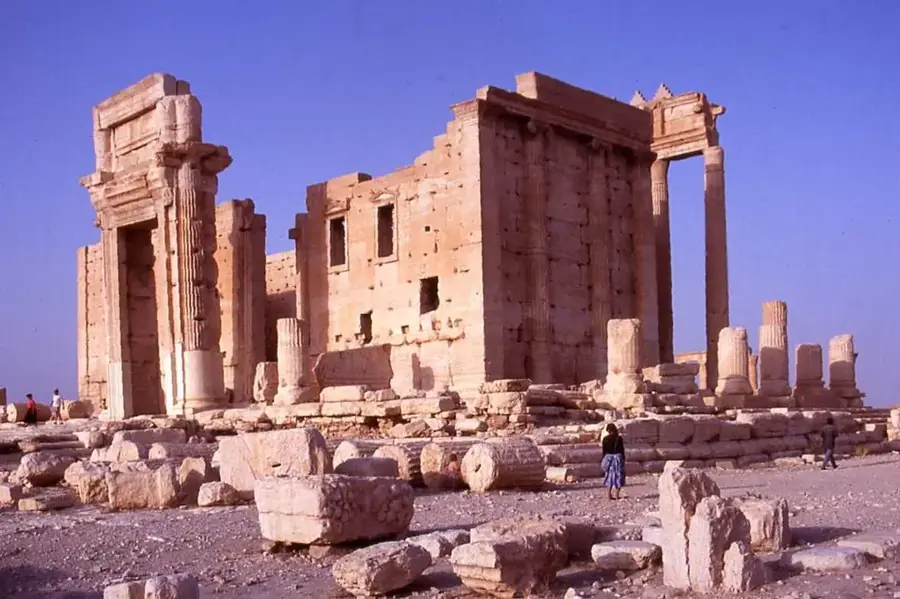
The ruins of a medieval Crusader fortress, also known as Baldwin's Tower, on a strategic ridge.

Flagstones valley🌿 nature

A viewpoint overlooking a valley floor characterized by natural, flat limestone pavement.

Khirbet Tarafayn🏺 historical

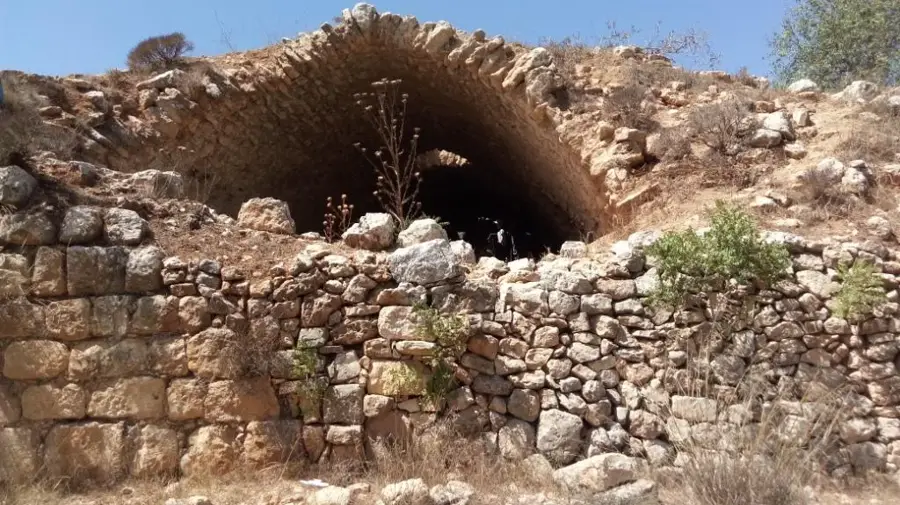
Archaeological ruins of an ancient settlement featuring remains of stone structures and historical cisterns.

Mosque📍 landmark

A local Muslim prayer house in the Baal Hazor area, serving the daily devotion of the community.

Selwad Old Mosque📍 landmark

The historical old mosque of Silwad, bearing witness to the town's traditional architecture and history.

Abu Aubayda Mosque📍 landmark

A mosque dedicated to worshippers in the Silwad region, featuring a prominent prayer hall.

Sights nearby

Frequently asked questions

Is the peak of Baal-Hazor easily accessible?
The ascent requires good fitness and sure-footedness.
Can one climb the peak at any time?
Often restricted by military zones; check in advance.
Is special equipment needed?
Hiking boots with good grip are absolutely necessary.
How long does the hike take?
Expect about 3 to 5 hours for the round trip.
Does the peak offer shelter in bad weather?
No, the peak is very exposed.
Baal-Hazor: where is it located?
Baal-Hazor is located in Palestinian Territories.
Baal-Hazor: what is there to see?
Highlights include Burj Barduil, Flagstones valley, Khirbet Tarafayn.
Baal-Hazor: when is the best time to visit?
The most pleasant time to visit is May, Jun, Oct.
Baal-Hazor: why is it worth visiting?
Baal-Hazor stands as the highest peak in the West Bank, rising to an elevation of 1,016 meters above sea level.
View on map → The Top 50 Attractions → OpenStreetMap →
Asia
Explore with Plizio Discover more places in Asia
More places in Palestinian Territories →

Nearby cities

History & landmarks