Plizio Visual Lab
Lokoja
ℹ️Practical info — Lokoja
▾
🌤 Weather — 5 days
📍 Nearby
Sights nearby
💡 Tips
- Visit the confluence point of the Niger and Benue rivers early in the morning for the best light and cooler temperatures.
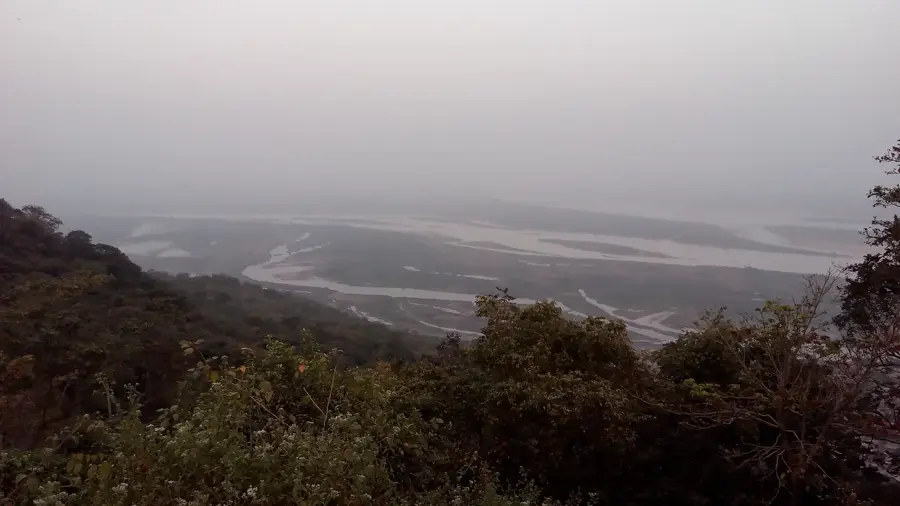
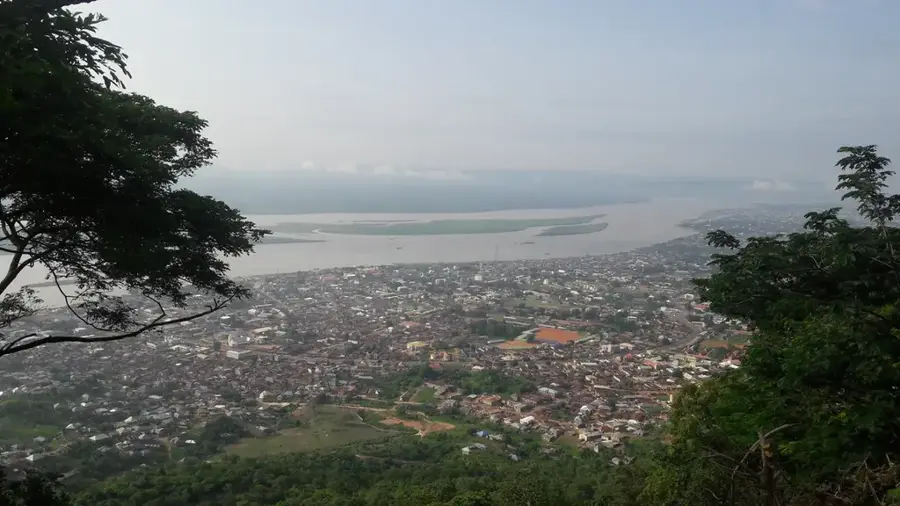
- Drive or hike up Mount Patti for a spectacular panoramic view of the two rivers merging.
- Local boat rides are available on the rivers; always negotiate the price beforehand.
- The weather can be quite humid, so pack light, breathable clothing.
- Public transport consists mostly of motorcycle taxis, so hold on tight or ask them to drive slowly.
🍽 Food
A spicy dish made with fresh river fish, best enjoyed at riverside eateries.
A Northern Nigerian rice dish available in many traditional restaurants in Lokoja.
Refreshing local drinks available from street vendors on hot afternoons.
🛍 Shopping · 🧘 Quiet spots
A good place to find local agricultural produce, grains, and traditional fabrics.
Buy freshly caught or smoked fish directly from local fishermen on the banks.
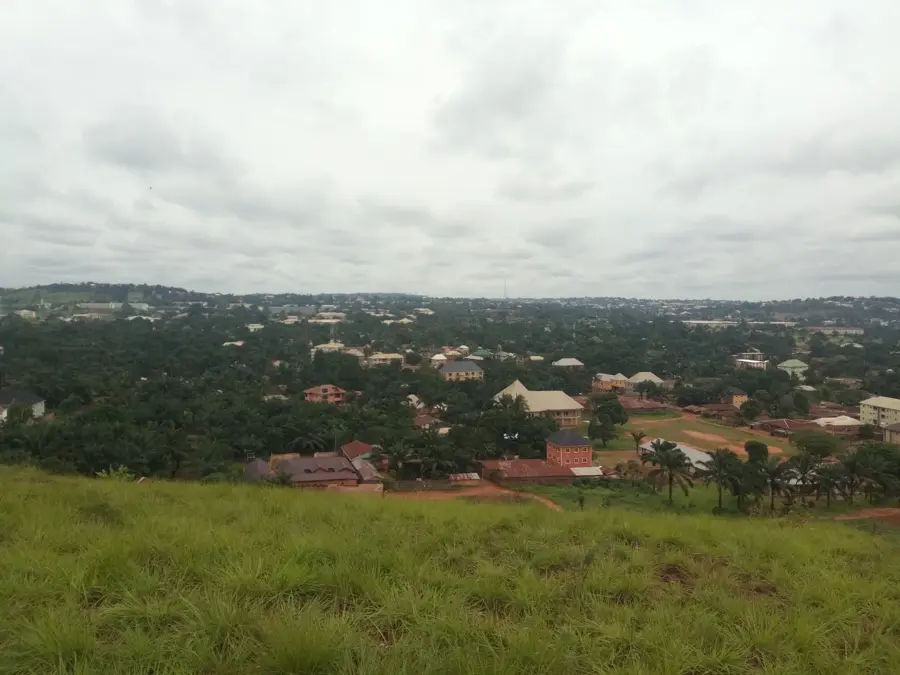
Has a very serene atmosphere and a wide-open view high above the city's hustle.
A historical and relatively quiet area, well-suited for reflecting on the colonial past.
Water temperature…
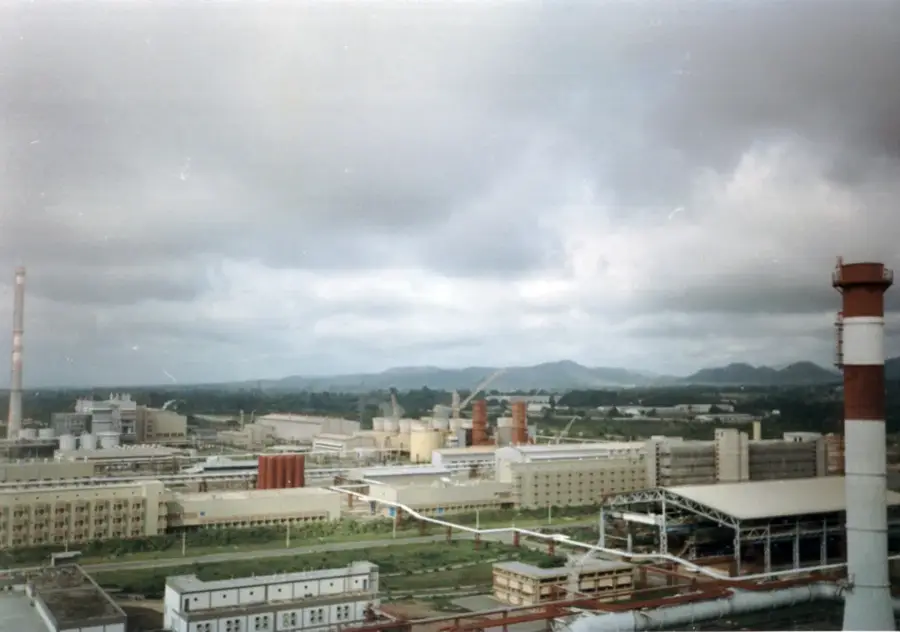
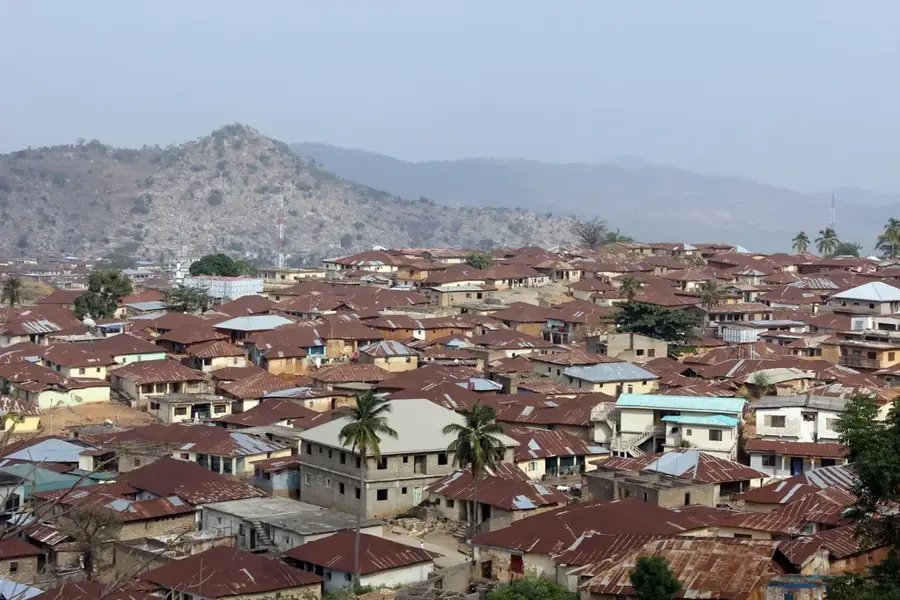
Lokoja occupies a unique position in Nigerian history and geography, situated at the magnificent confluence of the Niger and Benue Rivers. This strategic vantage point facilitated its role as the first administrative capital of the British Northern Nigeria Protectorate in the mid-19th century. The city is dramatically overlooked by Mount Patti, a 450-meter-high plateau that served as a strategic lookout for colonial administrators and now has a panoramic view of the 'Y-shaped' river junction. Lokoja's history is deeply intertwined with the end of the transatlantic slave trade, as it became a key settlement for liberated slaves, reflected in monuments like the Iron of Liberty. Culturally, the city is a melting pot where the Igala, Ebira, Yoruba, and Hausa ethnic groups converge, creating a rich linguistic and social environment. Economically, Lokoja thrives as a major transit hub on the primary road network connecting Abuja to the southern ports, as well as a center for riverine trade and fishing. The proximity to vast iron ore deposits and the Ajaokuta Steel Mill underscores its importance to Nigeria's industrial aspirations. As the capital of Kogi State, Lokoja has seen significant modern infrastructural development, including the expansion of the Federal University Lokoja and the construction of state-of-the-art government facilities. The built environment is a fascinating mix of Victorian-era colonial buildings, such as the first European school in Northern Nigeria and the old post office, alongside modern African urban architecture. The climate is typically tropical, with high humidity levels and a distinct rainy season that nourishes the surrounding agricultural lands. Lokoja remains a symbol of Nigeria's colonial genesis and its enduring role as a geographical and cultural bridge between the diverse regions of the federation.
- Location: Nigeria
- Top sights: Cenotaph · Lokoja National Museum
- Nearby: Okene (62 km)
- Population: ~60.579 (2026)
Best time to visit & climate
The most pleasant time to visit is Jan, Nov, Dec.
| Jan | Feb | Mar | Apr | May | Jun | Jul | Aug | Sep | Oct | Nov | Dec | |
|---|---|---|---|---|---|---|---|---|---|---|---|---|
| Avg °C | 26 | 28 | 29 | 29 | 27 | 26 | 25 | 25 | 25 | 26 | 26 | 26 |
| Rain mm | 3 | 12 | 21 | 72 | 113 | 132 | 177 | 186 | 212 | 118 | 12 | 4 |
Geography
Facts
- Lokoja is uniquely situated at the confluence of the Niger and Benue Rivers, Nigeria's two largest waterways.
- It served as the first capital of Northern Nigeria and was a major base for the Royal Niger Company.
- Mount Patti is a prominent 450-meter-high plateau providing the most famous scenic view in the city.
- The city is home to the first primary school in Northern Nigeria, established by missionaries in the mid-1800s.
- The Iron of Liberty monument commemorates the spot where slaves were freed during the colonial transition.
- Lokoja serves as a critical junction for commuters traveling between the Federal Capital Territory and the south.
- The Ajaokuta Steel Mill, located nearby, is intended to be the backbone of Nigeria's industrialization.
- The Federal University Lokoja was established in 2011 to expand access to tertiary education in the middle belt.
Explore nearby
Notable places around



Route planner — Car & Motorhome
Where do you start? We build the route here, with stops and country notes along the way.
© OpenStreetMap contributors · OpenRouteService
Sights in the town Lokoja (2)
Frequently asked questions
What is the landmark of Lokoja?
Best time to visit Lokoja?
What can you do there?
How do you get there?
Is there a lot to see?
Lokoja: where is it located?
Lokoja: what is there to see?
Lokoja: when is the best time to visit?
Lokoja: why is it worth visiting?

Nearby cities
Nature
More places