Plizio Visual Lab
Yankari National Park

Weather…
Water temperature…
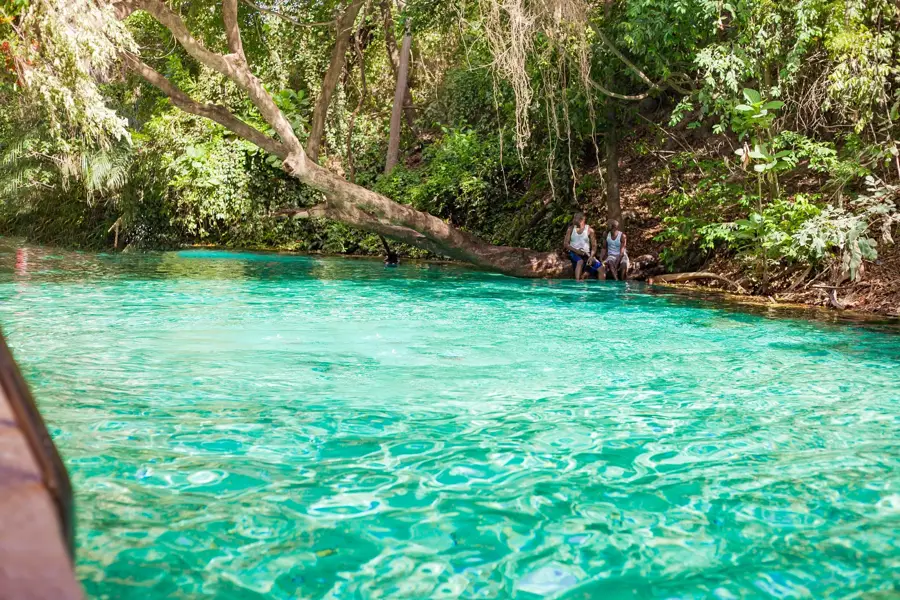
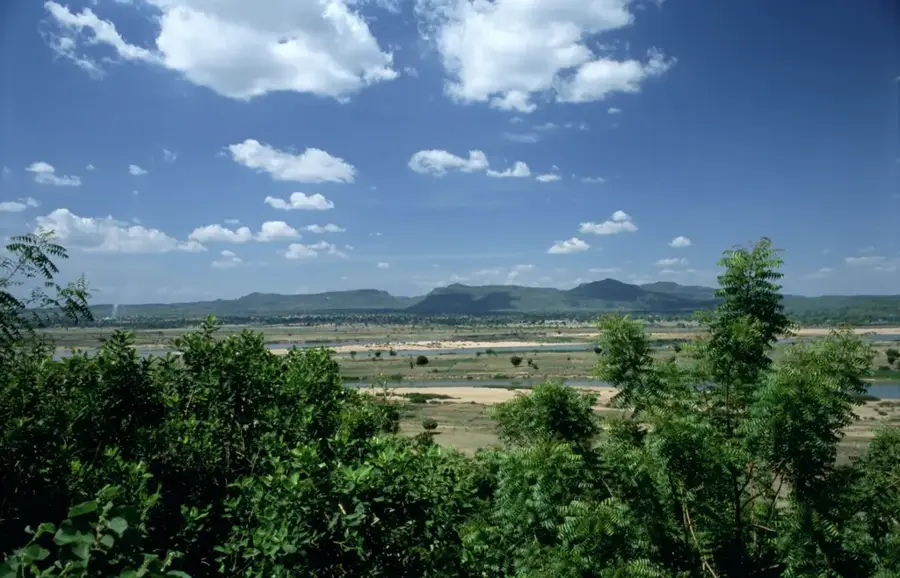
Yankari National Park, located in Bauchi State, is Nigeria’s most renowned and popular wildlife sanctuary. Originally established as a game reserve in 1956, it was officially designated as a national park in 1991. The park covers an area of approximately 2,244 square kilometers and is home to the largest surviving elephant population in Nigeria, as well as lions, buffaloes, and hippopotamuses. A primary geographical feature is the Wikki Warm Springs, a natural thermal spring that maintains a constant temperature of 31 degrees Celsius and is famous for its crystal-clear blue water. The landscape is a diverse mix of Sudan savanna, scrubland, and gallery forests along the Gaji River. Yankari serves as a critical refuge for endangered species and remains a premier destination for ecotourism in West Africa.
- Location: Nigeria
- Nearby: Wikki Warm Spring (14 km)
Best time to visit & climate
The most pleasant time to visit is Jan, Nov, Dec.
| Jan | Feb | Mar | Apr | May | Jun | Jul | Aug | Sep | Oct | Nov | Dec | |
|---|---|---|---|---|---|---|---|---|---|---|---|---|
| Avg °C | 24 | 27 | 30 | 31 | 29 | 28 | 26 | 25 | 25 | 26 | 26 | 24 |
| Rain mm | 0 | 1 | 6 | 66 | 78 | 80 | 138 | 207 | 126 | 39 | 5 | 0 |
📋 Practical info
Geography
Facts
- The reserve was established in 1956 and became a national park in 1991.
- It covers a vast area of roughly 2,244 square kilometers (866 sq miles).
- It contains the largest elephant population remaining in Nigeria.
- Wikki Warm Springs is a natural pool with a constant temperature of 31°C.
- More than 350 bird species have been documented within the park's borders.
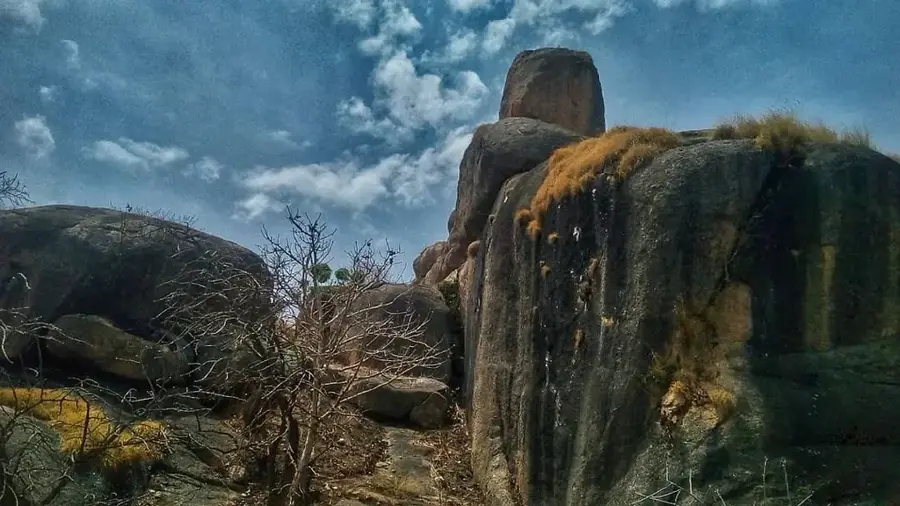
- The Marshall Caves contain ancient rock paintings and human dwellings.
Explore nearby
Notable places around


Route planner — Car & Motorhome
Where do you start? We build the route here, with stops and country notes along the way.
© OpenStreetMap contributors · OpenRouteService
Sights nearby
Frequently asked questions
Best time to visit Yankari National Park?
Do I need to book a safari in advance?
Is there accommodation inside the national park?
Are the warm springs accessible to guests?
Is the park family friendly?
Yankari National Park: where is it located?
Yankari National Park: when is the best time to visit?
Yankari National Park: why is it worth visiting?

Nearby cities