Plizio Visual Lab
Onitsha
ℹ️Practical info — Onitsha
▾
🌤 Weather — 5 days
📍 Nearby
Sights nearby
💡 Tips
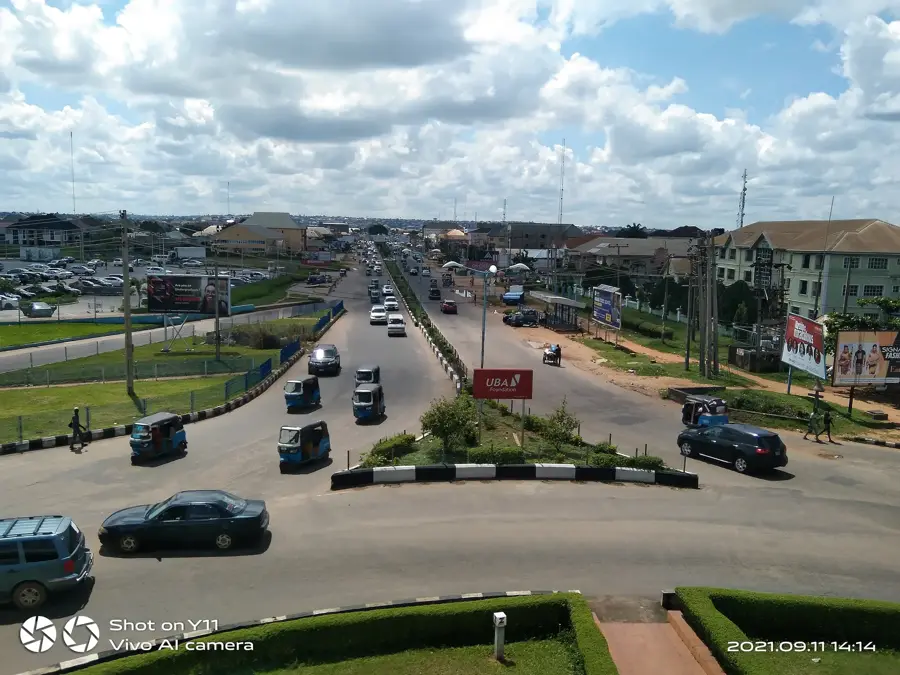
- Be extra vigilant at the Upper Iweka area; it is a very busy transport hub and can be chaotic for newcomers.
- Address elders as 'Sir' or 'Ma' as a sign of respect, which is highly valued in Onitsha culture.
- Visit the Onitsha Mall (Shoprite) in the GRA for a modern, air-conditioned break from the market hustle.
- Use reputable ride-hailing apps for moving around and avoid the Enugu-Onitsha expressway after dark.
- Carry enough cash for market transactions as ATMs at malls and banks can run out of notes on weekends.
🍽 Food
A traditional 'white soup' that is a pride of the Igbo people; Five Star Foods Restaurant is highly rated for this.
African salad made from shredded cassava, often sold fresh near the Ose market area.
Spiced cow foot served in a rich sauce; Boogaloo Restobar is a trendy spot to enjoy this with live music.
🛍 Shopping · 🧘 Quiet spots
One of West Africa's largest markets where you can find everything from textiles to electronics. Keep your belongings secure.
The go-to spot for fresh produce, local spices, and traditional foodstuffs for authentic local cooking.
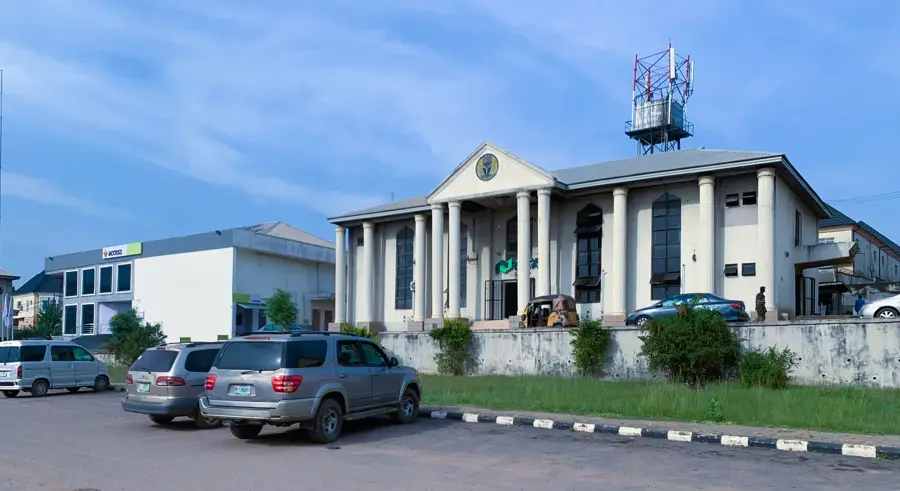
An architectural marvel with a peaceful atmosphere and a striking bell tower, first-rate for a quiet moment.
A cultural landmark with large, white-walled compounds that offer a sense of history and open space.
Water temperature…
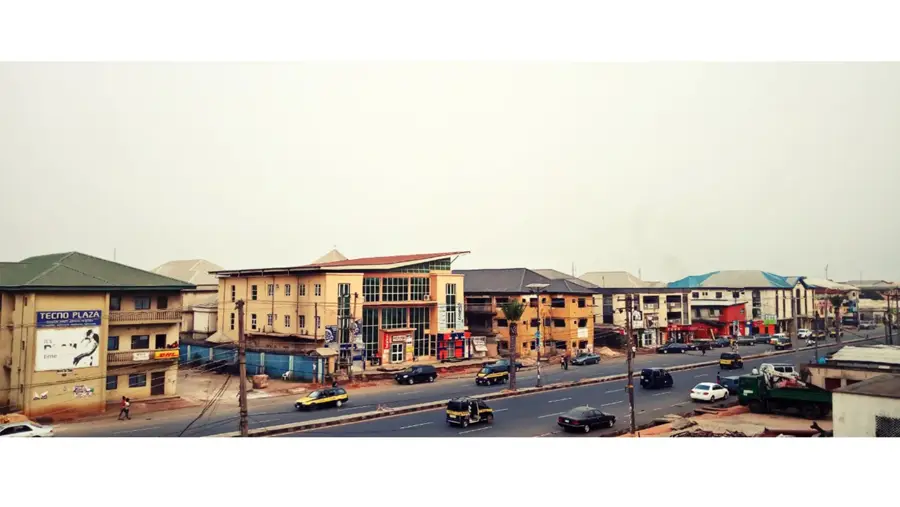
Onitsha, strategically located on the eastern bank of the Niger River, is one of Nigeria's most significant commercial ports and a gateway to the southeastern part of the country. The city was founded in the 16th century by immigrants from the Benin Empire and evolved into an influential city-state under the rule of the Obi of Onitsha. During the British colonial era, Onitsha became a central hub for palm oil and textile trade, a role further strengthened by the construction of the Niger Bridge in the 1960s. Today, the city hosts the Onitsha Main Market, often described as the largest market in Africa in terms of size and variety of goods. Onitsha is also a major center for education and religious life, featuring an impressive number of churches, cathedrals, and schools that define its cultural landscape. The city serves as a vital logistical link for transporting goods between the seaports of the south and the inland markets of the north. Despite high population density and intense urbanization, Onitsha preserves its traditional customs, celebrated annually during the Ofala Festival.
- Location: Nigeria
- Nearby: Uromi (77 km)
- Population: ~1.553.000 (2022)
Best time to visit & climate
The most pleasant time to visit is Jan, Feb, Dec.
| Jan | Feb | Mar | Apr | May | Jun | Jul | Aug | Sep | Oct | Nov | Dec | |
|---|---|---|---|---|---|---|---|---|---|---|---|---|
| Avg °C | 24 | 26 | 27 | 27 | 26 | 26 | 25 | 25 | 25 | 25 | 26 | 25 |
| Rain mm | 12 | 29 | 60 | 123 | 167 | 227 | 231 | 242 | 315 | 210 | 73 | 15 |
Geography
Facts
- Onitsha was established in the 16th century by settlers from the Benin Empire.
- The Onitsha Main Market is recognized as the largest market by land area in West Africa.
- The strategically vital Niger Bridge was completed and opened in 1965.
- The Obi of Onitsha serves as the traditional paramount ruler of the city.
- The city is located at the confluence of the Niger and Anambra Rivers.
- The Ofala Festival is the most significant annual cultural event held in Onitsha.
Explore nearby
Notable places around

Route planner — Car & Motorhome
Where do you start? We build the route here, with stops and country notes along the way.
© OpenStreetMap contributors · OpenRouteService
Sights in the town Onitsha (1)
Frequently asked questions
What is the main attraction in Onitsha?
How to get to Onitsha?
When is the best time to visit?
What else is there besides the market?
Is it family-friendly?
Onitsha: where is it located?
Onitsha: when is the best time to visit?
Onitsha: why is it worth visiting?

Nearby cities