Plizio Visual Lab
Buenos Aires
ℹ️Practical info — Buenos Aires
▾
🌤 Weather — 5 days
📍 Nearby
Sights nearby
💡 Tips
- Bring cash before arriving, as ATMs are scarce and local businesses exclusively accept Córdobas.
- It's a great spot to catch a cooling breeze from Lake Nicaragua, especially in the afternoons.
- Local buses to Rivas are cheap but schedules are irregular, so always ask locals for times.
- Be prepared for very strong winds if you visit during the dry season (December to April).
🍽 Food
A mix of yuca, cabbage salad, and pork rind, found at small local food stands or town fairs.
Seek out lakeside eateries offering this deliciously fried fresh catch from Lake Nicaragua.
The staple Nicaraguan rice and beans dish, served absolutely everywhere for breakfast.
🛍 Shopping · 🧘 Quiet spots
Small corner stores spread throughout the town where you can buy cold drinks and local snacks.
Head to the nearby city of Rivas for a much larger selection of fresh produce and crafts.
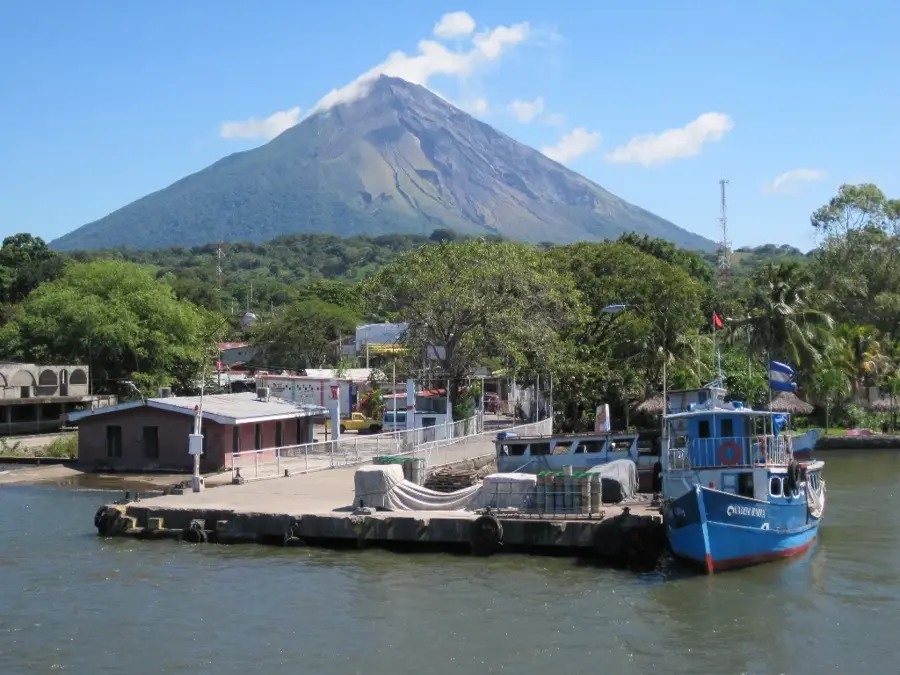
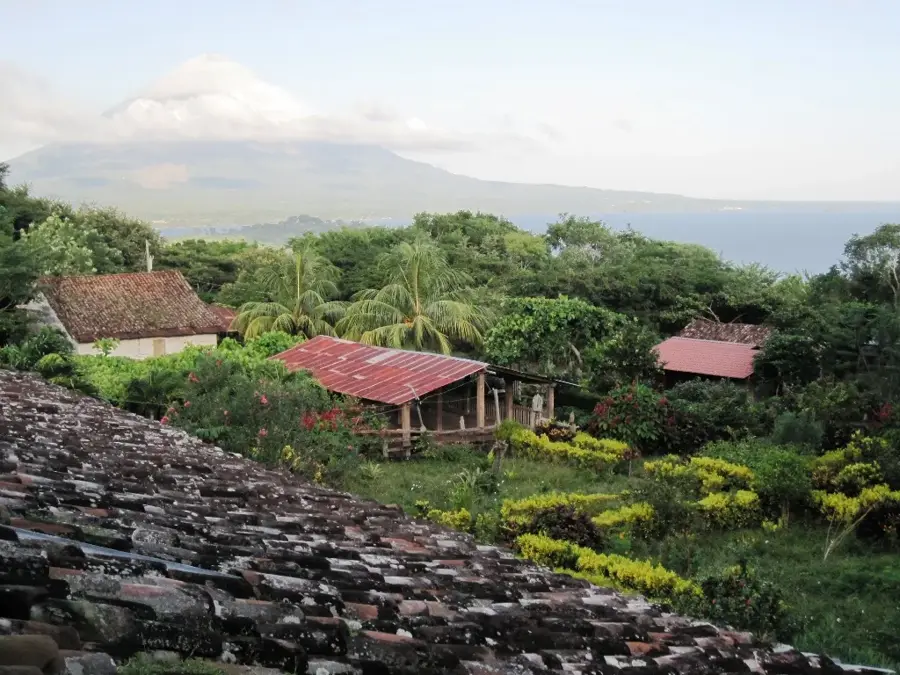
Walk along the uncrowded shores for peaceful water views and Ometepe Island's volcanoes in the distance.
A quiet, shaded spot right in the middle of town to sit, relax, and observe local life.
Water temperature…
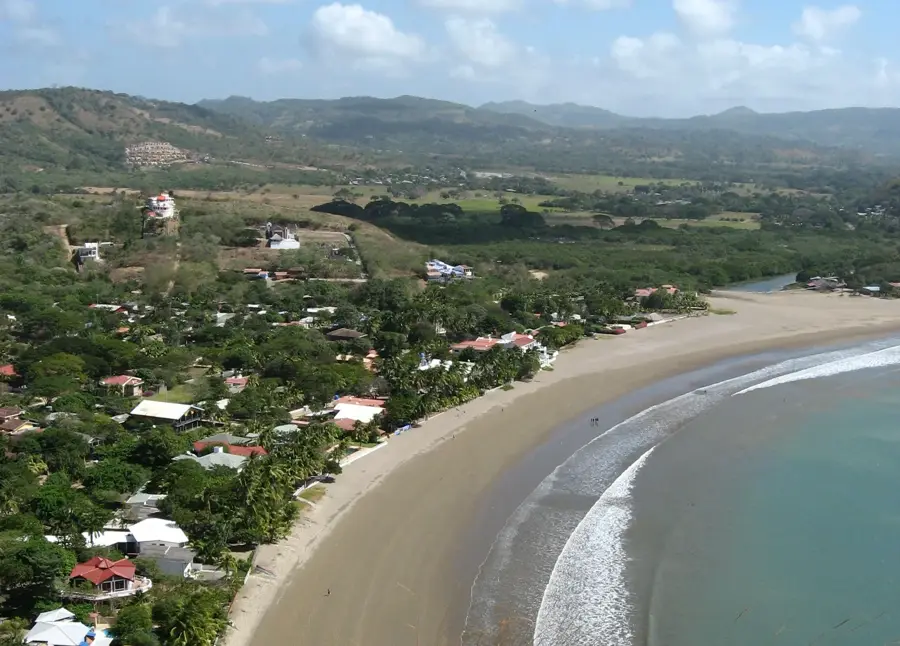
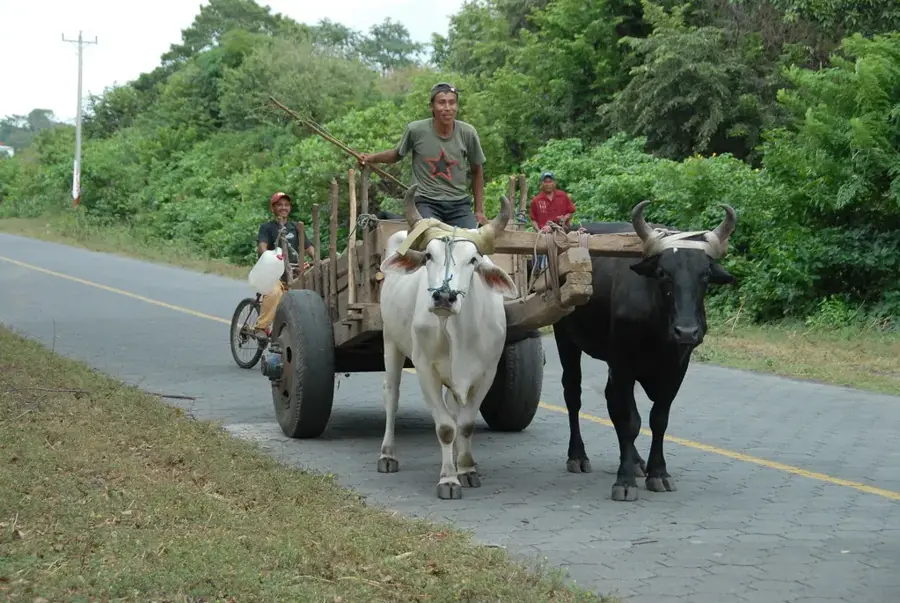
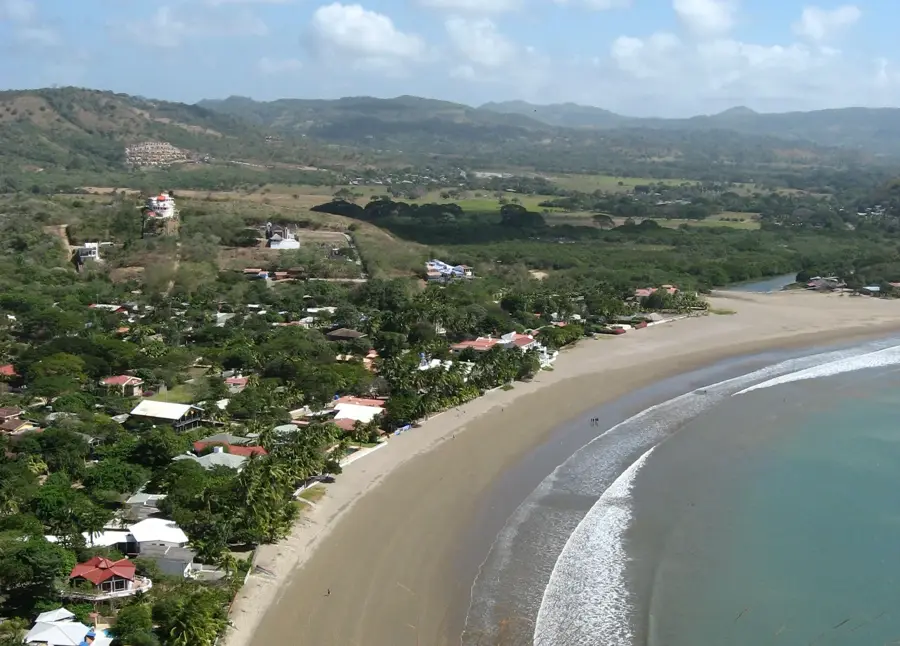
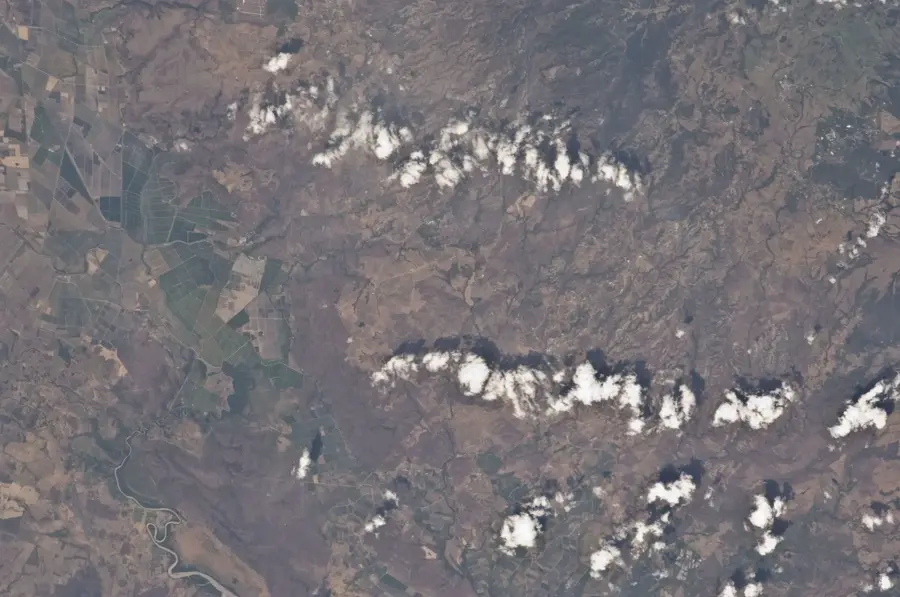
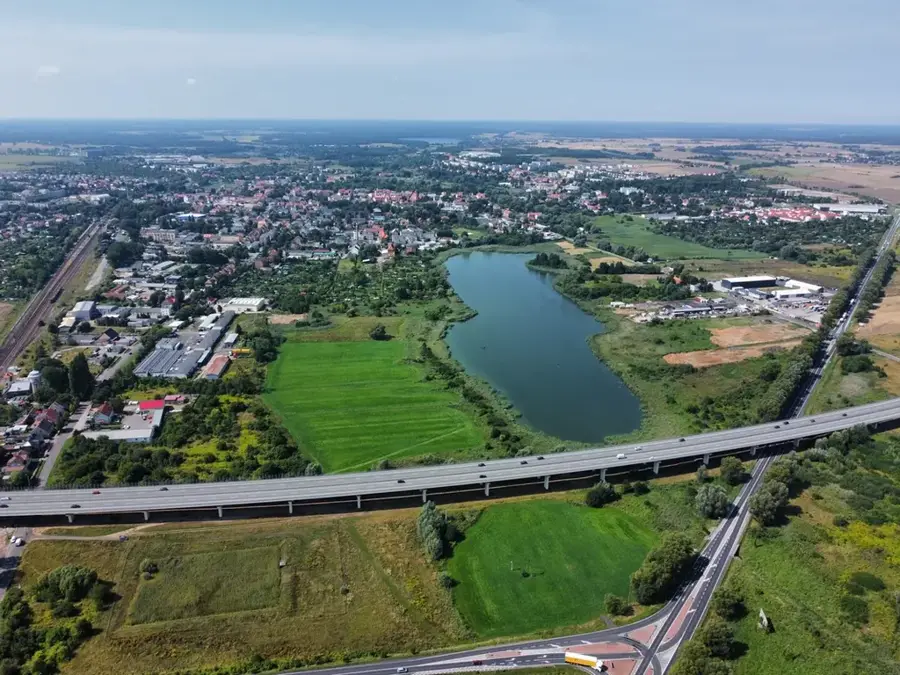
Buenos Aires is a characterful lakeside municipality in the department of Rivas, known for its tranquil environment and scenic beauty along the shores of Lake Nicaragua. Established in the 19th century, the town's name, meaning 'Good Airs,' refers to the refreshing lake breezes that moderate the tropical heat of the region. Geographically, it sits on a flat coastal plain, providing residents and visitors with easy access to freshwater beaches and panoramic views of Ometepe Island's volcanoes. The local economy is traditionally rooted in agriculture, particularly the cultivation of papayas, bananas, and citrus fruits, alongside artisanal fishing. Historically, the area was a significant site for pre-Columbian settlements, and the local culture remains deeply influenced by its indigenous heritage. The town center is characterized by its neat streets, a colorful central park, and a historic church that serves as the community's heart. Recently, Buenos Aires has emerged as a quiet alternative for eco-tourism, offering authentic hospitality and a peaceful lakeside experience away from more developed tourist zones.
- Location: Nicaragua
- Nearby: Potosí (4 km)
- Population: ~1.692 (2026)
Best time to visit & climate
The most pleasant time to visit is Jan, Feb, Dec.
| Jan | Feb | Mar | Apr | May | Jun | Jul | Aug | Sep | Oct | Nov | Dec | |
|---|---|---|---|---|---|---|---|---|---|---|---|---|
| Avg °C | 27 | 28 | 28 | 29 | 29 | 28 | 28 | 28 | 28 | 27 | 27 | 27 |
| Rain mm | 1 | 1 | 4 | 24 | 201 | 199 | 119 | 181 | 286 | 322 | 137 | 8 |
Geography
Facts
- Buenos Aires was officially established as a municipality in 1860.
- The total administrative area covers approximately 157 square kilometers.
- The town is a leading producer of papayas for the Nicaraguan market.
- The lake beaches offer some of the clearest views of the twin volcanoes.
- Its name refers to the cooling effects of the 'Lake Nicaragua' breezes.
- Local archaeological sites have yielded pottery from the pre-Classic period.
Explore nearby
Notable places around


Route planner — Car & Motorhome
Where do you start? We build the route here, with stops and country notes along the way.
© OpenStreetMap contributors · OpenRouteService
Frequently asked questions
How many days should I spend in Buenos Aires?
What is the best time of year to visit?
Is the city suitable for families?
How is the best way to get around the city?
What culinary experiences should I not miss?
Buenos Aires: where is it located?
Buenos Aires: when is the best time to visit?
Buenos Aires: why is it worth visiting?
Nearby cities

History & landmarks
More places