Plizio Visual Lab
Oubi Historic Village

ℹ️Practical info — Oubi Historic Village
▾
🌤 Weather — 5 days
📍 Nearby
Sights nearby
💡 Tips
- Practice 'La Coutume' by offering a small gift (like a piece of fabric and a 500 XPF note) to the tribal chief upon arrival.
- Always ask for permission before taking photographs of local people or specific structures.
- Dress modestly; avoid wearing swimwear or revealing clothes inside the village boundaries.
- Engage with a local guide to truly understand the deep history of early European-Kanak contacts here.
🍽 Food
Essential staples in Kanak culture, usually served boiled or in stews at traditional village feasts.
Prepared fresh if you arrange to share a meal with a local host family.
Often shared directly from the village gardens by the welcoming locals.
🛍 Shopping · 🧘 Quiet spots
Purchase authentic handmade items directly from the artisans living in the village.
Mats and baskets traditionally made by local women make for excellent, meaningful souvenirs.
The space around the Chief's hut is a place of respect and profound quiet reflection.
The surrounding agricultural areas are great for a peaceful walk in nature.
Water temperature…
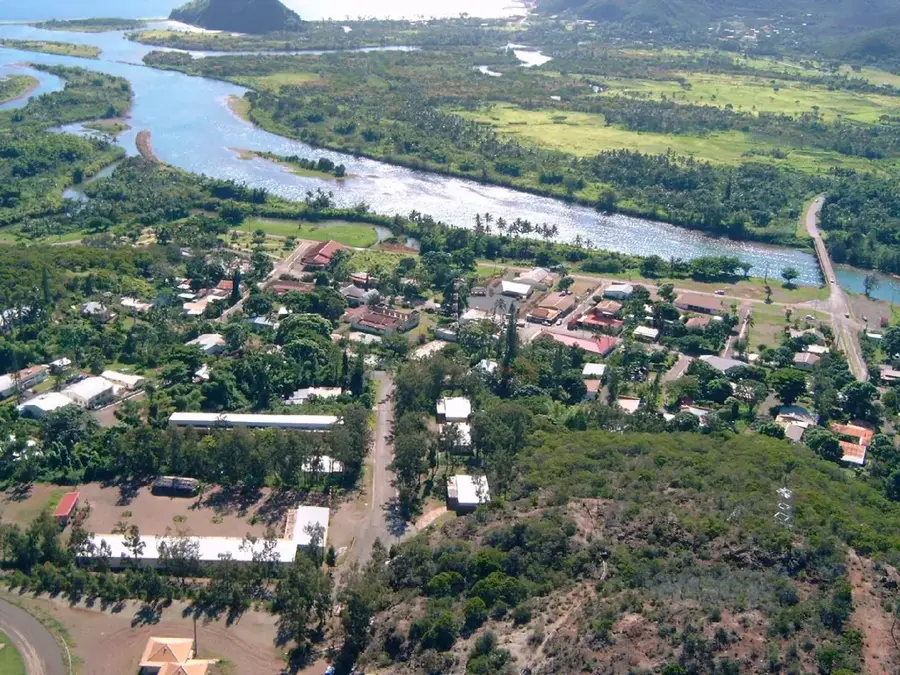
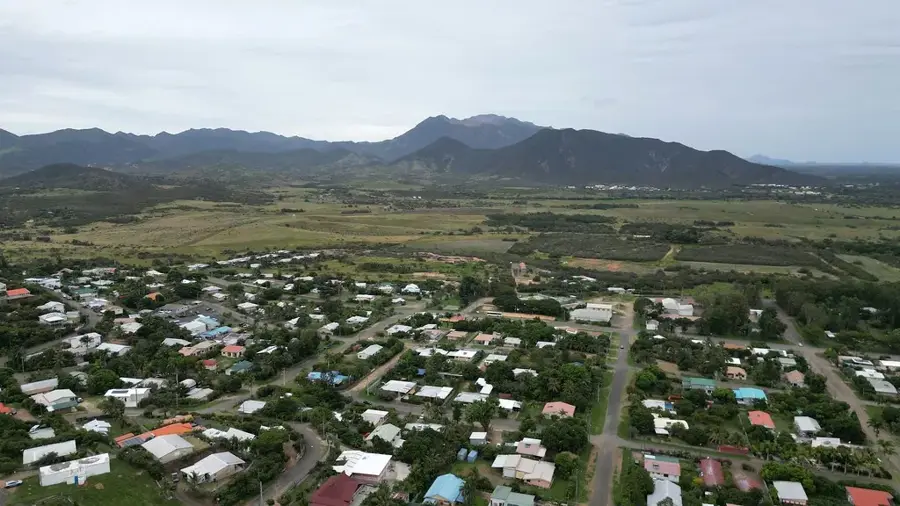
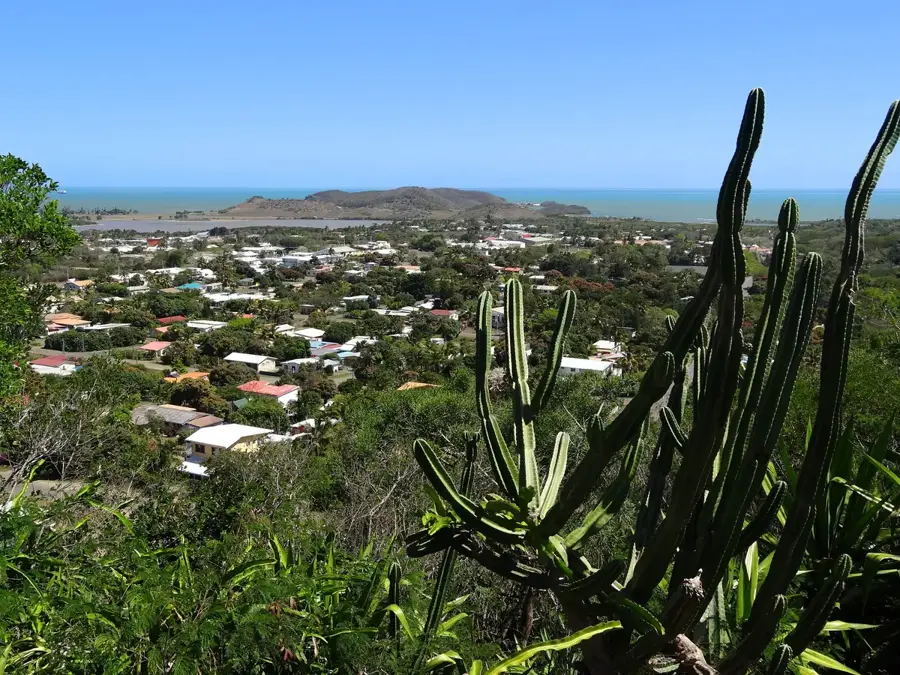
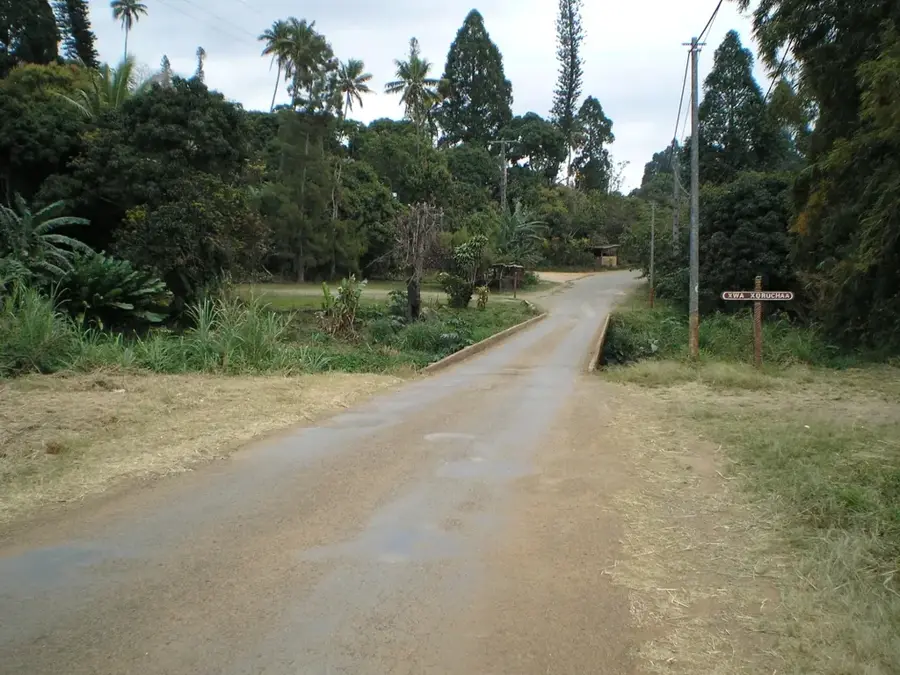
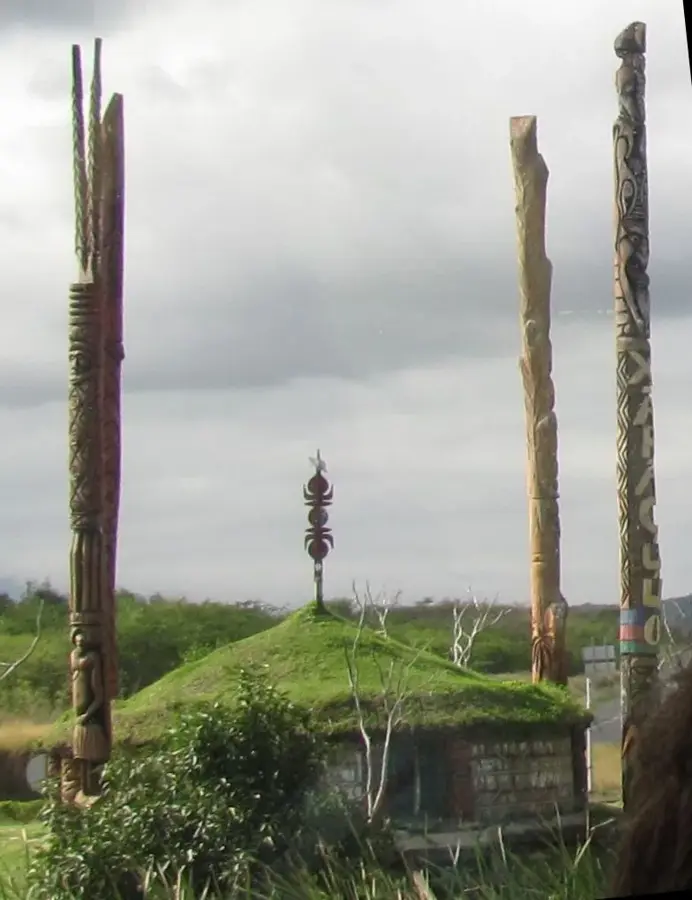
Oubi Historic Village is a vital cultural landmark in New Caledonia, representing the enduring heritage of the Kanak people in the island's mountainous hinterland. For centuries, Oubi has served as a strategic meeting point for tribal leaders, where important decisions regarding land and social alliances were debated. Its historical prominence grew in the mid-19th century as it became a site of early and complex encounters between local clans and European settlers, including missionaries. The village's layout is centered around the traditional 'Grande Case', a majestic conical hut that serves as the heart of tribal authority, topped with a distinctive 'flèche faîtière' or roof pinnacle. These structures are not merely buildings but symbols of the connection between the living and their ancestors. Today, the people of Oubi continue to preserve their oral histories, traditional weaving, and agricultural practices, particularly yam cultivation. A visit to the village has a deep immersion into the Melanesian way of life, highlighting the resilience of indigenous identity and the spiritual bond between the community and the rugged landscapes of New Caledonia.
- Location: New Caledonia
- Nearby: Ponérihouen (23 km)
Best time to visit & climate
The most pleasant time to visit is Jul–Sep.
| Jan | Feb | Mar | Apr | May | Jun | Jul | Aug | Sep | Oct | Nov | Dec | |
|---|---|---|---|---|---|---|---|---|---|---|---|---|
| Avg °C | 26 | 27 | 26 | 25 | 23 | 22 | 21 | 21 | 22 | 23 | 25 | 26 |
| Rain mm | 170 | 172 | 230 | 131 | 103 | 87 | 56 | 54 | 47 | 53 | 75 | 120 |
Geography
Facts
- Located near Pouébo in the north
- 1843 Marist mission arrival
- Catholic influence remains strong
- Traditional Kanak huts (cases) preserved
- Elevation approx 50 meters
- Part of the Hoot ma Waap cultural area
Explore nearby
Notable places around





Route planner — Car & Motorhome
Where do you start? We build the route here, with stops and country notes along the way.
© OpenStreetMap contributors · OpenRouteService
Frequently asked questions
Is Oubi an inhabited village?
What can one experience in Oubi?
Is permission needed for the visit?
How long does the visit take?
Is there any gastronomy there?
Oubi Historic Village: where is it located?
Oubi Historic Village: when is the best time to visit?
Oubi Historic Village: why is it worth visiting?
Nearby cities