Plizio Visual Lab

Foué Agricultural Penal Station

Plizio editorial teamData Sources
ruins
—°1
Foué Agricultural Penal Station (New Caledonia)

Weather…

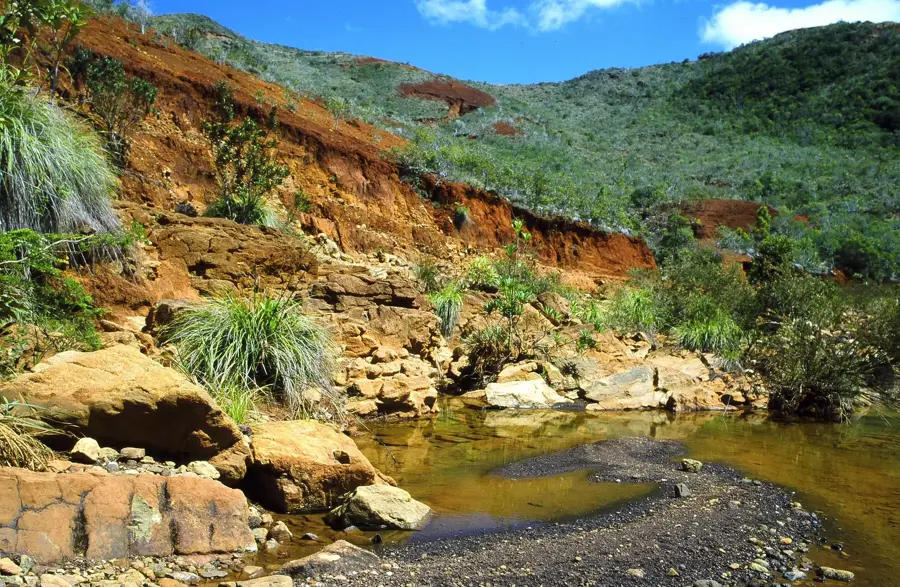
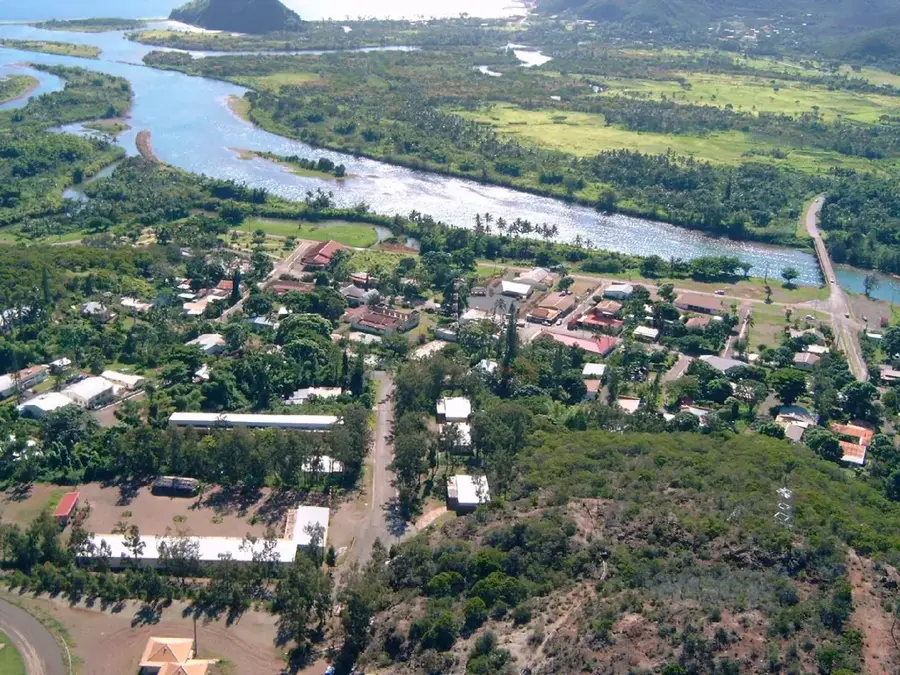
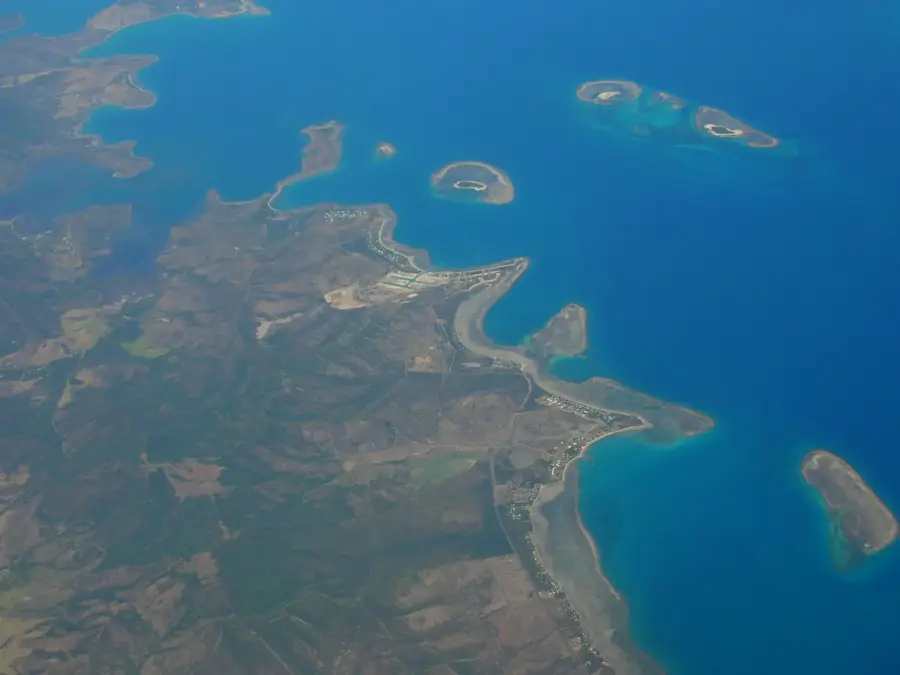
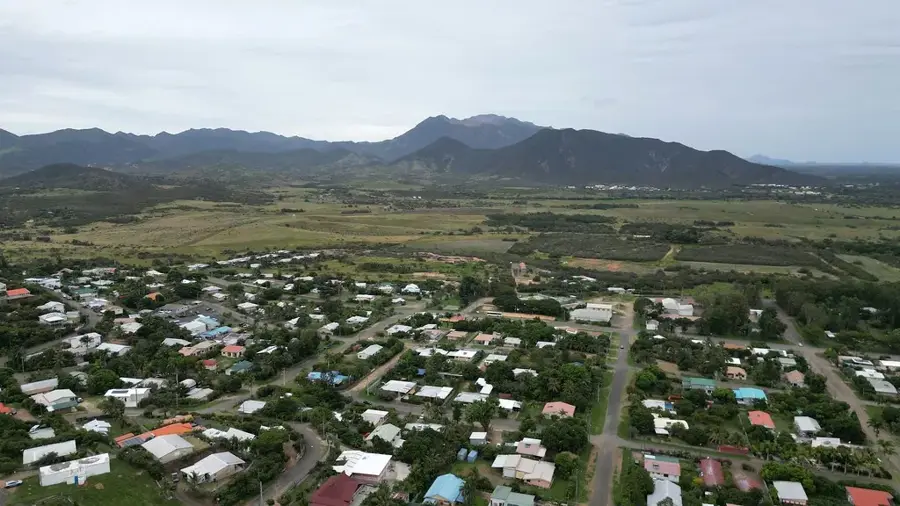
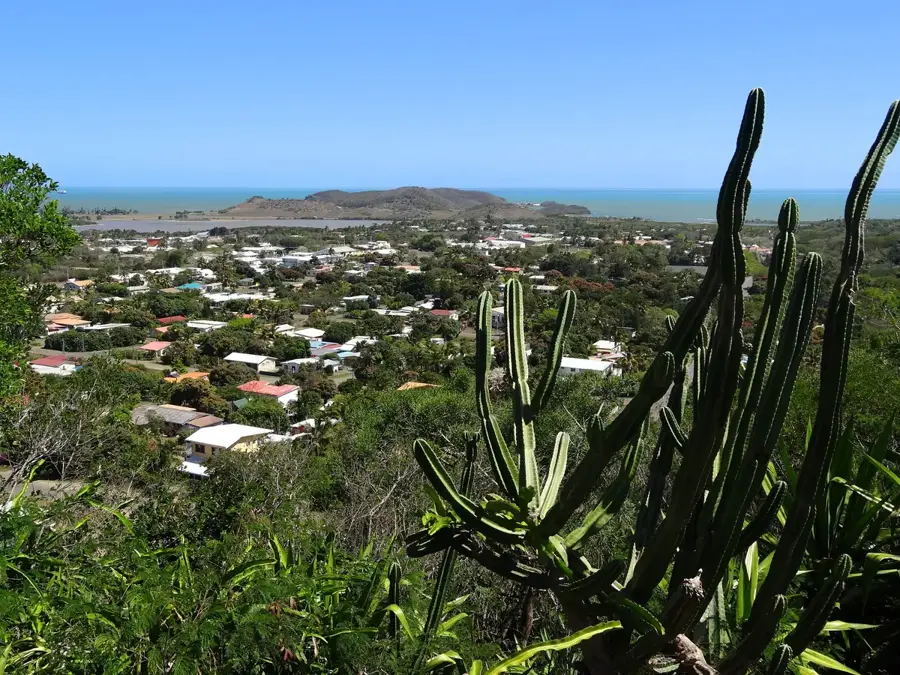
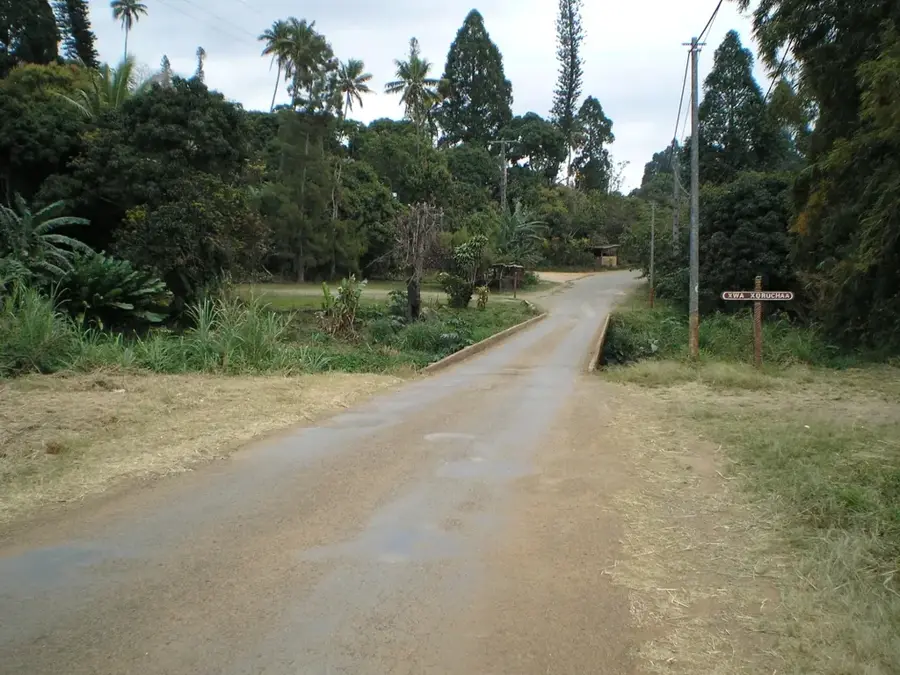
The Foué Agricultural Penal Station, located near Koné on the west coast of New Caledonia, is a significant relic of the colonial penal system from the late 19th century. Unlike standard prisons, this facility focused on the agricultural training and rehabilitation of convicts. Prisoners were taught livestock farming and crop cultivation techniques, with the ultimate goal of preparing them to become independent settlers, known as concessionnaires, upon their release. The site once featured a comprehensive array of buildings, including administrative offices, a bakery, stables, and living quarters, the ruins of which can still be found scattered across the regional grazing lands. These archaeological remains provide valuable insight into the colonial administration's attempts to boost the local economy through convict labor. Today, Foué serves as a somber site of remembrance, linking the harsh reality of penal colonization with early efforts to develop the agricultural potential of the island's northern region.

Best time to visit & climate

The most pleasant time to visit is Jul–Sep.

JanFebMarAprMayJunJulAugSepOctNovDec
Avg °C262726252322212122232526
Rain mm170172230131103875654475375120

📋 Practical info

🚪
Visiting
The somewhat sparse but highly meaningful remains of the former Foué agricultural penal station offer truly interested travelers a deeply thought-provoking, unvarnished glimpse into the harsh colonial penal system today. Visitors are usually completely able to independently explore the highly dilapidated stone ruins slowly, quietly reclaimed by the unforgiving natural environment.
🕒
Typical hours
Since these are openly accessible, entirely unguarded historical ruins situated deep in the natural, remote countryside, there are usually absolutely no official operating hours or strict formal visitation schedules. However, for obvious personal safety reasons, it is very strongly advised to visit the isolated location strictly during broad daylight hours with perfectly good natural visibility.
📷
Photography
The heavily decaying stone structural remnants, deeply overgrown by lush, almost untamed tropical vegetation, form highly fascinating, unique subjects for dedicated and creative ruin photography. The deeply weather-worn, incredibly rough textures of the old building materials stand out wonderfully against the dense surrounding greenery in the warm, golden late afternoon light.
⏱️
Time needed
Because the highly visible remains of the former agricultural penal station are relatively modest in size and almost entirely lack informational signage, a quick half hour is often perfectly sufficient for a short, unguided walk. Travelers with a deeply strong specific interest in intricate colonial architectural history might naturally choose to spend slightly more time observing the remaining ruins.
Combine with
This highly specific, slightly off-the-beaten-path historical stop can be very sensibly incorporated into a much longer exploratory driving adventure straight through the fascinating northern province or directly on the route towards Koné. Quietly viewing the profoundly remote ruins provides a deeply engaging, peaceful contrast to the incredibly vast, spectacular natural landscapes found everywhere nearby.
🧭
Getting there
The completely overgrown and abandoned agricultural station is situated in relative proximity to the town of Koné and is typically accessible utilizing a tough vehicle via rural, sometimes entirely unpaved, secondary dirt roads. The exact hidden, almost secretive location is sometimes quite difficult to pinpoint immediately, which is exactly why a good local navigation system or a highly detailed map is recommended.
💡
Insider tip
When carefully exploring the wild, heavily overgrown natural grounds, be absolutely, without a doubt, sure to wear sturdy long pants and durable closed-toe shoes to completely protect yourself from hidden thorny underbrush. It is highly advisable and very wise to specifically ask friendly locals in Koné for the exact proper directions beforehand, as the decaying remains are essentially never clearly signposted for casual visitors.

Geography

Coordinates
-21.09420, 164.82110

Facts

  • Established around 1880 as a secondary penal site.
  • Specialized in the cultivation of maize and legumes.
  • Strategically located near the Foué river.
  • Housed up to 200 repeat offenders (relégués) at its peak.
  • Provided meat and produce for the main prison on Ile Nou.
  • Significant for the early settlement history of the Koné area.

Explore nearby

Notable places around

Route planner — Car & Motorhome

Where do you start? We build the route here, with stops and country notes along the way.

Vehicle
Only stops with (optional):

© OpenStreetMap contributors · OpenRouteService

Sights in the town Foué Agricultural Penal Station (1)

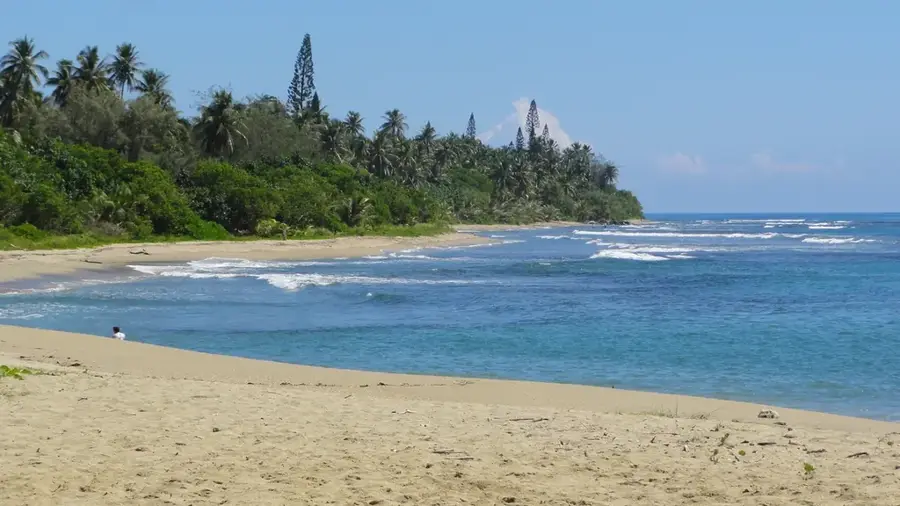
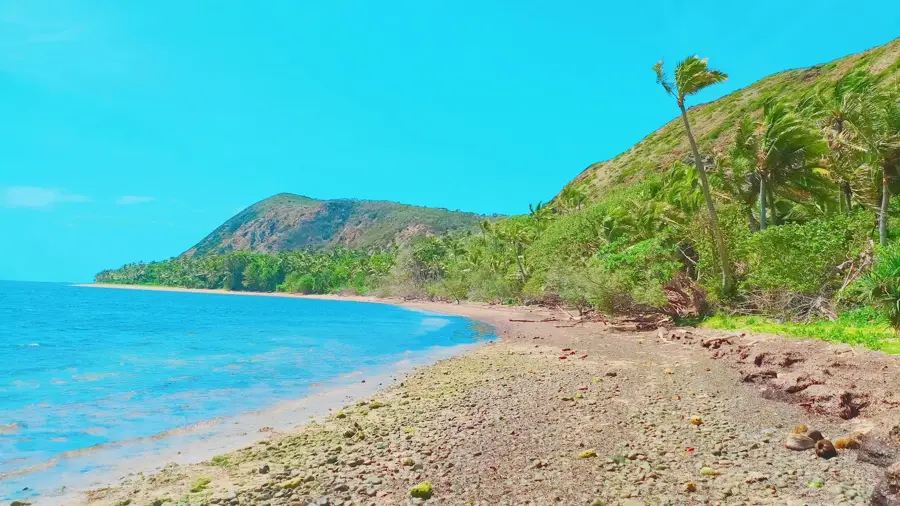
Plage de Foué

Sandy beach on Foué Bay, calm water suitable for swimming and snorkeling.

Sights nearby

Frequently asked questions

Can one visit the agricultural penal station?
Yes, the remains are freely accessible.
What exactly are the Foué ruins?
Remains of the penal colony that once operated agriculture for supply.
How long does the visit take?
About 45 to 60 minutes for exploration.
Are there signs about history?
Yes, there are some information boards on site.
Is special footwear needed?
Sturdy shoes are recommended due to uneven ground.
Foué Agricultural Penal Station: where is it located?
Foué Agricultural Penal Station is located in New Caledonia.
Foué Agricultural Penal Station: when is the best time to visit?
The most pleasant time to visit is Jul, Sep.
Foué Agricultural Penal Station: why is it worth visiting?
The Foué Agricultural Penal Station, located near Koné on the west coast of New Caledonia, is a significant relic of the colonial penal system from the late 19th century.
View on map → The Top 50 Attractions → OpenStreetMap →
Oceania
Explore with Plizio Discover more places in Oceania
More places in New Caledonia →

Nearby cities

History & landmarks
More places