Plizio Visual Lab
Chépénéhé
ℹ️Practical info — Chépénéhé
▾
🌤 Weather — 5 days
📍 Nearby
Sights nearby
💡 Tips
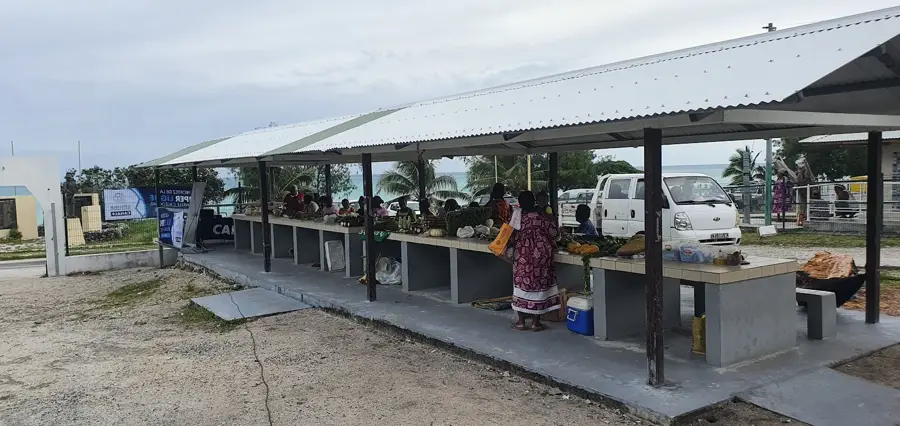
- Check out the port market, which comes alive particularly when cruise ships dock.
- Rent a scooter to explore Lifou at your own pace, as public transport is sparse.
- Bring plenty of cash (CFP Franc) because small stalls and local vendors rarely accept cards.
- Respect local Kanak customs and always ask permission before entering tribal lands.
- Head to Baie du Santal in the early evening for some of the best sunset views on the island.
🍽 Food
The traditional Kanak dish of meat and root vegetables cooked in banana leaves; order in advance at local gîtes.
Try the catch of the day at the small food stands near the waterfront.
Grab fresh papayas and bananas directly from the market vendors.
🛍 Shopping · 🧘 Quiet spots
Look for the island's famous vanilla sold by local farmers near the port.
Handmade bags and mats woven from pandanus leaves, typically sold right by the pier.
Walk further along the bay to find a secluded spot away from the cruise ship crowds.
Take a stroll along the elevated paths near the village for peaceful ocean views.
Water temperature…
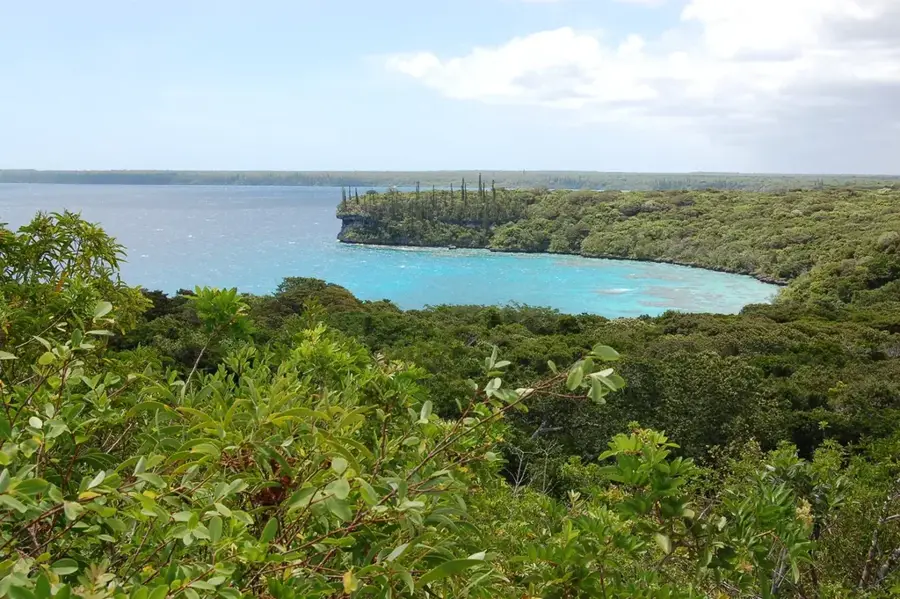
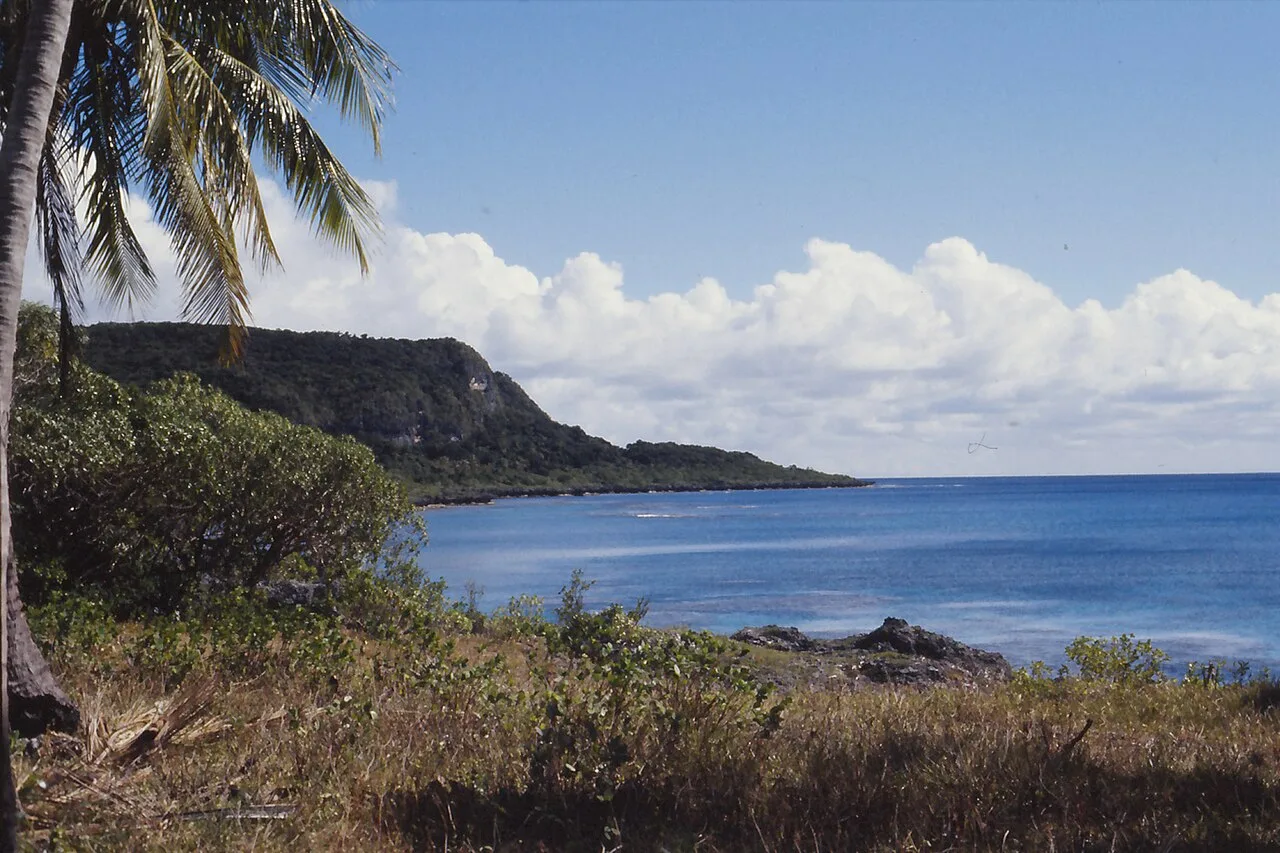
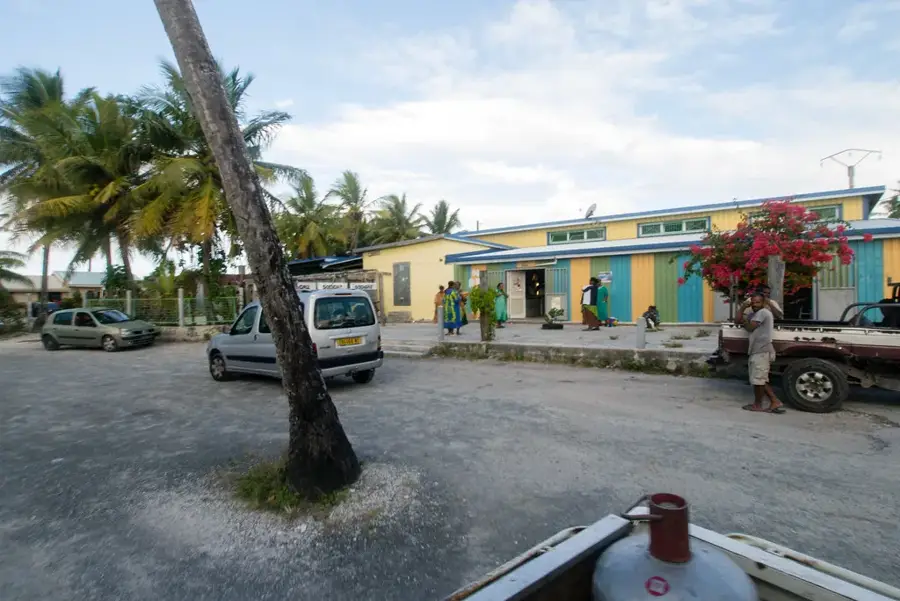
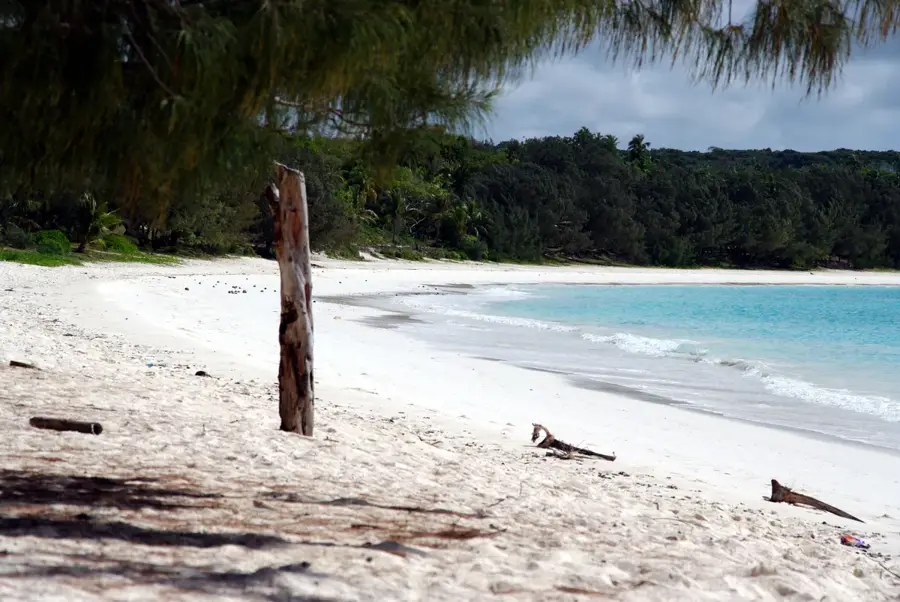
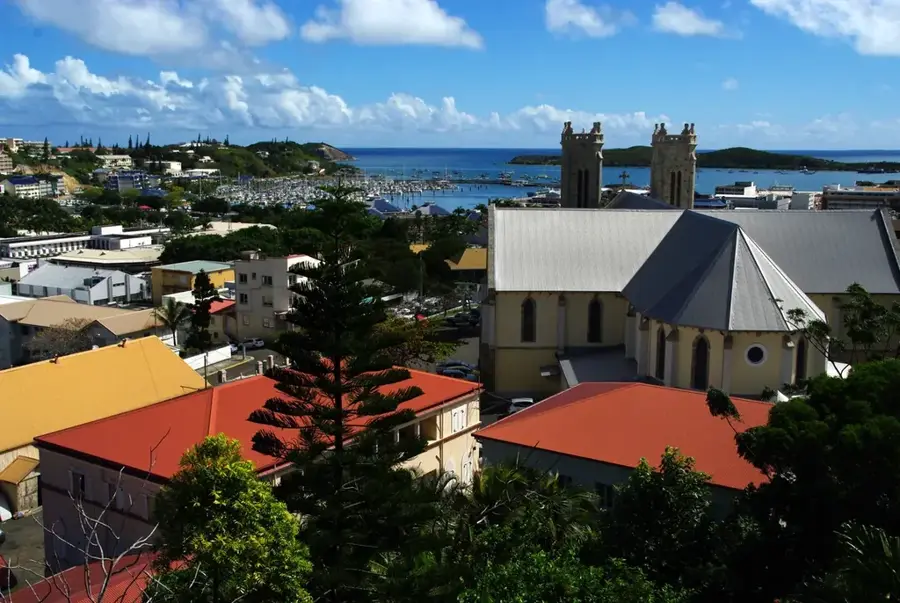
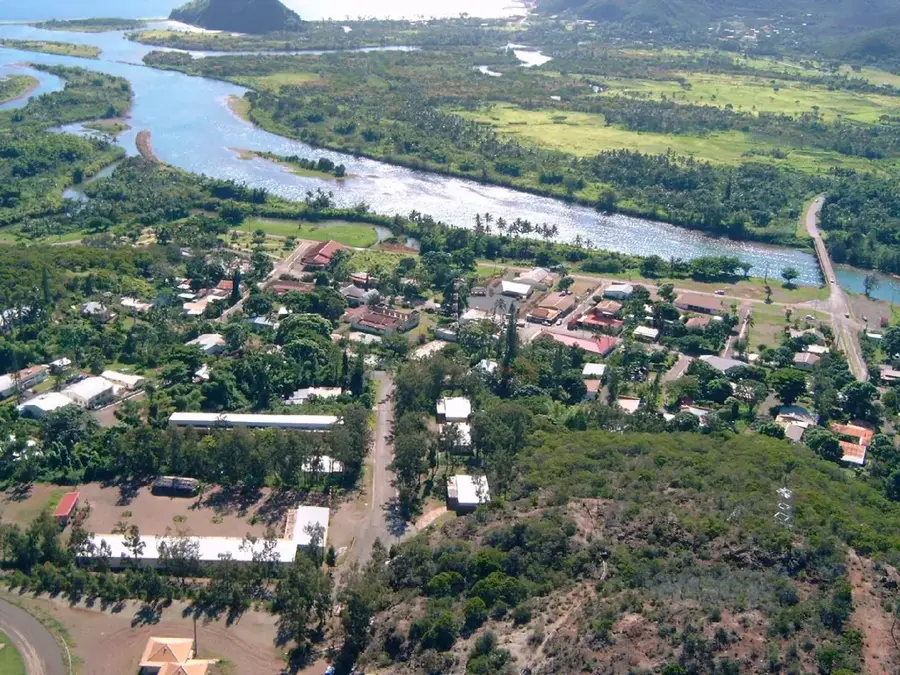
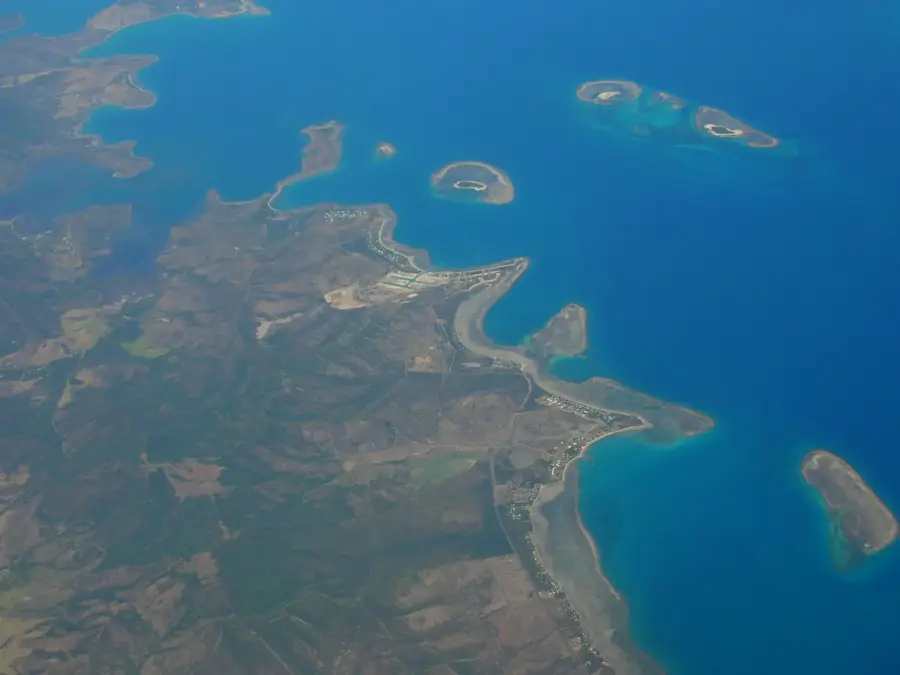
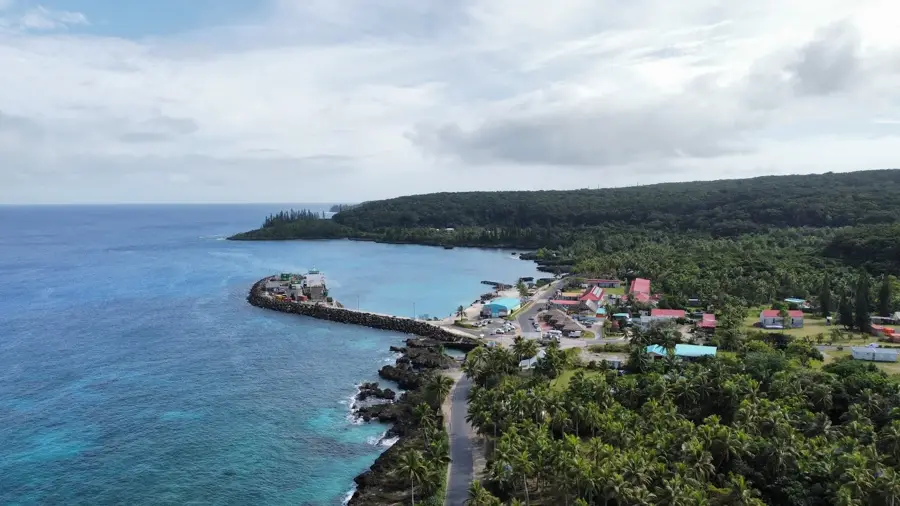
Chépénéhé is a welcoming village positioned on the western coast of Lifou, the largest of the Loyalty Islands in New Caledonia. It overlooks the expansive Santal Bay (Baie du Santal), a name that harkens back to the 19th-century sandalwood trade that once flourished here. Today, the village is best known as a primary port of call for international cruise ships; these massive vessels anchor in the bay's deep, turquoise waters, with passengers ferried to the pier to experience the island's unique culture. On ship days, the waterfront transforms into a lively hub, where local Kanak artisans showcase their skills at an animated market, offering intricate weavings, wood carvings, and traditional shell jewelry. Chépénéhé is more than just a transit point; it is a cultural heart where visitors can taste local delicacies and admire the traditional round huts, or 'cases,' that dot the landscape. A notable landmark is the historic Catholic church, which stands as a testament to the island's missionary history. The village is a handy starting point for exploring Lifou's natural wonders, including the wide-open Jokin Cliffs and pristine beaches nearby. Despite the influx of visitors, Chépénéhé maintains an authentic and serene atmosphere, with the crystal-clear waters of the bay providing a remarkable backdrop for any visitor.
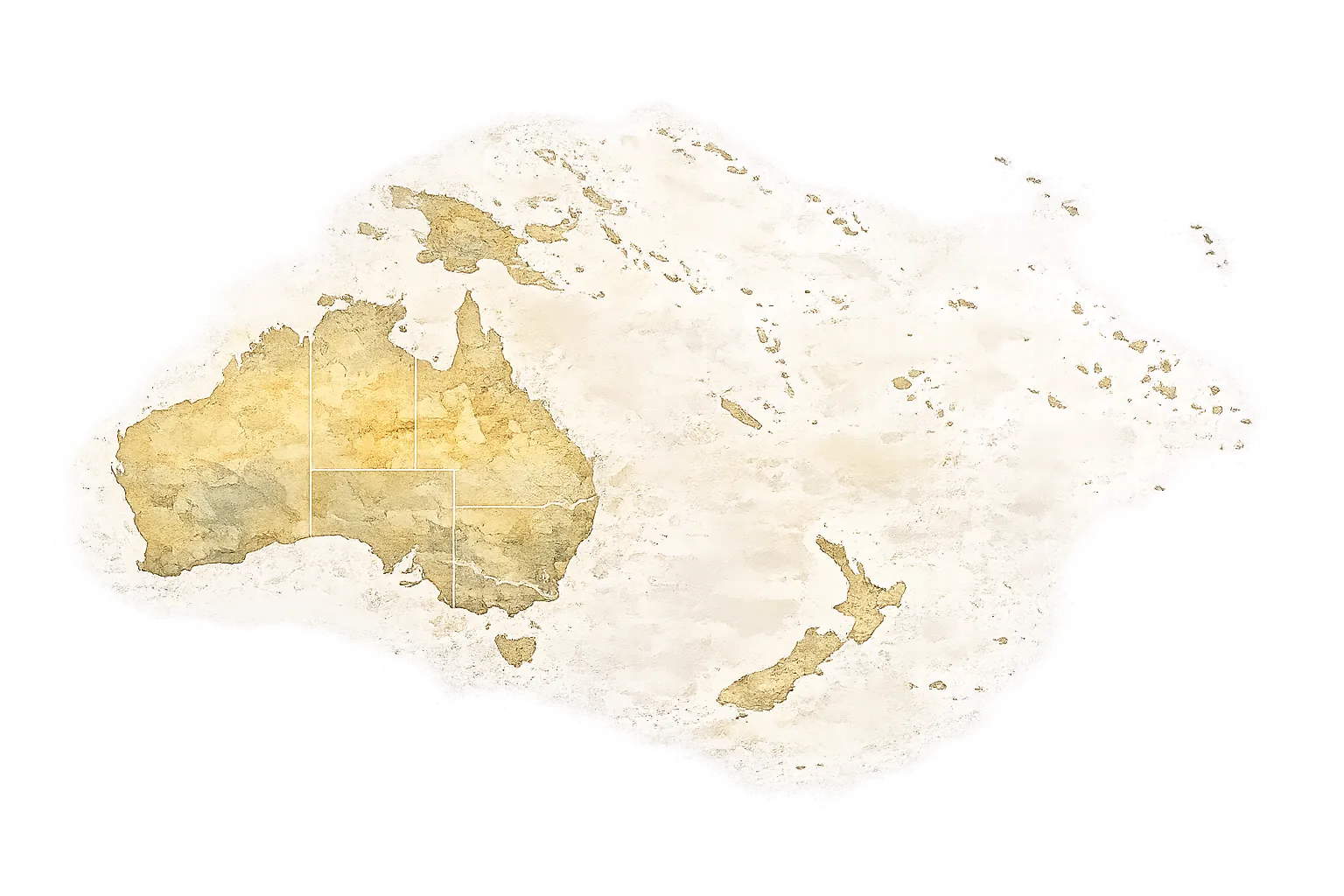
- Location: New Caledonia
- Nearby: Hunete (17 km)
Best time to visit & climate
The most pleasant time to visit is Jul–Sep.
| Jan | Feb | Mar | Apr | May | Jun | Jul | Aug | Sep | Oct | Nov | Dec | |
|---|---|---|---|---|---|---|---|---|---|---|---|---|
| Avg °C | 27 | 27 | 27 | 26 | 25 | 23 | 22 | 22 | 23 | 24 | 25 | 26 |
| Rain mm | 154 | 140 | 213 | 141 | 104 | 85 | 61 | 60 | 50 | 60 | 68 | 101 |
Geography
Facts
- Main port for cruise ships on Lifou
- Notre-Dame de Lourdes was built in 1898
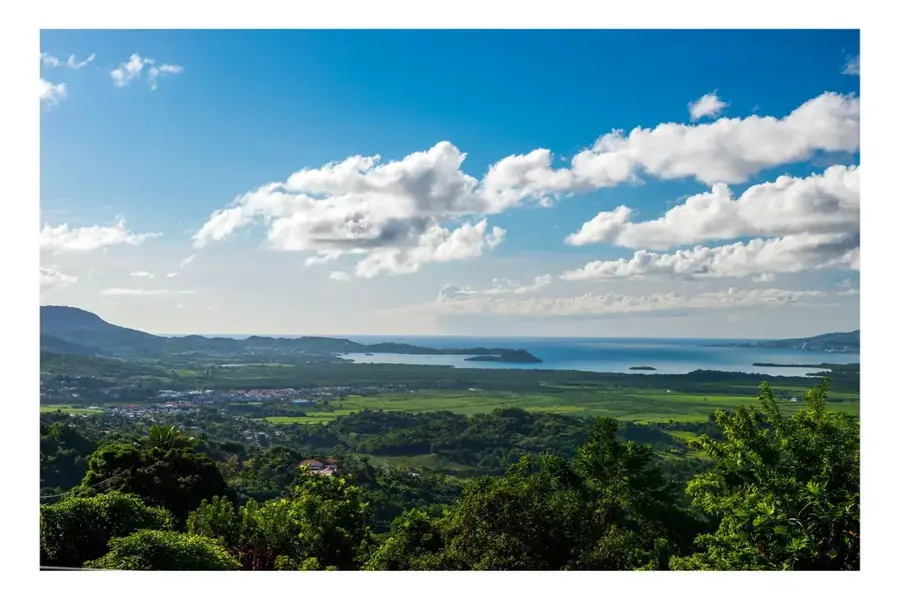
- Offers expansive views over Santal Bay
- The town is famous for nearby vanilla plantations
- Seat of several traditional Kanak chiefdoms
- Located in the northern part of Lifou island
Explore nearby
Notable places around




Route planner — Car & Motorhome
Where do you start? We build the route here, with stops and country notes along the way.
© OpenStreetMap contributors · OpenRouteService
Sights in the town Chépénéhé (1)
Frequently asked questions
What is Chépénéhé?
What is special here?
How to explore the place?
Is it safe?
What is nearby?
Chépénéhé: where is it located?
Chépénéhé: when is the best time to visit?
Chépénéhé: why is it worth visiting?
Nearby cities


History & landmarks
More places