Plizio Visual Lab
Centenary Monument
Weather…
Water temperature…
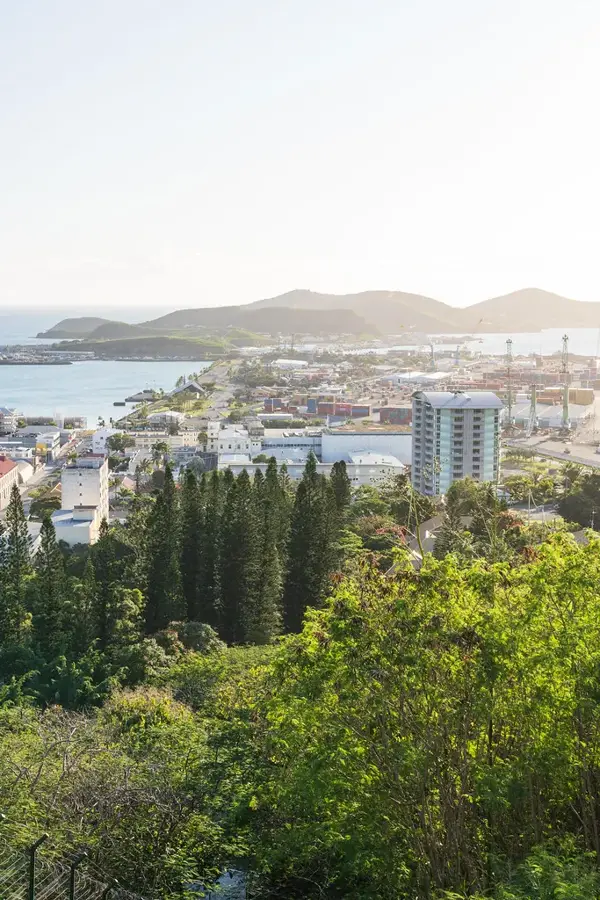
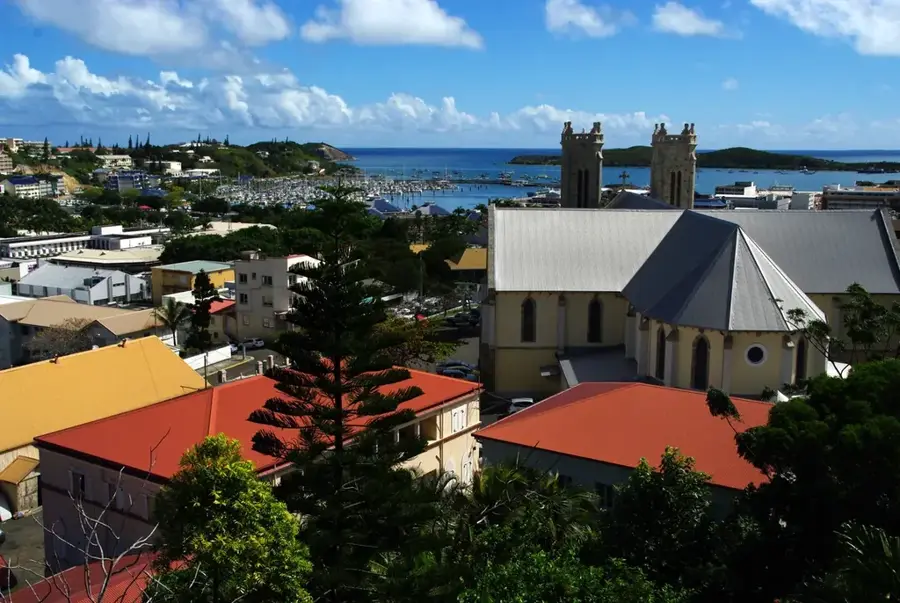
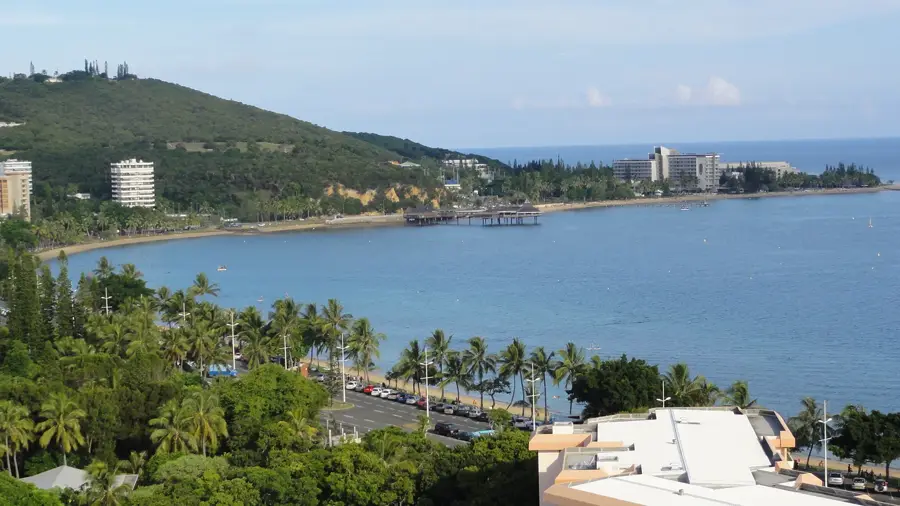
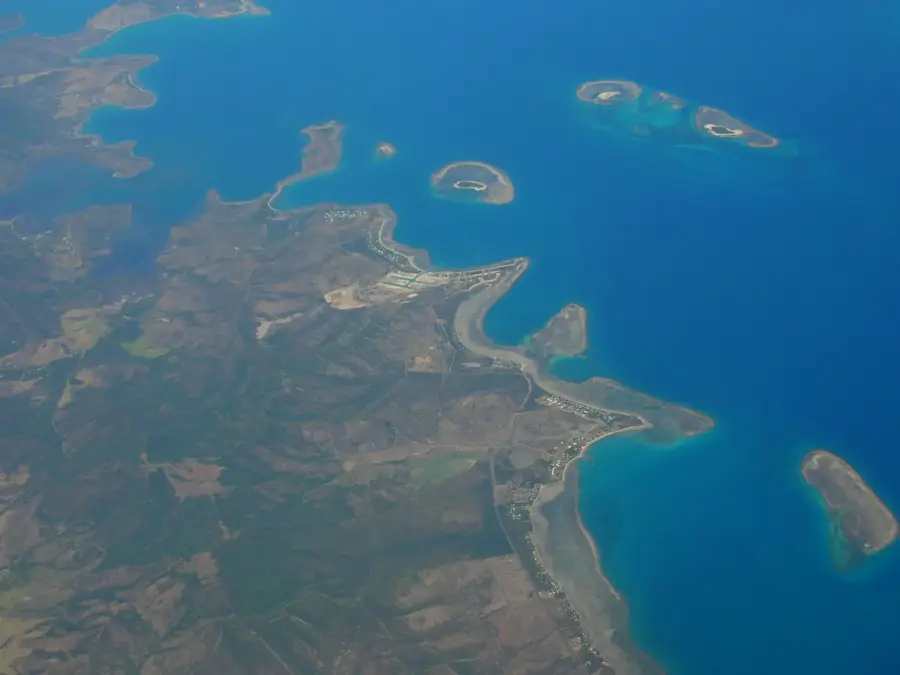
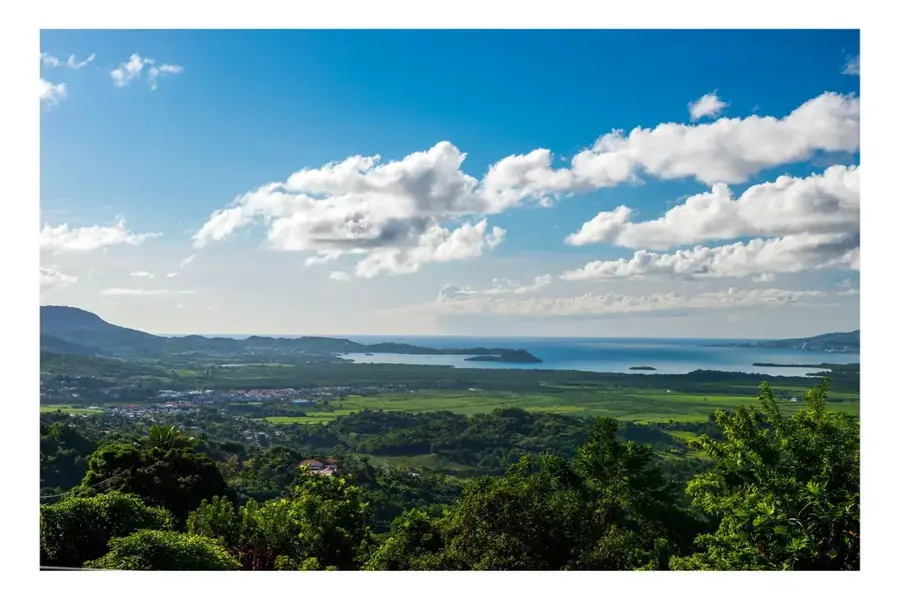
The Centenary Monument in Nouméa is a prominent historical landmark inaugurated in 1953 to celebrate one hundred years of French presence in New Caledonia. It specifically commemorates the actions of Rear Admiral Febvrier-Despointes, who officially claimed the archipelago for France on September 24, 1853. Located near the scenic Baie de l'Orphelinat, the monument's architectural style reflects the formal and minimalist aesthetics of the mid-20th century. Beyond marking the act of annexation, the structure serves to honor the French pioneers and early settlers whose efforts shaped the territory's infrastructure and society during its first century under French rule. Today, the monument remains a central site for official commemorations and public holidays, representing the historical bond between mainland France and this Pacific territory. For visitors, the monument has a quiet space for reflection along Nouméa's coastline, with excellent views of the harbor and the city's evolving urban landscape.
- Location: New Caledonia
- Top sights: Stèle aux Disparus de la Monique · Odyssey Diving · Manege
- Nearby: Ouémo (4 km)
Best time to visit & climate
The most pleasant time to visit is Aug–Oct.
| Jan | Feb | Mar | Apr | May | Jun | Jul | Aug | Sep | Oct | Nov | Dec | |
|---|---|---|---|---|---|---|---|---|---|---|---|---|
| Avg °C | 26 | 27 | 26 | 25 | 24 | 22 | 21 | 21 | 21 | 23 | 24 | 25 |
| Rain mm | 109 | 99 | 161 | 104 | 94 | 80 | 68 | 58 | 42 | 41 | 65 | 78 |
📋 Practical info
Geography
Facts
- France took possession of the island on September 24, 1853.
- The monument was inaugurated exactly 100 years later, in 1953.
- It is located at the Baie de l'Orphelinat.
- Admiral Febvrier-Despointes raised the tricolor in Balade at that time.
- The architecture of the monument is in the 1950s style.
- It is a gathering point for official ceremonies on September 24th.
Explore nearby
Notable places around
Route planner — Car & Motorhome
Where do you start? We build the route here, with stops and country notes along the way.
© OpenStreetMap contributors · OpenRouteService
Sights in the town Centenary Monument (10)
Mwa Ka
Monumental artwork in Nouméa, symbolizing Kanak culture.
Fontaine Céleste
Fountain in Nouméa, designed with water and light effects.
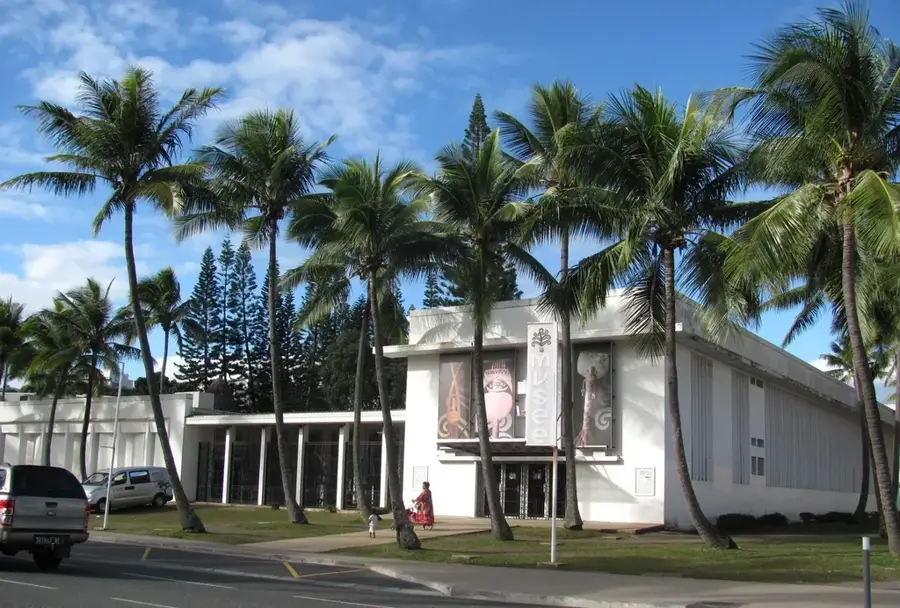
Musée de la Nouvelle-Calédonie🏛 museum
French public institution, displays ethnographic collections of New Caledonia.
Musée de la seconde guerre mondiale en Nouvelle-Calédonie🏛 museum
Museum in Nouméa about New Caledonia's role in World War II.
chapelle militaire St Martin⛪ church
Military chapel in Nouméa, used for services and ceremonies.
Gouverneur Jean-Baptiste Olry
Monument to Governor Jean-Baptiste Olry in Nouméa.
Sights nearby
Frequently asked questions
Which event does it commemorate?
What is the condition of the monument?
Is a guide needed?
Is it family-friendly?
When is the best time to visit?
Centenary Monument: where is it located?
Centenary Monument: what is there to see?
Centenary Monument: when is the best time to visit?
Centenary Monument: why is it worth visiting?
Nearby cities

History & landmarks
More places