Plizio Visual Lab
Culiacán
ℹ️Practical info — Culiacán
▾
🌤 Weather — 5 days
📍 Nearby
Sights nearby
💡 Tips
- The climate is extremely hot and humid; plan outdoor sightseeing for the early morning.
- Use ride-hailing apps like Uber or Didi for comfortable and air-conditioned transport around the city.
- Keep a low profile and stick to well-known tourist areas and main commercial zones.
- Enjoy the local 'aguas frescas' sold at street carts to beat the afternoon heat.
🍽 Food
Raw shrimp marinated in lime juice, chili, and cilantro; best enjoyed at a local 'carreta de mariscos'.
Slow-cooked pork in a rich chili sauce, typically served in flour tortillas at traditional restaurants.
Grilled beef tacos, a popular evening street food often served with an array of fresh salsas.
🛍 Shopping · 🧘 Quiet spots
A historic and lively indoor market first-rate for buying regional spices, dried chilies, and fresh cheeses.
Search the downtown area for shops selling 'jamoncillos', a traditional milk-based local sweet.
A striking, world-class botanical garden featuring contemporary art installations hidden among lush plants.
A linear park along the rivers, offering peaceful walking and cycling paths under the shade of massive trees.
Water temperature…
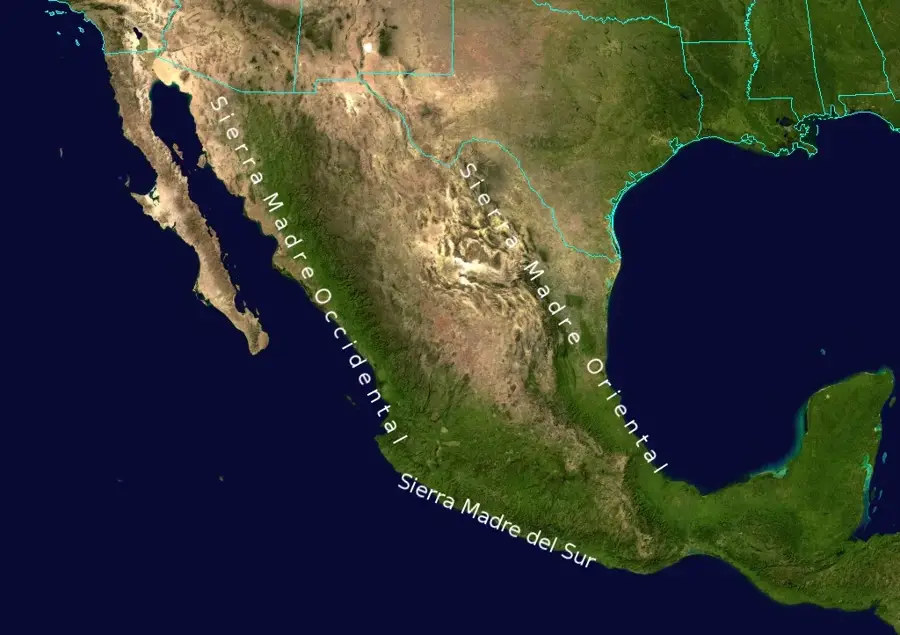
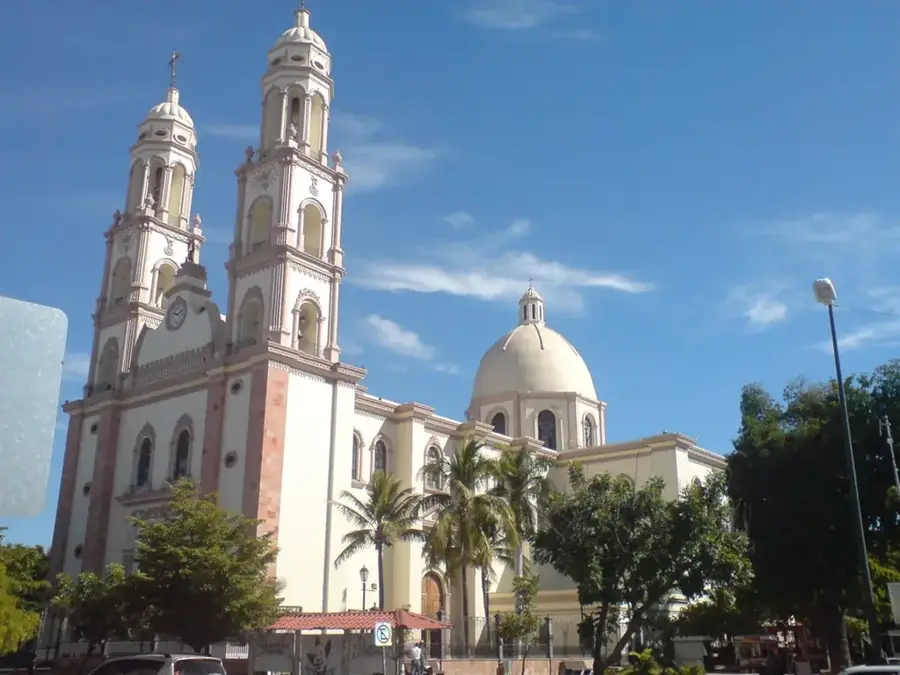
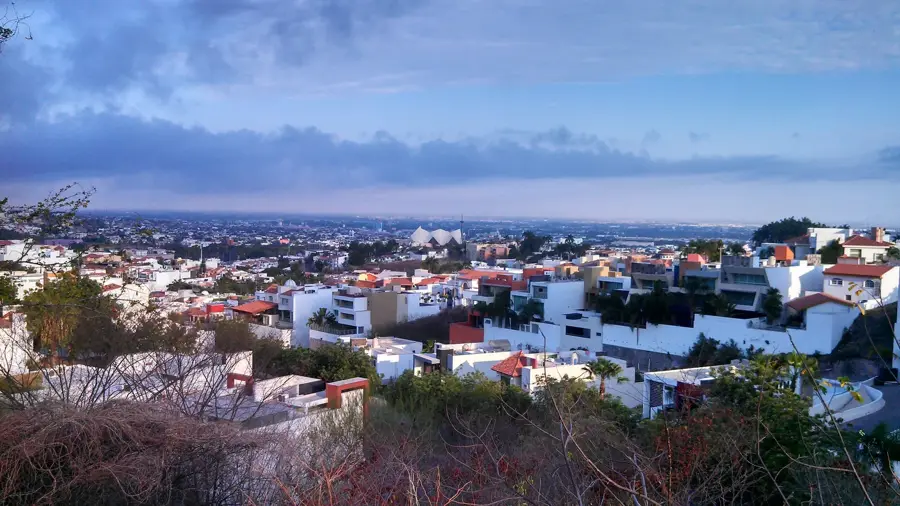
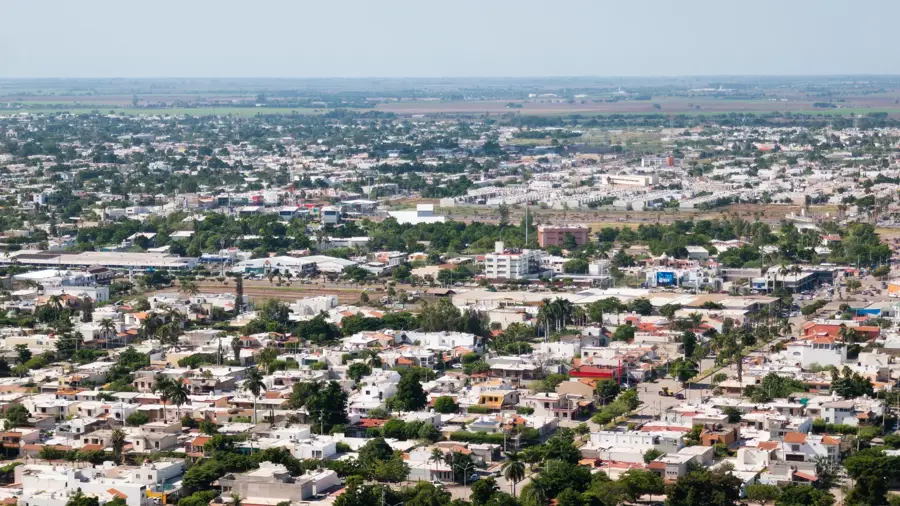
Culiacán Rosales, the capital of Sinaloa, stands as a formidable economic and cultural powerhouse in northwestern Mexico. Strategically positioned at the confluence of the Humaya and Tamazula rivers, which merge to form the Culiacán River, the city serves as the heart of a highly fertile agricultural valley. This geographic advantage has cemented its status as Mexico's leading producer of tomatoes and other key crops, earning it a central role in the nation's international trade. Founded in 1531 by the Spanish conquistador Nuño de Guzmán, Culiacán’s history is a blend of colonial legacy and rapid 20th-century modernization. The city's skyline is a mix of the old and the new, with the 19th-century neoclassical Cathedral of Our Lady of the Rosary anchoring the historic center, while the ambitious 'Tres Ríos' project has transformed the riverbanks into lively urban spaces featuring upscale malls, parks, and high-rise developments. Culiacán is also a major educational hub, home to the Autonomous University of Sinaloa, which fuels a large student population and a lively intellectual scene. Culturally, the city has the Sinaloa Art Museum (MASIN), housed in a striking 19th-century building, and the internationally acclaimed Culiacán Botanical Garden, which seamlessly integrates world-class contemporary art with a vast collection of tropical flora. The social fabric of Culiacán is deeply intertwined with sports, particularly baseball; the Tomateros de Culiacán are a source of immense local pride and a cornerstone of the city’s identity. The local culinary scene is equally celebrated, famous for its fresh Pacific seafood, especially aguachile, and its premium Sonoran-style beef. As a logistical hub, Culiacán is well-connected via the Federal de Bachigualato International Airport and a network of highways that link the Pacific coast with the northern border. Despite facing the environmental challenges of a semi-arid climate and intense summer heat, the city continues to thrive as a center for commerce, services, and industrial innovation, reflecting the dynamic spirit of northern Mexico.
- Location: Mexico
- Top sights: Pablo de Villavicencio · El Museo de Arte de Sinaloa (MASIN) · MIA Museo Interactivo Contra Las Adicciones
- Nearby: Eldorado (17 km)
- Population: ~808.416 (2026)
Best time to visit & climate
The most pleasant time to visit is Jan, Feb, Dec.
| Jan | Feb | Mar | Apr | May | Jun | Jul | Aug | Sep | Oct | Nov | Dec | |
|---|---|---|---|---|---|---|---|---|---|---|---|---|
| Avg °C | 20 | 21 | 23 | 26 | 28 | 30 | 29 | 28 | 27 | 26 | 23 | 20 |
| Rain mm | 8 | 15 | 5 | 2 | 1 | 33 | 183 | 204 | 169 | 46 | 23 | 16 |
Geography
Facts
- Culiacán was officially founded on September 29, 1531, by Nuño de Guzmán.
- The city is a top global exporter of winter vegetables, particularly tomatoes.
- Culiacán’s Botanical Garden is ranked among the best in the world for tropical species.
- The Tomateros de Culiacán baseball team has won multiple Caribbean Series titles.
- The city sits at the merging point of the Humaya and Tamazula rivers.
- Federal de Bachigualato International Airport is the main air hub for the state.
- The Sinaloa Science Center features the fifth-largest meteorite ever found on Earth.
- The MASIN museum is housed in a neoclassical building dating back to the 1830s.
Explore nearby
Notable places around



Route planner — Car & Motorhome
Where do you start? We build the route here, with stops and country notes along the way.
© OpenStreetMap contributors · OpenRouteService
Morning begins in the heart of Culiacán, where the interactive exhibits of MIA provide a fascinating start to the day. Just a short stroll away, the MASIN offers a deep dive into the region's contemporary artistic expressions within a beautifully preserved building. Midday finds you at the Pablo de Villavicencio, exploring its cultural legacy before heading eastward. The city streets hum with local energy as you transition from modern art to the deep historical roots showcased at the Museo Regional de Sinaloa. Afternoon shifts towards nature and recreation at the Zoológico de Culiacán. Here, shaded paths and diverse animal habitats offer a refreshing break from the urban environment, perfect for a leisurely walk. Evening approaches as you conclude your journey at the Salón de la Fama. Celebrating the athletic heroes of Sinaloa adds an inspiring finish to a day filled with art, history, and vibrant local culture.
MIA Museo Interactivo Contra Las Adicciones
El Museo de Arte de Sinaloa (MASIN)
Pablo de Villavicencio
Museo Regional de Sinaloa
Zoológico de Culiacán
Salón de la Fama Culiacán
Start your day in modern museums to avoid heavy tropical downpours. At noon, the thick colonial walls of the art museum provide a dry and safe sanctuary. In the afternoon, explore regional history protected by solid roofs. Spend the evening in the brightly lit hall of fame while the rain refreshes the city's air outside.
MIA Museo Interactivo Contra Las Adicciones
El Museo de Arte de Sinaloa (MASIN)
Pablo de Villavicencio
Museo Regional de Sinaloa
Zoológico de Culiacán
Salón de la Fama Culiacán
Enjoy the mild winter morning with a stroll without the extreme summer heat. At noon, the light is particularly soft and photogenic in the historical courtyards. In the afternoon, the cool breeze makes the zoo visit refreshing. As the sun sets around 17:00, explore the outdoor areas early and end the day comfortably.
MIA Museo Interactivo Contra Las Adicciones
El Museo de Arte de Sinaloa (MASIN)
Pablo de Villavicencio
Museo Regional de Sinaloa
Zoológico de Culiacán
Salón de la Fama Culiacán
Start your morning cycling to the cultural hub of Pablo de Villavicencio, setting an inspiring tone for the day. Quickly glide over to the MIA museum to interact with modern exhibits that challenge your perspective. Midday brings a scenic ride towards the iconic Puente Negro. Pedaling past this massive structure offers spectacular views of the river and perfectly frames Culiacán's unique industrial heritage. Afternoon energy ramps up as you head to Circo Rolex for a taste of traditional entertainment, followed by a visit to the local Skatepark where you can watch the city's youth show off their impressive tricks. Evening falls as you race to Go Kartz. The adrenaline of the track provides a thrilling conclusion to your two-wheeled adventure through the vibrant and diverse districts of the city.
Pablo de Villavicencio
MIA Museo Interactivo Contra Las Adicciones
Puente Negro
Circo Rolex
Skatepark
Go Kartz
Cycling in the rain requires caution on the slippery riverside paths. In the morning, cultural stops provide shelter from the heaviest showers. At noon, you can cross the bridge under dramatic cloud cover. In the afternoon, indoor activities offer a break from the weather. Wear bright rain gear as visibility for drivers may be limited.
Pablo de Villavicencio
MIA Museo Interactivo Contra Las Adicciones
Puente Negro
Circo Rolex
Skatepark
Go Kartz
Winter is the best time for cycling in Culiacán as the air is pleasantly fresh. In the morning, enjoy a relaxed ride through the urban landscape. At noon, the sun provides pleasant warmth without burning. In the afternoon, reach the parks before the early dusk sets in. After 17:00, ensure good lighting on your bike for the return trip.
Pablo de Villavicencio
MIA Museo Interactivo Contra Las Adicciones
Puente Negro
Circo Rolex
Skatepark
Go Kartz
Morning kicks off at the Centro de Ciencias de Sinaloa, where cutting-edge displays and a massive meteorite capture your imagination. With a car, you easily traverse to the energetic urban spot of El Cruce De Los Quiqes. Midday approaches as you drive to the Zoológico de Culiacán. Navigating across town allows you to enjoy a leisurely stroll among exotic wildlife without worrying about transit delays. Afternoon is reserved for the artistic treasures at MASIN, followed by a quick drive to marvel at the imposing silhouette of Puente Negro against the late-afternoon sky. Evening concludes with a short trip to Parque Temático Más Culiacán. The sprawling grounds and imaginative setups offer a perfect, relaxing way to wind down your comprehensive driving tour of the city.
Centro de Ciencias de Sinaloa
El Cruce De Los Quiqes
Zoológico de Culiacán
El Museo de Arte de Sinaloa (MASIN)
Puente Negro
Parque Temático Más Culiacán
The car is the most comfortable way to get around Culiacán on rainy days. In the morning, you reach museums dry despite congested roads. At noon, park close to entrances to avoid long walks in the downpour. In the afternoon, you can safely enjoy city views from the window. Expect longer travel times due to the risk of aquaplaning on main roads.
Centro de Ciencias de Sinaloa
El Cruce De Los Quiqes
Zoológico de Culiacán
El Museo de Arte de Sinaloa (MASIN)
Puente Negro
Parque Temático Más Culiacán
Take advantage of the pleasant winter weather for a relaxed drive through Culiacán. In the morning, the roads are clear and visibility is excellent with the low sun. At noon, you can easily switch between spots without the car overheating. Plan your last drive before 5 PM to experience the scenic sunset over the river from the car.
Centro de Ciencias de Sinaloa
El Cruce De Los Quiqes
Zoológico de Culiacán
El Museo de Arte de Sinaloa (MASIN)
Puente Negro
Parque Temático Más Culiacán
Sights in the town Culiacán (11)
Frequently asked questions
What is special in Culiacán?
When is the best visit time?
How is the safety?
What should you eat?
How to get there?
Culiacán: where is it located?
Culiacán: what is there to see?
Culiacán: when is the best time to visit?
Culiacán: why is it worth visiting?

Nearby cities
More places