Plizio Visual Lab
Colima
ℹ️Practical info — Colima
▾
🌤 Weather — 5 days
📍 Nearby
Sights nearby
💡 Tips
- The best time to see the Colima Volcano is early in the morning before the clouds roll in.
- Due to the intense heat in the afternoon, it's a good idea to take a siesta and plan your activities for the morning or late afternoon.
- Make sure to try 'Tuba', a local refreshing drink often sold in the main plaza.
- The historic center is easily walkable, but taxis or a rental car are recommended for trips outside the city.
🍽 Food
Small, thick tortillas topped with minced meat, cabbage, and sauce. Try them in traditional cenadurías (evening eateries) downtown.
A traditional drink made from fermented palm sap, often served with peanuts. Find it at street vendors in Jardín Libertad.
A local, dry version of the famous corn and meat soup, often offered in small family-run restaurants.
🛍 Shopping · 🧘 Quiet spots
Look for hand-painted ceramics and traditional furniture in the shops around the city center.
Colima is known for its excellent coffee. Buy freshly roasted beans at local markets or specialty cafes.
A vast park with a small lake, well-suited for a quiet morning stroll.
An uncrowded archaeological site that has a peaceful glimpse into the region's history.
Water temperature…
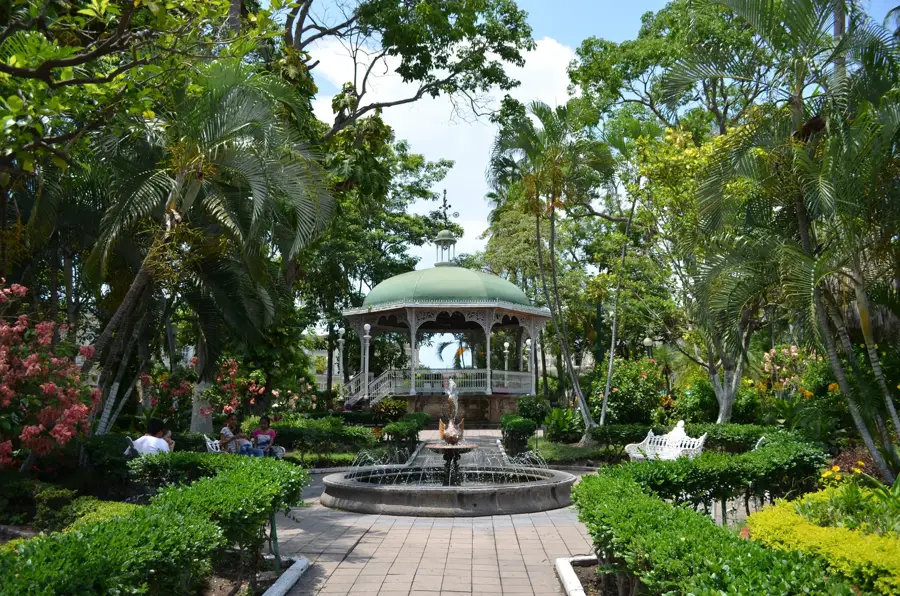
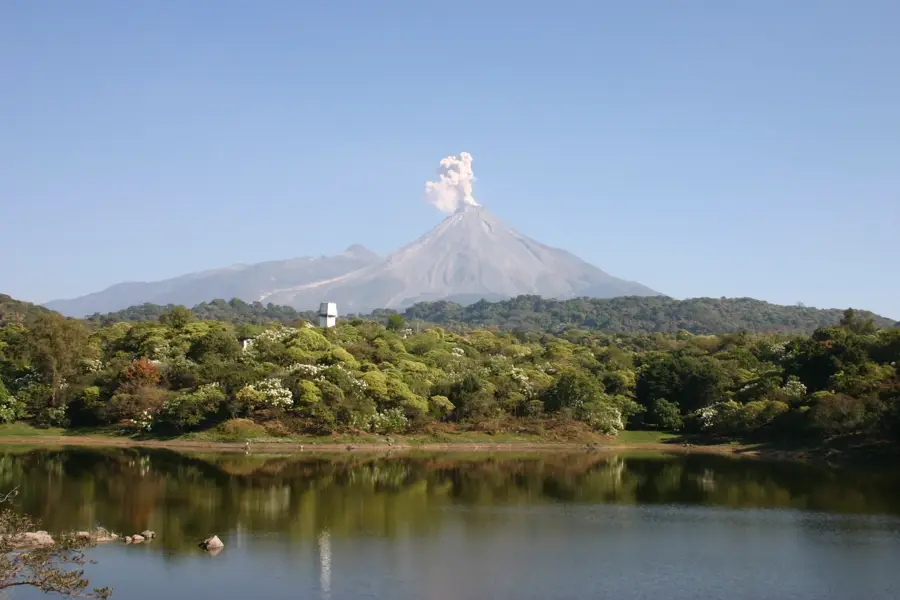
Colima, the capital of the state of Colima, is an appealing city located in western Mexico, set in a valley between the Pacific coast and the towering Colima Volcano complex. Established in 1523 by Spanish conquistador Gonzalo de Sandoval, it is one of the oldest colonial cities in the region. The city's identity is inseparable from its dramatic geography, specifically the Volcán de Fuego, one of North America's most active volcanoes, and the dormant Nevado de Colima. These peaks provide a memorable backdrop and contribute to the region's rich, volcanic soil, which supports a lush landscape of palm trees, leading to its nickname, the 'City of Palms.' The historic center is characterized by its neoclassical architecture, featuring the 19th-century Cathedral and the Government Palace, which houses significant historical murals. Economically, Colima serves as a regional hub for government, education, and the processing of agricultural products like limes, coconuts, and coffee. The city is famous for its pre-Hispanic heritage, most notably the 'Dancing Dogs of Colima,' clay figurines that have become a national symbol of Mexican archaeology. Colima consistently ranks high in Mexico for quality of life, public safety, and cleanliness. Nearby archaeological sites such as La Campana offer glimpses into the sophisticated Shaft Tomb cultures that inhabited the valley centuries before the Spanish arrival. The local culture is bustling, celebrated through festivals and unique culinary treats like 'tuba' (a palm sap drink) and 'sopitos.' Home to the prestigious University of Colima, the city maintains a youthful and intellectual atmosphere. Despite the occasional volcanic activity, the people of Colima live in harmony with their environment, making it a serene and historically rich destination in Western Mexico.
- Location: Mexico
- Top sights: Zona Arqueológica "El Chanal" · La Campana Archaeological Site · Museo Alberto Isaac
- Nearby: Tecomán (19 km)
- Population: ~146.965 (2026)
Live webcam – Colima
See what it looks like near Colima right now.
Villa de Alvarez › North-east: Volcán de Colima · 5.3 km · Open webcam on Windy · Webcams provided by Windy.com
Geography
Facts
- Established in 1523, making it one of Mexico's oldest cities.
- Located at coordinates 19.2433° N, 103.7249° W.
- The Cathedral of Colima was completed in 1894.
- Famous for pre-Hispanic 'Dancing Dog' ceramic figures.
- Serves as the capital of the state of Colima.
- The surrounding volcanic soil is ideal for lime and coffee farming.
- Home to the University of Colima, a leading research institution.
- Often referred to as the 'City of Palms' due to its lush greenery.
Explore nearby
Notable places around
Route planner — Car & Motorhome
Where do you start? We build the route here, with stops and country notes along the way.
© OpenStreetMap contributors · OpenRouteService
Start your morning by exploring musical history at Casa del Piano. Right next door, immerse yourself in the vibrant and detailed art of the Museo Fernando del Paso. Midday calls for a dive into traditional craftsmanship at the Museo de Artes Populares, where colorful clay figurines beautifully showcase local culture. In the afternoon, take a relaxing stroll to El Zalatón de Juárez, a historic fig tree providing welcome shade and a peaceful atmosphere. Your evening concludes at the Museo de las Culturas de Occidente, wrapping up the day with fascinating pre-Hispanic artifacts.
Casa del Piano
Museo Fernando del Paso
Museo de Artes Populares "María Teresa Pomar"
El Zalatón de Juárez
Museo de las Culturas de Occidente "María Ahumada de Gómez"
Morning begins under a grey sky, making Casa del Piano the perfect initial refuge. By noon, the rain intensifies, but the colonial corridors keep you dry and comfortable. In the afternoon, the walk to the popular arts museum requires careful stepping on the slick stones. Evening concludes in the sheltered halls of the Western Cultures museum as the rain continues to fall steadily.
Casa del Piano
Museo Fernando del Paso
Museo de Artes Populares "María Teresa Pomar"
El Zalatón de Juárez
Museo de las Culturas de Occidente "María Ahumada de Gómez"
Early light hits the volcanic horizon as you start your walk in a light sweater. Midday is pleasant, but the sun is lower, casting long shadows across the plazas. By 5 PM, the sky turns gold as the sun sets early, prompting a move to indoor venues. Night falls quickly, calling for an extra layer against the crisp mountain air during your stroll.
Casa del Piano
Museo Fernando del Paso
Museo de Artes Populares "María Teresa Pomar"
El Zalatón de Juárez
Museo de las Culturas de Occidente "María Ahumada de Gómez"
Begin your morning at the historic Las Vívoras cemetery, where the old tombs create a uniquely peaceful and slightly mysterious atmosphere. By midday, pedal your way to the Museo de las Culturas de Occidente, followed by engaging, interactive fun at the Xoloitzcuintle science museum. In the afternoon, ride past the imposing monument to the young heroes and the iconic Rey de Colimán statue, perfect spots for photography. Wrap up your evening at the Museo Fernando del Paso, admiring stunning modern Mexican art and beautifully intricate colorful drawings.
Historic Cemetery Las Vívoras
Museo de las Culturas de Occidente "María Ahumada de Gómez"
Museo de Ciencia y Tecnología Xoloitzcuintle
Monumento a los Niños Héroes
Rey de Colimán
Museo Fernando del Paso
Cycling in the rain in Colima requires full concentration. Morning at the cemetery is misty, and the paths are soft. At noon, museums offer dry breaks for both rider and gear. In the afternoon, streets are mirror-slick, especially near monuments with polished stone. The day ends with a cautious ride through the illuminated puddles of the city center.
Historic Cemetery Las Vívoras
Museo de las Culturas de Occidente "María Ahumada de Gómez"
Museo de Ciencia y Tecnología Xoloitzcuintle
Monumento a los Niños Héroes
Rey de Colimán
Museo Fernando del Paso
The clear winter air makes morning cycling refreshing but requires gloves. Midday sun is strong enough for short sleeves, but it remains cool in the shade. In the afternoon, temperatures drop noticeably as the sun gets lower. Around 5 PM, the volcano glows in the sunset, just before the winter chill calls for a heavy jacket for the ride.
Historic Cemetery Las Vívoras
Museo de las Culturas de Occidente "María Ahumada de Gómez"
Museo de Ciencia y Tecnología Xoloitzcuintle
Monumento a los Niños Héroes
Rey de Colimán
Museo Fernando del Paso
Morning begins far north at the pre-Hispanic ruins of El Chanal, the ideal spot to explore ancient history before the intense midday heat. Around midday, grab a photo at the Letras Valle Verde and stop by the modern Anfiteatro Sendera to feel the pulse of regional culture. In the afternoon, explore the unique round pyramids of La Campana before enjoying the creative caricatures at Museo Alberto Isaac. By early evening, drive back to the center to end your journey surrounded by colorful traditional crafts at Museo de Artes Populares.
Zona Arqueológica "El Chanal"
Letras Valle Verde
Anfiteatro Sendera
La Campana Archaeological Site
Museo Alberto Isaac
Museo de Artes Populares "María Teresa Pomar"
By car, the rain in Colima is manageable, but the paths in the archaeological zones become muddy. In the morning, the drive to El Chanal requires extra attention due to potential hydroplaning. At noon, covered cultural centers are the best choice. The afternoon at archaeological sites is damp, but museums offer perfect protection from the downpours in the evening.
Zona Arqueológica "El Chanal"
Letras Valle Verde
Anfiteatro Sendera
La Campana Archaeological Site
Museo Alberto Isaac
Museo de Artes Populares "María Teresa Pomar"
Winter drives in Colima are a treat thanks to mild temperatures and clear views of the volcanoes. In the morning, the air is fresh, perfect for visiting archaeological sites. At noon, the sun warms up the car, but museums stay cool. The sunset around 5 PM bathes the landscape in warm light before it gets drafty in the car in the evening.
Zona Arqueológica "El Chanal"
Letras Valle Verde
Anfiteatro Sendera
La Campana Archaeological Site
Museo Alberto Isaac
Museo de Artes Populares "María Teresa Pomar"
Sights in the town Colima (9)
Frequently asked questions
What is Colima famous for?
How much time is needed for Colima?
Are there local specialties in Colima?
Is Colima safe for tourists?
Is Colima a good base for hiking?
Colima: where is it located?
Colima: what is there to see?
Colima: why is it worth visiting?

Nearby cities
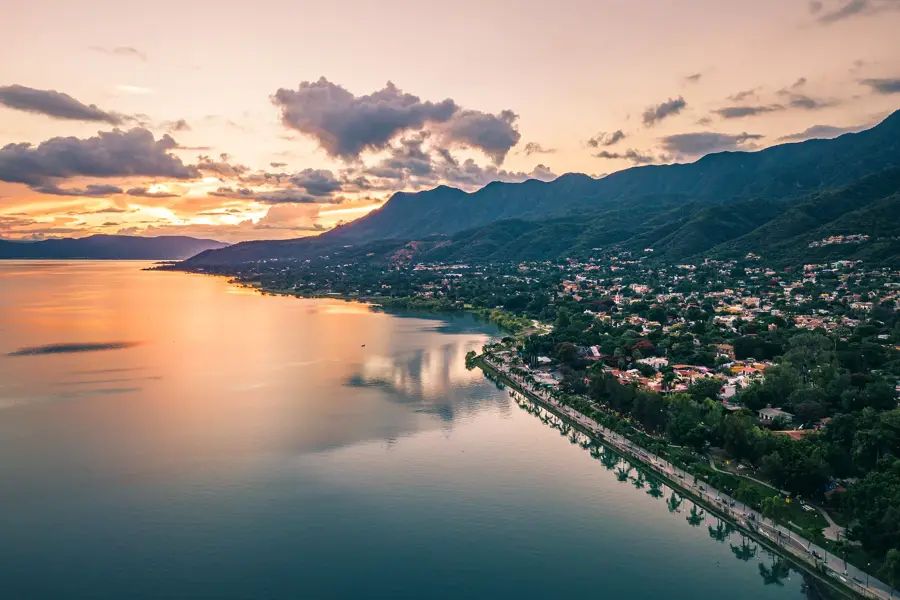
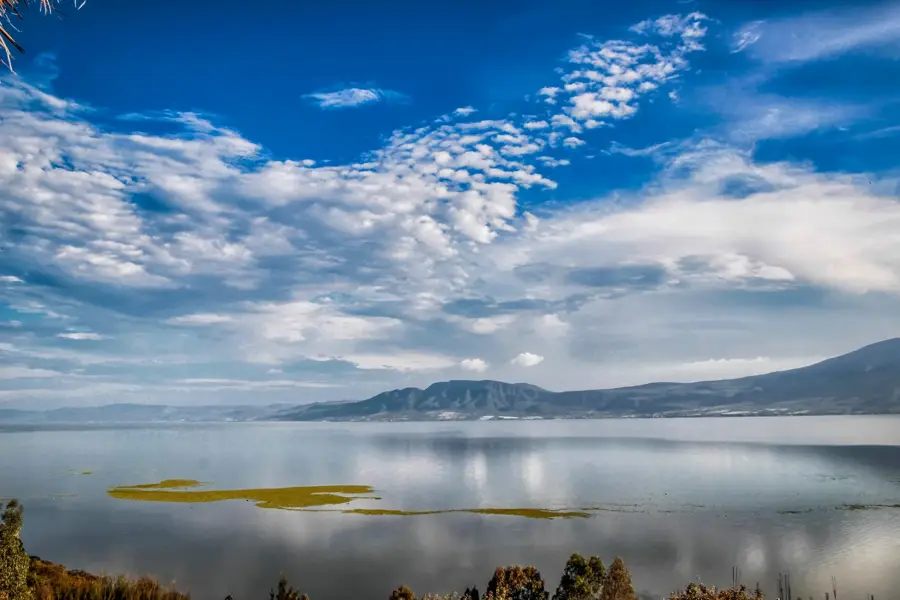
History & landmarks
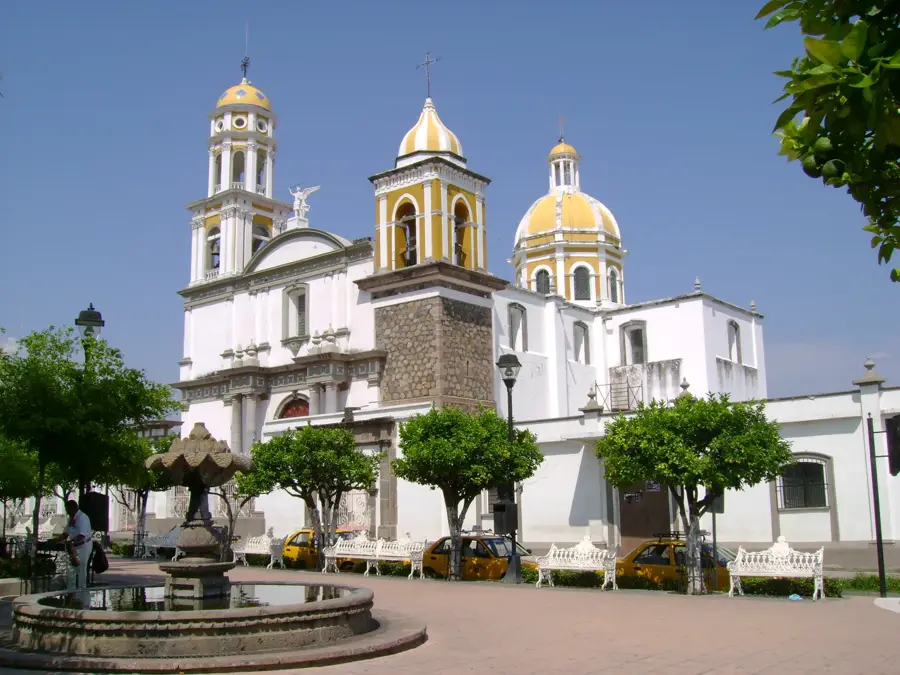

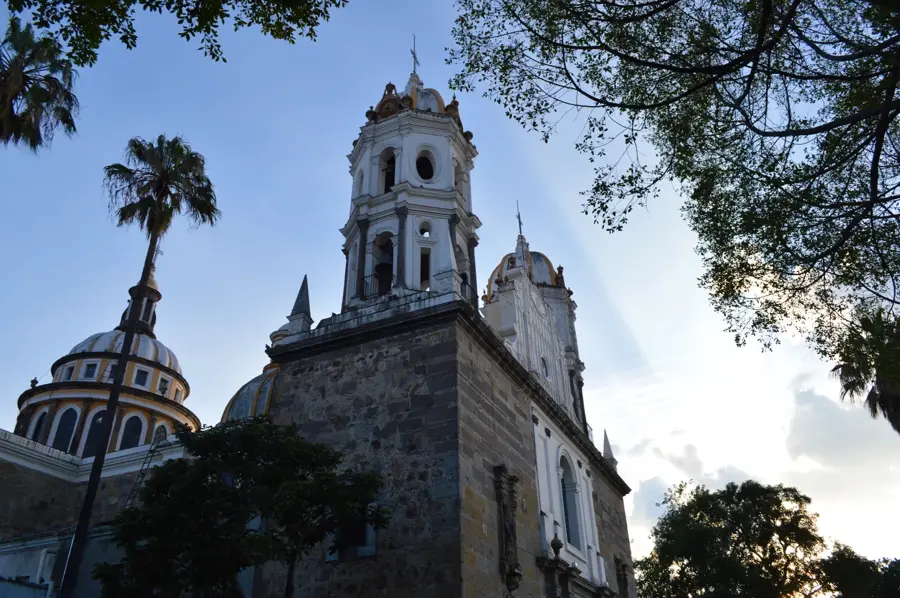
More places