Plizio Visual Lab
Batu Pahat
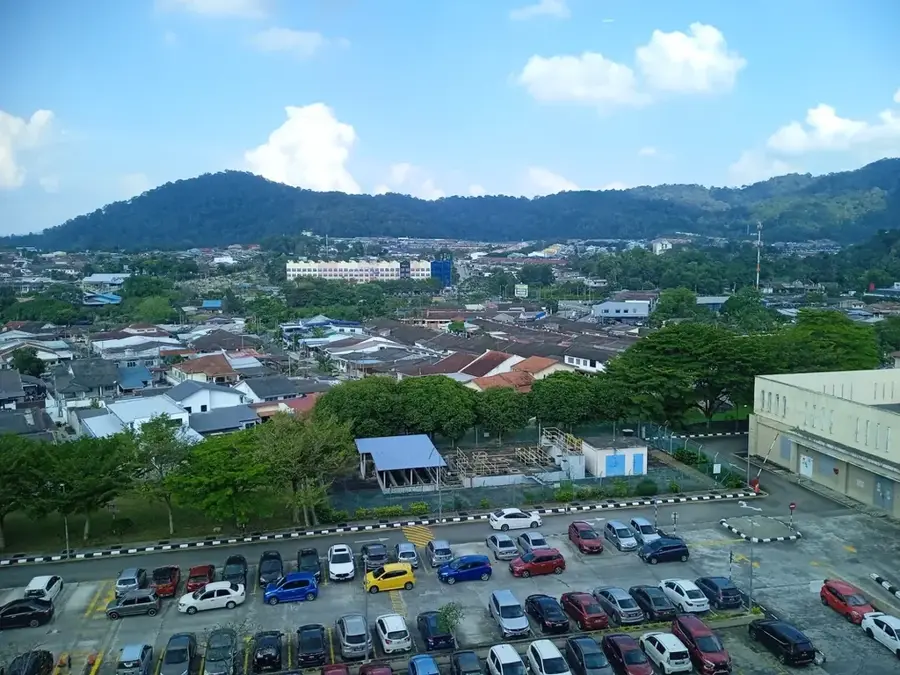
ℹ️Practical info — Batu Pahat
▾
🌤 Weather — 5 days
📍 Nearby
Sights nearby
💡 Tips
- The town is famous for its food; skip the hotel breakfast and head to the local traditional kopitiams (coffee shops) early.
- Parking in the town center can be difficult during peak lunch hours, so be prepared to park a bit further away and walk.
- Visit the Minyak Beku area to see the actual 'chiselled rock' monument that gave the town its name.
- Having a car is highly recommended for exploring the coastal areas and the various temples situated outside the main town.
- It rains frequently in this region; always carry an umbrella, even on seemingly sunny mornings.
🍽 Food
Batu Pahat is known for specific local biryani spots; go early for lunch as the best places sell out quickly.
Try this iconic sour and spicy fish stew at eateries near the local market or along the riverfront.
Enjoy a cup of thick, strong local coffee at a classic Hainanese kopitiam in the town center.
🛍 Shopping · 🧘 Quiet spots
Check local schedules for the night market (Pasar Malam) to buy cheap clothes, street snacks, and gadgets.
Pick up traditional pastries like tau sar piah from long-established bakeries on the main streets.
A breezy, somewhat rocky coastal area great for watching the sunset and ships passing by in the strait.
A popular, relaxing recreational park for a peaceful morning jog or a cool evening stroll.
Water temperature…
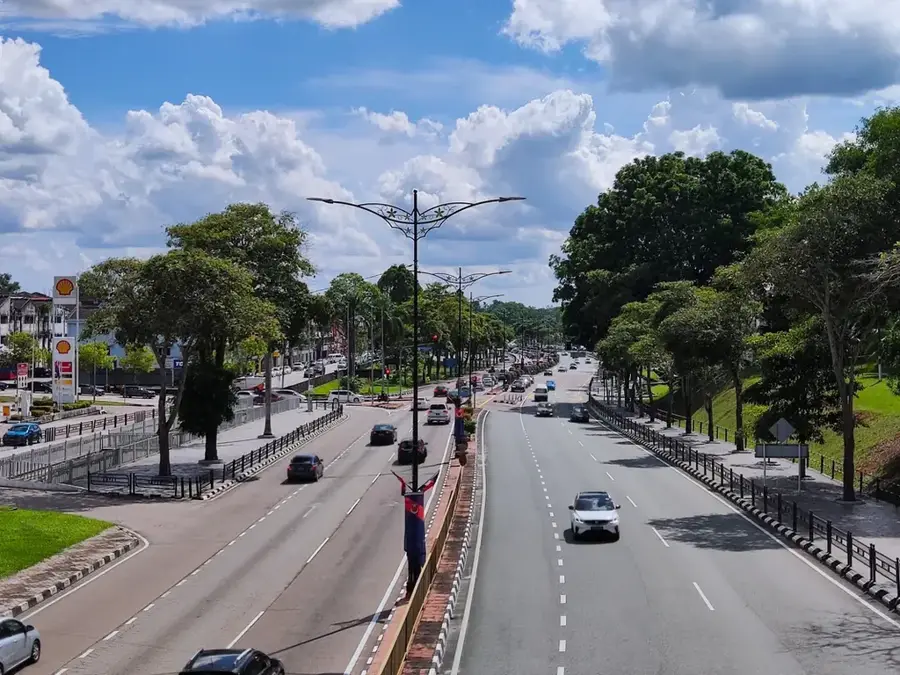
Batu Pahat is the second-largest city in the state of Johor and is widely regarded as the most significant textile and garment manufacturing hub in Malaysia. The city is home to a rich history dating back to 1894, when it was officially founded by Dato' Bentara Luar to spearhead the agricultural development of the surrounding region. Geographically, it is situated along the banks of the Sungai Batu Pahat river, a location that historically facilitated the transport of raw materials and goods to the coast. The economic significance of the city has evolved over time from a reliance on agriculture to a robust industrial base that now includes hundreds of manufacturing plants. Beyond its industrial prowess, Batu Pahat is known for its cultural diversity, which is reflected in its numerous temples and traditional markets. The city also serves as a vital educational center in the region, hosting several prestigious academic institutions that contribute significantly to local growth.
- Location: Malaysia
- Top sights: Bukit Soga · Pertubuhan Persaudaraan Prasie Celebration · ICON MART(BP)SDN.BHD.
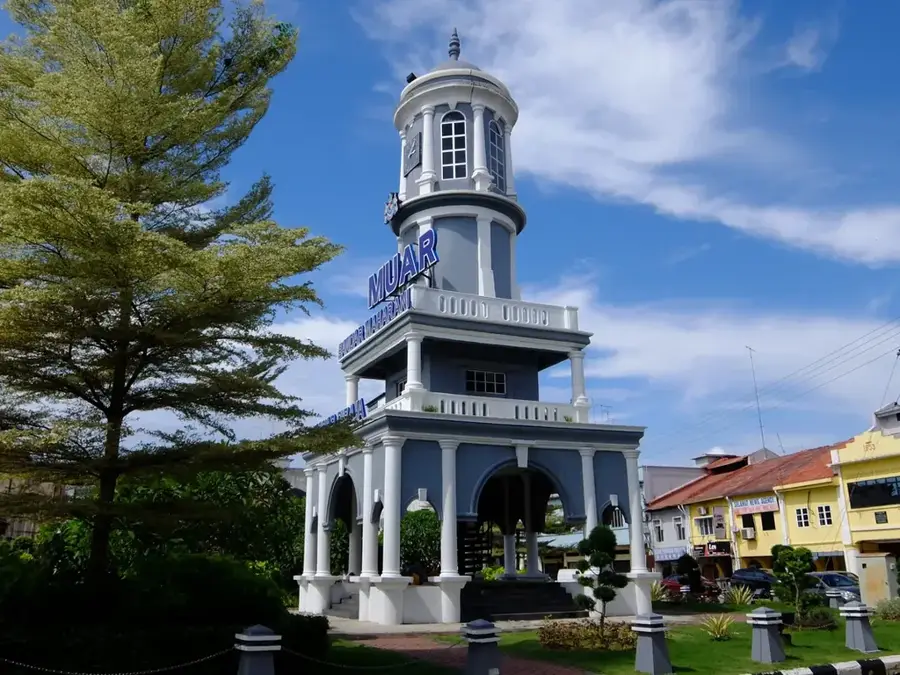
- Nearby: Muar (41 km)
- Population: ~156.236 (2021)
Best time to visit & climate
The most pleasant time to visit is Feb, Mar, Sep.
| Jan | Feb | Mar | Apr | May | Jun | Jul | Aug | Sep | Oct | Nov | Dec | |
|---|---|---|---|---|---|---|---|---|---|---|---|---|
| Avg °C | 26 | 26 | 27 | 28 | 28 | 27 | 27 | 27 | 27 | 27 | 27 | 26 |
| Rain mm | 200 | 102 | 159 | 183 | 186 | 163 | 181 | 193 | 165 | 211 | 266 | 292 |
Geography
Facts
- Batu Pahat literally means 'chiseled stone' in the Malay language.
- The town was officially established in 1894 as the administrative center of the district.
- There are over 300 textile factories in the city, earning it the nickname 'Textile City'.
- The Chong Long Gong Temple is famous for its sacred fish, which are believed to bring good luck.
- Batu Pahat is a key location for food processing, particularly famous for biscuit manufacturing.
- The city is home to Universiti Tun Hussein Onn Malaysia (UTHM), a leading technical university.
Explore nearby
Notable places around

Route planner — Car & Motorhome
Where do you start? We build the route here, with stops and country notes along the way.
© OpenStreetMap contributors · OpenRouteService
Sights in the town Batu Pahat (8)
Frequently asked questions
How many days for Batu Pahat?
Best season to visit Batu Pahat?
How to reach Batu Pahat?
What to eat in Batu Pahat?
Is the city suitable for children?
Batu Pahat: where is it located?
Batu Pahat: what is there to see?
Batu Pahat: when is the best time to visit?
Batu Pahat: why is it worth visiting?

Nearby cities
More places