Plizio Visual Lab

Sabratha
Plizio editorial teamData Sources
Historical site
—°10
Sabratha (Libya)

Weather…

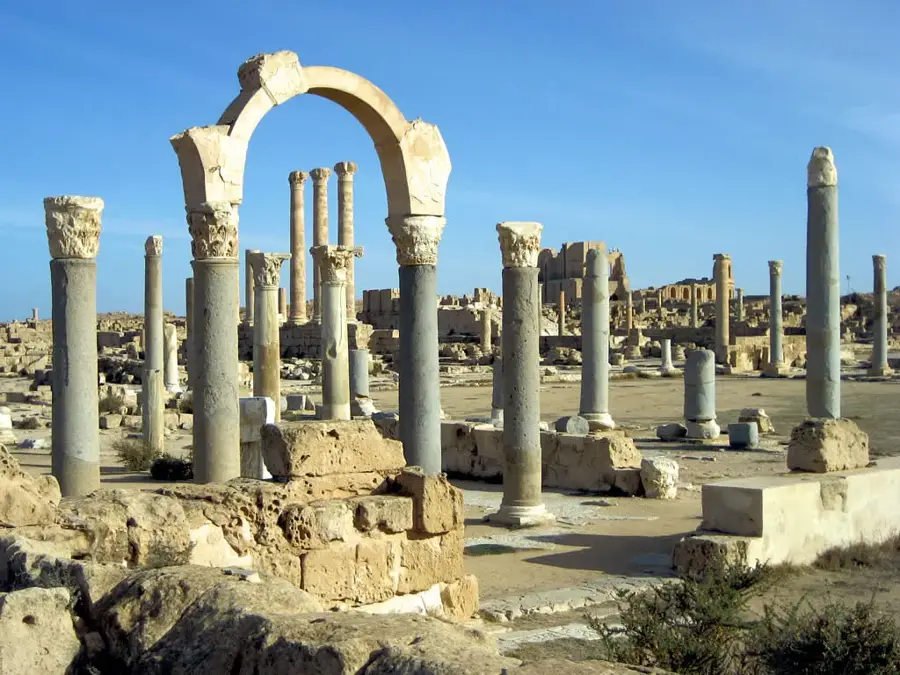
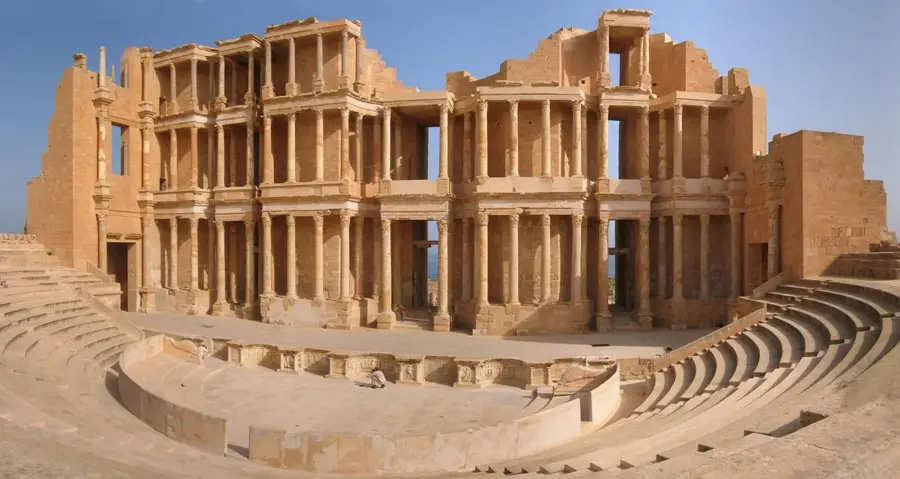
Sabratha is an ancient Mediterranean coastal city located approximately 70 kilometers west of modern-day Tripoli. Founded around 500 BC as a Phoenician trading post, it later evolved into a flourishing Roman municipality within the region known as the Tripolis. The city is world-renowned for its spectacular Roman theater, built in the late 2nd century AD, featuring a meticulously reconstructed three-story backdrop (scaenae frons) adorned with marble columns. Beyond the theater, the archaeological site contains numerous temples, Roman villas, and several early Christian basilicas famous for their intricate floor mosaics. In 1982, Sabratha was designated a UNESCO World Heritage site for its exceptional historical and architectural value. As a vital maritime hub, it served as a key outlet for products coming from the African interior, most notably ivory and exotic animals destined for Roman spectacles. The city survived various conquests and a massive earthquake in 365 AD, leaving behind a rich legacy of Punic, Roman, and Byzantine civilizations.

Best time to visit & climate

The most pleasant time to visit is May, Jun, Nov.

JanFebMarAprMayJunJulAugSepOctNovDec
Avg °C151516182124272827242017
Rain mm2929189720119283446

📋 Practical info

🚪
Visiting
The ancient city of Sabratha is an open archaeological site that can be freely visited. The Roman theater and mosaics are the main highlights; the entire area is walkable.
🕒
Typical hours
Opening hours usually follow daylight; the site is typically accessible from morning until sunset. In summer, afternoons are longer, but there are no fixed closing times.
📷
Photography
Photography is allowed everywhere; no flash is needed for the mosaics and theater. Good light yields excellent shots of the ruins and the coastline.
⏱️
Time needed
Allow at least two hours to see the entire site. For a thorough exploration including the museum, plan for half a day.
Combine with
Combine Sabratha with Leptis Magna and the coastal road - both are nearby. The on-site small museum gives a good overview of the finds.
🧭
Getting there
Sabratha is about 70 km west of Tripoli, reachable by car or organized tours. Buses run from Tripoli; a taxi is also possible.
💡
Insider tip
Wear sturdy shoes as the ground is sandy and uneven. Bring plenty of water and sun protection - there is little shade on the site.

Geography

Coordinates
32.80500, 12.48400

Facts

  • The city was established as a Phoenician settlement around 500 BC.
  • The Roman theater was constructed during the late 2nd century AD.
  • UNESCO added Sabratha to the World Heritage List in 1982.
  • A devastating earthquake struck the city in the year 365 AD.
  • The scaenae frons of the theater has been carefully reconstructed.
  • It was one of the three cities forming the original Tripolis region.

Explore nearby

Notable places around

Route planner — Car & Motorhome

Where do you start? We build the route here, with stops and country notes along the way.

Vehicle
Only stops with (optional):

© OpenStreetMap contributors · OpenRouteService

Sights in the town Sabratha (10)

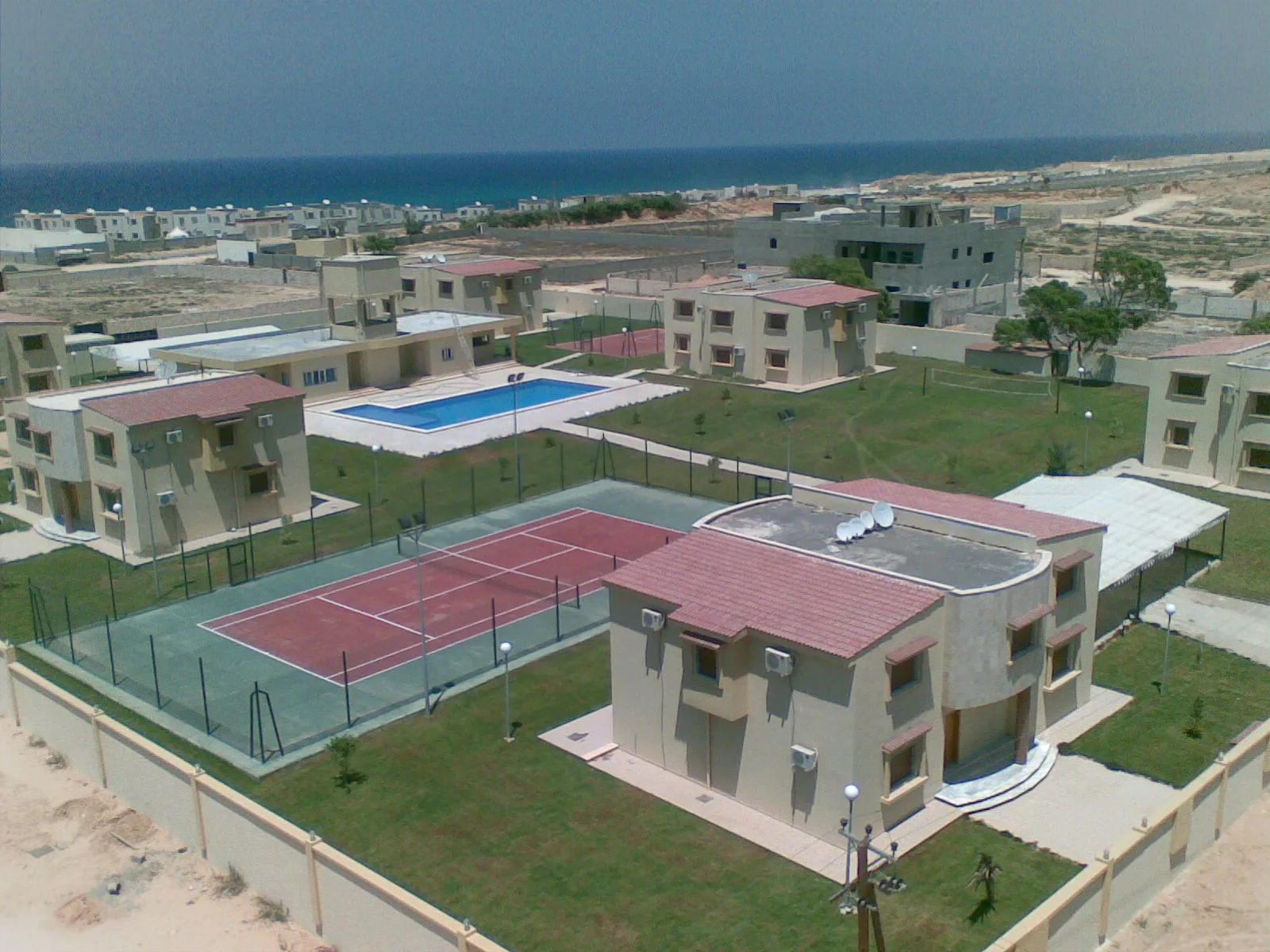
Surman Beach resort🎡 recreation

A coastal resort near Sabratha offering guests direct access to the Mediterranean beach.

Anfiteatro de Sabratha🏺 historical

The remains of a late 2nd-century Roman amphitheater located in the ancient city of Sabratha.

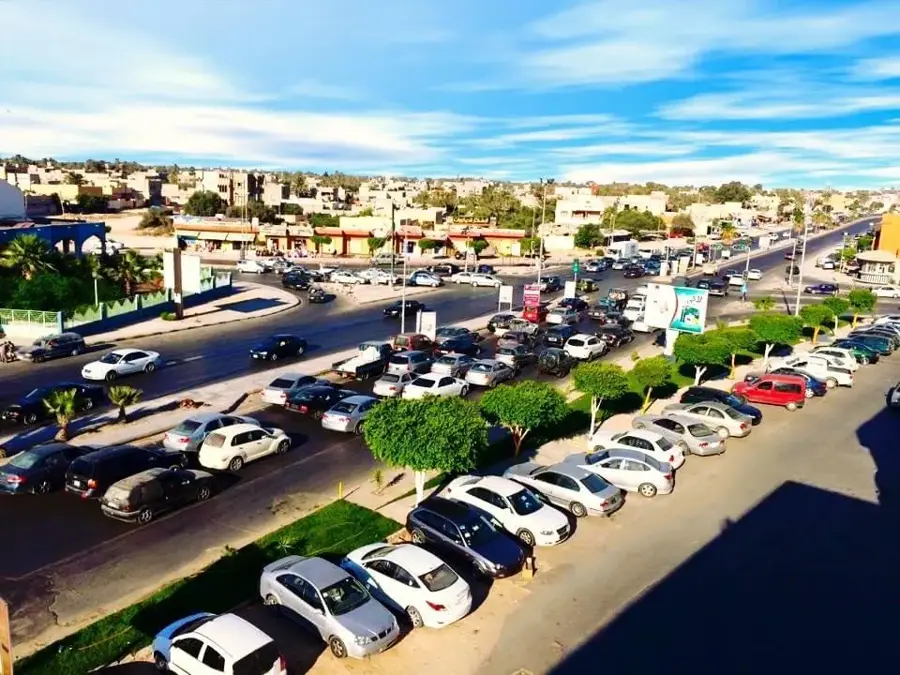
Andalusia Traffic🌿 nature

A viewpoint near Sabratha offering vistas over the local landscape and traffic flow.

Basilica of Apuleius🏺 historical

The ruins of a Byzantine Christian basilica located within the ancient site of Sabratha.

Puerta Bizantina🏺 historical

The Byzantine gates that served as part of the historical defensive structures of Sabratha.

Museo Romano Sabratha🏛 museum

A museum displaying significant artifacts from the Roman era of the ancient coastal city of Sabratha.

Sobrata Resort🎡 recreation

Sobrata Resort is a sandy Mediterranean beach stretching along the coast near Sabratha.

Archaeological Site of Sabratha📍 landmark

This heritage-listed archaeological site features spectacular Roman ruins overlooking the Mediterranean coast.

Sabratha National Park🌿 nature

Sabratha National Park is a nature reserve protecting the Mediterranean coastal environment near the historic ruins.

Sobrata Lighthouse📍 landmark

The Sobrata Lighthouse serves as a navigational aid along the North African Mediterranean coast near the ancient city.

Sights nearby

Frequently asked questions

What is the most important structure in Sabratha?
The 3rd-century Roman theatre is world-famous for its three-story stage backdrop.
Is Sabratha a UNESCO World Heritage site?
Yes, the archaeological site was inscribed in 1982 for its exceptional Roman ruins.
How far is Sabratha from Tripoli?
It is located about 65-70 kilometers west of the capital on the Mediterranean coast.
Can you see mosaics there?
Yes, the Sabratha Museum displays impressive mosaics from the city's villas and churches.
When is the best time to visit?
Spring and autumn are convenient to avoid the summer heat; the site usually opens between 9 AM and 5 PM.
Sabratha: where is it located?
Sabratha is located in Libya.
Sabratha: what is there to see?
Highlights include Surman Beach resort, Anfiteatro de Sabratha, Andalusia Traffic.
Sabratha: when is the best time to visit?
The most pleasant time to visit is May, Jun, Nov.
Sabratha: why is it worth visiting?
Sabratha is an ancient Mediterranean coastal city located approximately 70 kilometers west of modern-day Tripoli.
View on map → The Top 50 Attractions → OpenStreetMap →
Africa
Explore with Plizio Discover more places in Africa
More places in Libya →

Nearby cities

History & landmarks
More places