Plizio Visual Lab
Wadi Zamzam
Weather…
Water temperature…
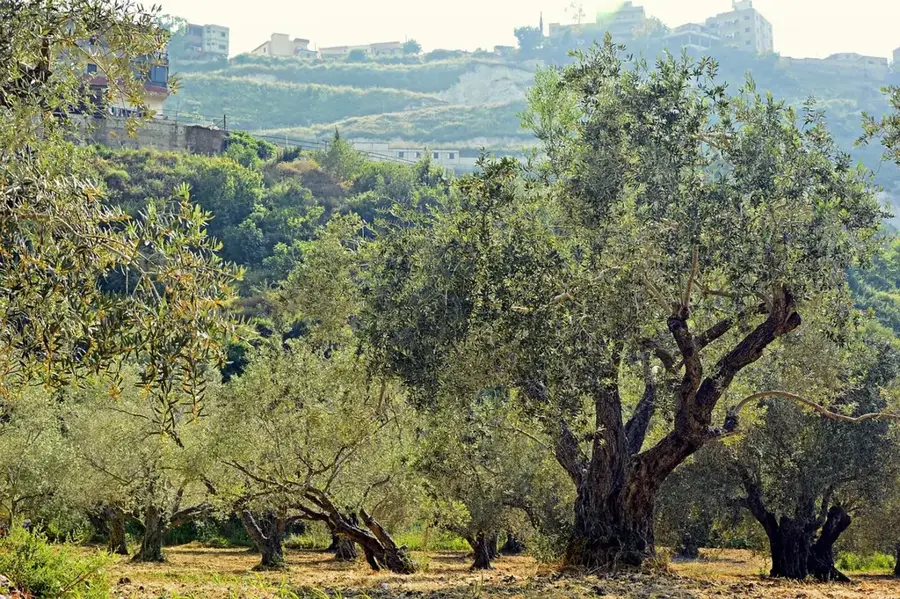
Wadi Zamzam is a significant dry river valley in northwestern Libya, renowned for its rich archaeological heritage and ecological importance. Spanning south from Misrata, it empties into the coastal plains along the Gulf of Sirte. During the Roman era, the valley was a focal point of the 'Limes Tripolitanus', a system of fortified farms known as centenaria used for border security and agricultural production. Ancient inhabitants developed sophisticated irrigation systems and stone dams to harness seasonal flash floods for cultivating grain and olives. Ruins such as those at Ghirza testify to a flourishing culture that successfully adapted to the arid environment. Today's landscape is characterized by sparse vegetation and vast gravel plains, yet it provides a habitat for desert wildlife including gazelles and various bird species. Archaeological excavations have uncovered numerous inscriptions and reliefs that provide insights into the daily lives and religious practices of the frontier population. Wadi Zamzam remains a key site for understanding the interaction between humans and the environment in antiquity.
Best time to visit & climate
The most pleasant time to visit is Apr, May, Oct.
| Jan | Feb | Mar | Apr | May | Jun | Jul | Aug | Sep | Oct | Nov | Dec | |
|---|---|---|---|---|---|---|---|---|---|---|---|---|
| Avg °C | 11 | 12 | 16 | 20 | 24 | 28 | 30 | 30 | 28 | 23 | 17 | 12 |
| Rain mm | 13 | 12 | 10 | 4 | 3 | 1 | 0 | 0 | 9 | 14 | 9 | 16 |
📋 Practical info
Geography
Facts
- Part of the Roman Limes Tripolitanus
- Location of the ruins of Ghirza
- Evidence of ancient olive oil production
- Features sophisticated ancient dam systems
- Empties into the Gulf of Sirte
- Important habitat for desert gazelles
Explore nearby
Notable places around


Route planner — Car & Motorhome
Where do you start? We build the route here, with stops and country notes along the way.
© OpenStreetMap contributors · OpenRouteService
Sights nearby
Frequently asked questions
Does Wadi Zamzam have water year-round?
What can you visit at Wadi Zamzam?
Is the region safe for solo travelers?
How do you reach Wadi Zamzam?
Is there shade there?
Wadi Zamzam: where is it located?
Wadi Zamzam: when is the best time to visit?
Wadi Zamzam: why is it worth visiting?

Nearby cities


History & landmarks

More places