
Plizio Visual Lab

Wajir Fort

Plizio editorial teamData Sources
Historical site
—°1
Wajir Fort (Kenya)

Weather…

Wajir Fort, located in northeastern Kenya, is a significant example of colonial military architecture and a cornerstone of the region's administrative history. Built in 1912 by the British colonial administration, the fort was established to secure strategic water points and exert control over the nomadic communities in this arid territory. The fort's design features massive walls and lookout towers, originally intended to defend against raids and monitor the borders with Ethiopia and Somalia. During World War I and World War II, it served as a vital defensive post and logistical hub for British forces. The fort is situated near ancient wells that have been used by Somali pastoralists for centuries. Today, it houses a museum that showcases the culture of local communities, the history of border conflicts, and the natural history of the district. Despite the harsh environmental conditions, the fort remains well-preserved and stands as a prominent landmark in Wajir's desert landscape.

Best time to visit & climate

The most pleasant time to visit is Jun–Aug.

JanFebMarAprMayJunJulAugSepOctNovDec
Avg °C293131292827272729292828
Rain mm147351244264587210845

📋 Practical info

🚪
Visiting
The fort can typically be viewed from the outside, as it is located in a remote area. Access to the interior is often not possible, since the site is not continuously open to the public.
🕒
Typical hours
Since there are no fixed opening hours, it's best to plan your visit during daylight. Typically, the area is accessible from sunrise to sunset.
📷
Photography
Photography of the exterior is usually allowed and has great subjects. Inside, photography may be restricted - please follow any signage.
⏱️
Time needed
A short visit typically takes about 30 minutes to one hour. If you want to explore the surroundings, the stay can be longer.
Combine with
It is worth combining with nearby Wajir Town, where you can find local markets. Other colonial buildings in the region can also be easily combined.
🧭
Getting there
Access is best by 4x4 vehicle from Wajir Town. Road conditions can be difficult - a guide is recommended.
💡
Insider tip
Bring plenty of water and sun protection, as the region is very hot. Binoculars can help you explore the surroundings better.

Geography

Coordinates
1.74800, 40.05800

Facts

  • Built in 1912 by British colonial authorities
  • Established to protect strategic water wells
  • Located adjacent to the historic Wajir wells
  • Bombarded by Italian forces during World War II
  • Currently houses a regional museum under the National Museums of Kenya
  • The only significant inland historic fort in Northern Kenya

Explore nearby

Notable places around

Route planner — Car & Motorhome

Where do you start? We build the route here, with stops and country notes along the way.

Vehicle
Only stops with (optional):

© OpenStreetMap contributors · OpenRouteService

Sights in the town Wajir Fort (1)

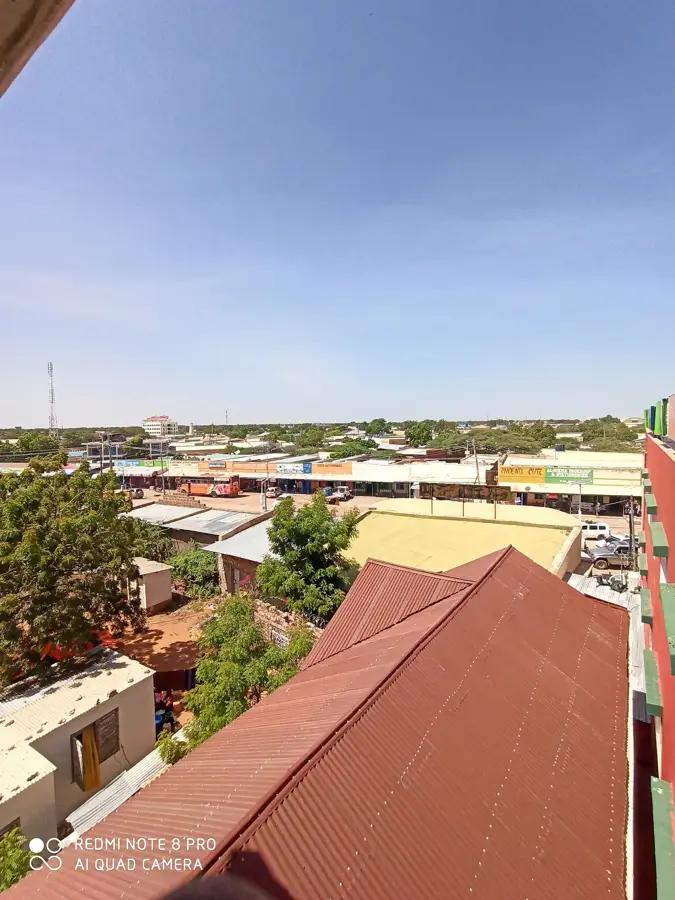
Shuman place📍 landmark

Shuman place is a cultural site situated near the historic Wajir Fort, reflecting the resilient desert architecture of the region.

🕒 Su-Th 00:00-24:00

Sights nearby

Frequently asked questions

When was Wajir Fort built?
It was built in the early 20th century by the British colonialists.
What was the fort used for?
It served as an administrative outpost and military base in northern Kenya.
Can you visit the fort today?
Yes, it is a historical landmark, though parts of it are still used by government authorities.
What is the climate like in Wajir?
The climate is extremely hot and arid, typical of a semi-desert region.
What else is there to see nearby?
Wajir town is known for its historic wells and the lively livestock market.
Wajir Fort: where is it located?
Wajir Fort is located in Kenya.
Wajir Fort: when is the best time to visit?
The most pleasant time to visit is Jun, Aug.
Wajir Fort: why is it worth visiting?
Wajir Fort, located in northeastern Kenya, is a significant example of colonial military architecture and a cornerstone of the region's administrative history.
View on map → The Top 50 Attractions → OpenStreetMap →
Africa
Explore with Plizio Discover more places in Africa
More places in Kenya →

Nearby cities