Plizio Visual Lab

Iwami Ginzan Silver Mine
Plizio editorial teamData Sources
historical-site
—°11
Iwami Ginzan Silver Mine (Japan)

Weather…

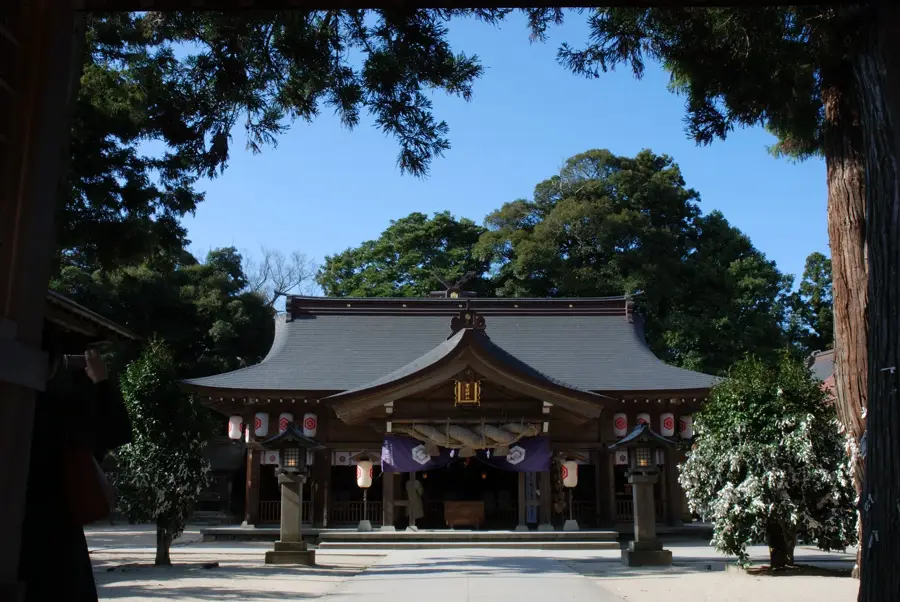
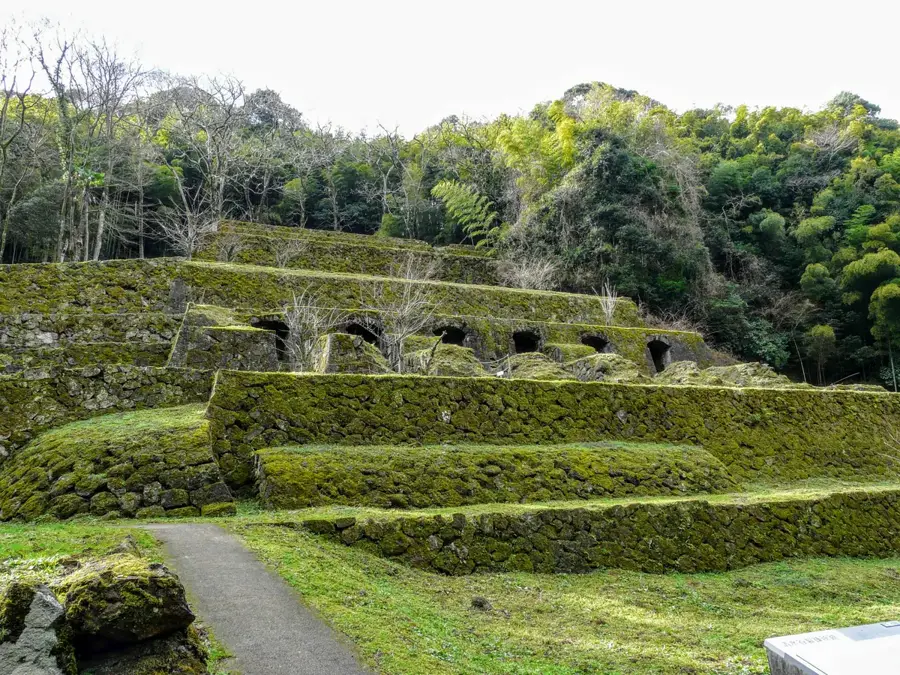
The Iwami Ginzan Silver Mine in Shimane Prefecture was one of the world's most prominent silver mines, inscribed as a UNESCO World Heritage site in 2007. Discovered in 1526, the mine reached its peak in the early 17th century, when it was responsible for approximately one-third of the world's total silver production. The mining operations utilized the innovative haiban-fuki (cupellation) refining method introduced from Korea, which allowed for more efficient separation of silver from lead ore. The heritage site encompasses the mining tunnels (mabu), such as the accessible Ryugenji Mabu, as well as the surrounding historic settlement of Omori, transportation routes, and port towns. A unique aspect of Iwami Ginzan was its early ecological management; sustainable forestry was practiced to provide a steady supply of timber for smelting without devastating the landscape. Although the mine officially closed in 1923, the preserved tunnels and shrines remain as a testament to Japan's technological and economic influence in the early modern era.

Best time to visit & climate

The most pleasant time to visit is Jun, Aug, Sep.

JanFebMarAprMayJunJulAugSepOctNovDec
Avg °C23611162024252115105
Rain mm938611411913318425512617811995117

📋 Practical info

🚪
Visiting
The silver mine and its associated museum grounds are open to visitors. Some of the tunnels can be entered as part of a guided tour.
🕒
Typical hours
The site is typically open daily from 9:00 to 17:00, March to November. In winter, hours are shorter or the mine is closed entirely.
📷
Photography
Photography is allowed in outdoor areas and the museum. In the tunnels, flash may be prohibited - guides will advise.
⏱️
Time needed
Allow at least two to three hours for the mine and museum visit. For exploring the surrounding historic settlement of Omori, allocate half a day.
Combine with
Combine the visit with a walk through the well-preserved historic town of Omori. The nearby Rakan-ji Temple is also worth a detour.
🧭
Getting there
The mine is reachable by bus or car from the city of Ōda. Regular buses run from there to the information center.
💡
Insider tip
Bring a flashlight to better see the darker tunnels. In autumn, the surrounding landscape is especially beautiful with colorful foliage.

Geography

Coordinates
35.10900, 132.44000

Facts

  • The mine was designated a UNESCO World Heritage site in July 2007.
  • At its peak in the 17th century, it produced one-third of the world's silver.
  • There are more than 600 recorded mine shafts (mabu) in the heritage area.
  • The Ryugenji Mabu is the only tunnel regularly open for public tours.
  • Iwami silver was used to mint coins for trade throughout East Asia.
  • After nearly 400 years of operation, the mine was officially closed in 1923.

Explore nearby

Notable places around
Route planner — Car & Motorhome

Where do you start? We build the route here, with stops and country notes along the way.

Vehicle
Only stops with (optional):

© OpenStreetMap contributors · OpenRouteService

Sights in the town Iwami Ginzan Silver Mine (11)

Shimizudani Refinery Site🏺 historical

The Shimizudani Refinery Site preserves the historic ruins of an advanced silver smelting facility within the Iwami Ginzan area.

Shimogawara Smelting Ruins🏺 historical

The Shimogawara Smelting Ruins offer a glimpse into the traditional silver extraction processes once used in the Iwami Ginzan mine.

Iwami Silvermine Museum🏛 museum

Designated as a heritage site, the Iwami Silvermine Museum is housed in a former magistrate's office and exhibits the region's mining history.

Iwami Ginzan Photo Gallery🏛 museum

The Iwami Ginzan Photo Gallery displays historical and contemporary photographs documenting the legacy of the local silver mine.

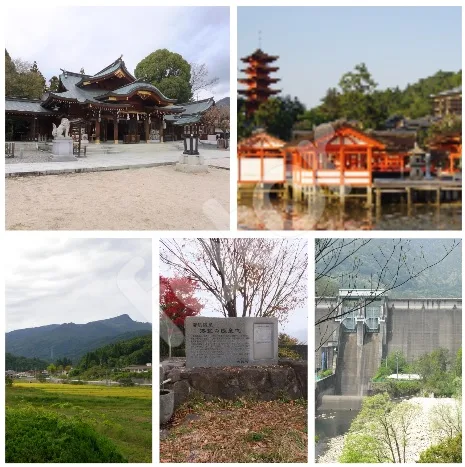
Sahimeyama Shrine⛪ religious

Sahimeyama Shrine is a historic Shinto place of worship where miners historically prayed for safety in the Iwami Ginzan silver mine.

Mt. Oetaka🌿 nature

Mt. Oetaka is a prominent mountain peak closely linked to the geography of the historic Iwami Ginzan silver mining area.

Iwami Ginzan World Heritage Center🏛 museum

The Iwami Ginzan World Heritage Center serves as the primary museum introducing visitors to the global significance of the local silver mines.

Kotogahama (Kotoga Beach)🎡 recreation

Kotogahama is a beautiful coastal beach known for its singing sands near the historic Iwami Ginzan area.

Seisui-ji📍 landmark

Seisui-ji is a serene Buddhist temple offering quiet reflection within the historic surroundings of the Iwami Ginzan silver mine.

Toyosaka Shrine📍 landmark

Toyosaka Shrine is a notable Shinto sanctuary closely associated with the cultural landscape of the Iwami Ginzan district.

Myosho-ji📍 landmark

Myosho-ji is a historic Buddhist temple that once provided spiritual support to the miners of the Iwami Ginzan area.

Sights nearby

Frequently asked questions

What is the historical significance of Iwami Ginzan?
In the 16th and 17th centuries, it was one of the world's leading silver mines, producing about one-third of the world's silver.
Can the mine shafts be visited?
Yes, the Ryugenji-mabu shaft is open to the public, showcasing the traces of manual mining labor.
How much time should be planned for the visit?
Plan for at least 3 to 4 hours to explore both the mine and the historical village of Omori.
What clothing is recommended?
Sturdy footwear is important as paths can be steep, and the shafts are cool and damp.
Are there dining options on-site?
The village of Omori has cozy cafes and small restaurants offering local specialties in historic buildings.
Iwami Ginzan Silver Mine: where is it located?
Iwami Ginzan Silver Mine is located in Japan.
Iwami Ginzan Silver Mine: what is there to see?
Highlights include Shimizudani Refinery Site, Shimogawara Smelting Ruins, Iwami Silvermine Museum.
Iwami Ginzan Silver Mine: when is the best time to visit?
The most pleasant time to visit is Jun, Aug, Sep.
Iwami Ginzan Silver Mine: why is it worth visiting?

The Iwami Ginzan Silver Mine in Shimane Prefecture was one of the world's most prominent silver mines, inscribed as a UNESCO World Heritage site in 2007.
View on map → The Top 50 Attractions → OpenStreetMap →
Asia
Explore with Plizio Discover more places in Asia
More places in Japan →

Nearby cities

History & landmarks

More places