Chang Zhe keYuan Yi Ji
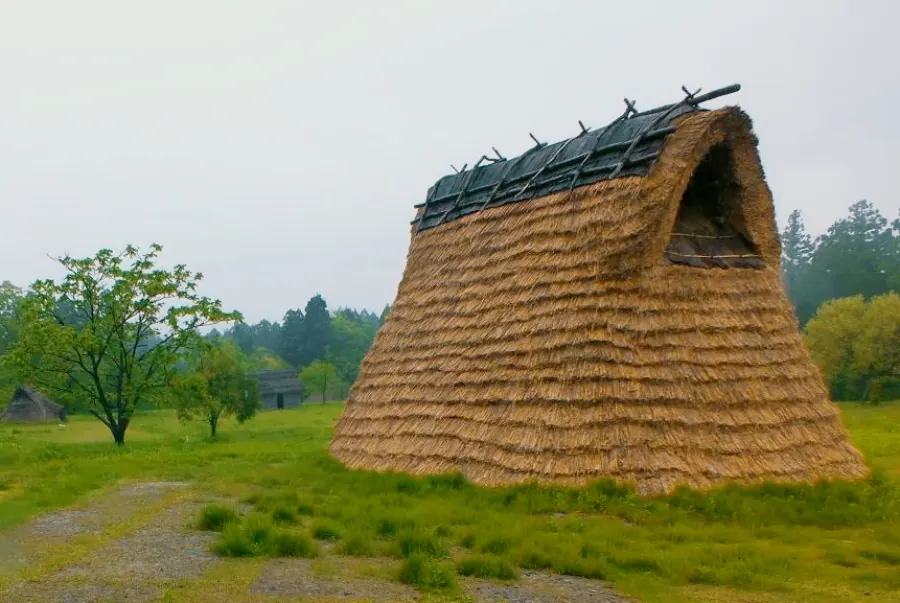
The Chojagahara Site is a highly significant archaeological site from the Middle Jomon period (around 5,000 to 3,500 years ago), located in Itoigawa, Niigata Prefecture. Overlooking the Sea of Japan, it is renowned as one of the largest prehistoric jade-processing workshops in Japan. The discovery of numerous jade beads and the tools used to craft them has provided invaluable insights into ancient trade networks, as jade from this region was transported throughout the Japanese archipelago. Today, it is preserved as an expansive archaeological park and is closely linked to the Itoigawa UNESCO Global Geopark. Visitors can freely explore the grounds where ancient pit dwellings have been carefully reconstructed, offering a glimpse into the daily lives of the Jomon people. The adjacent Chojagahara Archaeological Museum houses a vast collection of excavated artifacts, including distinctive flame-style Jomon pottery, stone tools, and exquisite jade ornaments. This site offers a rare and tangible connection to Japan's prehistoric past, making it a highly recommended visit for history enthusiasts and those interested in the origins of Japanese culture.
Weather…
Practical info
Tips
- Combine your visit with the nearby Fossa Magna Museum.
- Wear comfortable walking shoes for the park's unpaved trails.
- Visit the Itoigawa coastline to try your hand at jade hunting.
FAQ
What is the Chojagahara Site?
Why is this site historically important?
Is there a museum on-site?
How can I reach the site?
Route planner — Car & Motorhome
Where do you start? We build the route here, with stops and country notes along the way.
© OpenStreetMap contributors · OpenRouteService