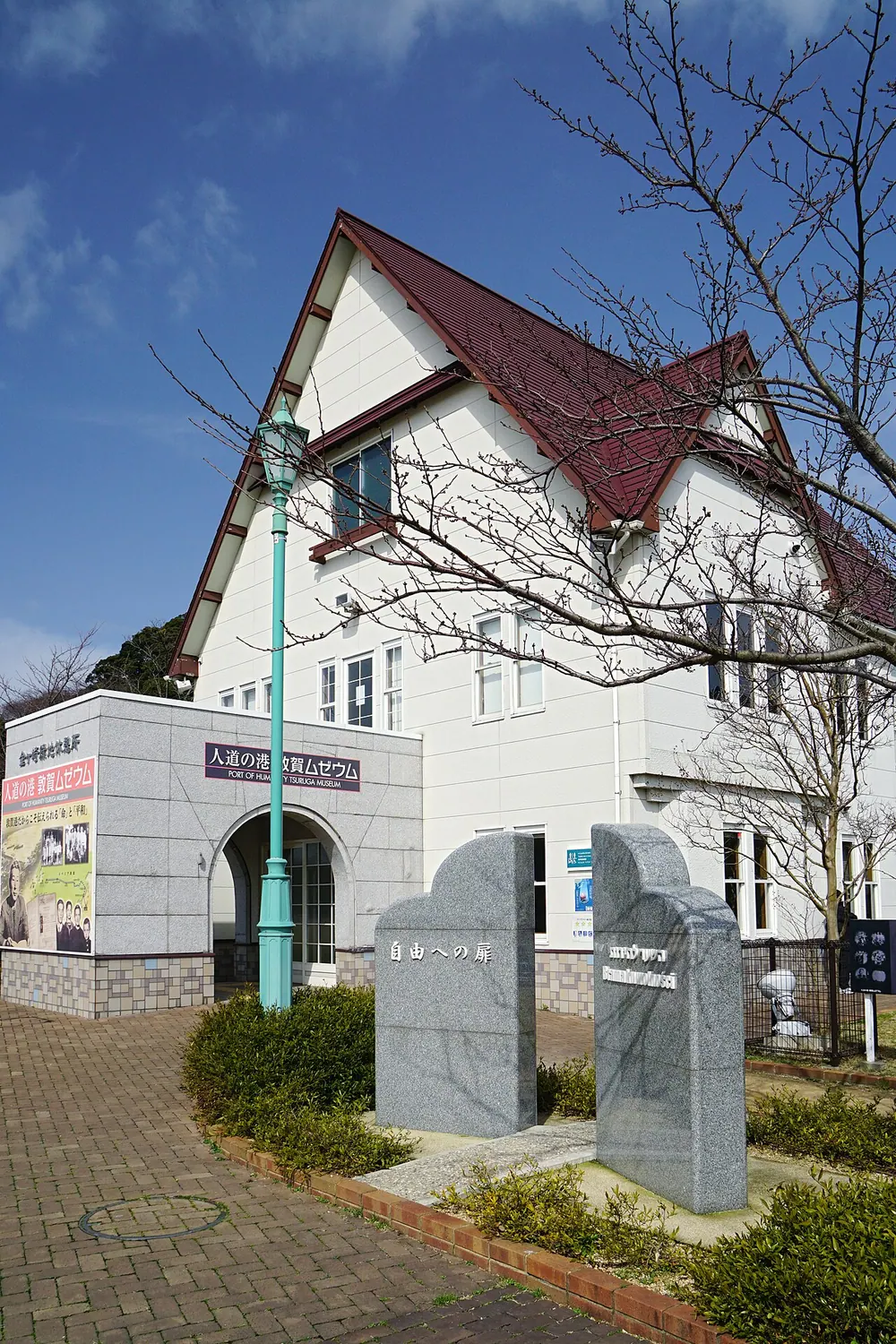
Ren Dao noGang Dun He muzeumu
The Port of Humanity Tsuruga Museum, located in Tsuruga, Fukui Prefecture, Japan, stands as a poignant testament to compassion and international solidarity. This museum commemorates the pivotal role the port played in the early 20th century, serving as a gateway of hope for thousands of displaced individuals. Most notably, in 1940, Tsuruga welcomed Jewish refugees fleeing Nazi persecution who arrived bearing life-saving visas issued by the courageous Japanese diplomat Chiune Sugihara in Lithuania. Visitors to the museum can explore deeply moving exhibitions that detail the harrowing journeys of these refugees across the vast expanse of the Eurasian continent. The displays include authentic documents, personal belongings, and heartfelt testimonies that bring the historical narrative to life. Additionally, the museum highlights another significant humanitarian act from 1920, when the port received Polish orphans rescued from Siberia, showcasing the enduring kindness of the local residents. Situated near the historic port area, the museum not only educates visitors about these extraordinary acts of humanity but also promotes the importance of peace and human rights in the modern world. The exhibits offer a contemplative space for visitors to reflect on the impact of individual courage.
Weather…
Practical info
Tips
- Combine your visit with the historic Tsuruga Red Brick Warehouse nearby.
- Take time to watch the documentary videos on site for deeper context.
FAQ
What is the Port of Humanity Tsuruga Museum?
Where is the museum located?
What can visitors see inside the museum?
Why is Tsuruga Port historically significant?
How can I reach the museum?
Route planner — Car & Motorhome
Where do you start? We build the route here, with stops and country notes along the way.
© OpenStreetMap contributors · OpenRouteService