Ri Ben hawaiYi Min Zi Liao Guan
The Museum of Japanese Emigration to Hawaii, located in Suo-Oshima in Yamaguchi Prefecture, offers a profound look into a significant yet often overlooked chapter of Japanese history. Suo-Oshima is affectionately known as the "Hawaii of Setouchi" due to its deep historical ties to the Hawaiian Islands. Beginning in 1885, thousands of residents left their homes to seek new opportunities on sugar cane plantations in Hawaii, forging an enduring cultural and familial bridge across the Pacific.
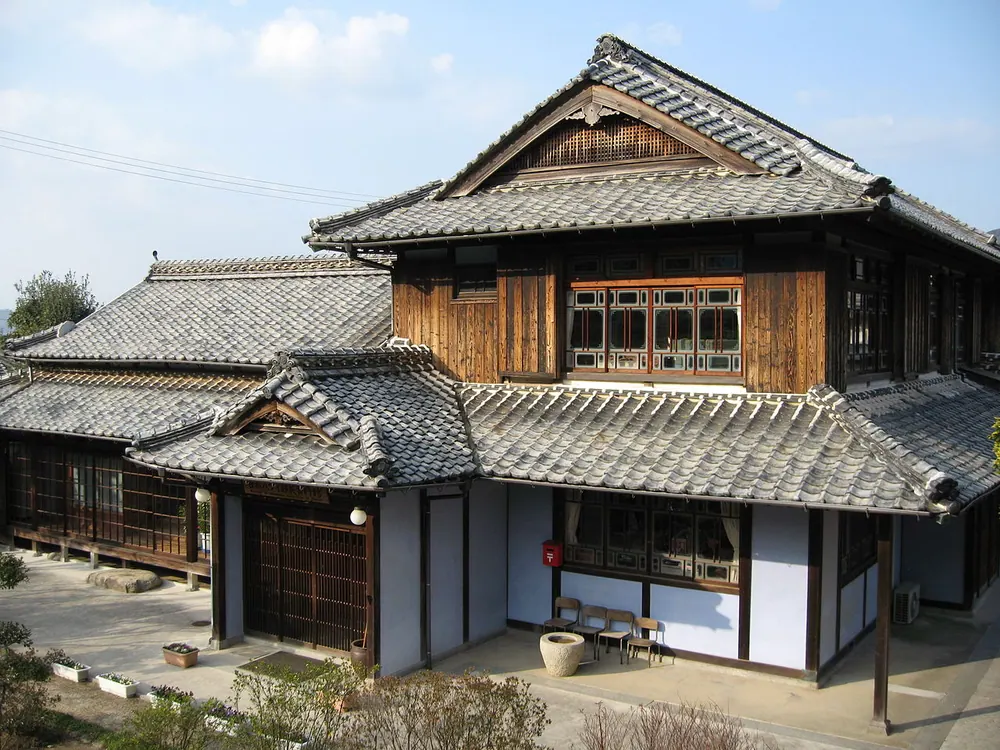
Housed in a preserved traditional wooden building that once served as an emigrant's home, the museum exhibits a wide array of personal artifacts, historic photographs, and heartfelt letters. These items poignantly detail the arduous journeys, the grueling working conditions, and the eventual successes of the Japanese immigrants. Through these personal stories, visitors can grasp the resilience of the people who shaped this unique heritage.
Beyond preserving documents, the museum celebrates the rich cultural exchange that blossomed between the regions, visible today through vibrant local festivals and traditions.
Weather…
Practical info
Tips
- Take time to watch the documentary videos shown inside.
- Explore the rest of Suo-Oshima to taste the local mandarin oranges.
- Ask the staff about the architectural details of the historic building.
FAQ
What is the focus of this museum?
Why is Suo-Oshima called the "Hawaii of Setouchi"?
Are the exhibits available in English?
Is the building itself historical?
Route planner — Car & Motorhome
Where do you start? We build the route here, with stops and country notes along the way.
© OpenStreetMap contributors · OpenRouteService