Plizio Visual Lab

Liang Bua Cave
Plizio editorial teamData Sources
tourist-attraction
—°11
Liang Bua Cave (Indonesia)

Weather…

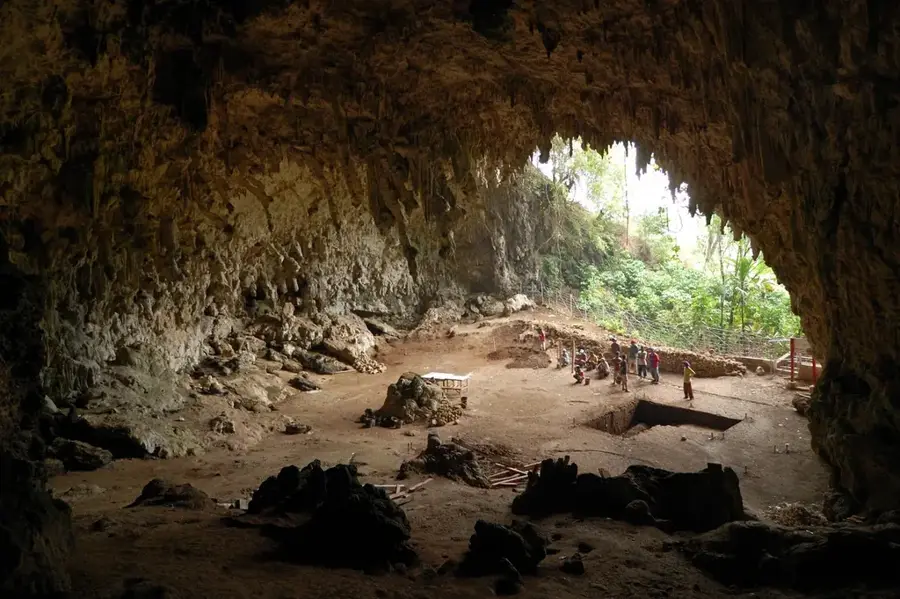
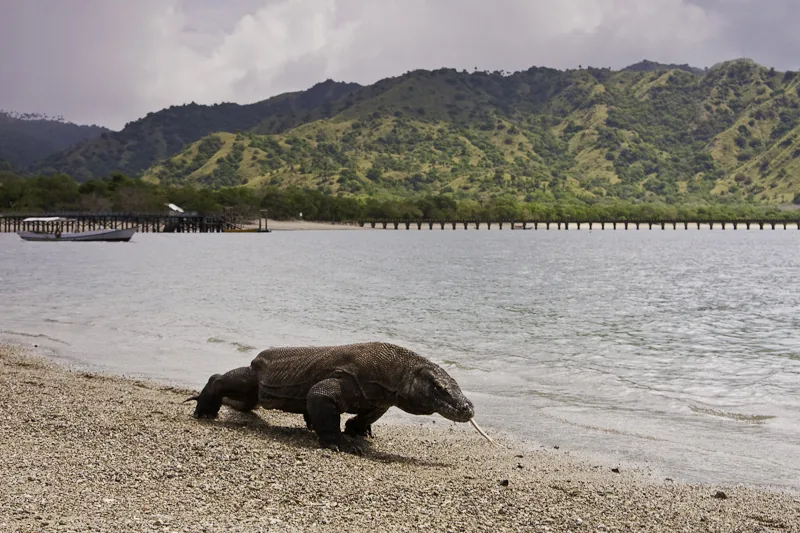
Liang Bua Cave, located on the island of Flores in Indonesia, is one of the world's most significant archaeological sites. This large limestone cavern is situated in the Manggarai District, about 14 kilometers north of the town of Ruteng. It achieved global fame in 2003 when a joint Indonesian-Australian research team discovered the skeletal remains of a previously unknown hominid species, officially named Homo floresiensis. Popularly known as the Hobbit due to its small stature of approximately 106 centimeters, this discovery challenged existing theories of human evolution. The remains were found to be roughly 50,000 to 100,000 years old, suggesting these early humans lived on the island long after modern humans had reached the region. In addition to hominid fossils, the cave has yielded remains of extinct pygmy elephants (Stegodon) and giant monitor lizards. Today, the cave remains an active research site and serves as a natural museum for visitors interested in prehistoric history.

Best time to visit & climate

The most pleasant time to visit is Jun–Aug.

JanFebMarAprMayJunJulAugSepOctNovDec
Avg °C242424242423232325262625
Rain mm31630232524713651342674124246361

📋 Practical info

🚪
Visiting
The spacious karst cave is easily accessible and can be explored independently or often with the help of a local guide on site to learn more about the significant excavations.
🕒
Typical hours
The site is normally open to visitors during regular daylight hours; it is highly recommended to plan your visit for the morning or the early afternoon.
📷
Photography
The huge cave opening through which daylight atmospherically streams features fantastic photo opportunities; bringing a tripod can be very helpful for sharp images in the dim light.
⏱️
Time needed
To explore the cave and the small museum located nearby, you should expect to spend around one to one and a half hours on site to see everything at a relaxed pace.
Combine with
The cave tour combines perfectly with other discoveries on the island of Flores, including traditional villages like Ruteng Pu'u or the fascinating spider-web rice fields.
🧭
Getting there
The journey usually goes through the town of Ruteng; from there, a narrow, winding mountain road leads directly to the cave, making a rented vehicle with a driver handy.
💡
Insider tip
Be sure to also visit the small exhibition building located right next to the cave to learn much more about the highly significant archaeological discovery of Homo floresiensis.

Geography

Coordinates
-8.53300, 120.44300

Facts

  • Discovery of Homo floresiensis (the Hobbit) took place in 2003
  • The cave measures 50 meters in length and 40 meters in width
  • Hominid remains are dated between 50,000 and 100,000 years old
  • Fossils of extinct pygmy elephants (Stegodon) were found on-site
  • Located in the limestone hills of Flores island, 14 km from Ruteng
  • The scientific publication of the find occurred in October 2004

Explore nearby

Notable places around
Route planner — Car & Motorhome

Where do you start? We build the route here, with stops and country notes along the way.

Vehicle
Only stops with (optional):

© OpenStreetMap contributors · OpenRouteService

Sights in the town Liang Bua Cave (11)

Gereja Hati Yesus Amat Kudus, Nanu⛪ religious

Gereja Hati Yesus Amat Kudus in Nanu is a prominent Christian place of worship near the Liang Bua cave area.

Gereja Santa Maria dari Fatima, Cancar⛪ religious

Gereja Santa Maria dari Fatima in Cancar serves as a Catholic parish church in the Liang Bua region.

Gereja Kristus Raja, Pagal⛪ religious

Gereja Kristus Raja in Pagal is an important church providing a spiritual center for the local community near Liang Bua.

Liang Bua🌿 nature

Liang Bua is a famous limestone cave known internationally as the type locality of the hominin Homo floresiensis.

Compang Wela🏺 historical

Compang Wela is a traditional monument serving as a cultural landmark in the Liang Bua area.

Rumah Gendang🎭 culture

Rumah Gendang is a traditional Manggarai arts center and communal house near Liang Bua.

Rumah Gendang Lada🎭 culture

Rumah Gendang Lada is a specific traditional arts center preserving local heritage near Liang Bua.

Rumah Gendang Gapong🎭 culture

Rumah Gendang Gapong is an architectural arts center reflecting the indigenous culture of the Liang Bua area.

Road to Tengkulese Waterfall📍 landmark

The Road to Tengkulese Waterfall gives a scenic route near the Liang Bua Cave landmarks.

Start 15min walk to Tengkulese Waterfall📍 landmark

This attraction marks the starting point for a 15-minute walk to the Tengkulese Waterfall near the Liang Bua cave.

Waterfall📍 landmark

This natural waterfall is a refreshing attraction located in the Liang Bua Cave landmarks region.

Sights nearby

Frequently asked questions

What is special about this cave?
The remains of Homo floresiensis (the 'Hobbit') were discovered here in 2003.
Where is Liang Bua Cave located?
It is located on Flores Island, about 14 km from the town of Ruteng.
Can you see the findings inside the cave?
There are no original findings in the cave, but a small museum nearby displays replicas.
How is the access to the cave?
The cave is large and easily accessible via a short walk.
Is there an entrance fee?
Yes, a small fee is charged for maintenance and access to the museum.
Liang Bua Cave: where is it located?
Liang Bua Cave is located in Indonesia.
Liang Bua Cave: what is there to see?
Highlights include Gereja Hati Yesus Amat Kudus, Nanu, Gereja Santa Maria dari Fatima, Cancar, Gereja Kristus Raja, Pagal.
Liang Bua Cave: when is the best time to visit?
The most pleasant time to visit is Jun, Aug.
Liang Bua Cave: why is it worth visiting?

Liang Bua Cave, located on the island of Flores in Indonesia, is one of the world's most significant archaeological sites.
View on map → The Top 50 Attractions → OpenStreetMap →
Asia
Explore with Plizio Discover more places in Asia
More places in Indonesia →

Nearby cities

Nature

More places